
Arizona Travel Guide: Best Places, Road Trips, Itineraries, Hidden Gems & Travel Tips
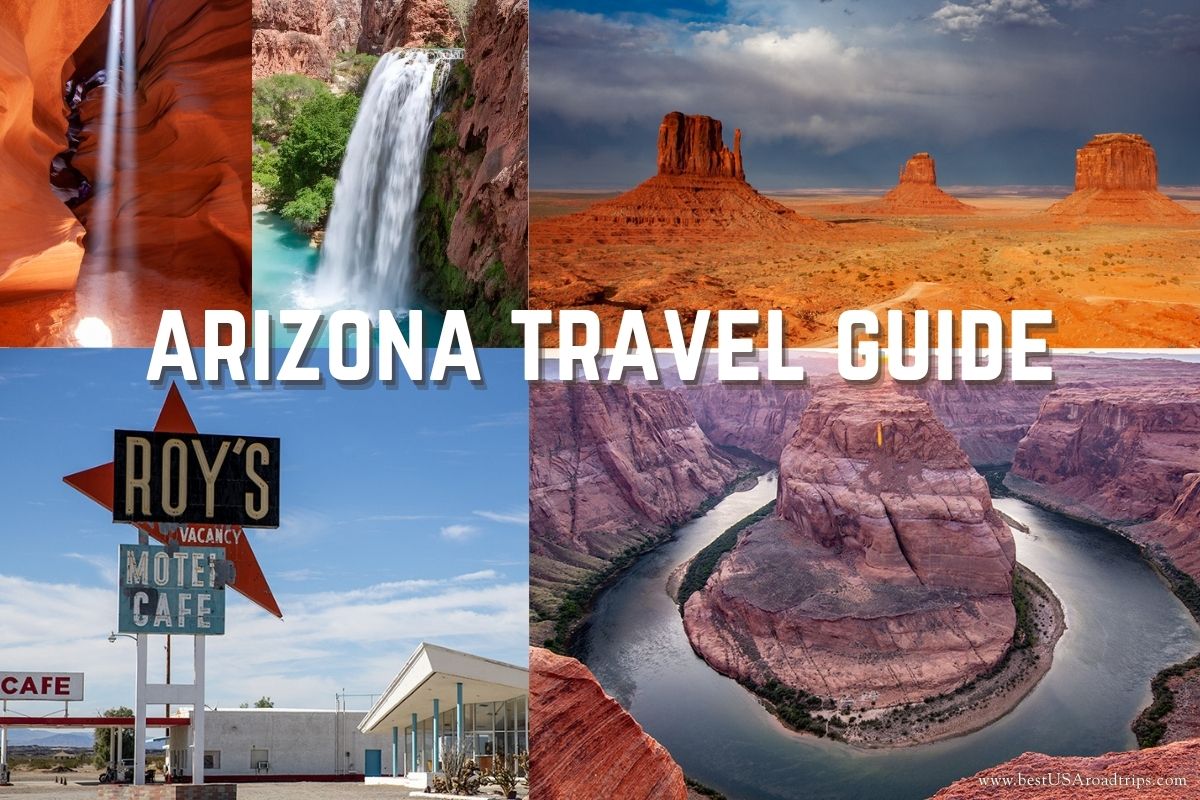
Arizona is one of the most visually striking states in the USA. It’s known for deep canyons, red rock landscapes, desert scenery, and some of the most unique geological formations in the country. Arizona is one of the most rewarding states for a road trip in the USA.
The state is home to world-famous landmarks like the Grand Canyon National Park, which stretches about 277 miles and reaches over a mile deep. Arizona also includes iconic places like Monument Valley, Antelope Canyon, and the Sonoran Desert, where you’ll find forests of giant saguaro cacti.
Because of its size and climate, planning a trip to Arizona requires some preparation. Distances between destinations can be long, temperatures vary significantly by region and elevation, and some of the most popular places require permits or advance reservations.
This guide breaks Arizona down into key regions, highlights the best places to visit, and helps you build a realistic road trip. Some places require only a short stop, while others take serious planning, permits, or long hikes. That is exactly why we created this Arizona travel guide. Here we bring together our Arizona articles, firsthand tips, and planning advice to help you choose the best places, avoid common mistakes, and build the road trip that fits your travel style.
Our Experience Exploring Arizona
Chris and I have explored Arizona many times over the years, so many that we honestly stopped counting. We have spent entire months traveling across the state, as well as short weekend breaks focused on just one area. We explored Arizona in different ways — by RV, during tent-based road trips, and also while staying in hotels and lodges. This gave us a very complete view of what it’s really like to plan and experience a trip here.
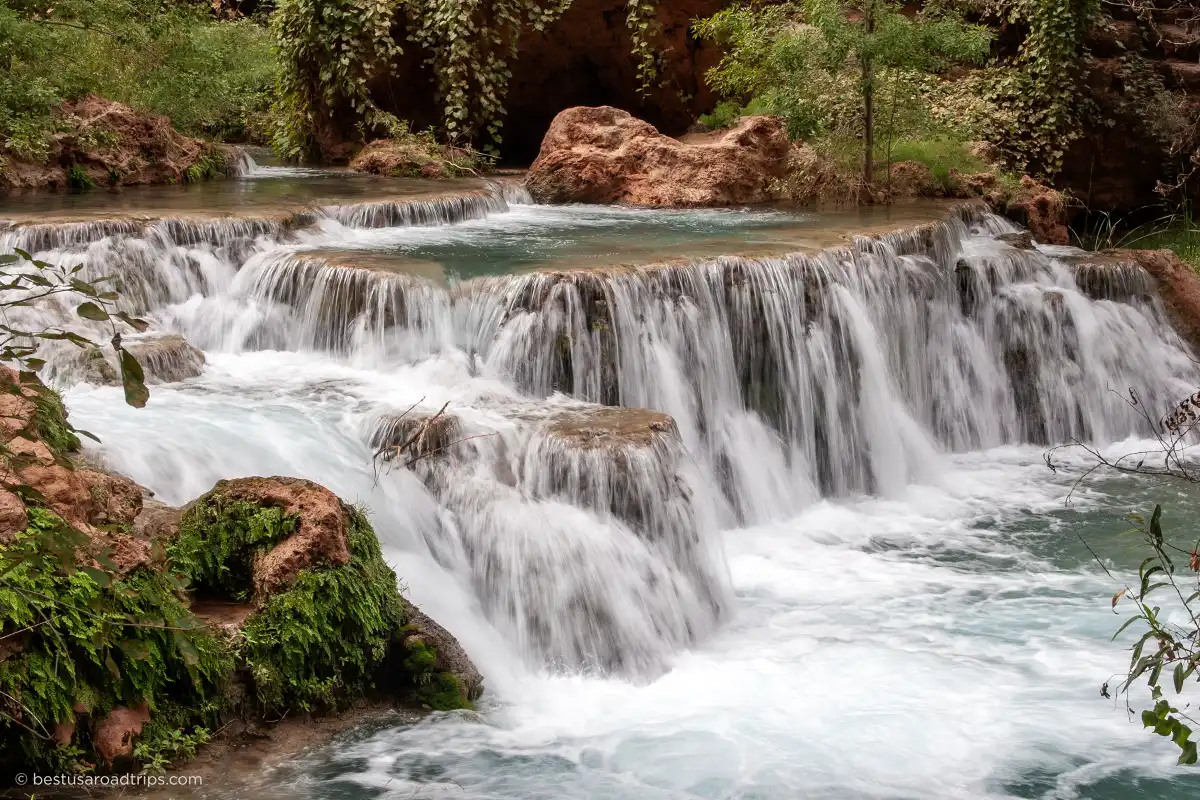
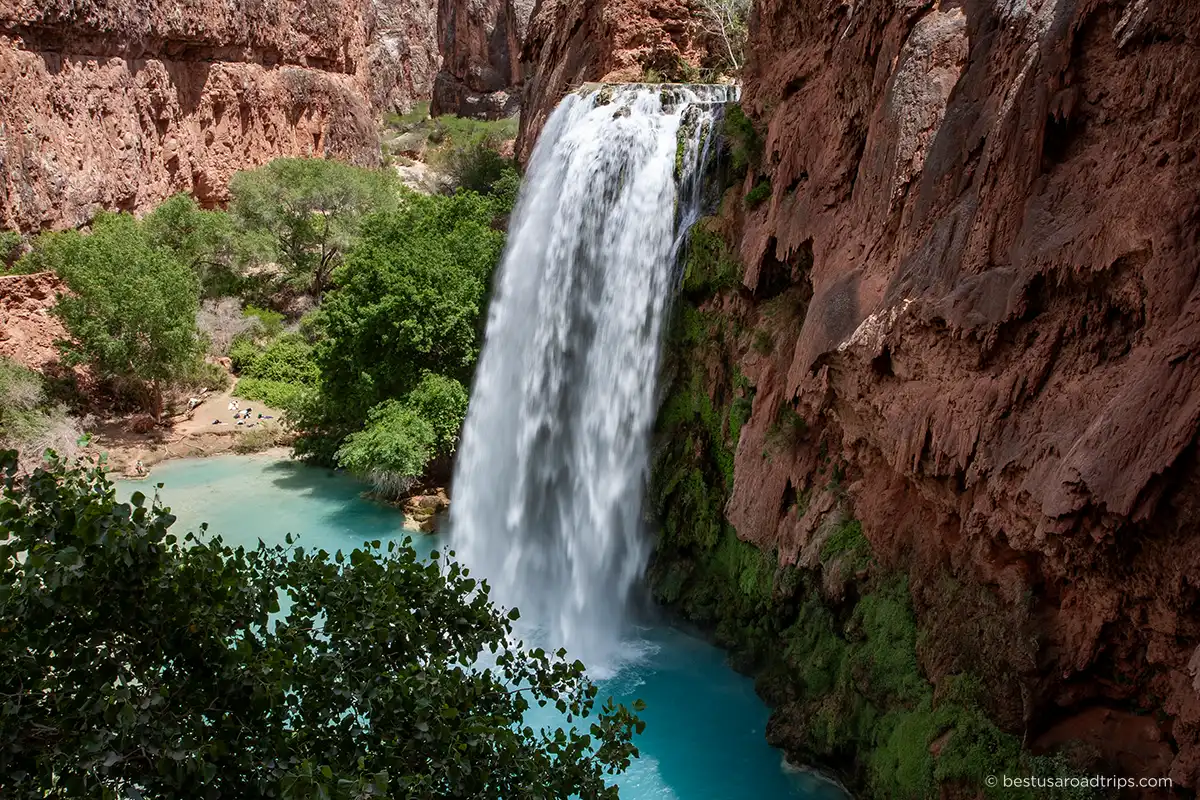
One of our most memorable experiences was hiking to Havasu Falls in the Havasupai Reservation. This is not a quick stop. It requires permits, preparation, and a long hike. But the reward is unforgettable. Bright turquoise waterfalls in the middle of the desert feel almost unreal.
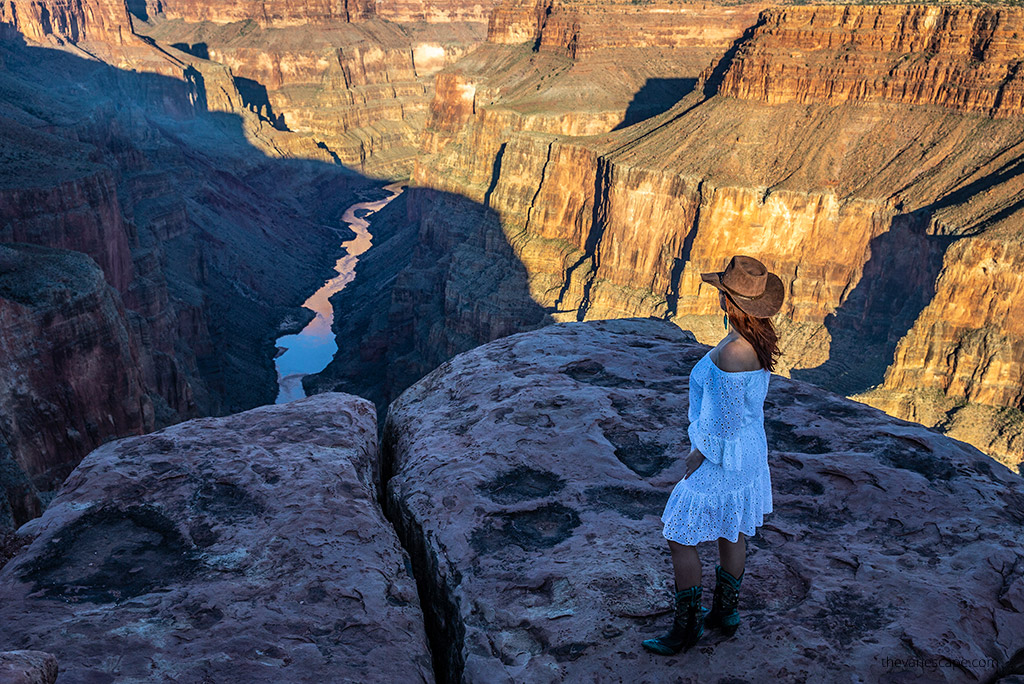
We also spent weeks exploring Arizona’s national parks, including the Grand Canyon, where we hiked, camped, and explored both the most iconic viewpoints and less visited areas, like Toroweap Overlook. Standing on the edge of the canyon at sunrise or sunset is something we will never forget.

Another highlight was hiking The Wave. This is one of the most restricted hikes in the USA. Getting a permit is not easy, and planning is essential. The rock formations, colors, and silence make it one of the most unique landscapes we have ever seen.
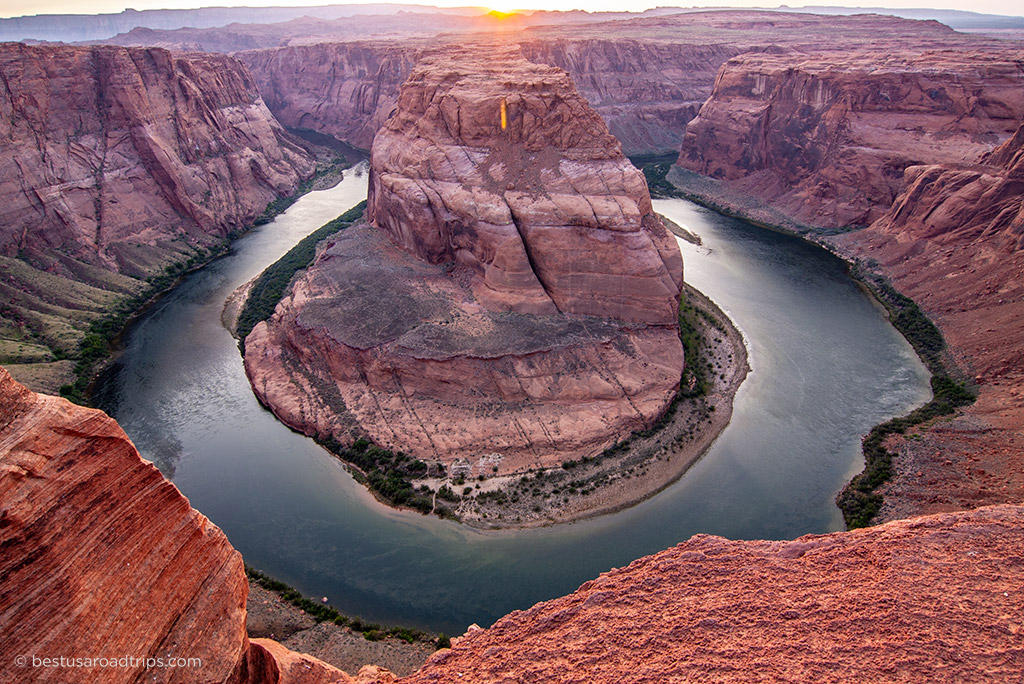
We also explored the Page area, including Antelope Canyon and Horseshoe Bend. These are some of the most photographed places in Arizona, but timing makes a big difference. Visiting early or late in the day can completely change your experience.
Arizona is not only about famous spots. We also enjoyed scenic drives, small towns along Route 66, and less crowded desert areas. These places often surprised us the most and made our trips even more memorable.
Everything in this guide is based on our real experiences. We focus on what is worth your time, what requires planning, and how to build a trip that makes sense for your travel style.
Best Places to Visit in Arizona
Arizona is a large and diverse state. Each region feels different. You can explore deep canyons, desert landscapes, red rock formations, national parks, and unique sandstone waves—all in one trip. Below are the places we think are truly worth your time based on our own experience.
Grand Canyon Area
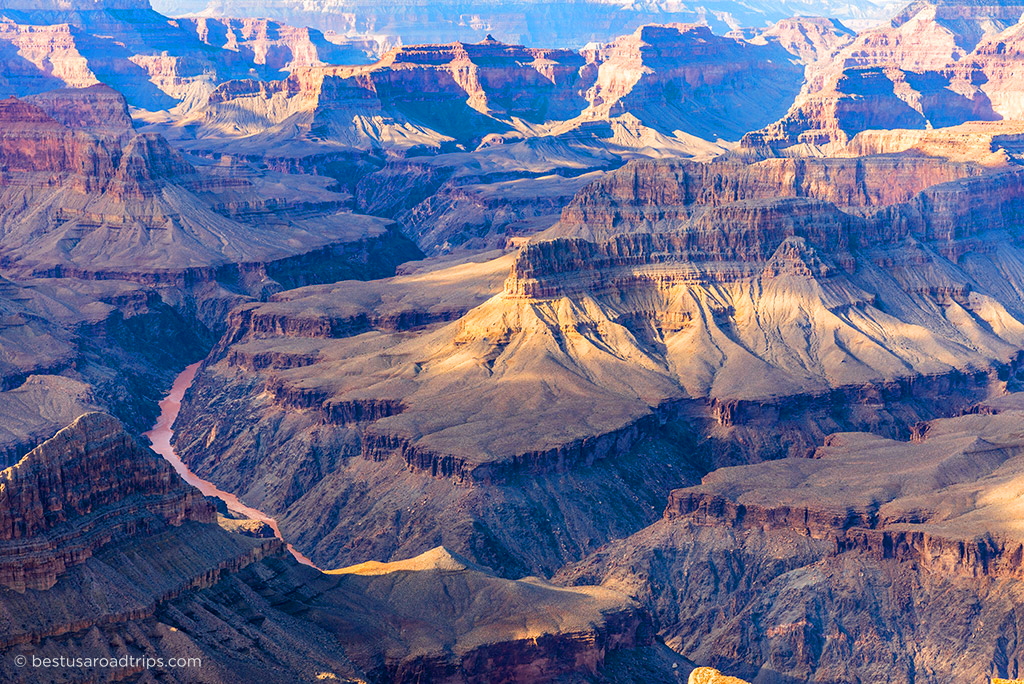
The Grand Canyon is the most famous destination in Arizona, and for good reason. The scale is hard to understand until you see it in person.
The South Rim is the most visited and easiest to access. It has the best viewpoints, facilities, and hiking options. The North Rim is more remote, less crowded, and open only seasonally.
If you want something very different, consider Toroweap (Tuweep). This is a remote viewpoint with no barriers, located right on the edge of the canyon. It requires careful planning but offers one of the most dramatic views in Arizona.
Grand Canyon Guides:
- Grand Canyon National Park Travel Guide
- South Rim Travel Guide
- North Rim Travel Guide
- Toroweap Overlook Guide
Page and Northern Arizona
This area is packed with some of the most iconic landscapes in the Southwest.
Antelope Canyon is one of the most photographed slot canyons in the world. You can visit both Upper and Lower sections, but each offers a different experience. Guided tours are required.
Nearby, Horseshoe Bend is an easy stop with a short walk to a stunning overlook of the Colorado River.
Another highlight is The Wave. This is a bucket-list hike with a strict permit system. It requires planning, navigation skills, and preparation, but it is one of the most unique places in the USA.
Page & Slot Canyon Guides:
- The Wave Permit Guide
- The Wave Hiking Guide
- Coyote Buttes South-The Wave Alternative
- Lower Antelope Canyon Guide
- Upper Antelope Canyon Guide
- Canyon X
- Horseshoe Bend Guide
- Things To Do in Page
Havasupai and Havasu Falls
Havasu Falls is one of the most unique places we have visited in the USA. Bright turquoise waterfalls in the middle of a desert canyon create a landscape that feels unreal.
This is not an easy visit. You need permits, and you must hike many miles to reach the campground. But if you plan it well, it can be one of the most rewarding experiences in Arizona.
Havasupai & Havasu Falls Guides:
- Havasupai Waterfalls Travel Guide
- Havasupai Permits Guide
- Havasu Falls Packing List
- Havasu Falls Camping Guide
- Havasu Falls Step-by-Step Hike
Monument Valley Area
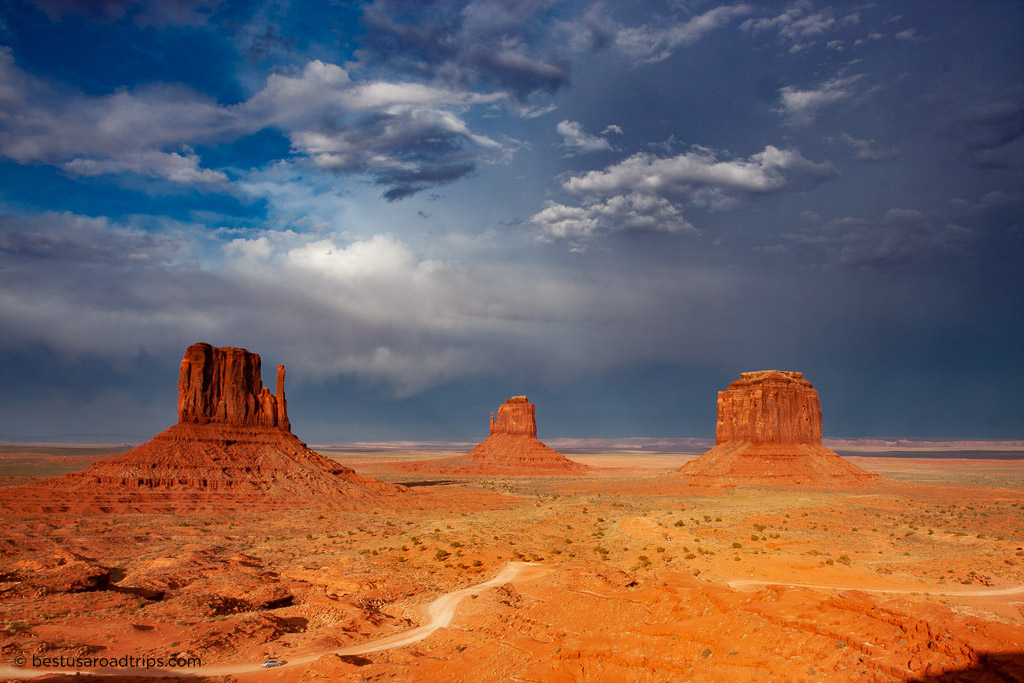
Monument Valley is one of the most recognizable landscapes in the American West.
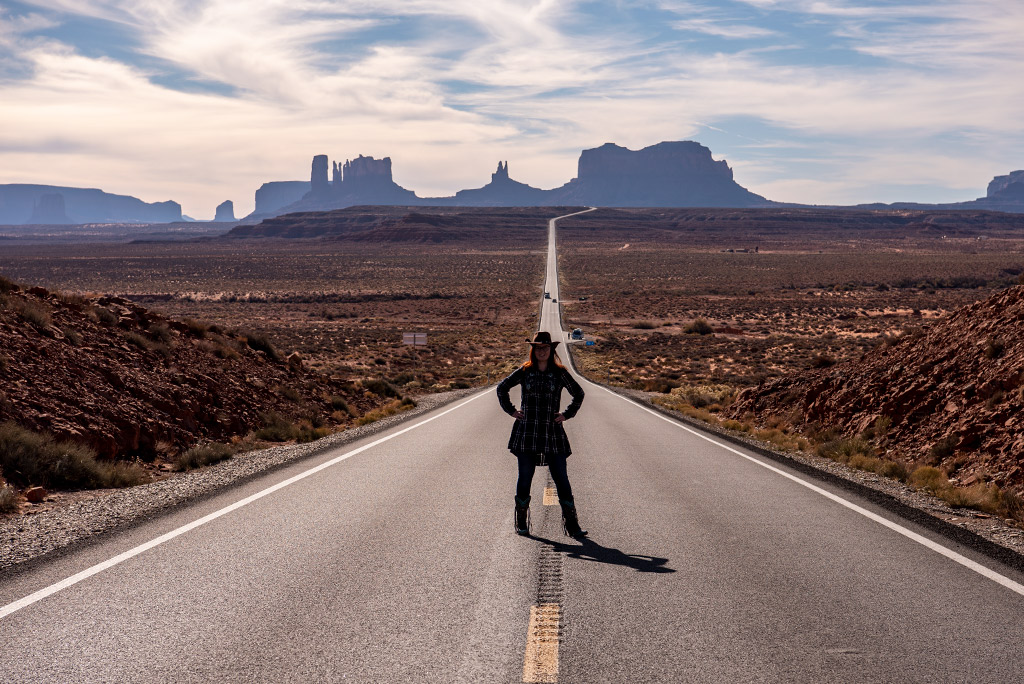
Massive sandstone buttes rise from the desert floor, creating a scene that feels straight out of a movie. You can drive the scenic loop, join a guided tour with a Navajo guide, or focus on photography during sunrise and sunset.
Phoenix, Tucson, and Saguaro National Park
Southern Arizona offers a completely different landscape compared to the northern part of the state. This is where you’ll experience classic Sonoran Desert scenery, with towering saguaro cacti, wide open views, and warmer weather for most of the year.
Phoenix is a major travel hub and a good starting point for exploring the region. It offers easy access to desert hikes, scenic drives, and nearby day trips.
Further south, Tucson has a more relaxed and authentic feel. It’s surrounded by mountain ranges and is one of the best places to experience the Sonoran Desert.
One of the highlights of this region is Saguaro National Park, known for its iconic giant cacti landscapes. The park is divided into two districts near Tucson and offers scenic drives, easy walks, and longer hikes.
This part of Arizona is often less crowded than the Grand Canyon or Page area and can be a great addition to your road trip if you want to explore beyond the most popular destinations.
Phoenix, Tucson & Saguaro Guides:
- Phoenix Travel Guide
- Tucson Travel Guide
- Saguaro National Park Guide
- Best Things to Do in Tucson
Southern Arizona
Southern Arizona feels very different from the northern part of the state. This is where you will see classic desert landscapes filled with saguaro cacti.
One interesting stop is Picacho Peak State Park. It offers a unique hike with cables to the summit and wide desert views. This area is less crowded than northern Arizona and can be a great addition to a road trip.

Hidden Gems and Less Crowded Places
Some of our favorite moments in Arizona happened away from the most popular spots.
You will find:
- lesser-known slot canyons
- quiet desert trails
- scenic drives with very few people
These places often require more research and planning, but they offer a completely different experience. As you explore more, Arizona keeps surprising you.erent experience. As you explore more, Arizona keeps surprising you.
Best Things to Do in Arizona

Arizona offers much more than just famous viewpoints. The best experiences come from getting out, exploring, and combining different activities into one trip. Based on our travels, these are the top things to do in Arizona.
Hiking in Unique Landscapes
Hiking is one of the best ways to experience Arizona. The landscapes change quickly, and every trail feels different.
You can:
- hike through narrow slot canyons
- walk along the rim of the Grand Canyon
- explore remote desert trails
- hike to waterfalls hidden deep in canyons
Some hikes are short and easy, like Horseshoe Bend. Others require planning, permits, and navigation, like The Wave or Havasu Falls.
Scenic Drives and Road Trips
Arizona is perfect for road trips. You can cover long distances and see completely different landscapes in a short time.
Some of the best experiences include:
- driving historic Route 66
- exploring desert highways with endless views
- visiting viewpoints in Monument Valley
Many places are accessible by car, which makes it easy to combine several stops in one day.ccessible by car, which makes it easy to combine several stops in one day.
Exploring National Parks and Protected Areas
Exploring national parks is one of the top things to do in Arizona.
The highlight is the Grand Canyon, but Arizona also offers places like Petrified Forest National Park, Saguaro National Park and Canyon de Chelly National Monument.
These areas provide a mix of dramatic landscapes, cultural history, and outdoor activities. Many are less crowded than the Grand Canyon and offer a quieter experience.
Slot Canyon Experiences
Slot canyons are one of the most unique things you can see in Arizona.
The most famous is Antelope Canyon near Page. Light beams, narrow passages, and smooth sandstone walls create a very special experience.

Chasing Unique Natural Landmarks
Arizona has some of the most unusual landscapes in the USA.
You can:
- stand on the edge of the Grand Canyon
- hike to Havasu Falls
- explore the rock formations at The Wave
Each place feels completely different, which is why Arizona is perfect for a varied trip.
Photography and Sunrise/Sunset Views
Arizona is one of the best states in the USA for photography.
Best moments:
- light beams inside Antelope Canyon
- sunrise at the Grand Canyon
- sunset in Monument Valley
Exploring Small Towns and Route 66
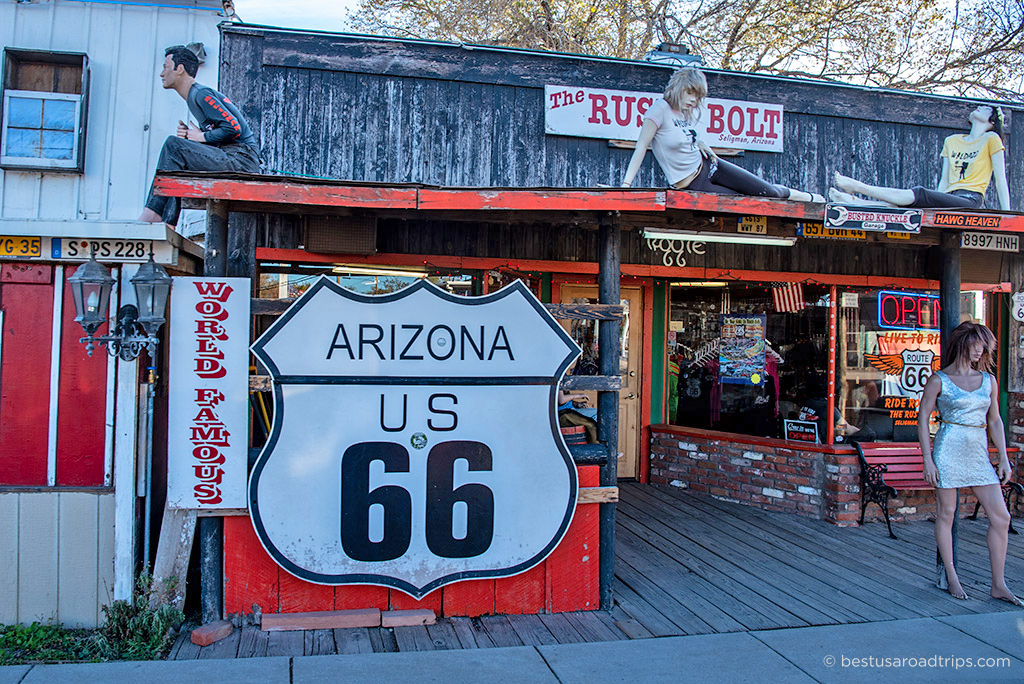
ADriving Route 66 is a great way to explore Arizona’s historic side.
You’ll find:
- nostalgic roadside stops
- small towns
- classic motels
Camping and Outdoor Adventures
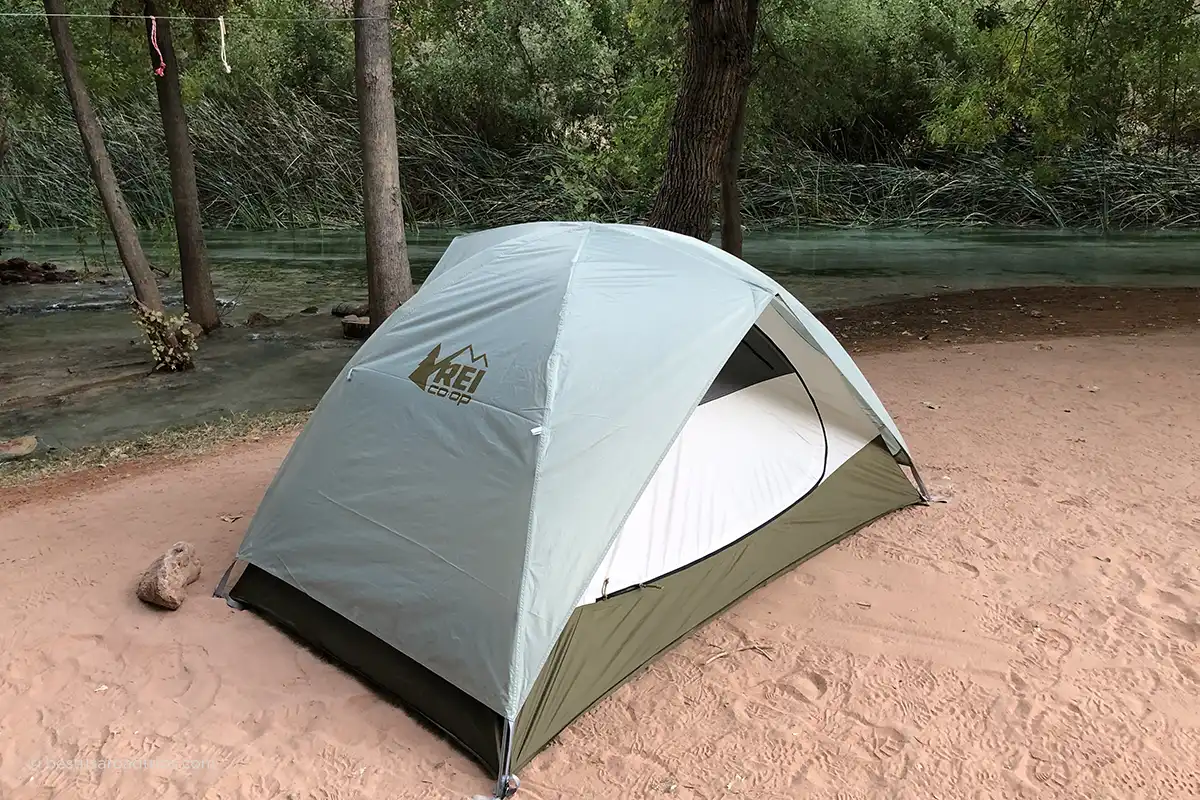
Arizona is a great state for camping.
Options include:
- campgrounds near national parks
- desert campsites
- backcountry camping with permits
Camping allows you to experience places like Havasupai or remote desert areas in a much deeper way.
Arizona Road Trip Ideas
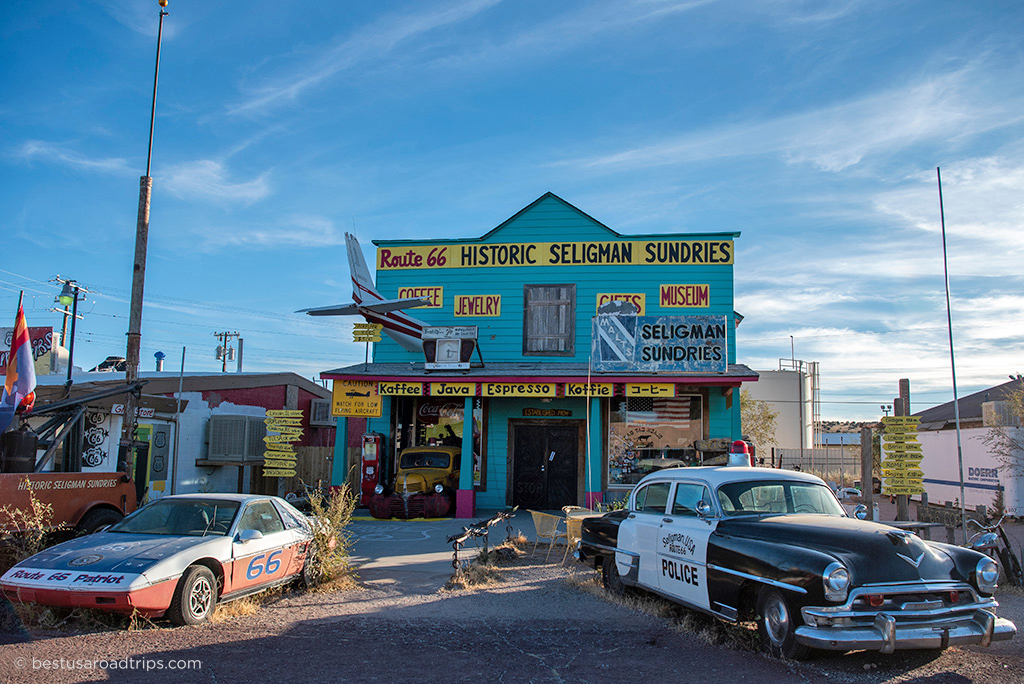
Arizona is made for road trips. Distances are manageable, roads are scenic, and you can combine very different landscapes in one itinerary. Based on our experience, these are some of the best ways to plan your Arizona road trip.
From our experience, combining Arizona with Nevada works especially well for first-time Southwest road trips because driving distances between Las Vegas and northern Arizona attractions are relatively manageable.
3–5 Day Arizona Road Trip
If you have a few days, focus on Northern Arizona. This area has the highest concentration of iconic places, and you can build a very efficient route.
Example plan:
- Day 1: Arrive in Phoenix or Las Vegas and drive toward Page
- Day 2: Explore Antelope Canyon and Horseshoe Bend
- Day 3: Visit Grand Canyon (South Rim)
- Day 4: Optional stop in Sedona or along Route 66
- Day 5: Return to your starting point
This route works well if you want to see the highlights without long drives every day.
7–10 Day Arizona Road Trip
With more time, you can create a full loop and explore more remote places.
Example plan:
- Start in Phoenix or Las Vegas
- Visit Page (Antelope Canyon, Horseshoe Bend)
- Continue to the Grand Canyon
- Drive to Monument Valley
- Add Sedona or Flagstaff
- Optional: include Havasupai (requires permits and extra days)
This version gives you more flexibility and time for hiking, photography, and slower travel.
Arizona and Utah Combo Road Trip
Arizona pairs perfectly with southern Utah. Many of the most famous landscapes are located close to each other.
You can combine:
- Page (Arizona)
- The Wave (Arizona/Utah border)
- Zion National Park (Utah)
- Bryce Canyon National Park (Utah)
This is one of the best road trip combinations in the Southwest.
Route 66 Road Trip Through Arizona
Driving Route 66 is a completely different experience. It’s slower, more nostalgic, and focused on small towns and historic stops.
You can:
- stop in towns like Seligman or Williams
- visit classic diners and motels
- combine it with the Grand Canyon
This route works well if you want to add a cultural and historic element to your trip. Arizona also combines perfectly with New Mexico for Route 66 road trips across the American Southwest.
Tips for Planning Your Arizona Road Trip
- Distances may look short, but driving takes longer than expected
- Start early, especially in hot months
- Always carry enough water, especially for hikes
- Book permits in advance for places like Havasupai or The Wave
- Plan fuel stops in remote areas
Arizona is one of the best states in the USA for a road trip. You can build a short trip around the highlights or a longer journey that includes remote and less crowded places. The key is to plan your route well and leave some time for unexpected stops along the way.
Many larger American West itineraries combine Arizona with Colorado for travelers wanting to experience both iconic desert landscapes and Rocky Mountain scenery in one road trip.
Best Time to Visit Arizona
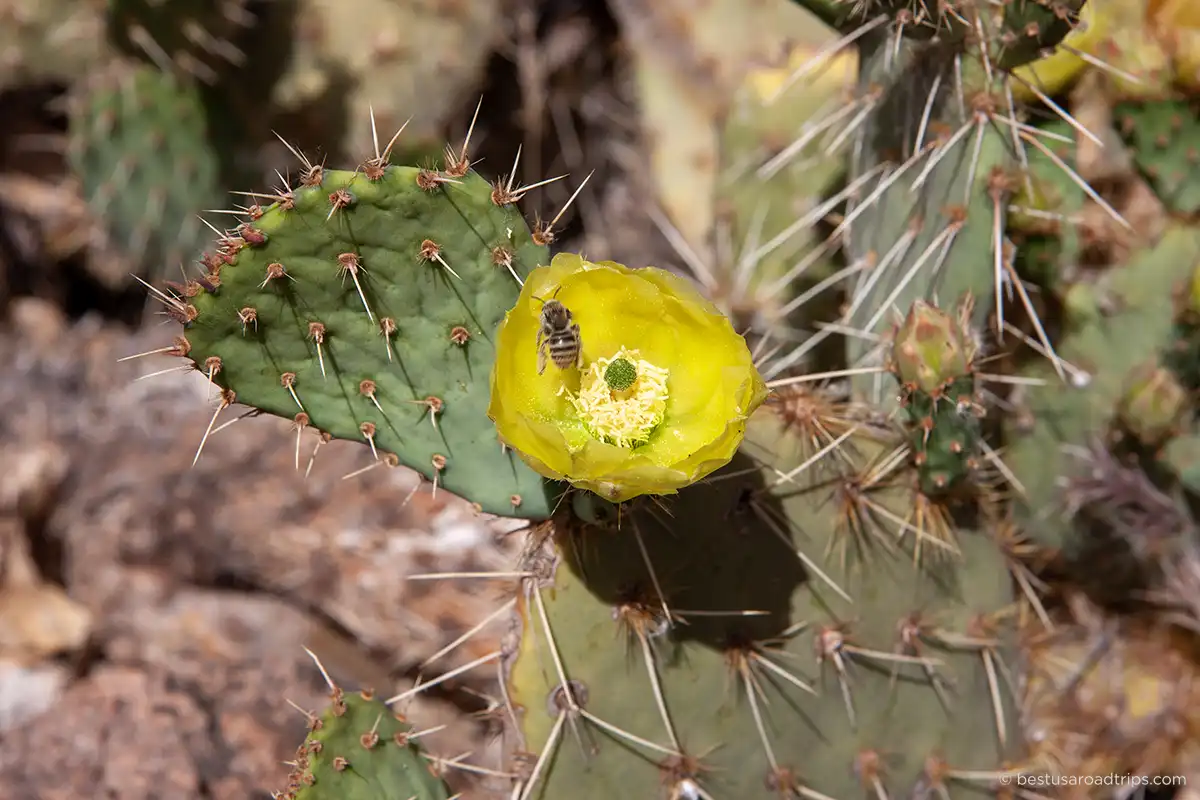
Arizona is a year-round destination, but the best time to visit depends on where you go and what you plan to do. Temperatures and conditions vary a lot across the state.
Spring (March to May)
Spring is one of the best times to visit Arizona. Temperatures are comfortable, and it’s ideal for hiking and road trips.
- Northern Arizona: cool to mild
- Southern Arizona: warm but not extreme
- Desert areas: pleasant conditions for outdoor activities
This is a great time to visit places like the Grand Canyon, Page, and Monument Valley without the intense summer heat.
Fall (September to November)
Fall is another excellent season, similar to spring.
- Temperatures start to drop after summer
- Fewer crowds in many areas
- Good conditions for hiking and sightseeing
This is one of our favorite times to explore Arizona, especially for longer road trips.
Summer (June to August)
Summer can be challenging in many parts of Arizona.
- Desert areas (Phoenix, southern Arizona): extremely hot, often above 100°F
- Northern Arizona (Flagstaff, Grand Canyon): much cooler and more comfortable
If you travel in summer:
- start your day early
- avoid hiking during midday
- always carry plenty of water
Some areas, like Havasu Falls, can still be visited, but heat makes the hike more demanding.
Winter (December to February)
Winter is a good time for certain parts of Arizona.
- Southern Arizona: mild and pleasant
- Northern Arizona: colder, with possible snow
You can visit the Grand Canyon in winter, but conditions can change quickly, and some areas may be icy.
Winter is also a good time to avoid crowds and enjoy quieter landscapes.
Key Things to Consider
- Arizona is not the same everywhere — elevation changes everything
- Desert heat can be dangerous in summer
- Weather in northern regions can change quickly
- Always check conditions before hiking or driving
Choosing the right time to visit Arizona depends on your plans. For most travelers, spring and fall offer the best balance of weather, crowds, and overall experience.
Arizona also combines perfectly with California desert road trips, especially for travelers visiting places like Joshua Tree National Park, Death Valley, and the Mojave Desert.
Where to Stay in Arizona
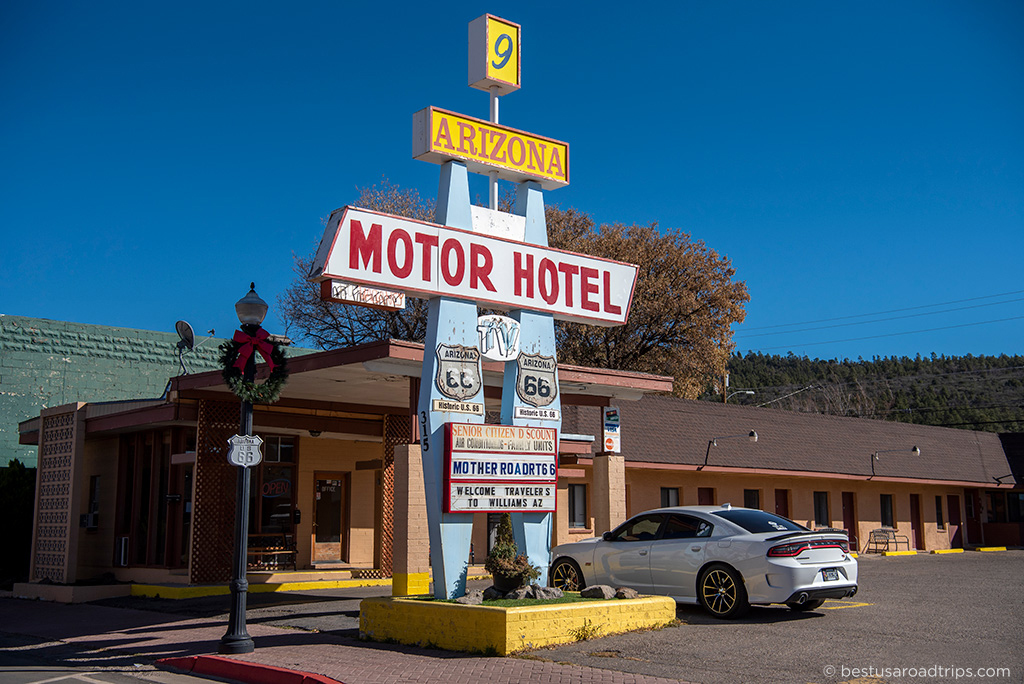
Where you stay in Arizona depends on your route and travel style. Distances are large, so choosing the right base can save you hours of driving. Based on our trips, it’s best to stay close to the places you want to explore.
Best Base Locations
Page (Northern Arizona)
Great base for:
- Antelope Canyon
- Horseshoe Bend
- The Wave
Page is one of the most convenient locations in Arizona. You’ll find many hotels, tours, and easy access to top attractions.
Grand Canyon Area
If you plan to visit the Grand Canyon, stay as close as possible.
Options:
- Inside the park (best location, limited availability)
- Tusayan (just outside the South Rim)
- Flagstaff (more options, but about 1.5 hours away)
Sedona / Flagstaff Area
Good base for:
- Red rock landscapes
- Scenic hikes
- Day trips to the Grand Canyon
Sedona offers unique scenery and a relaxed atmosphere, while Flagstaff is cooler and often more budget-friendly.
Monument Valley Area
To explore Monument Valley, stay nearby for sunrise or sunset.
Options:
- Hotels near the park entrance
- Lodges with direct views of the buttes
Staying overnight makes a big difference for photography and overall experience.
Phoenix / Scottsdale
Best for:
- Starting or ending your road trip
- Exploring southern Arizona
You’ll find the largest selection of hotels, restaurants, and rental options here.
Camping in Arizona
Arizona is a great state for camping. We used both campgrounds and more remote spots during our trips.
Options include:
- National park campgrounds
- State parks
- Desert camping (in allowed areas)
- Backcountry camping (with permits)
Camping is often the best way to experience remote places like Havasupai or less crowded desert areas.
Tips for Choosing Where to Stay
- Stay close to major attractions to avoid long drives
- Book early in popular areas (Grand Canyon, Page, Sedona)
- Consider elevation — higher areas are cooler
- Check road conditions in remote regions
Arizona offers a wide range of accommodation options, from basic campsites to comfortable hotels and unique lodges. Choosing the right location will make your trip smoother and more enjoyable.
Important Travel Tips for Arizona
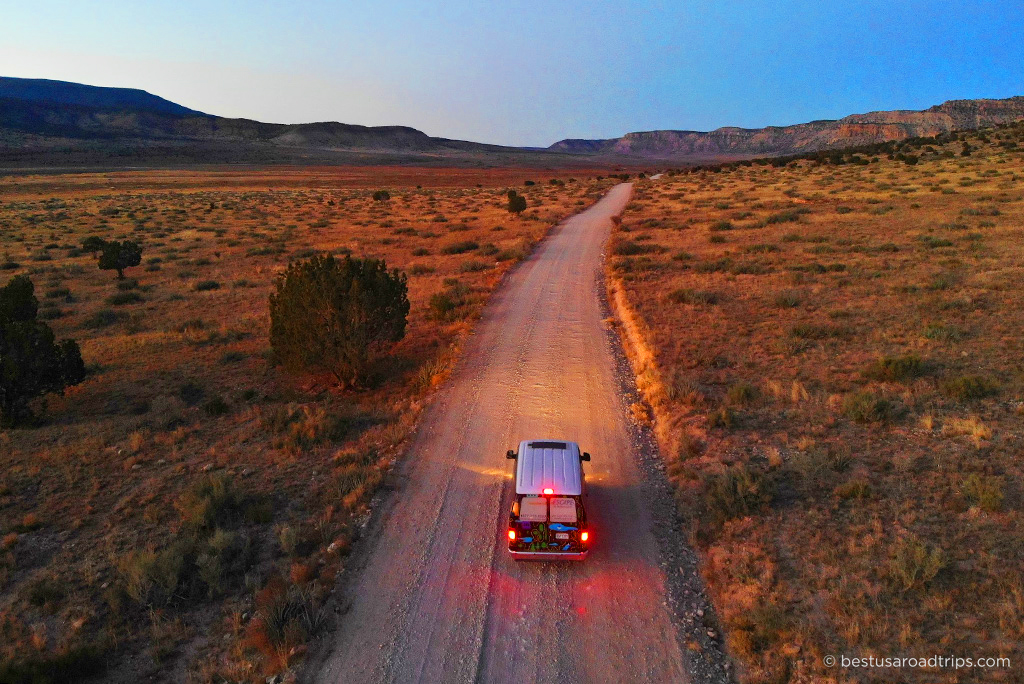
Arizona is easy to explore, but it also comes with challenges that many travelers underestimate. Good planning will make your trip much safer and more enjoyable.
Plan Permits in Advance
Some of the most popular places in Arizona require permits, and they can be very hard to get.
Examples:
- The Wave
- Havasupai and Havasu Falls
Permits often sell out months in advance or require entering a lottery. Always check official rules and book as early as possible.
Be Prepared for Extreme Heat
Heat is one of the biggest risks in Arizona, especially in summer.
- Temperatures in desert areas can exceed 100°F (38°C)
- Hiking in the middle of the day can be dangerous
- Dehydration happens quickly
Tips:
- start early in the morning
- carry more water than you think you need
- avoid long hikes during peak heat
Watch for Flash Floods
Flash floods are a serious danger, especially in slot canyons.
Places like Antelope Canyon can flood quickly, even if it’s not raining where you are. Always:
- check weather forecasts
- follow local warnings
- avoid narrow canyons during storms
Distances and Driving Times
Arizona looks smaller on the map than it feels in reality.
- Drives often take longer than expected
- Roads in remote areas may be unpaved
- Gas stations can be far apart
Plan your route carefully and always check fuel levels before heading into remote regions.
Book Popular Attractions Early
Some places get very busy, especially during peak seasons.
- Antelope Canyon tours often sell out
- Hotels near the Grand Canyon fill up quickly
- Havasupai permits are extremely competitive
Booking in advance will save you time and stress.
Respect Local Rules and Tribal Lands
Many areas in Arizona are located on Native American land.
For example:
- Monument Valley
- Antelope Canyon
Always:
- follow local rules
- respect restricted areas
- use authorized guides when required
Stay Safe in Remote Areas
Some of the best places in Arizona are also the most remote.
- Cell service is often unavailable
- Navigation can be challenging
- Weather can change quickly
Always:
- download offline maps
- tell someone your plans
- carry basic emergency supplies
Arizona is an incredible place to explore, but it rewards travelers who plan ahead. With the right preparation, you can avoid common mistakes and enjoy a safe and unforgettable trip.
Arizona Regions Explained
Arizona may look simple on the map, but it’s very diverse. Each region feels different in terms of landscape, weather, and travel experience. Understanding these regions will help you plan a better and more efficient trip.
Northern Arizona
Northern Arizona is the most popular part of the state. It’s home to many of the iconic landscapes you see in photos.
Highlights:
- Grand Canyon
- Page (Antelope Canyon, Horseshoe Bend)
- Monument Valley
- The Wave
This region sits at a higher elevation, so temperatures are cooler than in the desert areas. It’s the best area for first-time visitors and for classic Arizona road trips.
Central Arizona
Central Arizona includes areas like Phoenix, Scottsdale, and Sedona.
What to expect:
- red rock landscapes in Sedona
- desert scenery around Phoenix
- easy access and good infrastructure
This region works well as a starting or ending point for your trip. Sedona is also a popular stop between Phoenix and the Grand Canyon.
Southern Arizona
Southern Arizona has a completely different feel. This is where you find classic desert landscapes with saguaro cacti.
Highlights:
- desert parks and scenic drives
- areas around Tucson
- places like Picacho Peak State Park
This region is less crowded than Northern Arizona and can be a great addition if you want something quieter.
Western Arizona
Western Arizona is less visited but still interesting, especially for road trips.
What you’ll find:
- sections of historic Route 66
- small towns and desert landscapes
- areas along the Colorado River
This region is often combined with trips to Las Vegas or California.
Why This Matters for Your Trip
Each region offers something different:
- Northern Arizona → iconic landscapes and cooler weather
- Central Arizona → mix of desert and red rocks
- Southern Arizona → classic desert scenery
- Western Arizona → historic routes and quieter areas
If you plan your route around regions, you can avoid long drives and build a more logical itinerary.
Arizona is not just one destination. It’s a collection of very different regions, and understanding that will help you create a much better travel plan.
All Arizona Travel Guides
Below you’ll find all our Arizona articles, organized by destination and topic. This section will keep growing as we explore more places and add new guides.
Havasupai & Havasu Falls
- Havasupai Waterfalls Travel Guide
- Havasu Falls Packing List
- Havasu Falls Camping Guide
- Havasu Falls Step-by-Step Hike
- Havasupai Permits Guide
Page & Slot Canyons (Antelope Canyon & The Wave)
- Lower Antelope Canyon
- Upper Antelope Canyon
- Canyon X
- The Wave Hiking Guide
- The Wave Lottery & Permit Guide
- Coyote Buttes South Hike Guide: the Best Wave Alternative
- Horseshoe Bend Guide
Grand Canyon & Surrounding Area
- Grand Canyon Travel Guide
- Toroweap (Tuweep) Overlook Guide
Monument Valley & Navajo Nation
Scenic Drives & Road Trips
Other Destinations & Hidden Gems
We update this list regularly as we publish new Arizona content. If you’re planning your trip, this is the best place to find all our detailed guides in one spot.
What to Pack for an Arizona Road Trip?
Arizona road trips often include extreme desert heat, strong sun exposure, and long driving distances between services. Even during spring and fall, temperatures in places like Phoenix or the Page area can become very hot during the day.
We highly recommend packing:
- lightweight breathable clothing
- sun hat and sunglasses
- strong sunscreen
- plenty of reusable water bottles
- hiking shoes with good grip for rocky trails
If you plan to visit higher elevations like Flagstaff or the Grand Canyon, remember that temperatures can be much colder than in the desert, especially at night. See our complete Arizona packing list.
Plan Your Arizona Road Trip
Arizona is one of those places where every trip can look completely different. You can focus on iconic highlights like the Grand Canyon and Monument Valley, or go deeper and explore remote areas like The Wave or Havasupai.
The key to a great trip is planning a route that makes sense. Distances, weather, and permits all play a big role in your experience. Some places are easy to visit, while others require months of preparation.
If you’re just starting, focus on one region and build your itinerary around it. Northern Arizona is the best choice for a first trip, while longer road trips can include multiple regions and even combine Arizona with Utah.
Use this guide as your starting point, then explore our detailed articles to plan each stop step by step. With the right preparation, Arizona can easily become one of the most memorable road trips in the USA.
If you have questions while planning your Arizona road trip, feel free to reach out: bestusaroadtrips@gmail.com. We’re happy to help based on our own experience exploring the Southwest.
Looking for more USA road trip ideas? Browse all our USA travel guides by state.
You can also follow our Facebook page, where we share daily tips, travel ideas, and updates from our road trips across the USA.