
New Mexico Travel Guide: Best Places, Road Trips, Itineraries, Hidden Gems & Travel Tips
New Mexico is one of the most underrated states in the USA for a road trip. It offers a mix of surreal desert landscapes, ancient cultural sites, and wide open spaces that feel completely different from nearby states like Arizona or Utah.
The state is home to two national parks—White Sands National Park and Carlsbad Caverns National Park—along with several national monuments and vast areas of public land. What makes New Mexico unique is the variety of landscapes you can explore beyond the well-known parks. You’ll find white gypsum dunes, underground cave systems, badlands filled with hoodoos, and remote desert formations that look almost unreal.
At the same time, New Mexico has a strong cultural identity shaped by Native American and Spanish influences. Places like Taos Pueblo and historic towns across the state add a completely different dimension to a road trip.
Because many of these destinations are spread across large distances and often located in remote areas, planning a trip to New Mexico requires a different approach than visiting more developed states. Roads can be long and empty, access can be limited, and some locations require careful preparation.
This guide breaks New Mexico down into key regions, highlights the best places to visit, and helps you build a realistic road trip based on your time and travel style.

Our Experience Exploring New Mexico
We explored New Mexico during several road trips across the Southwest, and it quickly became one of the most surprising states we visited. It doesn’t feel as busy or as polished as places like Utah or Arizona, but that’s exactly what makes it special.
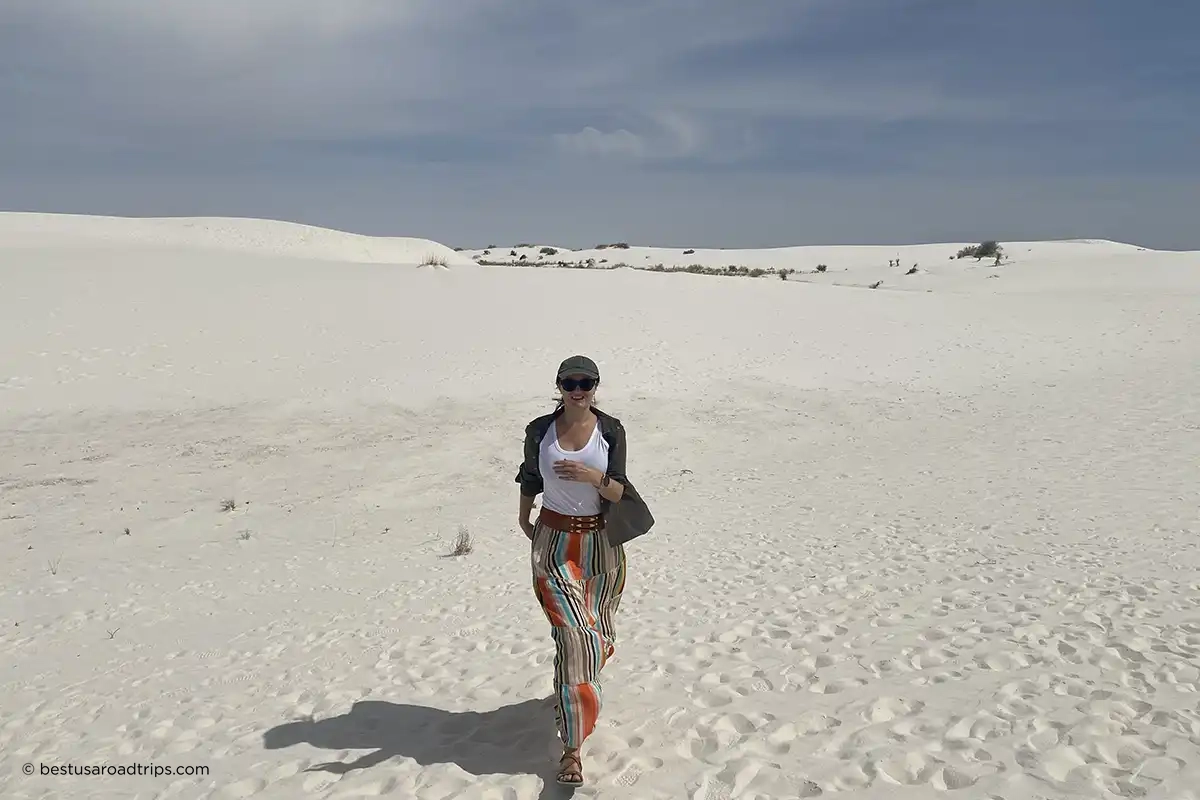
What stood out to us the most was the variety of landscapes. In one trip, we walked across the white dunes of White Sands National Park, explored underground chambers in Carlsbad Caverns National Park, and hiked through remote badlands that felt almost like another planet.
Some of our favorite experiences came from places that many travelers skip. Areas like Ah-Shi-Sle-Pah and Bisti Badlands offered some of the most unique landscapes we’ve seen in the USA. These locations require more planning and navigation, but they are much less crowded and feel far more remote than most national parks.

We also spent time exploring cultural and historic sites. Visiting places like Taos Pueblo and walking through smaller towns across the state gave us a better understanding of New Mexico’s history and identity. It’s a different experience compared to more nature-focused destinations.
We explored New Mexico in different ways—during longer road trips, shorter stops between states, and visits focused on specific regions. Some trips were centered around hiking and photography, while others included scenic drives and cultural stops.
Everything in this guide is based on our own experience. We focus on what is truly worth your time, how to combine remote landscapes with cultural sites, and what to expect when traveling through one of the most underrated states in the Southwest.
Best Places to Visit in New Mexico

New Mexico is not a typical “checklist” destination. The best places are spread across the state, and many of them are far from each other. What makes it special is the mix of surreal landscapes, national parks, and cultural sites that you can combine into one road trip.
Below are the places we found truly worth your time, grouped in a way that helps you plan a realistic route.
Surreal Landscapes & Badlands (New Mexico’s Hidden Strength)
This is where New Mexico stands out the most. Some of the most unique landThis is where New Mexico stands out the most. Some of the most unique landscapes in the USA are located in remote areas that many travelers never reach.
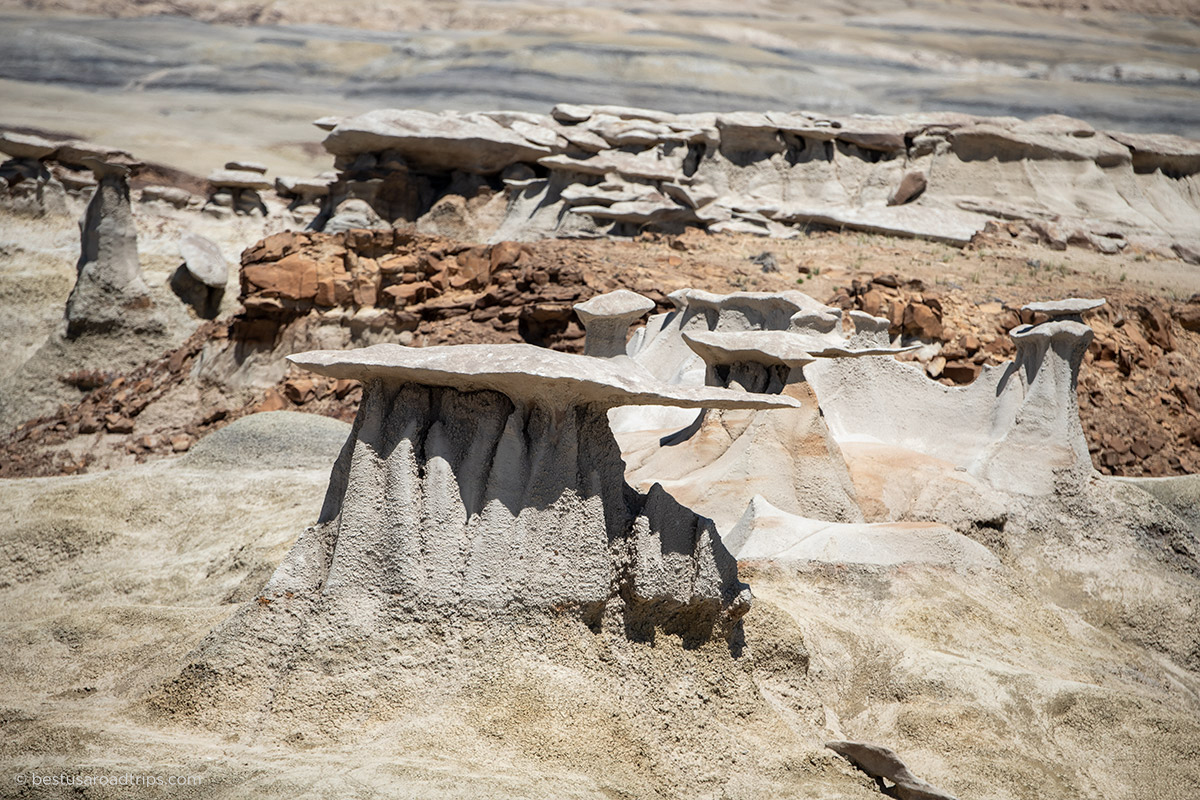
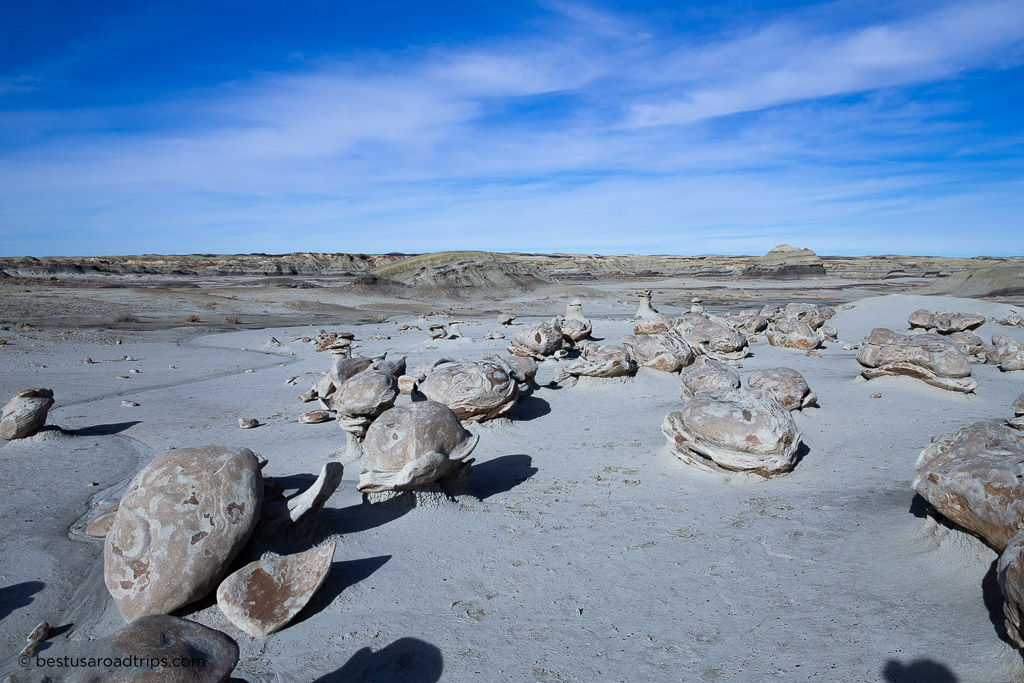
Places like Bisti Badlands and Ah-Shi-Sle-Pah Wilderness offer formations that look almost unreal, especially at sunrise and sunset. Valley of Dreams, King of Wings, and Alien Throne are even more remote, but they reward you with landscapes you won’t see anywhere else in the country.
These areas are not easy to access. Roads are often unpaved, and navigation is required. But the lack of crowds and the scale of the terrain make them some of the most memorable places we’ve visited in the Southwest.
New Mexico Badlands Guides:
- Bisti/De-Na-Zin Wilderness Guide: How to Hike the Bisti Badlands in New Mexico
- Ah-Shi-Sle-Pah Wilderness Study Area Guide
- King of Wings in New Mexico Guide
- Alien Throne and Valley of Dreams in New Mexico Guide
National Parks & Monuments
New Mexico has fewer national parks than states like Utah or California, but the ones here are completely different from each other.
- White Sands National Park feels unlike anything else in the USA, with endless white gypsum dunes that resemble snow.
- Carlsbad Caverns National Park takes you underground into one of the most impressive cave systems in North America.
- Bandelier National Monument combines canyon landscapes with ancient cliff dwellings.
- Chaco Culture National Historical Park is one of the most remote and historically significant sites in the region.
Each of these places offers a completely different type of experience, which makes it easy to build a varied itinerary.
New Mexico National Parks Guides:
- How to Plan a Trip to White Sands National Park?
- 15 Best Things to Do in White Sands National Park
- 10 Best Things To Do in Carlsbad Caverns National Park
- Bandelier National Monument Guide: Things to Do, Hikes, and Travel Tips

Cities, Culture & Historic Sites
New Mexico has a strong cultural identity that sets it apart from other states in the Southwest.
Santa Fe, Albuquerque, and Taos each feel different, but they all reflect a mix of Native American and Spanish influences. Smaller towns and historic areas add another layer to the experience, especially if you take time to explore beyond the main streets.
One of the most unique places to visit is Taos Pueblo, one of the oldest continuously inhabited communities in the USA. Visiting it gives a completely different perspective compared to national parks or scenic landscapes.
New Mexico Cities & Culture Guides:
- 3 Days in Santa Fe Itinerary: Best Sights, Museums, and Activities for First-Timers
- Taos Pueblo Guide: How to Visit, Tour Tips, and What to Expect
- 22 Best Things to Do in Farmington, New Mexico
Unique Natural Landmarks
Beyond the main parks and badlands, New Mexico has many smaller but very unique locations.
Examples include:
- Shiprock – a striking volcanic formation rising from the desert
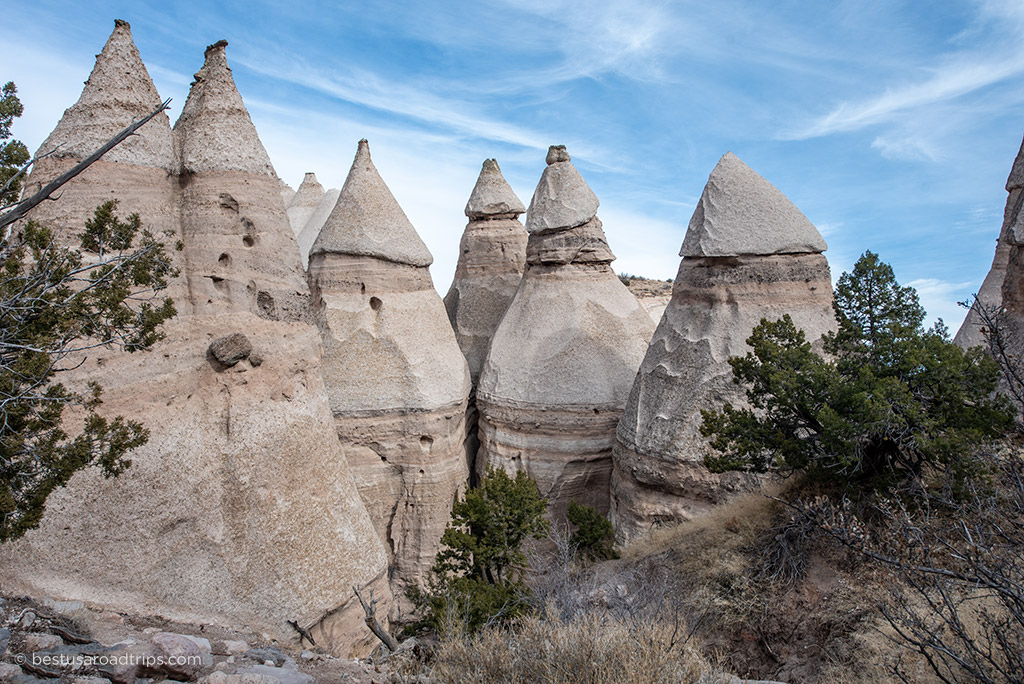
- Kasha-Katuwe Tent Rocks National Monument – unusual cone-shaped formations
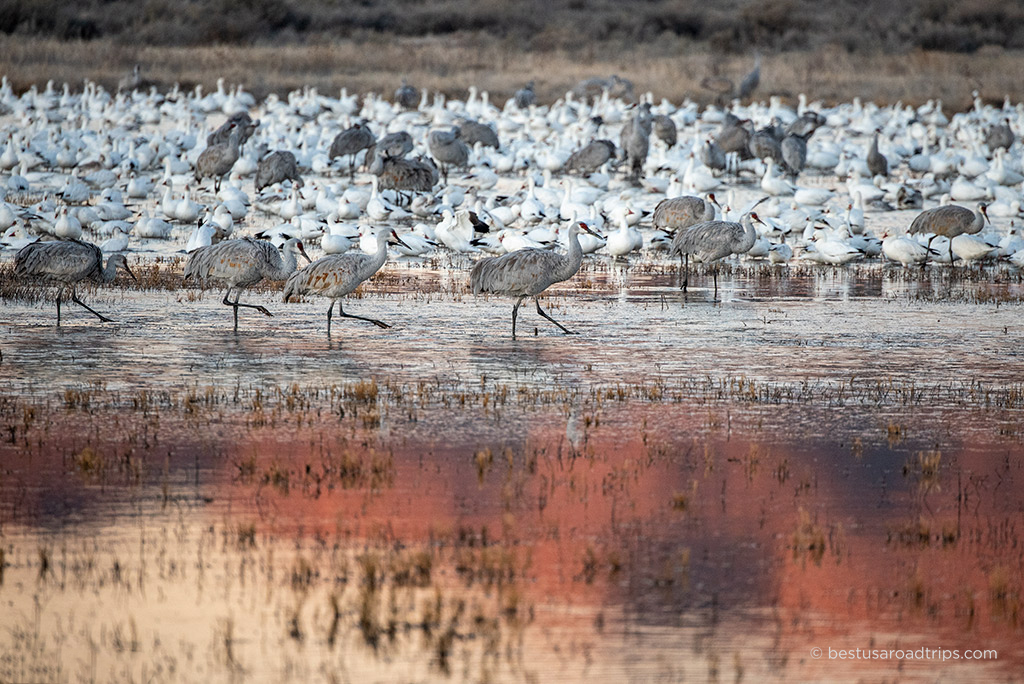
- Bosque del Apache – one of the best wildlife viewing areas in the state
These places are often quick stops but can easily become highlights of your trip.
New Mexico Natural Landmarks Guides:
- Bosque del Apache Festival of the Cranes
- Visiting Shiprock in New Mexico
- Kasha-Katuwe Tent Rocks National Monument Guide
Why This Matters for Your Trip
New Mexico is not about visiting one main attraction. The best experience comes from combining different types of places:
- remote landscapes
- national parks
- cultural and historic sites
- smaller unique stops
That combination is what makes New Mexico one of the most interesting and underrated states for a road trip.
Best Things to Do in New Mexico
New Mexico is not about one signature activity. What makes it unique is the range of experiences you can combine in one trip. From our travels, the best things to do here are tied directly to the landscape and the culture. Many of them feel very different from anything you’ll find in nearby states.
Walk Across the White Gypsum Dunes
One of the most unique experiences in the USA is walking across the dunes in White Sands National Park.
The sand is made of gypsum, which stays cool even in the heat. The landscape changes constantly depending on light and wind, so it never looks the same twice. Sunset is one of the best times to be here.
Explore Remote Badlands and Alien-Like Landscapes
Hiking through areas like Bisti Badlands or Ah-Shi-Sle-Pah is one of the most unusual things you can do in New Mexico.
You’ll find:
- hoodoos and eroded rock formations
- cracked desert surfaces
- formations like King of Wings and Alien Throne
These areas are not marked like national parks. Navigation is part of the experience, which makes them feel more remote and untouched.
Go Underground in Massive Cave Systems
Carlsbad Caverns National Park offers a completely different type of experience.
Walking down into the caverns and seeing the scale of the chambers is something you don’t expect. The Big Room is one of the largest cave chambers in North America.
This is one of the most impressive underground experiences in the USA.
Visit Ancient Cliff Dwellings and Cultural Sites
New Mexico is not only about landscapes. It’s also one of the best states to experience Native American history.
At Bandelier National Monument, you can climb ladders into cliff dwellings carved into the rock.
Taos Pueblo offers a completely different experience, as it is still inhabited today.
These places add depth to your trip beyond scenery.
Photograph Unique Rock Formations and Desert Landscapes
New Mexico is one of the best states for landscape photography.
You can capture:
- sunrise in Bisti or Ah-Shi-Sle-Pah
- sunset at White Sands
- dramatic formations like Shiprock
Light plays a huge role here. Early morning and late afternoon completely change the look of the terrain.
Drive Scenic and Remote Roads
Driving in New Mexico is part of the experience.
You’ll often:
- drive long distances without traffic
- pass through completely empty landscapes
- stop at viewpoints that are not marked
Routes through northern New Mexico or desert areas feel very different from typical road trips in the USA.
Explore Art, Architecture, and Local Culture
Cities like Santa Fe and Taos offer something you won’t find in other states.
You’ll see:
- adobe-style architecture
- art galleries and markets
- a mix of Native American and Spanish influences
These places are best explored slowly, on foot, without rushing between attractions.
Visit Lesser-Known but Unique Natural Areas
Beyond the main parks, New Mexico has many smaller but interesting locations.
Examples include:
- Kasha-Katuwe Tent Rocks National Monument
- desert viewpoints and formations across the state
These stops don’t take much time but add variety to your route.
Visit Roswell and Explore UFO Culture
Roswell is one of the most unusual stops you can add to a New Mexico road trip.
The town is known for the 1947 UFO incident and has built its identity around alien-themed attractions. You’ll find the International UFO Museum, themed shops, murals, and roadside stops that make this place completely different from anywhere else in the state.
Even if you’re not interested in UFO history, Roswell is a fun and easy stop that adds something unexpected to your trip.
Combine Landscapes and Culture in One Trip
What makes New Mexico different is how these experiences come together.
You can:
- explore badlands in the morning
- visit cultural sites in the afternoon
- end the day in a completely different landscape
That mix is what makes New Mexico one of the most interesting road trip destinations in the Southwest.
Experience Hot Air Ballooning
New Mexico is one of the best places in the world for hot air ballooning, especially around Albuquerque.
Flying over the desert at sunrise gives you a completely different perspective of the landscape. If you visit in October, the Albuquerque International Balloon Fiesta is one of the most famous events of its kind.
Go Stargazing in Dark Sky Areas
New Mexico is known for its dark skies, especially in remote desert regions.
Places like Bisti Badlands, Chaco Culture, and areas far from cities offer incredible stargazing conditions. On clear nights, you can see the Milky Way without any special equipment.
Try Sand Sledding at White Sands
At White Sands National Park, you can do more than just walk.
Sand sledding is one of the most popular activities here. You can rent or bring a sled and slide down the dunes. It’s simple but surprisingly fun, and it adds a different experience to your visit.
Drive Scenic Routes Like the High Road to Taos
Some of the best experiences in New Mexico happen on the road.
The High Road to Taos is one of the most scenic drives in the state. It connects small villages, mountain views, and historic sites. It’s very different from desert driving and adds variety to your trip.
Visit Bosque del Apache for Wildlife
Bosque del Apache National Wildlife Refuge is one of the best places in the USA to see migratory birds.
During fall and winter, thousands of sandhill cranes and snow geese gather here. It’s especially popular with photographers and wildlife lovers.
New Mexico Road Trip Ideas

New Mexico is not a state where you follow one obvious route. The best road trips here are built around regions, not long loops. Distances are large, roads can be remote, and combining everything into one trip is not realistic unless you have a lot of time.
From our experience, the best approach is to focus on one or two regions and build your itinerary around them.
5–7 Day New Mexico Road Trip (North or South Focus)
If you have less than a week, it’s best to choose either northern or southern New Mexico.
Northern New Mexico route:
- Santa Fe
- Taos
- Bandelier National Monument
- High Road to Taos
- nearby scenic stops and small towns
This route mixes culture, mountains, and history.
Southern New Mexico route:
- White Sands National Park
- Carlsbad Caverns National Park
- Roswell
This route focuses more on landscapes and unique attractions.
7–10 Day New Mexico Road Trip (Best Mix)
With more time, you can combine both regions into one trip.
Example route:
- Albuquerque (start)
- Santa Fe
- Taos
- Bandelier
- drive south toward White Sands
- continue to Carlsbad Caverns
- optional stop in Roswell
This gives you a mix of:
- culture
- national parks
- unique landscapes
Landscape-Focused Road Trip
If your main goal is landscapes and photography, focus on the northwestern part of the state.
Route idea:
- Farmington area
- Bisti Badlands
- Ah-Shi-Sle-Pah
- Valley of Dreams
- Shiprock
This is one of the most unique road trips you can do in the Southwest, but it requires:
- good planning
- navigation skills
- a flexible schedule
Combine New Mexico with Other States
New Mexico works very well as part of a larger Southwest road trip.
You can combine it with:
- Arizona (Page, Monument Valley, Grand Canyon)
- Utah (Mighty 5 national parks)
- Colorado (San Juan Mountains)
This allows you to experience different landscapes in one longer itinerary.
Key Planning Tips for Routes
From our experience:
- don’t underestimate distances
- plan fuel stops in remote areas
- avoid driving too much in one day
- leave space for unexpected stops
New Mexico offers multiple road trip options, but the best ones are focused and realistic. Choosing the right region and pace will make your trip much more enjoyable.
New Mexico Regions Explained
New Mexico is not one uniform destination. The state is large, and each region feels very different in landscape, climate, and travel style. Understanding these regions helps you build a realistic route and avoid unnecessary driving.
Northern New Mexico (Mountains & Culture)
This is the most diverse and culturally rich part of the state.
Key areas:
- Santa Fe
- Taos
- Bandelier National Monument
What to expect:
- higher elevation (6,000–8,000 ft)
- cooler temperatures
- mix of mountains, forests, and historic sites
Best for:
- culture + outdoor combination
- scenic drives like the High Road to Taos
- slower, more relaxed travel
Central New Mexico (Hub & Transit Region)
This region is mostly used as a base rather than a destination.
Key area:
- Albuquerque
What to expect:
- largest airport in the state
- good road connections
- more services and accommodation options
Best for:
- starting or ending your trip
- short stops between regions
Southern New Mexico (Desert Landscapes)
This region offers some of the most iconic desert experiences.
Key areas:
- White Sands National Park
- Carlsbad Caverns National Park
- Roswell
What to expect:
- hot temperatures, especially in summer
- wide open landscapes
- longer driving distances
Best for:
- unique natural formations
- short but intense experiences
- winter travel
Northwest New Mexico (Badlands & Remote Areas)
This is the most remote and least developed region.
Key areas:
- Bisti Badlands
- Ah-Shi-Sle-Pah Wilderness
- Valley of Dreams
- Shiprock
What to expect:
- no marked trails
- limited services
- unpaved roads
Best for:
- photography
- off-the-beaten-path exploration
- travelers comfortable with navigation
Each region requires a different approach:
- Northern NM → culture + mountains
- Southern NM → desert + unique landscapes
- Northwest NM → remote exploration
- Central NM → logistics and connections
Trying to combine everything too quickly will lead to long drives and a rushed trip. Focusing on one or two regions at a time makes your itinerary much more enjoyable.
Best Time to Visit New Mexico

New Mexico’s timing is not just about seasons. It’s about elevation and region. You can have 95°F in the south and 65°F in the north on the same day. If you don’t understand this, your trip can go wrong fast.
Spring (March–May) — Best Overall for Road Trips
- White Sands / southern NM: ~70–90°F daytime
- Santa Fe / Taos: ~50–75°F daytime
- Nights: can drop to 30–40°F in higher elevations
Why it works:
- comfortable for hiking
- desert still manageable
- no extreme heat
Best for:
- White Sands National Park
- badlands (Bisti, Ah-Shi-Sle-Pah)
- full road trips across regions
Summer (June–August) — Good North, Brutal South
- Southern NM (White Sands): 95–105°F
- Carlsbad area: often 100°F+
- Santa Fe / Taos: ~75–85°F
- Monsoon storms: July–August (afternoon thunderstorms)
Reality:
- desert hiking becomes dangerous
- midday exploring = not realistic
- storms can affect remote dirt roads
Best for:
- northern NM (Taos, Santa Fe)
- caves like Carlsbad Caverns National Park (cool underground)
Avoid:
- long hikes in badlands or open desert
Fall (September–November) — Best Balanced Season
- Southern NM: ~70–85°F
- Northern NM: ~55–75°F
- Cool nights: 30–50°F
Why it’s one of the best:
- stable weather
- fewer crowds
- excellent visibility for photography
Best for:
- badlands landscapes
- long road trips
- combining north + south
Winter (December–February) — Underrated but Limited
- Southern NM: ~50–65°F
- Northern NM: ~30–50°F
- Mountains: snow, possible road closures
Reality:
- desert becomes very comfortable
- high elevation areas can be cold or inaccessible
Best for:
- White Sands National Park
- wildlife at Bosque del Apache
- fewer crowds everywhere
Limitations:
- snow in Taos / Santa Fe mountains
- shorter daylight
What Actually Matters (This Is Key)
From our experience, these matter more than “season”:
- Elevation difference → huge temperature swings
- Desert exposure → heat risk in summer
- Remote roads → affected by rain (mud = impassable)
- Daylight → critical for photography and long drives
Best Time Summary
- Best overall: April–May and September–October
- Best for landscapes & photography: Fall
- Best for avoiding heat: Spring or Fall
- Best for fewer crowds: Winter (with limitations)
Where to Stay in New Mexico

Where you stay in New Mexico is not about luxury or hotel choice. It’s about location and driving distance. Many top places are remote, and a bad base can easily add 2–3 extra hours of driving per day.
Best Base Locations (by Region)
Santa Fe / Santa Fe
Best base for northern New Mexico.
- close to Taos, Bandelier, and scenic drives
- strong hotel and food options
- easy to spend 2–3 nights here
Taos / Taos
Smaller and more scenic than Santa Fe.
- closer to mountains and outdoor areas
- quieter, more relaxed
- good for 1–2 nights
Albuquerque / Albuquerque
Best logistical hub.
- major airport
- wide range of hotels
- good starting or ending point
White Sands Area (Alamogordo)
Best access to White Sands National Park.
- stay in Alamogordo or nearby
- ideal for sunrise or sunset visits
- 1 night is usually enough
Carlsbad Area
Best for Carlsbad Caverns National Park.
- stay in Carlsbad town
- easy access to caverns
- also works with a stop in Roswell
Farmington / Northwest New Mexico
Best base for remote landscapes.
- closest town to Bisti, Ah-Shi-Sle-Pah, Valley of Dreams
- limited options, but practical
- essential for badlands exploration
Quick Tips
- book early in Santa Fe and Taos (limited supply)
- expect basic hotels in remote areas
- always check distance to your main destination
- don’t rely on “it looks close” — distances are misleading
Camping & BLM Land (Important for Planning)
Camping is one of the best ways to explore New Mexico, especially in remote areas.
- BLM land camping is widely allowed in many parts of the state
- often free or very low cost
- no facilities → you must be fully self-sufficient: no water, toilets, or services
- limited or no cell signal
- rough access roads (often high-clearance recommended)
This is especially useful in areas like:
- Bisti / Ah-Shi-Sle-Pah
- remote desert regions
- less developed parts of northern New Mexico
Campgrounds
If you prefer more comfort, you can use:
- national park campgrounds
- state parks
- private RV parks near towns
These offer basic facilities and easier access.
Key Tips
- always check road conditions before driving to remote areas
- never rely on GPS alone in badlands regions
- bring enough water (this is critical)
- follow Leave No Trace principles
Important Travel Tips for New Mexico

New Mexico looks easy on the map, but travel here is different from most states. Distances are long, services are limited, and many of the best places are remote. These are the things that actually matter when planning your trip.
Don’t Underestimate Distances
Driving takes longer than expected.
- roads are often two-lane
- speed changes through small towns
- very few services between stops
Example:
White Sands → Carlsbad = ~3.5 hours
Santa Fe → Bisti area = ~3–4 hours
Plan fewer stops and allow extra time.
Fuel Up Whenever You Can
Gas stations are not frequent in remote areas.
- always refill when you have the chance
- don’t rely on “next town”
- keep your tank at least half full
This is especially important in northwest New Mexico and desert regions.
Prepare for Remote Areas
Some of the best places, like badlands or desert formations, are far from everything.
- no cell signal
- no marked trails
- no facilities
Download offline maps and don’t rely only on GPS.
Check Road Conditions (Very Important)
Many access roads are unpaved.
- dirt roads can become impassable after rain
- mud in badlands areas = no access
- some roads require high clearance
Always check conditions before driving.
Bring More Water Than You Think
This is one of the most important rules.
- desert climate = fast dehydration
- no water sources in remote areas
- summer heat increases risk
Carry extra water even for short hikes.
Start Early in Hot Months
In summer, heat can become dangerous.
- temperatures can exceed 100°F in the south
- no shade in many locations
- hiking midday is not safe
Early morning and sunset are the best times to explore.
Respect Tribal Lands and Restrictions
New Mexico has many Native American lands and protected sites.
- some areas require permits
- some places are closed to visitors
- photography may be restricted
Always follow local rules and posted signs.
Expect Limited Services in Some Areas
Outside major towns, services are basic.
- limited restaurants
- few accommodations
- long distances between towns
Plan ahead, especially for food and lodging.
Navigation Is Part of the Experience
In places like Bisti or Ah-Shi-Sle-Pah:
- trails are not marked
- landmarks look similar
- it’s easy to lose direction
Use GPS tracks, maps, or guides if needed.
New Mexico rewards good preparation. If you plan ahead and respect the conditions, you’ll have access to places that feel far more remote and unique than in most other states.
All New Mexico Travel Guides

Below you’ll find all our New Mexico articles organized by destination and topic. Use this section as a quick way to jump into detailed guides for planning your trip.
Bisti Badlands, Ah-Shi-Sle-Pah & Remote Landscapes
- Bisti/De-Na-Zin Wilderness Guide: How to Hike the Bisti Badlands
- Ah-Shi-Sle-Pah Wilderness Study Area Guide
- Valley of Dreams Guide
- King of Wings Guide
White Sands & Southern New Mexico
- White Sands National Park Travel Guide
- Best Things To Do in White Sands
- White Sands Itinerary
- White Sands Photography Tips
- Best Time To Visit White Sands
Carlsbad Caverns & Southeast
- Carlsbad Caverns National Park Travel Guide
- Best Things to Do in Carlsbad Caverns
- Carlsbad Caverns Itinerary
Northern New Mexico & Culture
- Santa Fe Itinerary
- Taos Pueblo Travel Guide
- Best Things to Do in Taos
- Bandelier National Monument Guide
- Best Things to Do in Farmington
Unique Landmarks & Stops
- Shiprock Guide
- Kasha-Katuwe Tent Rocks National Monument
- Roswell Itinerary
- Bosque del Apache Festival of the Cranes
Road Trips & Planning
- New Mexico Road Trip Itinerary
- New Mexico Travel Tips
- New Mexico Packing List
This section brings all our New Mexico content together in one place. It will continue to grow as we publish more guides, covering additional destinations, routes, and detailed travel tips across the state.
What to Pack for a New Mexico Road Trip?
New Mexico has a high desert climate, which means temperatures often change dramatically between day and night.
Important things to pack include:
- layers for cool mornings and evenings
- sun protection
- comfortable hiking shoes
- wind-resistant jacket
- reusable water bottles
Even when daytime temperatures feel warm, nights can become surprisingly cold, especially in northern New Mexico and higher elevation regions around Santa Fe or mountain areas.
The dry air and strong sun at elevation can also cause dehydration faster than many travelers expect. See our complete New Mexico packing list.
Plan Your New Mexico Road Trip
New Mexico is not a place where you try to see everything in one trip. The best experiences are spread across the state, and many of them require time, planning, and flexibility. From our experience, the key is to focus on a few regions and build your route around them.
Start by choosing your main priority:
- landscapes and remote areas
- national parks and monuments
- culture and historic towns
Then connect places that are close to each other instead of jumping across the state. This will save you hours of driving and give you more time to explore.
A simple and effective approach:
- pick 2–3 base locations
- limit long driving days
- plan fuel and stops in advance
- leave space for unexpected detours
New Mexico rewards travelers who slow down. Some of the best moments happen on empty roads, at sunrise in remote landscapes, or in places you didn’t originally plan to visit.
Use this guide as your starting point, then dive into detailed articles for each destination to build your route step by step.
If you have questions while planning your trip, feel free to reach out. You can also follow our Facebook page where we share daily travel tips, new guides, and updates from our road trips across the USA.
New Mexico may not be as famous as other Southwest states, but that’s exactly what makes it special. With the right plan, it can easily become one of the most memorable road trips in the USA.
Looking for more USA road trip ideas? Browse all our USA travel guides by state.
If you have questions while planning your New Mexico road trip, feel free to reach out: bestusaroadtrips@gmail.com. We’re happy to help based on our own experience exploring the Southwest.
You can also follow our Facebook page, where we share daily tips, travel ideas, and updates from our road trips across the USA.