
California Travel Guide: Best Places, Road Trips, Itineraries, Hidden Gems & Travel Tips
California is one of the most diverse states in the USA. It stretches for nearly 800 miles from north to south and includes rugged coastline, high mountain ranges, giant forests, and some of the most extreme desert landscapes in North America.
It’s also the only state with nine national parks—more than any other in the country. Within one trip, you can visit iconic places like Yosemite National Park, drive along the Pacific Coast Highway, explore the lowest point in North America in Death Valley National Park, and walk among the tallest trees on Earth in Redwood National and State Parks.
Because of its size and variety, planning a trip to California can be challenging. Distances are long, regions are very different, and it’s easy to underestimate how much time you need between destinations.
This guide is designed to help you plan a trip through California step by step. We share the places that are truly worth your time, how to connect them into a logical route, and what to expect when traveling between very different regions of the state.

Our Experience Exploring California
Chris and I have explored California many times over the years, and it’s one of the few states we keep coming back to. What makes it different is the variety. In one trip, you can move from the ocean to the mountains, then into the desert, and every place feels like a completely new destination.
One of the highlights of our travels in California is that we visited all nine national parks in the state—and some of them more than once. From the granite cliffs and waterfalls of Yosemite National Park to the extreme desert landscapes of Death Valley National Park, each park offers something very different. We also explored less-visited places like Lassen Volcanic National Park and Channel Islands National Park, which require more planning but feel much quieter and more remote.
We spent weeks traveling across the state in different ways. Some trips were classic road trips with long scenic drives along the coast and through the mountains. Other times, we focused on desert regions like Joshua Tree National Park, combining hikes, small towns, and unique stops along historic routes.
California is not only about the national parks. We also explored places like San Francisco, coastal areas like Point Reyes, and desert towns along Route 66. Visiting ghost towns, stopping at places like Bagdad Cafe, and driving through remote landscapes like Mono Lake added a completely different dimension to our trips.
Everything in this guide is based on our own experience from multiple visits. We focus on what is truly worth your time, how to combine very different regions into one trip, and what to expect when traveling across such a large and diverse state.
Best Places to Visit in California

California is one of the most diverse travel destinations in the USA. What makes it unique is how many completely different landscapes you can experience in one trip. You can combine national parks, coastal drives, major cities, and desert regions into one well-planned route.
California National Parks (All 9 Parks)
California is the only state in the USA with nine national parks, and we made it a goal to visit every single one of them. What surprised us the most is how different each park feels. You can stand in a granite valley in the morning, walk among giant trees in the afternoon, and end the day in the desert or by the ocean.
Yosemite National Park
Yosemite National Park was one of the first parks we explored in California, and it completely lived up to the expectations. The scale of the valley, the waterfalls, and the granite cliffs are hard to describe until you see them in person.
We spent time both at the main viewpoints and on the trails, and the experience changes a lot depending on how much you explore beyond the most popular spots.
Yosemite National Park Guides:
- How to Plan a Trip to Yosemite National Park
- Best Things to Do in Yosemite National Park
- Yosemite Itinerary
Sequoia National Park
Sequoia National Park is one of those places that feels completely different from anywhere else. Walking among giant sequoias is something you don’t really experience anywhere else in the USA.
The size of these trees is difficult to understand until you stand next to them. This park is less about long drives and more about slowing down and spending time in the forest.
Sequoia National Park Guides:
- How to Plan a Trip to Sequoia National Park
- Best Things to Do in Sequoia National Park
- Sequoia National Park Itinerary
Kings Canyon National Park
Kings Canyon National Park is often overlooked because it sits next to Sequoia, but it ended up being one of the most peaceful parks we visited.
It has a mix of giant trees, deep canyon views, and scenic drives, but with fewer crowds. If you have time, it’s definitely worth including it instead of focusing only on Sequoia.
Kings Canyon National Park Guides:
- How to Plan a Trip to Kings Canyon National Park
- Best Things to Do in Kings Canyon National Park
- Kings Canyon National Park Itinerary
Joshua Tree National Park
Joshua Tree National Park quickly became one of our favorite desert parks. The combination of rock formations and Joshua trees creates a landscape that feels almost unreal.
We visited multiple times, and every trip felt different depending on the light and time of day. Sunrise and sunset here are especially memorable.
Joshua Tree National Park Guides:
- How to Plan a Trip to Joshua Tree National Park
- Best Things to Do in Joshua Tree National Park
- Exploring Joshua Tree Town: Activities, Stays and Pioneertown
- Cholla Cactus Gardens in Joshua Tree National Park
- Joshua Tree National Park Itinerary
Death Valley National Park
Death Valley National Park is one of the most extreme places we’ve explored, but also one of the most fascinating.
The variety of landscapes surprised us the most. Salt flats, dunes, colorful hills, and vast empty spaces all exist within one park. It requires planning, especially because of the heat, but it’s absolutely worth it.
Death Valley National Park Guides:
- How to Plan a Trip to Death Valley National Park
- Best Things to Do in Death Valley National Park
- Death Valley National Park Itinerary
Lassen Volcanic National Park
Lassen Volcanic National Park felt completely different from the other parks in California. It’s quieter, less visited, and has a mix of volcanic landscapes, geothermal areas, and mountain scenery.
This is the kind of place you visit if you want something less crowded but still very unique.
Lassen Volcanic National Park Guides:
- How to Plan a Trip to Lassen Volcanic National Park
- Best Things to Do in Lassen Volcanic National Park
- Lassen Volcanic National Park Itinerary
Channel Islands National Park
Channel Islands National Park was one of the most unexpected experiences for us in California. It’s not a park you can just drive into. You need to plan transportation by boat or plane.
Once you get there, it feels remote and untouched. The wildlife, coastal views, and quiet atmosphere make it completely different from mainland parks.
Channel Islands National Park Guides:
- How to Plan a Trip to Channel Islands National Park
- Best Things to Do in Channel Islands National Park
- Channel Islands National Park Itinerary

Redwood National and State Parks
Redwood National and State Parks offer one of the most unique experiences in California. Walking among the tallest trees on Earth feels completely different from anything else in the state.
What surprised us is how diverse this area is. It’s not just forests—you also have coastline, rivers, and open landscapes.
Redwood National and State Parks Guides:
- How to Plan a Trip to Redwood National and State Parks
- Best Things to Do in Redwood National and State Parks
- Redwood National and State Parks Itinerary
Pinnacles National Park
Pinnacles National Park is often overlooked, but it deserves a spot on this list. It’s one of the less crowded national parks in California and offers a very different experience.
We especially enjoyed the hiking here. The rock formations and caves make it more interactive compared to parks where you mostly stop at viewpoints.
Pinnacles National Park Guides:
- How to Plan a Trip to Pinnacles National Park
- Best Things to Do in Pinnacles National Park
- Pinnacles National Park Itinerary
Visiting all nine national parks in California showed us how incredibly diverse this state is. Each park feels like a completely different destination, and that’s what makes California one of the best places in the USA for a road trip.
Pacific Coast & Highway 1
California’s coastline is one of the most scenic drives in the USA. Driving along Highway 1 feels completely different from exploring national parks. Instead of deserts or mountains, you get ocean views, cliffs, small coastal towns, and constant stops that make you slow down and enjoy the journey.
We have driven parts of this route multiple times, and it’s one of those experiences where the drive itself is the highlight. You don’t just go from point A to point B. You stop often, explore viewpoints, and adjust your plan depending on the weather and light.
Big Sur
Big Sur is one of the most famous stretches of the California coast. The road winds along cliffs above the ocean, with some of the most iconic views in the state.
This is where you’ll find:
- dramatic coastal scenery
- viewpoints along the highway
- famous stops like Bixby Bridge
Big Sur is less about activities and more about the experience of the drive and the scenery.
Monterey & Carmel-by-the-Sea
Monterey and Carmel are great stops along Highway 1 and offer a mix of coastal views and small-town atmosphere.
Monterey is known for:
- its waterfront
- the famous Cannery Row
- easy access to scenic drives
Carmel-by-the-Sea feels completely different. It’s smaller, quieter, and known for its unique architecture and relaxed atmosphere.
Point Reyes National Seashore
Point Reyes National Seashore is one of the most underrated coastal areas in California.
We really enjoyed this part of the coast because it feels less crowded and more natural compared to some of the more famous stops.
You’ll find:
- coastal cliffs
- hiking trails
- wildlife viewing
This is a great place if you want a quieter coastal experience.
Santa Barbara & Southern Coast
Santa Barbara offers a different type of coastal experience. It combines beaches, architecture, and a more relaxed atmosphere.
Compared to Big Sur, this area feels:
- more accessible
- more developed
- easier to combine with other destinations
It works well as a stop on a longer California road trip.
Highway 1 Road Trip Experience
Driving Highway 1 is not just about reaching specific destinations. It’s about the experience along the way.
From our experience:
- distances are short, but driving takes longer
- you will stop often
- weather can change quickly along the coast
The best way to enjoy this route is to leave enough time for unplanned stops. Some of our favorite moments came from places we didn’t expect to visit.
California’s coastline adds a completely different dimension to a road trip. When you combine Highway 1 with national parks and inland destinations, you get one of the most diverse travel experiences in the USA.
California Cities
California’s cities add a completely different dimension to a road trip. After spending time in national parks or along the coast, visiting a city gives you a mix of culture, food, history, and a different pace of travel. Each major city in California feels very different, so it’s worth choosing the ones that fit your route.
San Francisco
San Francisco is one of the most unique cities in the USA. Its location by the bay, steep streets, and famous landmarks make it a great stop on a California road trip.
We spent time exploring different neighborhoods, walking along the waterfront, and visiting viewpoints across the city. It’s a place where you can easily spend a few days without rushing.
San Francisco Guides:
- San Francisco Travel Guide
- Best Things to Do in San Francisco
- San Francisco Itinerary
Los Angeles
Los Angeles is very different from San Francisco. It’s spread out, busy, and has a mix of famous attractions and local neighborhoods.
Instead of treating it like a typical city, it works better to focus on specific areas:
- Hollywood and film-related spots
- beaches like Santa Monica
- viewpoints and scenic drives
Planning is important here because distances and traffic can take a lot of time.
Los Angeles Guides:
- Los Angeles Travel Guide
- Best Things to Do in Los Angeles
- Los Angeles Itinerary
San Diego
San Diego offers a more relaxed and coastal feel compared to Los Angeles.
We liked the combination of:
- beaches
- waterfront areas
- walkable neighborhoods
It’s a great place to slow down at the end of a road trip or spend a few days enjoying the ocean.
San Diego Guides:
- San Diego Travel Guide
- Best Things to Do in San Diego
- San Diego Itinerary
How to Include Cities in Your Trip
From our experience, cities work best as:
- starting or ending points
- short stops between national parks or coastal drives
Trying to include too many cities in one trip can make your itinerary feel rushed. It’s better to choose one or two that fit naturally into your route.
California’s cities are very different from each other, and that’s what makes them interesting. When combined with national parks and scenic drives, they create a more complete and balanced road trip experience.
Route 66, Ghost Towns & Unique Stops
One of the most fun parts of exploring California was discovering places that don’t show up on typical travel itineraries. Beyond national parks and coastal drives, the state has a strong connection to historic routes, desert culture, and old towns that feel frozen in time.
We explored several stops along historic Route 66 and nearby desert areas, and these places added a completely different layer to our road trips. Instead of dramatic landscapes or famous viewpoints, you get history, atmosphere, and a sense of how travel used to look decades ago.
Route 66 Highlights
California is home to the final stretch of the legendary Route 66 before it reaches the Pacific Ocean. Driving this route is not about speed—it’s about slowing down and stopping at places that tell the story of classic American road trips.
Some of the most interesting stops we visited include:
- the iconic Bagdad Cafe
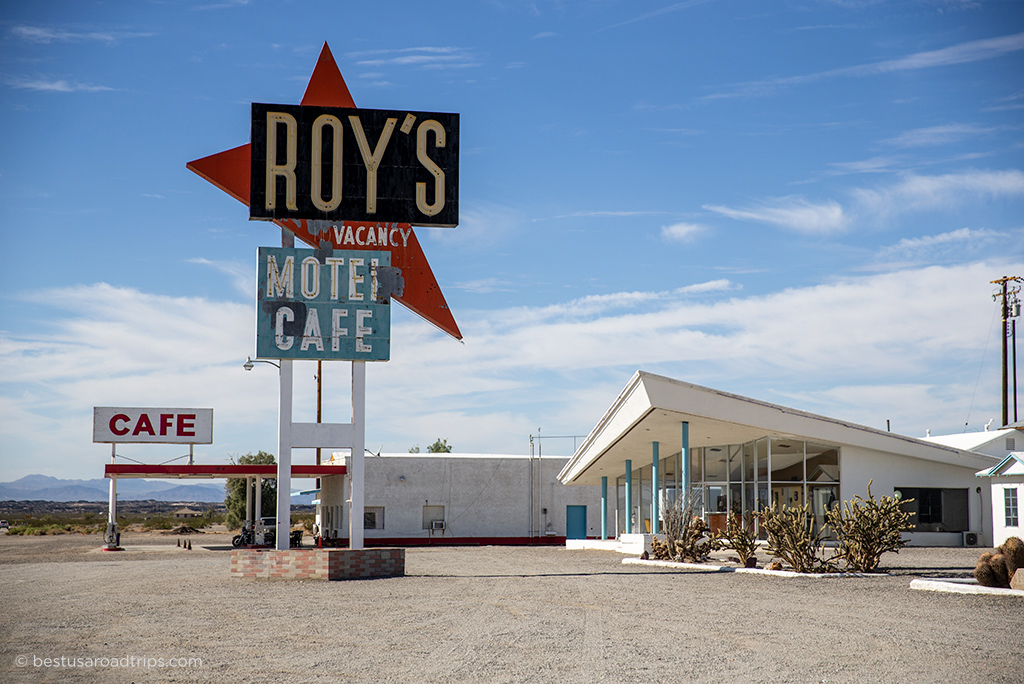
- Roy’s Motel and Cafe in Amboy
- small roadside stops and historic gas stations
These places are simple, but that’s exactly what makes them special.
Route 66 & Desert Stops Guides:
- Bagdad Cafe Guide
- Roy’s Motel and Cafe Guide
- Route 66 California Guide
Ghost Towns
Ghost towns were some of the most unexpected highlights of our California trips. Each one feels different, and they give you a glimpse into the past.
We visited places like:
- Calico Ghost Town
- Bodie State Historic Park
Calico is more developed and easier to visit, while Bodie feels more authentic and preserved. Walking through these towns gives you a completely different perspective compared to national parks or cities.
Ghost Town Guides:
Why These Stops Are Worth Adding
From our experience, these types of places work best as:
- short stops between bigger destinations
- additions to desert road trips
- unique photo and storytelling locations
They don’t require a full day, but they can easily become some of the most memorable parts of your trip.
Mountains & Sierra Nevada
California’s mountains offer a completely different experience from the coast and desert. This is where you’ll find alpine lakes, scenic drives, and some of the most dramatic landscapes in the state. The Sierra Nevada range, in particular, is one of the best regions for combining nature, road trips, and outdoor activities.
We spent time exploring this area during several trips, often as part of longer routes between national parks and desert regions. What stood out the most is how quickly the scenery changes. Within a few hours, you can move from dry desert landscapes to high mountain passes and forested valleys.
Yosemite and the Sierra Nevada
The Sierra Nevada is home to some of California’s most iconic landscapes, including Yosemite National Park.
Beyond Yosemite, the region offers:
- scenic mountain drives
- alpine lakes
- hiking trails with very different terrain compared to desert parks
This area works well if you want to combine famous destinations with quieter mountain landscapes.
Lake Tahoe
Lake Tahoe is one of the most beautiful mountain destinations in California. It’s known for its clear water, surrounding peaks, and year-round activities.
We liked this area for:
- relaxing stops during road trips
- scenic viewpoints around the lake
- easy access to outdoor activities
Lake Tahoe can be added to both summer and winter itineraries.
Eastern Sierra & Scenic Drives
The eastern side of the Sierra Nevada feels very different from the western side. It’s drier, more open, and often less crowded.
Some highlights include:
- scenic drives along the eastern Sierra
- unique rock formations
- access to remote hiking areas
This region is perfect if you want to explore beyond the most popular destinations and experience a quieter side of California.
Best Things to Do in California

California is one of the few states where you can combine giant mountain landscapes, desert scenery, world-famous coastlines, major cities, and nine national parks in one trip. That range is exactly why California works so well for road trips
Explore California’s National Parks
One of the best things to do in California is explore its national parks. California has nine of them, more than any other state, and each one offers a very different experience. You can hike in Yosemite, walk among giant sequoias, explore desert landscapes in Joshua Tree and Death Valley, visit volcanic scenery in Lassen Volcanic, or plan a boat trip to Channel Islands.
Many national park lovers combine California with Utah for a larger Southwest road trip because together the two states are home to 14 national parks — California with 9 and Utah with its famous Mighty 5.
Drive the Pacific Coast and Stop at Scenic Viewpoints
Driving the California coast is one of the classic road trip experiences in the USA. Highway 1 is not just about getting from one town to another. It is about stopping at overlooks, walking short coastal trails, and enjoying places like Big Sur, Monterey, Carmel, and Point Reyes along the way.

Walk Among the Tallest Trees in the World
Walking through the redwoods is one of the most unforgettable experiences in California. Redwood National and State Parks protect the tallest trees on Earth, but the area also includes prairie, rivers, and coastline, which makes it much more diverse than many travelers expect.
Experience California’s Desert Landscapes
California’s deserts are some of the most unique in the American West. Death Valley is known for extreme desert scenery and landscapes below sea level, while Joshua Tree is famous for its rock formations and iconic trees. These parks feel completely different from the coast or Sierra Nevada and deserve a place in almost any California itinerary.
Visit Iconic Cities
California’s cities are part of what makes the state such a complete destination. San Francisco, Los Angeles, and San Diego each bring a different type of experience, from waterfront areas and famous landmarks to beaches, neighborhoods, museums, and food scenes.
Enjoy Beaches and Coastal Nature
California is not only about dramatic cliffs and road trips. It also offers beaches, coastal parks, marine wildlife, and relaxed shoreline towns. State Parks and Visit California both strongly emphasize beach and coastal recreation as one of the state’s defining travel experiences.
Explore State Parks and Lesser-Known Natural Areas
Another great thing to do in California is go beyond the most famous stops. California State Parks highlights hiking, beaches, mountains, wildlife viewing, historical sites, and desert landscapes across the park system. That makes state parks and less crowded natural areas a very strong addition to a California road trip.
Add Historic Stops and Roadside Icons
California road trips feel more memorable when you add unusual stops between the major highlights. Ghost towns, Route 66 landmarks, old roadside cafes, and quirky desert locations bring a different kind of experience than national parks or cities. This is also one of the best ways to make a California itinerary feel more personal and less predictable.
Combine Mountains, Coast, Desert, and Cities in One Trip
What really makes California special is not one single attraction. It is the ability to combine very different experiences in one route. Few states let you drive the coast, explore deserts, visit major cities, and hike in national parks during the same trip. That variety is California’s biggest strength.

Visit Wine Regions and Vineyards
California is one of the most famous wine destinations in the world. Visiting vineyards and tasting local wines is one of the most popular experiences in the state.
Regions like Napa Valley and Sonoma County are known for scenic landscapes, wineries, and relaxed атмосpheres. You can visit tasting rooms, enjoy vineyard views, and combine wine stops with a scenic drive.
Even if you’re not a wine expert, this is an easy and enjoyable way to experience a different side of California.
California Road Trip Ideas
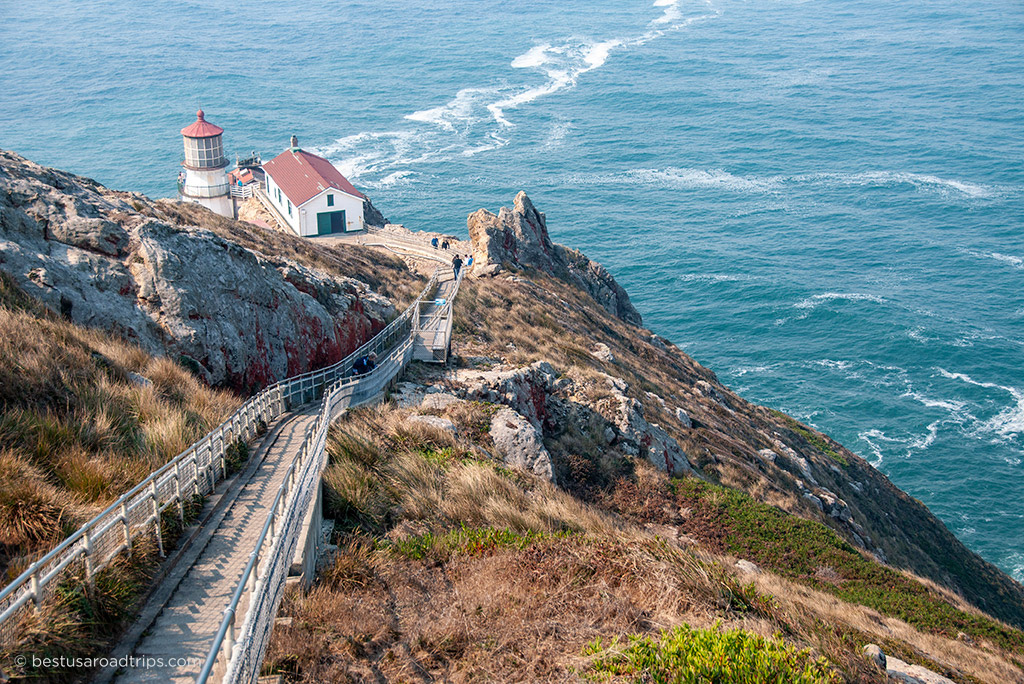
California is one of the best states in the USA for a road trip, but building the right route makes a huge difference. Distances are long, landscapes change quickly, and it’s easy to underestimate travel time. From our experience, the best itineraries focus on one or two regions instead of trying to see everything at once.
5–7 Day California Road Trip
If you have less than a week, focus on one main region and build your route around it.
Example options:
- Pacific Coast route (San Francisco → Big Sur → Los Angeles)
- National parks focus (Yosemite + Sequoia & Kings Canyon)
- Desert route (Joshua Tree + Death Valley + Route 66 stops)
This approach reduces driving and gives you more time to explore.
7–10 Day California Road Trip
With more time, you can combine different landscapes into one trip.
Example route:
- Start in San Francisco
- Drive the coast through Big Sur
- Continue to Los Angeles
- Add Joshua Tree National Park
- Optionally include Death Valley National Park
This route gives you a mix of coast, cities, and desert landscapes.

California National Parks Road Trip
If your focus is national parks, you can build an itinerary around the Sierra Nevada and desert regions.
Example route:
- Yosemite National Park
- Sequoia National Park and Kings Canyon National Park
- Continue south toward Joshua Tree National Park
This type of trip works best if you enjoy hiking and spending time outdoors.
Coastal and Nature Combination
One of the best ways to experience California is to combine the coast with inland destinations.
Example:
- Pacific Coast Highway
- Point Reyes or Big Sur
- Yosemite or Sequoia
This gives you a balance between ocean views and mountain landscapes.
Add Unique Stops Along the Way
From our experience, the best road trips include smaller, unexpected stops between major destinations.
You can add:
- Route 66 locations like Roy’s Motel and Cafe
- ghost towns like Bodie State Historic Park
- scenic viewpoints and quiet backroads
These stops don’t take much time but add character to your route.
How to Choose the Right Route
The best California itinerary depends on:
- how many days you have
- the season
- your travel style
From our experience, it’s better to:
- focus on fewer regions
- avoid long driving days
- leave space for flexibility
California offers endless road trip options, but the key is choosing a route that fits your time and interests. A well-planned itinerary will always be more enjoyable than trying to see too much in one trip.
Best Time to Visit California

California is a year-round destination, but the best time to visit depends on where you go. The state is large, and conditions vary a lot between the coast, mountains, deserts, and cities. From our experience, timing can completely change your trip, especially when you combine different regions.
Spring (March to May)
Spring is one of the best times to visit California, especially for a road trip.
- mild temperatures in most regions
- good conditions for national parks and coastal drives
- fewer crowds than summer
This is a great time to visit places like Yosemite National Park and Sequoia National Park before peak season.
Fall (September to November)
Fall offers some of the most balanced conditions across the state.
- cooler temperatures after summer
- fewer crowds in many areas
- good weather for both coast and inland regions
From our experience, this is one of the best times for longer road trips across multiple regions.
Summer (June to August)
Summer is the busiest season, especially in national parks and coastal areas.
- high visitor numbers
- higher prices for accommodations
- hot temperatures in desert regions
Desert parks like Death Valley National Park and Joshua Tree National Park can be extremely hot, so early mornings and short stops work best.
Winter (December to February)
Winter can be a great time to visit certain parts of California, depending on your plans.
- fewer crowds in many areas
- snow in the mountains
- good conditions in deserts and southern regions
Places like Death Valley National Park are actually best visited in winter due to more comfortable temperatures.
Key Things to Consider
- California has multiple climate zones
- coastal weather can change quickly (fog is common)
- mountain roads may close in winter
- desert heat can be dangerous in summer
Where to Stay in California
Where you stay in California matters more than it seems. Distances are long, and changing your base too often can waste a lot of time. From our experience, it’s best to stay close to the main places you want to explore.
Best Base Locations
- San Francisco – great starting point for Northern California and the coast
- Yosemite area – stay as close as possible to Yosemite National Park for early access
- Los Angeles – base for beaches, city attractions, and southern coast
- San Diego – relaxed coastal stop, great at the end of a trip
- Joshua Tree area – best access to Joshua Tree National Park
- Death Valley area – stay inside or near Death Valley National Park to reduce driving
Quick Tips
- stay near parks and main stops
- avoid long daily drives
- book early in peak season
- expect traffic in major cities
Choosing the right base will make your California road trip much smoother and more enjoyable.
Important Travel Tips for California

California is easy to explore, but a few practical details can make a big difference. From our experience, small mistakes here can cost you time, especially on a road trip.
Plan Driving Time Realistically
Distances in California look manageable on the map, but driving often takes longer than expected.
- coastal roads are slow and winding
- mountain routes add time
- traffic near cities can be heavy
Always allow extra time between stops.
Book Popular Places Early
California is one of the most visited states in the USA.
- national park accommodations fill up quickly
- coastal towns book out in peak season
- prices increase fast
Booking early gives you better options and locations.
Be Prepared for Different Climates
California has multiple climate zones.
- coast → cooler, often foggy
- mountains → colder, especially at higher elevations
- desert → very hot, especially in summer
You may experience completely different weather within one trip.
Start Early in Busy Areas
In popular places like Yosemite National Park, arriving early makes a big difference.
- fewer crowds
- easier parking
- better experience overall
This applies to most major attractions.
Check Conditions Before You Go
Conditions can change quickly depending on the region.
- mountain roads may close in winter
- desert heat can be dangerous in summer
- coastal fog can affect visibility
Always check current conditions before driving or hiking.
Stay Flexible
From our experience, the best trips are not overly packed.
- allow time for stops
- adjust plans based on weather
- don’t try to see everything
Leaving space in your itinerary makes the trip more enjoyable.
California is one of the most rewarding states to explore, but good planning helps you avoid common issues and make the most of your time.
California Regions Explained
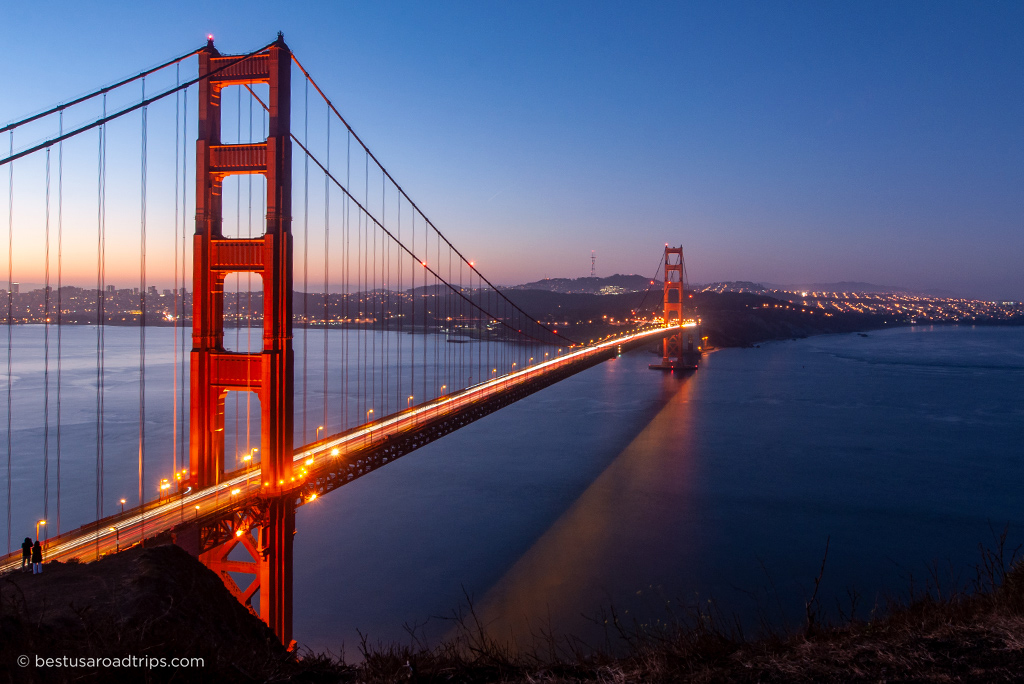
California is large, and each region feels completely different. Understanding how the state is divided helps you plan a more logical route and avoid unnecessary driving.
Northern California
Northern California is known for its cooler climate, coastal landscapes, and forests.
Highlights include:
- San Francisco
- Point Reyes National Seashore
- Redwood National and State Parks
This region is great for combining cities, coast, and nature. This part of California also combines perfectly with Oregon for Pacific Coast road trips filled with rugged coastline, scenic drives, waterfalls, forests, and small coastal towns.
Central California & Sierra Nevada
This region includes some of the most famous landscapes in the state.
Highlights:
- Yosemite National Park
- Sequoia National Park
- Kings Canyon National Park
It’s ideal for hiking, scenic drives, and national park-focused trips.
Central Coast
The Central Coast is one of the most scenic parts of California.
Highlights:
- Big Sur
- Monterey
- Carmel-by-the-Sea
This region is best explored as part of a coastal road trip.
Southern California
Southern California offers a mix of cities, beaches, and desert landscapes.
Highlights:
- Los Angeles
- San Diego
- Joshua Tree National Park
It works well for combining urban experiences with outdoor activities. Southern California also combines perfectly with Arizona for Southwest road trips focused on deserts, Route 66 towns, national parks, and red rock landscapes.
California Desert Region
The desert region offers some of the most unique landscapes in the state.
Highlights:
- Death Valley National Park
- Route 66 stops
- remote desert areas
This region is best explored in cooler months and requires more planning. Many travelers combine California with Nevada for classic American West road trips that include Death Valley, Las Vegas, Lake Tahoe, and remote desert landscapes.
Why This Matters for Your Trip
Each region offers something different:
- Northern California → coast, forests, and cities
- Sierra Nevada → mountains and national parks
- Central Coast → scenic drives
- Southern California → cities, beaches, and deserts
Planning your trip by region helps reduce driving time and makes your itinerary more efficient.
California is not just one destination. It’s a combination of very different regions, and understanding that is the key to building a better road trip.
All California Travel Guides

Below you’ll find all our California articles, organized by destination and topic. This section brings everything together in one place and will keep growing as we publish more guides.
California National Parks
- Yosemite National Park Travel Guide
- Best Things to Do in Yosemite National Park
- Yosemite Itinerary
- Sequoia National Park Travel Guide
- Best Things to Do in Sequoia National Park
- Sequoia National Park Itinerary
- Kings Canyon National Park Travel Guide
- Best Things to Do in Kings Canyon National Park
- Kings Canyon National Park Itinerary
- Joshua Tree National Park Travel Guide
- Best Things to Do in Joshua Tree National Park
- Exploring Joshua Tree Town: Activities, Stays and Pioneertown
- Cholla Cactus Gardens in Joshua Tree National Park
- Joshua Tree National Park Itinerary
- Death Valley National Park Travel Guide
- Best Things to Do in Death Valley National Park
- Death Valley National Park Itinerary
- Lassen Volcanic National Park Travel Guide
- Best Things to Do in Lassen Volcanic National Park
- Lassen Volcanic National Park Itinerary
- Channel Islands National Park Travel Guide
- Best Things to Do in Channel Islands National Park
- Channel Islands National Park Itinerary
- Redwood National and State Parks Travel Guide
- Best Things to Do in Redwood National and State Parks
- Redwood National and State Parks Itinerary
- Pinnacles National Park Travel Guide
- Best Things to Do in Pinnacles National Park
- Pinnacles National Park Itinerary
Route 66 & Ghost Towns
- Route 66 California Guide
- Bagdad Cafe Guide
- Roy’s Motel and Cafe Guide
- Calico Ghost Town Guide
- Bodie Ghost Town Guide
Scenic Drives & Road Trips
- California Road Trip Itinerary
- Pacific Coast Highway Guide
California Cities
- San Francisco Itinerary
- Los Angeles Itinerary
- San Diego Itinerary
Pacific Coast & Coastal Stops
- Big Sur Travel Guide
- Best Things to Do in Point Reyes
California Hidden Gems
This list includes all our California content in one place. Use it to explore specific destinations, plan your route, and find detailed guides for each stop along your trip.
What to pack for California
- California Packing List
What to Pack for a California Road Trip?
California road trips can involve completely different climates in the same trip. Coastal areas, deserts, mountains, and national parks all require different preparation.
For most California road trips, we recommend packing:
- layers for changing temperatures
- comfortable walking or hiking shoes
- lightweight clothing for warm regions
- jacket for coastal mornings and evenings
- sun protection and reusable water bottles
Places like Death Valley can experience extreme heat, while mountain areas near Yosemite or Sequoia may still have snow in spring and early summer.
One of the biggest mistakes travelers make in California is assuming the weather will stay the same across the state. See our complete California packing list.
Plan Your California Road Trip
California is one of the few places where you can combine so many different landscapes in one trip. You can start your day on the coast, drive through mountains, and end it in the desert. That variety is what makes planning here both exciting and challenging.
From our experience, the key to a great California road trip is not trying to see everything at once. It’s better to focus on one or two regions and build your route around them. Whether you choose national parks, the coast, or a mix of both, a slower pace will always give you a better experience.
Use this guide as your starting point, then dive into the detailed articles for each destination. Plan your route step by step, choose a few key highlights, and leave space for unexpected stops along the way.
If you have questions while planning your California road trip, feel free to reach out. We’re always happy to help based on our own experience exploring the USA. You can also follow our Facebook page, where we share daily tips, travel ideas, and updates from our road trips.
California is not just about the destinations. It’s about the journey between them—and that’s what makes it one of the best road trip states in the USA.
We also created detailed travel guides for other states across the American West, including Utah, Arizona, Colorado, New Mexico and more.
If you have questions while planning your California road trip, feel free to reach out: bestusaroadtrips@gmail.com. We’re happy to help based on our own experience exploring the Southwest.
You can also follow our Facebook page, where we share daily tips, travel ideas, and updates from our road trips across the USA.