
Oregon Travel Guide: Best Places, Road Trips, Itineraries, Hidden Gems & Travel Tips
Oregon is one of the most diverse road trip states in the USA. In one trip, you can drive along a rugged Pacific coastline, hike to waterfalls hidden in lush forests, explore volcanic landscapes, soak in remote hot springs, and cross wide-open high desert landscapes that feel completely different from the western part of the state.
The state is famous for places like Crater Lake National Park, the Oregon Coast, the Columbia River Gorge, and Portland, but some of the best experiences happen far from the biggest tourist crowds. Remote desert landscapes in Eastern Oregon, scenic backroads, ghost towns, and natural hot springs add a completely different side to an Oregon road trip.
Weather and scenery change dramatically depending on the region. The coast is often cool, windy, and foggy, while Central and Eastern Oregon are much drier with large temperature swings between day and night. Mountain areas in the Cascades can still have snow well into late spring.
This guide is designed to help you plan an Oregon road trip step by step. We share the best regions, scenic drives, waterfalls, hiking areas, hot springs, small towns, and practical travel tips based on our own experiences exploring Oregon during multiple road trips across the Pacific Northwest.

Our Experience Exploring Oregon
We explored Oregon during several road trips across the Pacific Northwest, and it quickly became one of our favorite states for scenic driving and outdoor adventures. What makes Oregon special is how dramatically the landscapes change between regions. In one trip, you can experience rugged ocean coastline, dense forests, volcanic mountains, waterfalls, lava fields, alpine lakes, and remote desert landscapes.
Some of our favorite experiences in Oregon came from places far outside the biggest tourist areas. We loved exploring Eastern Oregon, including the Alvord Desert and remote hot springs surrounded by wide-open landscapes. At the same time, some of the most unforgettable scenery came from classic Oregon destinations like Crater Lake National Park, the Columbia River Gorge, and the waterfalls around the Cascade Mountains.
One thing we quickly learned is that Oregon road trips require flexibility. Weather changes constantly depending on the region. Coastal areas can feel cold and foggy even in summer, while Central and Eastern Oregon may experience very hot days and chilly nights. Mountain regions around Crater Lake and the Cascades can still have snow late into spring.
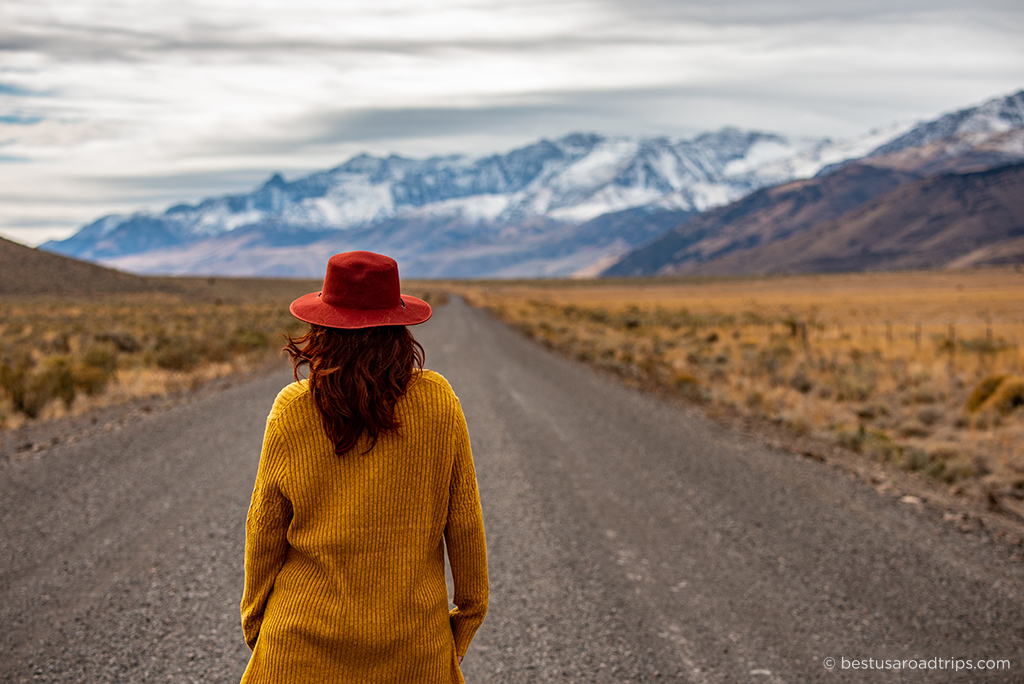

We also loved how different Oregon feels compared to nearby western states. Instead of huge desert national parks like Utah or Arizona, Oregon focuses more on waterfalls, forests, scenic byways, volcanic landscapes, coastal drives, and hidden natural areas.
Throughout this guide, we focus on places and experiences we truly believe are worth your time. We also share practical road trip tips, realistic route ideas, and firsthand insights from exploring Oregon ourselves.
Best Places to Visit in Oregon
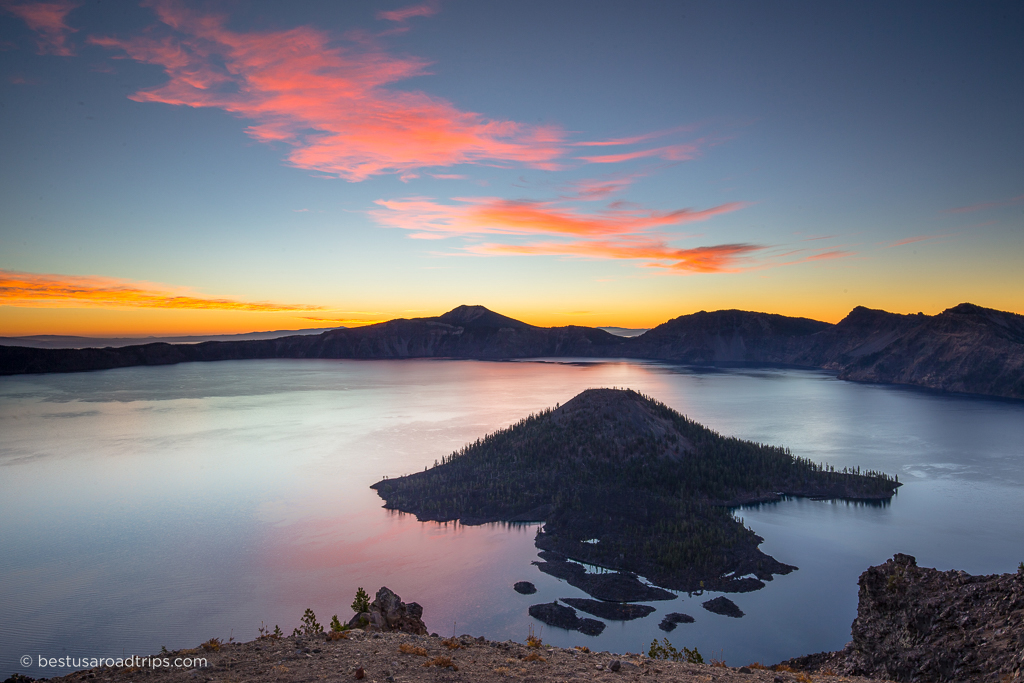
Oregon is best explored by regions because every part of the state feels completely different. The coastline, Cascade Mountains, waterfalls, volcanic landscapes, and high desert all offer a different type of road trip experience.
Portland & Columbia River Gorge
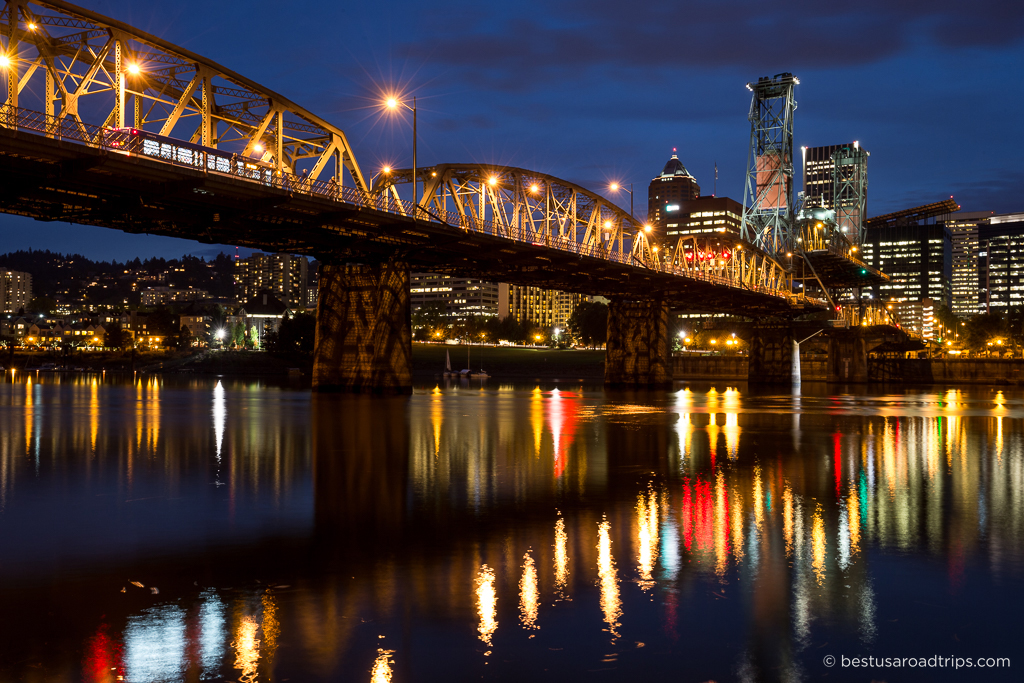
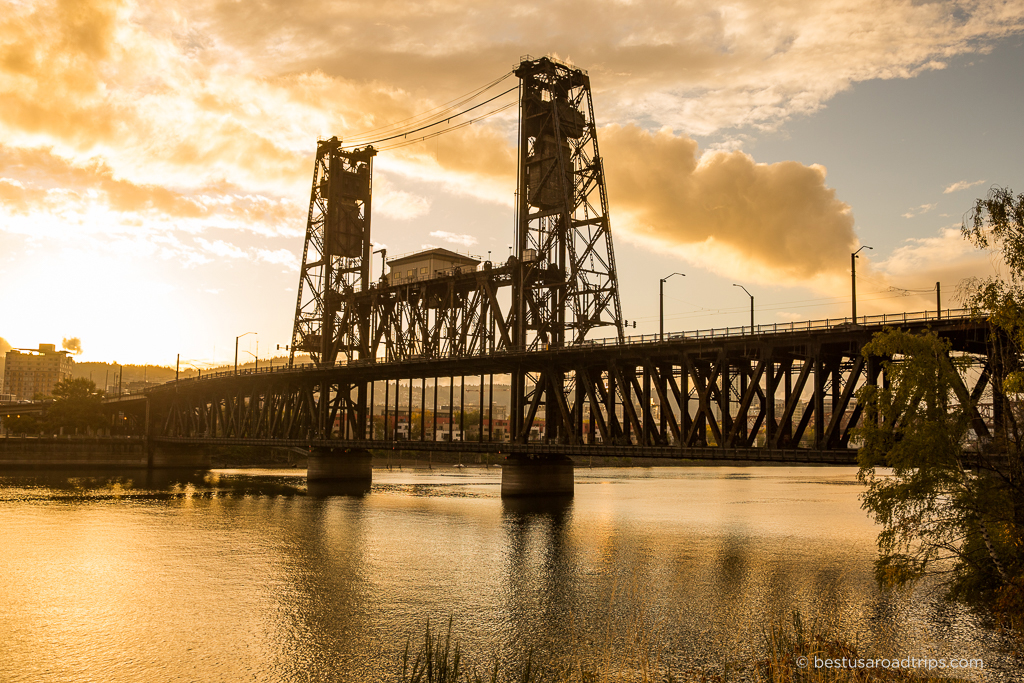
Portland is Oregon’s largest city and a common starting point for road trips around the state.
Nearby, the Columbia River Gorge offers:
- waterfalls
- scenic drives
- hiking trails
- viewpoints along the Columbia River
The area is home to famous waterfalls like Multnomah Falls, one of the most visited natural attractions in Oregon.
Portland & Gorge Guides:
Central Oregon & Cascade Mountains
Central Oregon combines forests, volcanic landscapes, mountain lakes, and outdoor adventure towns.
Popular areas include:
- Bend
- Sisters
- Mount Hood region
- McKenzie Pass
This region is known for:
- hiking
- lava fields
- waterfalls
- alpine lakes
- scenic byways
Some of the most beautiful hikes in Oregon are located here, including Tamolitch Blue Pool and Proxy Falls.
Central Oregon Guides:
- Tamolitch Blue Pool Hike
- Proxy Falls Oregon
- Best Things to Do in Sisters, Oregon
- Timberline Lodge and The Shining

Crater Lake & Southern Oregon
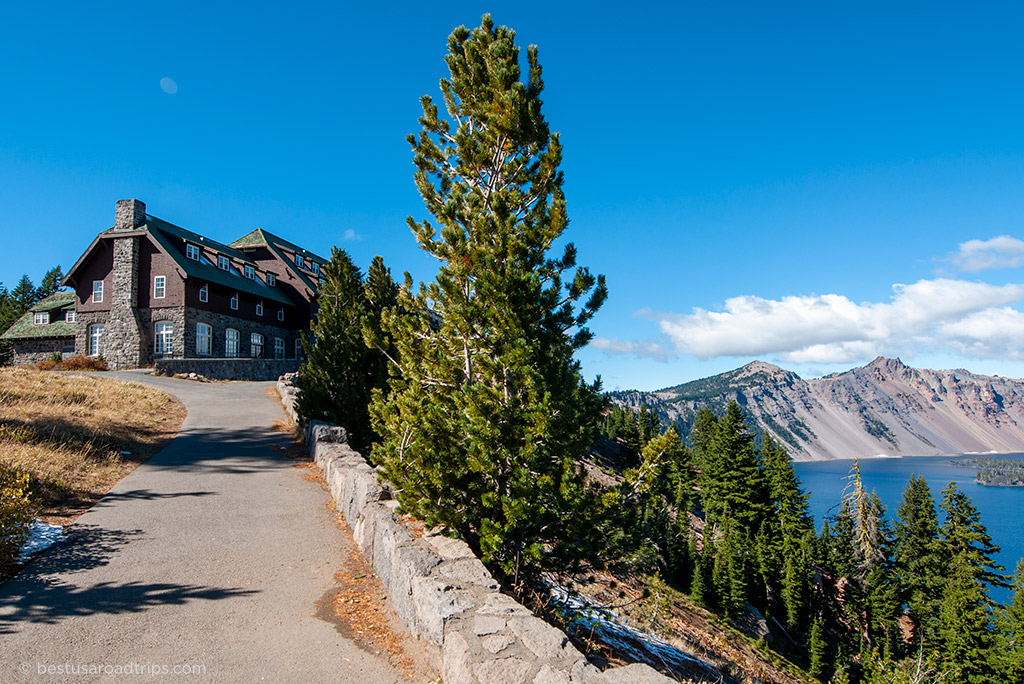
Crater Lake National Park is Oregon’s only national park and one of the most spectacular volcanic landscapes in the USA.
The lake was formed after the collapse of Mount Mazama thousands of years ago and reaches a depth of nearly 2,000 feet, making it the deepest lake in the United States.
Southern Oregon is also famous for:
- waterfalls
- forest drives
- hot springs
- volcanic scenery
Southern Oregon Guides:
Eastern Oregon & High Desert
Eastern Oregon feels completely different from western Oregon.
Instead of forests and coastline, you’ll find:
- desert basins
- remote mountains
- hot springs
- dry lakebeds
- ghost towns
This is one of the least visited parts of Oregon, but also one of the most unique.
The Alvord Desert is one of the most surreal landscapes in the Pacific Northwest, especially during sunrise and sunset.
Eastern Oregon Guides:
- Alvord Desert: How to Plan Your Road Trip
- Alvord Hot Springs: How to Visit
- Crystal Crane Hot Springs Near Burns
- Shaniko Ghost Town, Oregon
Historic Oregon & Unique Stops
Oregon also has a fascinating historic side connected to:
- the Oregon Trail
- logging history
- volcanic eruptions
- gold mining
- old western towns
Covered bridges, historic lodges, and ghost towns add another layer to Oregon road trips beyond waterfalls and hiking.
Historic Oregon Guides:
Oregon Coast
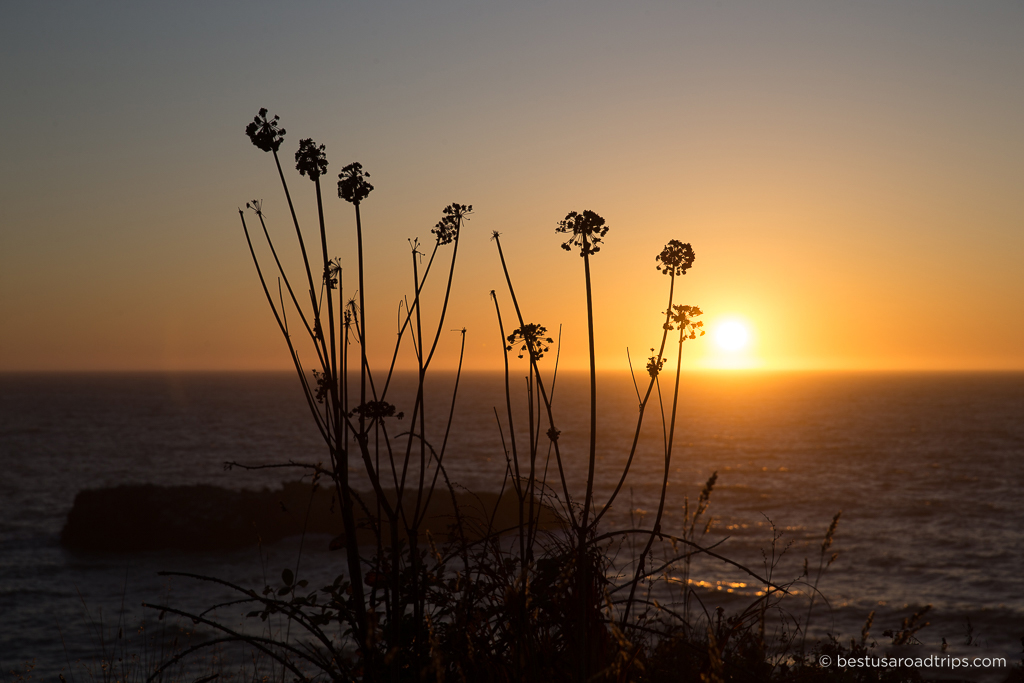
The Oregon Coast is one of the most scenic coastal drives in the USA. Highway 101 connects dramatic cliffs, sea stacks, beaches, lighthouses, and small coastal towns for hundreds of miles.
Some of the most popular areas include:
- Cannon Beach
- Newport
- Bandon
- Samuel H. Boardman Scenic Corridor
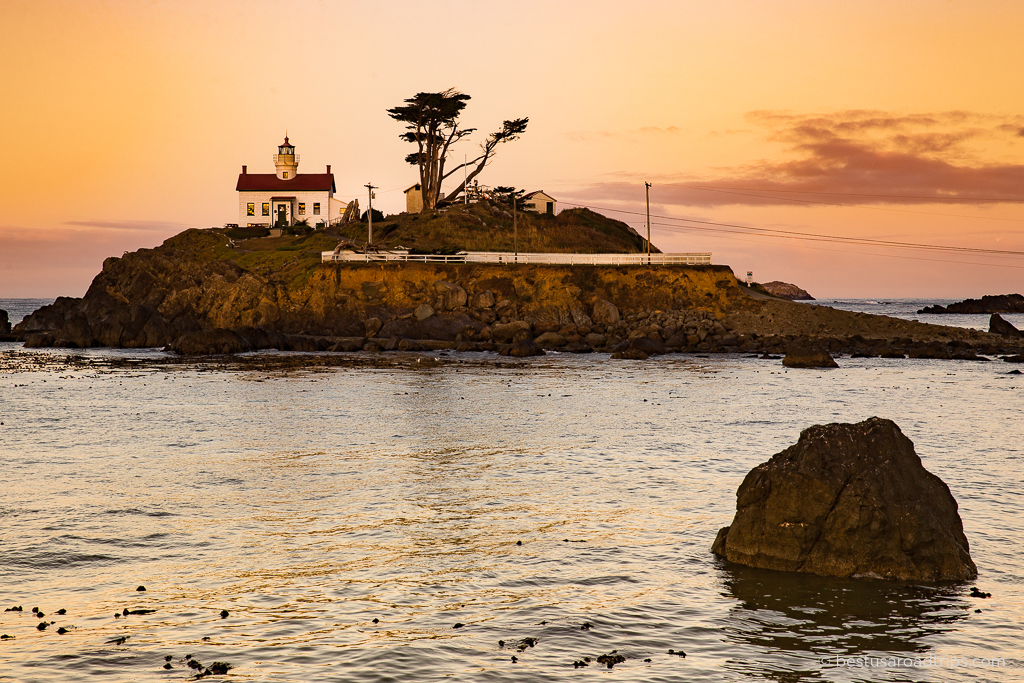
The coast is also famous for:
- storm watching
- whale migration
- tide pools
- scenic overlooks
- fresh seafood
Even during summer, coastal weather is often cool, windy, and foggy.
Oregon Coast Guides:
- Oregon Coast Road Trip Guide
- Cannon Beach Guide
- Samuel H. Boardman Scenic Corridor Guide
Best Things to Do in Oregon

Oregon is one of the best states in the USA for travelers who enjoy scenic drives, waterfalls, hiking, coastal landscapes, and hidden natural areas. The variety of experiences is enormous, especially for road trips.
Drive the Oregon Coast
Driving Highway 101 along the Oregon Coast is one of the most scenic road trips in the USA.
The route passes:
- rugged cliffs
- sea stacks
- lighthouses
- coastal towns
- dramatic beaches
Some of the most famous coastal areas include Cannon Beach, Bandon, Newport, and the Samuel H. Boardman Scenic Corridor.
The Oregon Coast is also one of the best places in the Pacific Northwest for:
- storm watching
- whale migration
- tide pools
- coastal photography
Explore Crater Lake National Park
Crater Lake National Park is one of the most spectacular volcanic landscapes in the USA.
The lake formed after the collapse of Mount Mazama thousands of years ago and reaches a depth of nearly 2,000 feet, making it the deepest lake in the United States.
Popular activities include:
- driving Rim Drive
- hiking scenic trails
- photography
- boat tours during summer
Heavy snowfall often keeps parts of the park closed until late spring or early summer.
Chase Waterfalls Across Oregon
Oregon is one of the best waterfall destinations in the country.
The state is famous for:
- Columbia River Gorge waterfalls
- Proxy Falls
- waterfalls near the Umpqua region
- forest waterfalls hidden in the Cascades
Spring and early summer usually offer the strongest waterfall flow because of snowmelt and rainfall.
Hike Through Volcanic & Forest Landscapes
Oregon hiking trails often feel very different from the desert hikes of the Southwest.
You’ll find:
- lava fields
- dense forests
- volcanic rivers
- alpine lakes
- moss-covered trails
Popular hiking areas include:
- Tamolitch Blue Pool
- Cascade Mountains
- volcanic landscapes around Central Oregon
Visit Oregon’s Natural Hot Springs
Natural hot springs are one of Oregon’s most unique experiences.
Some are located deep in forested mountain regions, while others sit in remote desert landscapes in Eastern Oregon.
Popular hot spring areas include:
- Umpqua Hot Springs
- Alvord Hot Springs
- Crystal Crane Hot Springs
Many hot springs require driving remote roads, especially in Eastern Oregon.
Explore Eastern Oregon & the High Desert
Eastern Oregon is one of the most underrated road trip regions in the Pacific Northwest.
This area is known for:
- remote desert landscapes
- dry lakebeds
- hot springs
- mountain backroads
- ghost towns
The Alvord Desert is one of the most unique places in Oregon and feels completely different from the forests and coastline of western Oregon.
Visit the Oregon Dunes
The Oregon Dunes National Recreation Area protects some of the largest coastal sand dunes in North America.
Popular activities include:
- sandboarding
- ATV riding
- hiking across dunes
- photography
The landscape feels surprisingly wild and very different from the rest of the Oregon Coast.
Drive Scenic Byways & Forest Roads
Some of the best Oregon experiences happen during the drive itself.
Scenic routes cross:
- forests
- volcanic landscapes
- mountain passes
- river valleys
- coastline viewpoints
Popular drives include:
- Oregon Coast Highway
- Cascade Lakes Scenic Byway
- Columbia River Gorge drives
- mountain roads around Mount Hood
Experience Portland’s Food & Coffee Scene
Portland is famous for:
- coffee culture
- food carts
- craft breweries
- bookstores
- local markets
The city has one of the strongest food scenes in the Pacific Northwest and feels very different from the outdoor-focused regions around the state.
Visit Oregon Wine Country
The Willamette Valley is one of the most famous wine regions in the USA, especially for Pinot Noir.
Wine country experiences include:
- vineyard tours
- wine tasting
- scenic countryside drives
- small towns and local farms
This region offers a slower and more relaxed side of Oregon road trips.
Explore Historic Oregon
Oregon road trips also include:
- covered bridges
- ghost towns
- historic lodges
- Oregon Trail history
These places add another layer to the state beyond waterfalls and outdoor adventures.
Enjoy Outdoor Adventures Year-Round
Oregon is a year-round outdoor destination.
Depending on the season, popular activities include:
- hiking
- kayaking
- skiing
- mountain biking
- paddleboarding
- snowshoeing
The variety of landscapes makes Oregon one of the best states in the USA for active travelers and scenic road trips.
Oregon Road Trip Ideas
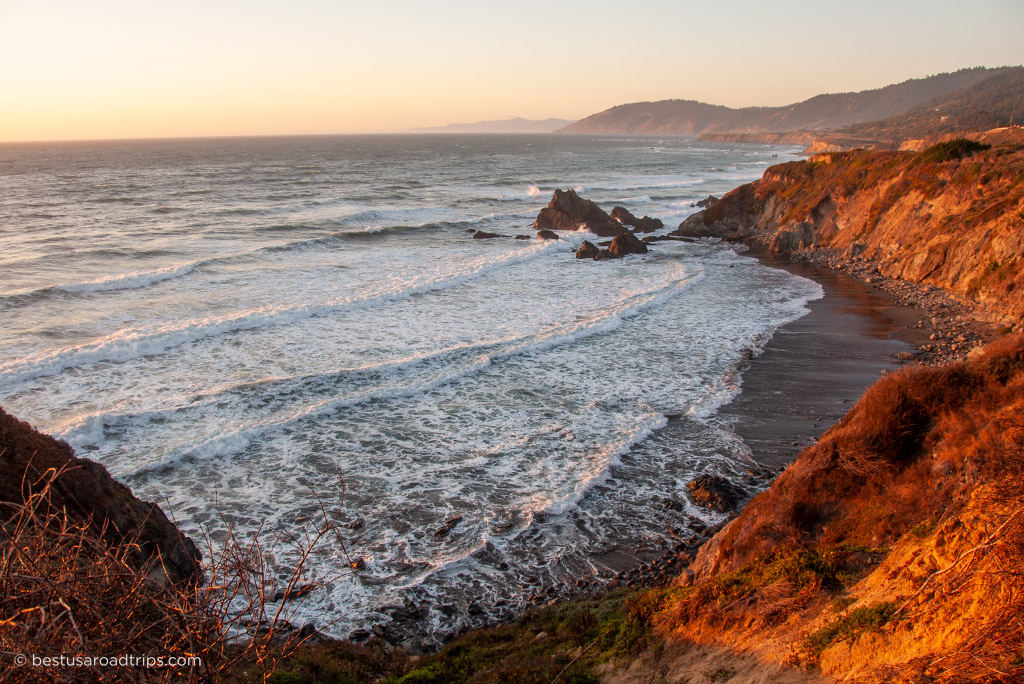
Oregon is one of the best states in the USA for road trips because the scenery changes constantly between regions. Coastal drives, volcanic mountains, forests, waterfalls, and remote desert landscapes can all be combined into one itinerary. However, Oregon is much larger than many travelers expect, and driving times are often underestimated.
From our experience, the best Oregon road trips focus on one or two regions instead of trying to cross the entire state too quickly.
5–7 Day Oregon Highlights Road Trip
This is the best option for first-time visitors who want to experience Oregon’s most famous landscapes.
Example route:
- Portland
- Columbia River Gorge
- Mount Hood region
- Bend / Central Oregon
- Crater Lake National Park
- Oregon Coast
This route combines:
- waterfalls
- volcanic scenery
- mountain landscapes
- coastal drives
Expect a lot of driving, especially when crossing the Cascade Mountains.
Oregon Coast Road Trip
Driving the Oregon Coast is one of the most iconic road trips in the Pacific Northwest.
Typical route:
- Astoria
- Cannon Beach
- Newport
- Bandon
- Samuel H. Boardman Scenic Corridor
Highway 101 follows the coastline for roughly 360 miles through Oregon and includes:
- scenic overlooks
- beaches
- sea stacks
- coastal towns
- lighthouses
Summer and early fall usually offer the most stable coastal weather.
Many travelers continue south into California after exploring the Oregon Coast to extend their Pacific Coast road trip through some of the most scenic coastal landscapes in the western USA.
Central Oregon & Cascade Mountains Road Trip
This route focuses on outdoor adventures, forests, waterfalls, and volcanic landscapes.
Best bases:
- Bend
- Sisters
Highlights include:
- Tamolitch Blue Pool
- Proxy Falls
- Cascade Lakes Scenic Byway
- lava fields and mountain lakes
This is one of the best Oregon routes for hiking and scenic driving.
Eastern Oregon & High Desert Road Trip
Eastern Oregon is one of the least visited but most unique parts of the state.
Typical route:
- Burns
- Crystal Crane Hot Springs
- Alvord Desert
- Steens Mountain region
This route is best for:
- remote landscapes
- hot springs
- stargazing
- photography
- solitude
Important:
- gas stations are limited
- roads are long and isolated
- summer temperatures often exceed 90–100°F during the day in desert regions
Eastern Oregon road trips also connect naturally with Nevada for travelers interested in remote desert landscapes, hot springs, scenic backroads, and quieter regions far from major crowds.
Waterfalls & Columbia River Gorge Route
This shorter route works well for travelers staying near Portland.
Highlights include:
- Multnomah Falls
- waterfall corridor hikes
- Hood River
- scenic viewpoints along the Columbia River
This is one of the easiest Oregon road trips for first-time visitors because it requires less driving than larger statewide loops.
Oregon & Washington Road Trip
Oregon combines very well with Washington for a larger Pacific Northwest itinerary.
Popular additions include:
- Olympic National Park
- Mount Rainier National Park
- Seattle
This combination offers:
- coastline
- volcanoes
- forests
- mountain scenery
Important Oregon Road Trip Tips
Oregon road trips require more planning than many travelers expect.
Important things to know:
- coastal driving is slower than it looks on maps
- mountain roads can still have snow in late spring
- Eastern Oregon has long stretches without services
- weather changes dramatically between regions
For example:
- the Oregon Coast may feel cold and foggy while Eastern Oregon experiences 95°F heat on the same day.
Our Biggest Oregon Road Trip Tip
Do not try to see the entire state in one short trip.
Oregon works best when you:
- focus on specific regions
- allow extra driving time
- stay multiple nights in key areas
- leave flexibility for weather and scenic stops
Some of the best Oregon experiences happen unexpectedly along scenic roads, waterfalls, forests, and small towns between major destinations.
Best Time to Visit Oregon
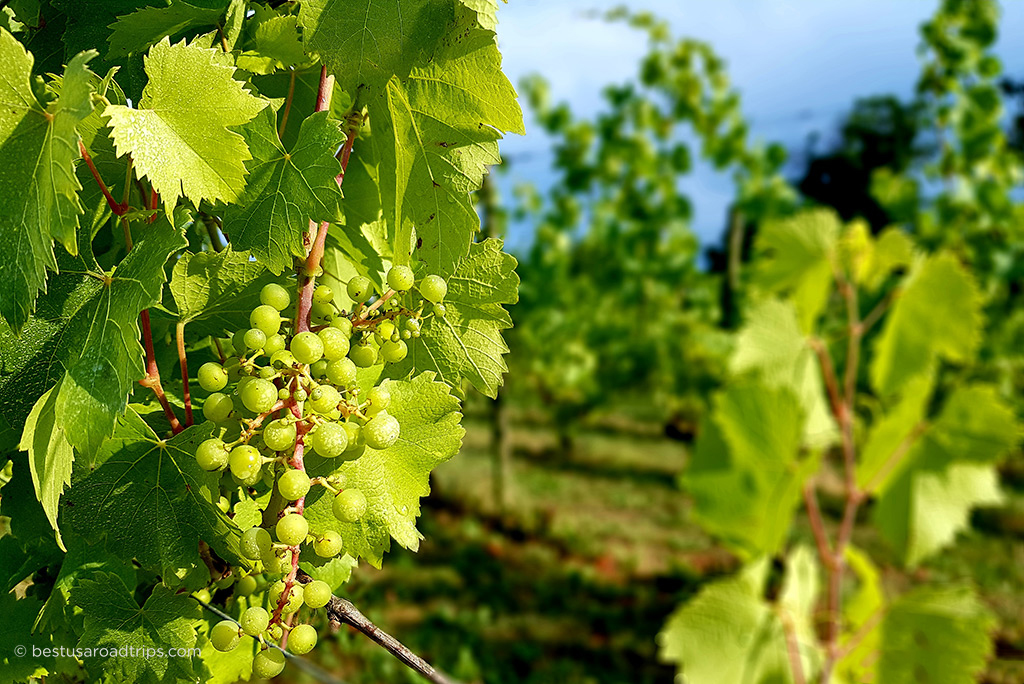
Oregon is a year-round destination, but the weather changes dramatically depending on the region. Coastal areas, mountains, forests, and high desert all experience very different conditions at the same time of year. Choosing the right season is extremely important when planning an Oregon road trip.
Summer (June–September) — Best Overall Road Trip Season
Summer is the best season for exploring most of Oregon.
Typical temperatures:
- Oregon Coast: ~60–70°F daytime
- Portland & Willamette Valley: ~75–90°F daytime
- Bend & Central Oregon: ~80–95°F daytime
- Eastern Oregon desert regions: often 90–100°F+ daytime
This is the best time for:
- Oregon Coast road trips
- Crater Lake access
- hiking in the Cascades
- scenic drives
- camping and waterfalls
Most mountain roads and trails are fully accessible during this period.
However:
- wildfire smoke can affect visibility in late summer
- popular destinations become crowded
- accommodation prices increase significantly
Fall (September–October) — Best for Scenic Drives & Fewer Crowds
Fall is one of the best seasons for Oregon road trips.
Typical temperatures:
- Coast: ~55–70°F daytime
- Portland area: ~65–80°F daytime in September
- Central Oregon: cooler mornings and nights, often 35–50°F overnight
This season offers:
- fewer crowds
- stable weather in early fall
- beautiful forest colors
- excellent photography conditions
September is often one of the best months for:
- Oregon Coast trips
- waterfalls without peak summer crowds
- hiking and scenic drives
By late October:
- rain increases significantly in western Oregon
- mountain areas may begin receiving snow
Winter (November–March) — Storm Watching & Snowy Mountains
Winter in Oregon varies dramatically by region.
Typical temperatures:
- Oregon Coast: ~45–55°F daytime
- Portland: ~40–50°F daytime
- Cascades & mountain areas: often below freezing overnight
- Eastern Oregon: cold nights frequently below 20°F
Winter is best for:
- storm watching on the coast
- snowy mountain scenery
- skiing and snowboarding around Mount Hood and Bend
- fewer tourists in many areas
Important:
- Crater Lake receives massive snowfall and some roads close seasonally
- mountain passes may require chains during storms
- heavy rain is common in western Oregon
Spring (April–May) — Best Season for Strong Waterfall Flow
Spring is one of the best seasons for waterfalls and forest scenery.
Typical temperatures:
- Coast: ~50–65°F daytime
- Portland & western Oregon: ~55–75°F daytime
- Central Oregon: cooler mornings, often near freezing overnight in April
This season is famous for:
- strong waterfall flow
- green forests and wildflowers
- fewer crowds than summer
However:
- trails can be muddy
- mountain roads may still have snow
- Crater Lake access is often limited well into spring
Oregon Weather Changes by Region
One of the biggest mistakes travelers make is assuming Oregon has one climate.
In reality:
- the coast is cool, wet, and windy
- western Oregon is greener and rainier
- Central Oregon is dry with large day/night temperature swings
- Eastern Oregon is high desert with very hot summers and cold winters
You can easily experience:
- fog and 60°F weather on the coast
- 95°F desert heat in Eastern Oregon
on the same day.
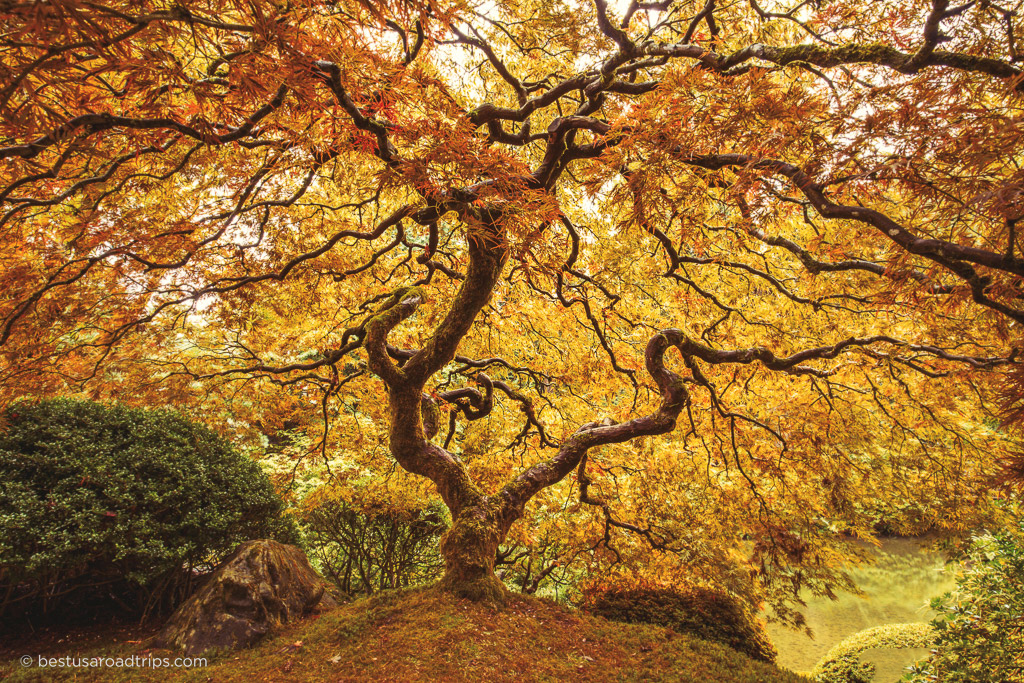
Best Time Summary
- Best overall road trip season: June–September
- Best waterfalls: spring
- Best Oregon Coast weather: July–September
- Best fall colors & scenic drives: September–October
- Best for fewer crowds: spring and fall
- Best for hot springs & high desert: spring and fall
From our experience, September is one of the best months to visit Oregon because the weather is usually stable, crowds begin to decrease, and most mountain roads remain open.
Where to Stay in Oregon
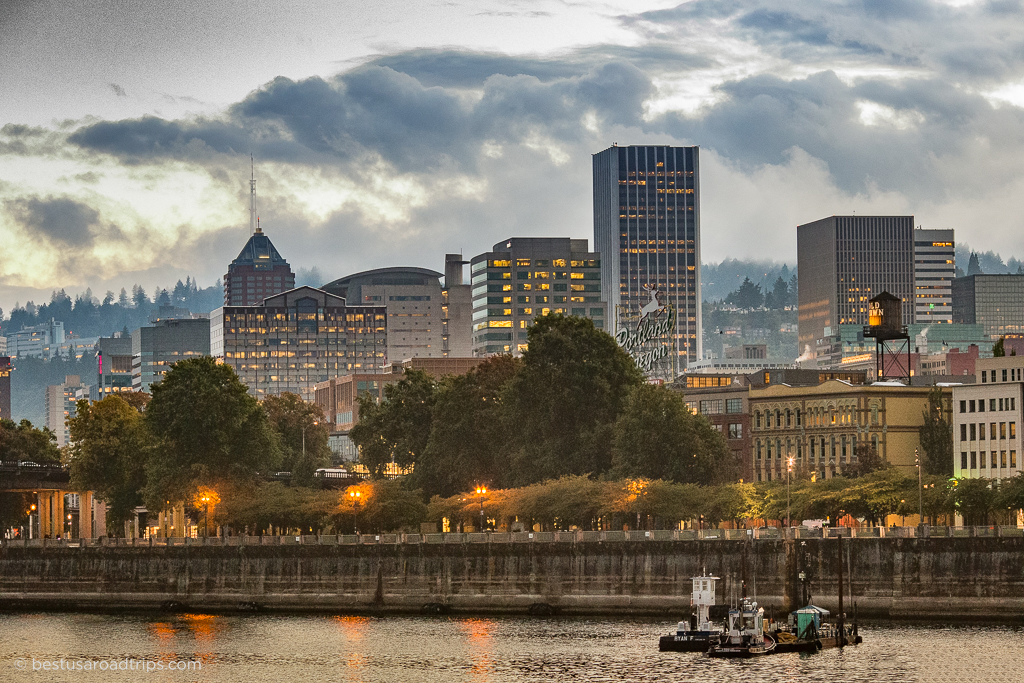
Choosing the right base in Oregon is extremely important because the state is much larger than many travelers expect. Coastal driving is slower than it looks on maps, mountain roads can add significant travel time, and weather conditions vary heavily between regions.
From our experience, Oregon works best when you stay in multiple regions instead of trying to use one hotel as a base for the entire trip.
Portland — Best Base for First-Time Visitors
Portland is the most common starting point for Oregon road trips.
Why it works:
- largest airport in the state
- easy access to Columbia River Gorge
- good restaurants and coffee scene
- convenient for shorter Oregon trips
Portland also works well as a base for:
- waterfall day trips
- Mount Hood region
- wine country
Bend & Sisters — Best for Central Oregon
Bend and Sisters are some of the best bases for outdoor adventures in Oregon.
This region is ideal for:
- hiking
- waterfalls
- volcanic landscapes
- mountain lakes
- scenic byways
Compared to western Oregon:
- weather is usually sunnier and drier
- temperatures cool significantly at night because of elevation
Oregon Coast Towns — Best for Coastal Road Trips
The Oregon Coast is best explored slowly with overnight stops.
Popular bases include:
- Cannon Beach
- Newport
- Bandon
Each coastal region feels different, and driving the entire coast in one day is exhausting.
Important:
- coastal weather is often cool and windy even in summer
- accommodations can sell out months ahead during peak season
Crater Lake Area — Best for Southern Oregon
The closest lodging to Crater Lake National Park is limited and highly seasonal.
Many travelers stay in:
- Klamath Falls
- Medford
- nearby cabins and campgrounds
Staying near the park is especially helpful for:
- sunrise and sunset photography
- avoiding long mountain drives
- early morning hikes
Eastern Oregon — Best for Remote Landscapes & Hot Springs
Eastern Oregon requires more planning because distances are large and services are limited.
Popular overnight areas include:
- Burns
- Frenchglen
- Crystal Crane Hot Springs area
This region works best for:
- Alvord Desert trips
- hot springs
- photography
- stargazing
Gas stations and restaurants may be very far apart in remote areas.

Camping & RV Travel in Oregon
Oregon is one of the best states in the USA for camping and scenic RV travel.
Popular options include:
- Oregon State Parks campgrounds
- national forest campgrounds
- coastal campgrounds
- RV parks near beaches and mountain towns
Important:
- summer reservations book out very early
- some mountain campgrounds remain closed until snow melts
- coastal campgrounds are extremely popular in July and August
Our Biggest Accommodation Tip
Avoid changing accommodations every night.
Oregon road trips work much better when you:
- stay multiple nights in each region
- leave time for scenic stops
- avoid long daily driving distances
This is especially important on the Oregon Coast and in mountain regions where roads are slower than expected.
Important Travel Tips for Oregon
Oregon is one of the easiest states to underestimate when planning a road trip. Driving distances are longer than many travelers expect, weather changes dramatically between regions, and some of the best destinations are located far from major highways.
These are the things we found most important while exploring Oregon.
Oregon Weather Changes Constantly
One of the biggest mistakes travelers make is assuming Oregon has one climate.
In reality:
- the coast is cool and windy
- western Oregon is wetter and greener
- Central Oregon is dry with large temperature swings
- Eastern Oregon is high desert with very hot summers and cold nights
You can experience:
- 60°F fog on the coast
- 95°F desert heat in Eastern Oregon
on the same day.
Always pack layers.
Coastal Weather Is Often Cooler Than Expected
Even during summer, the Oregon Coast rarely feels hot.
Typical summer temperatures along the coast:
- ~60–70°F daytime
- windy mornings and evenings common
Fog is very common, especially during mornings.
Many first-time visitors expect California-style beach weather and are surprised by how cool the coast feels.
Oregon Road Trips Take Longer Than Maps Suggest
Driving times are often underestimated because:
- coastal highways are slow and winding
- mountain roads reduce speed significantly
- scenic stops happen constantly
For example:
- driving the Oregon Coast in one day is technically possible
- but stopping for viewpoints, beaches, and towns can easily double travel time
Mountain Roads May Still Have Snow Late Into Spring
Higher elevation roads around the Cascades often remain snowy well into late spring or early summer.
This especially affects:
- Crater Lake access
- mountain passes
- hiking trails at elevation
Always check conditions before visiting mountain areas outside summer.
Wildfire Smoke Can Affect Summer Travel
Late summer wildfire smoke can impact:
- visibility
- hiking conditions
- photography
- air quality
This is especially common:
- in Central Oregon
- southern Oregon
- mountain regions during dry years
Flexibility is very important for Oregon road trips in August and September.
Eastern Oregon Requires Extra Preparation
Eastern Oregon is remote compared to western parts of the state.
Important things to know:
- gas stations may be very far apart
- cell service can disappear for hours
- restaurants and stores are limited in some regions
Always carry:
- extra water
- snacks
- downloaded offline maps
This is especially important near the Alvord Desert and remote hot springs.
Waterfall Trails Can Be Slippery & Muddy
Many Oregon waterfall trails remain wet most of the year.
Conditions often include:
- mud
- slippery rocks
- wet wooden bridges
Waterproof hiking shoes make a huge difference, especially during spring and fall.
Book Popular Areas Early
Summer is extremely busy in:
- Cannon Beach
- Bend
- Crater Lake area
- Oregon Coast towns
Hotels, campgrounds, and cabins often sell out months ahead during peak season.
This is especially important for:
- July and August
- holiday weekends
- coastal campgrounds
Respect Hot Springs Etiquette
Natural hot springs are one of Oregon’s most popular experiences, but many are located in sensitive natural areas.
Important:
- pack out trash
- follow posted rules
- respect clothing policies where applicable
- avoid overcrowding smaller springs
Road conditions to remote hot springs may also change after storms or snow.
Our Biggest Oregon Travel Tip
Do not rush Oregon.
The best experiences often happen:
- on scenic backroads
- during unplanned stops
- at small viewpoints and waterfalls
- in remote areas far from major cities
Oregon rewards slow travel much more than fast itineraries.
Oregon Regions Explained

Oregon is much more diverse than many travelers expect. Different parts of the state feel almost like separate destinations, with major differences in climate, landscapes, driving conditions, and travel style. Understanding these regions makes planning an Oregon road trip much easier.
Oregon Coast
The Oregon Coast is one of the most scenic coastal regions in the USA.
What to expect:
- rugged cliffs and sea stacks
- beaches and tide pools
- coastal forests
- cool, windy weather
- small towns connected by Highway 101
This region is best for:
- scenic coastal drives
- whale watching
- photography
- storm watching
- beach walks
Even during summer, temperatures often remain around 60–70°F along the coast.
Portland & Willamette Valley
This region combines Oregon’s largest city with wine country and fertile farmland.
What to expect:
- coffee culture
- food scene
- vineyards
- waterfalls nearby
- easy road trip access
The Willamette Valley is internationally known for Pinot Noir wine production.
This region works especially well for:
- shorter trips
- food and wine experiences
- waterfall day trips
Columbia River Gorge & Mount Hood
This is one of the most famous outdoor regions in Oregon.
What to expect:
- waterfalls
- scenic viewpoints
- forest hikes
- volcanic mountain scenery
- rapidly changing weather
The region includes:
- Multnomah Falls
- Hood River
- Mount Hood area
This region is especially popular for:
- hiking
- photography
- scenic drives
Central Oregon
Central Oregon feels much drier than western Oregon because it sits east of the Cascade Mountains.
What to expect:
- volcanic landscapes
- lava fields
- forests and alpine lakes
- sunny weather
- large day/night temperature swings
Popular areas include:
- Bend
- Sisters
- Cascade Lakes region
This is one of Oregon’s best regions for outdoor adventures and scenic road trips.
Southern Oregon
Southern Oregon combines mountains, forests, waterfalls, and volcanic landscapes.
The region includes:
- Crater Lake National Park
- forest drives
- waterfalls
- hot springs
Important:
- snowfall can remain heavy at elevation well into spring
- Crater Lake roads often open gradually because of snowpack
Eastern Oregon
Eastern Oregon feels completely different from the western side of the state.
What to expect:
- high desert landscapes
- dry lakebeds
- mountain ranges
- remote highways
- very few crowds
Popular destinations include:
- Alvord Desert
- Steens Mountain region
- remote hot springs
This is one of the best Oregon regions for:
- solitude
- stargazing
- photography
- remote road trips
Why Oregon Regions Matter
One of the biggest Oregon road trip mistakes is trying to combine too many regions too quickly.
For example:
- the coast is slow to drive
- mountain crossings take time
- Eastern Oregon requires longer distances between stops
An Oregon trip becomes much more enjoyable when you focus on:
- one or two major regions
- realistic driving days
- slower travel pace
From our experience, Oregon works best when you allow extra time for scenic stops, changing weather, and unexpected discoveries along the way.
All Oregon Travel Guides
Below you’ll find all our Oregon travel guides organized by destination and topic. This section includes road trip itineraries, hiking guides, hot springs, waterfalls, scenic drives, and practical planning resources to help you build your Oregon itinerary.
Oregon Road Trips & Planning
- Oregon Road Trip Itinerary: 10 Days
- Oregon Travel Tips
- Oregon Scenic Drives Guide
- Oregon Camping & RV Guide
- Oregon Waterfalls Road Trip Guide
- Oregon Packing List
Portland & Columbia River Gorge
- Portland Itinerary: 2 Days
- Multnomah Falls Guide
- Columbia River Gorge Waterfalls Guide
- Mount Hood Scenic Drive Guide
Central Oregon & Cascades
- Tamolitch Blue Pool Hike
- Proxy Falls Hike
- Best Things to Do in Sisters, Oregon
- Timberline Lodge Guide
- Cascade Lakes Scenic Byway Guide
Crater Lake & Southern Oregon
- Crater Lake National Park Guide
- Best Things to Do in Crater Lake National Park
- Umpqua Hot Springs Guide
- Southern Oregon Road Trip Guide
Eastern Oregon & High Desert
- Alvord Desert Road Trip Guide
- Alvord Hot Springs Guide
- Crystal Crane Hot Springs Guide
- Shaniko Ghost Town Guide
- Steens Mountain Guide
Oregon Coast
- Oregon Coast Road Trip Guide
- Cannon Beach Guide
- Samuel H. Boardman Scenic Corridor Guide
- Best Stops Along Highway 101 in Oregon
- Oregon Dunes Guide
Historic Oregon & Unique Places
- Oregon Covered Bridges Road Trip
- Oregon Ghost Towns Guide
- Historic Oregon Trail Stops
- Timberline Lodge Guide
This Oregon guide collection will continue to grow as we explore more waterfalls, scenic drives, mountain regions, coastal towns, and hidden gems across the state.
What to Pack for an Oregon Road Trip?
Packing for Oregon is very different from packing for desert states like Arizona or Utah. Weather changes quickly between regions, and you may experience cool coastal wind, mountain rain, and dry desert heat during the same road trip.
From our experience, layers are the most important part of packing for Oregon.
We strongly recommend bringing:
- waterproof rain jacket
- layers for changing temperatures
- comfortable hiking shoes or boots
- reusable water bottles
- warm fleece or insulated jacket for evenings
Even during summer:
- the Oregon Coast often feels cold and windy
- mountain mornings can be very chilly
- temperatures in Central and Eastern Oregon may drop significantly after sunset
If your trip includes hiking, waterfalls, or hot springs, it’s also helpful to pack:
- quick-dry clothing
- swimsuit
- small towel
- waterproof bag for wet gear
If you plan to visit waterfalls or forest trails in spring, expect muddy conditions and wet shoes. Waterproof hiking footwear makes a huge difference in Oregon. Check out our detailed Oregon Packing List with more tips.
Plan Your Oregon Road Trip
Oregon is one of the most rewarding road trip states in the USA, but it’s also one of the easiest places to underestimate. Distances are larger than many travelers expect, weather changes constantly between regions, and the best experiences often happen far from the biggest tourist attractions.
From our experience, Oregon works best when you slow down and focus on a few regions instead of trying to see the entire state in one rushed trip.
Start by deciding what kind of Oregon experience you want most:
- coastal scenery and beaches
- waterfalls and forests
- volcanic landscapes and hiking
- remote desert road trips
- hot springs and scenic byways
- food, coffee, and wine experiences
Then build your route around realistic driving times and regional differences.
One of the biggest mistakes travelers make is trying to combine:
- the entire Oregon Coast
- Crater Lake
- Portland
- Eastern Oregon
in a short itinerary.
The best strategy is to:
- stay multiple nights in each region
- leave flexibility for weather
- avoid overpacking your itinerary
- allow time for unplanned stops.
Use this guide as your starting point, then explore our detailed Oregon travel guides to plan your route step by step.
If you’re planning more road trips across the country, you can also explore all our USA travel guides organized by state.
If you have questions while planning your Oregon road trip, feel free to contact us: bestusaroadtrips@gmail.com. You can also follow our Facebook page, where we share daily USA road trip tips, travel ideas, and new guides.
Oregon is one of those states that keeps pulling people back for another road trip. The more you explore beyond the most famous destinations, the more rewarding the state becomes.