15 Best Things To Do In Crater Lake National Park
Crater Lake National Park is one of Oregon’s true natural wonders — a deep-blue caldera surrounded by cliffs, forests, and endless views. Formed over 7,000 years ago when Mount Mazama collapsed, the lake now holds some of the clearest water on Earth. Whether you come to drive the scenic rim, hike volcanic trails, or simply admire reflections of Wizard Island, there’s something unforgettable about this place. The light, the silence, and the color of the water change every hour. In this guide, we share the best things to do in Crater Lake National Park — from must-see viewpoints and easy summer hikes to ranger programs. Every idea comes from our own experiences exploring the park in different seasons, so you can plan your perfect visit year-round.
This article may contain affiliate / compensated links. For full information, please see our disclaimer here.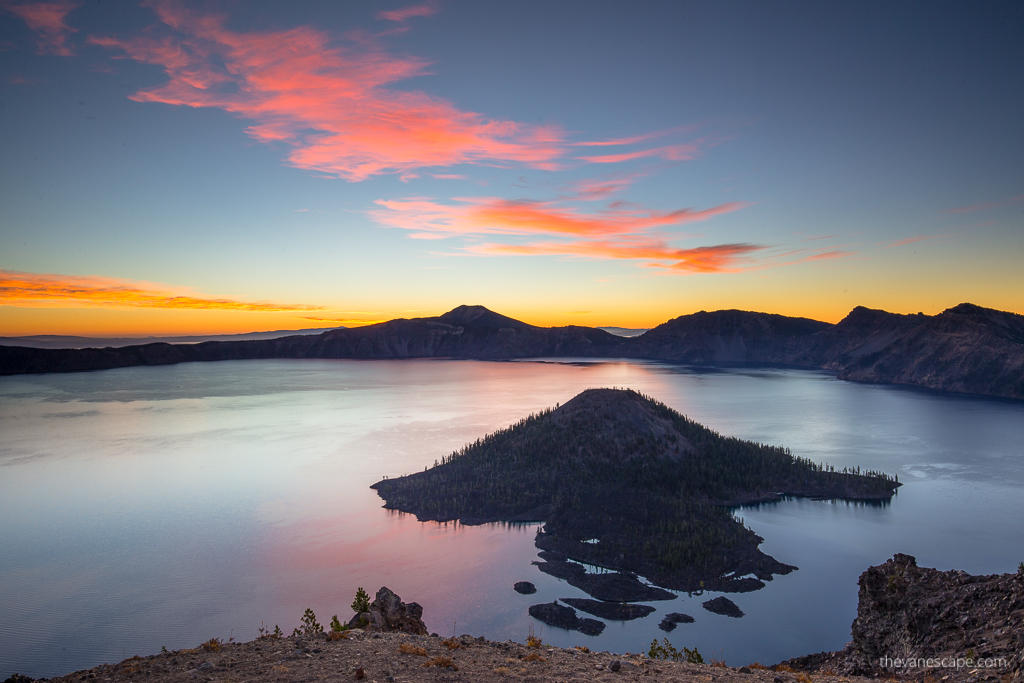
Exploring Crater Lake – Our Experience
Crater Lake National Park is the only national park in Oregon — and one of the most striking places in the entire Pacific Northwest. Its deep-blue water fills an ancient volcanic crater, surrounded by steep cliffs, evergreen forest, and panoramic viewpoints that look different every season.
Chris and I have explored Crater Lake several times during our Oregon travels. Each visit brought new experiences — from sunny summer hikes to snowy winter views — and we’ve rounded up our favorite things to do in Crater Lake National Park based on those trips.
This article focuses on the park’s top activities and attractions — the best viewpoints, trails, photo spots, and unique seasonal experiences. If you’re looking for practical details like where to stay, what to pack, or when to visit, check out our separate post on how to plan a trip to Crater Lake National Park.
The best time to fully enjoy all the activities Crater Lake has to offer is from early July through mid-October, when Rim Drive and most park facilities are open.
This article will show you why Crater Lake National Park is absolutely worth adding to your Oregon road trip itinerary.
15 Best Things to Do in Crater Lake National Park
Here is a list of the top activities and attractions to help you plan your visit. Depending on how much time you have, choose what best fits your interests and travel style. We recommend spending at least one full day in the park — more if you want to explore the trails, viewpoints, and surrounding areas at a relaxed pace.
Each activity below offers a different way to experience Crater Lake’s beauty — whether you prefer scenic drives, hiking, wildlife viewing, or just taking in the view with a cup of coffee in hand.
If you’ve heard about the boat tours to Wizard Island, keep in mind they’re currently unavailable due to dock damage and maintenance. So instead, we’ve put together this list of the best things you can still do in Crater Lake National Park in 2026–2027.
1. Drive the Crater Lake Rim
If you do only one thing in Crater Lake National Park, make it the Rim Drive. This 33-mile scenic road circles the entire caldera, offering jaw-dropping views from every turn. It’s one of the most spectacular drives in the United States and the best way to understand the scale and beauty of the lake.
There are over 30 overlooks along the loop, each revealing a different perspective — from sheer cliffs to forested slopes, islands, and distant Cascade peaks. Some stops are perfect for short walks, others for quick photo breaks or quiet picnics.
The drive takes about 2 hours without stops, but we recommend half a day to enjoy the viewpoints, read interpretive signs, and take short hikes along the way.
The road usually opens fully from early July through mid-October, depending on snow removal. During the rest of the year, only the West Rim remains accessible. Always check current road conditions on the National Park Service website before your trip.

2. Take the Crater Lake Trolley Tour
If you prefer to leave the driving to someone else, hop aboard the Crater Lake Trolley Tour. It’s one of the best ways to explore Rim Drive without worrying about traffic, parking, or road conditions — especially in the busy summer months.
The open-air, vintage-style trolleys follow the entire 33-mile Rim Drive, stopping at several scenic viewpoints. A park ranger rides along, sharing stories about the park’s volcanic past, unique geology, and wildlife. It’s a relaxing and educational way to experience the lake while learning details you might miss on your own.
Each tour lasts about two hours, with five scenic stops for photos and short walks. The trolleys depart from Rim Village, and tickets must be reserved in advance through the official tour operator, usually available from early July to mid-September depending on weather.
3. Stop at the Best Viewpoints
Every overlook around Crater Lake feels different. Some reveal wide-open views of the caldera, while others focus on the cliffs, forests, or volcanic formations. You don’t have to stop at all 30 pullouts, but several are too stunning to skip.
Here are some of the best viewpoints in Crater Lake National Park — perfect for photography, picnics, or simply admiring the colors of the lake.
- Discovery Point – One of our favorites, and the best place to start your visit. It’s where prospector John Wesley Hillman first spotted Crater Lake in 1853. The morning light here is beautiful, and the trailhead for Discovery Point Trail begins nearby.
- Watchman Overlook – Offers a sweeping view of Wizard Island and is one of the best spots for sunset. A short, steep trail leads to the historic fire lookout tower on Watchman Peak.
- Cloud Cap Overlook – The highest paved viewpoint on Rim Drive, with a unique perspective of the lake and surrounding mountains.
- Phantom Ship Overlook – Named for the small rocky island that looks like a ghostly sailing ship emerging from the mist.
- Pumice Castle Overlook – A roadside stop where you can spot bright orange and red volcanic formations contrasting with the deep-blue water.
- Vidae Falls – A picturesque 100-foot waterfall that cascades right beside the road, especially photogenic in late spring when snowmelt peaks.
If you love photography, plan to visit Discovery Point or Watchman Overlook for sunrise or sunset. The light changes the lake’s color from deep cobalt to bright turquoise — and reflections of the cliffs are often mirror-perfect on calm mornings.
4. Go Hiking in Crater Lake National Park
Hiking is one of the best ways to experience the dramatic scenery of Crater Lake. The park offers more than 90 miles of trails, ranging from short, easy walks to challenging climbs with unforgettable views. Whether you’re here for a few hours or a few days, there’s a hike for every ability and time frame.
Below are some of our favorite trails, which we’ve personally hiked over the years:
Easy Hikes
- Sun Notch Trail (0.8 miles round trip) – A short, scenic loop leading to views of the Phantom Ship. Great for families and first-time visitors.
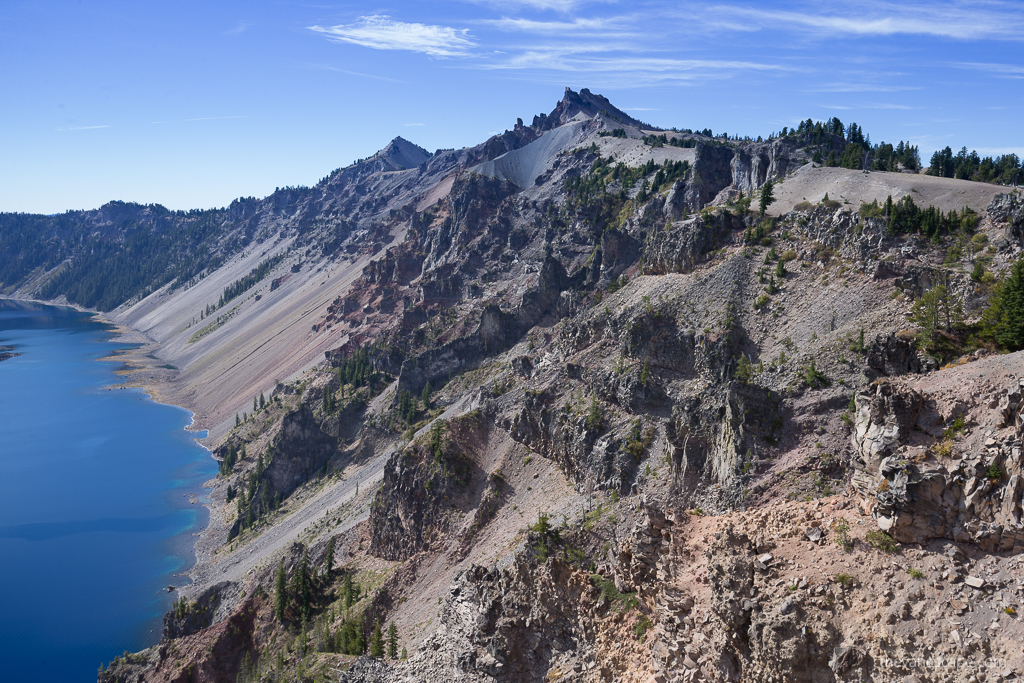
- The Pinnacles Trail (0.8 miles round trip) – An easy walk along a rim overlooking tall volcanic spires. It’s a great stop near the end of Pinnacles Road.
Moderate Hikes
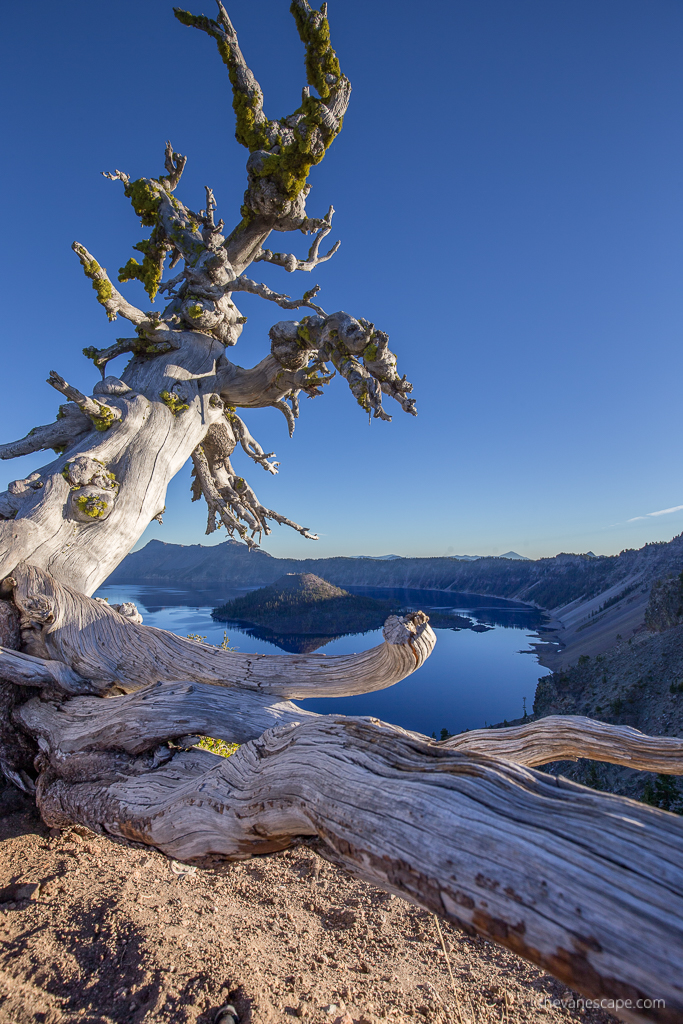
- Discovery Point Trail (2 miles round trip) – Follows the rim from Rim Village through a peaceful forest of whitebark pine, offering stunning lake views. Perfect for sunrise walks.
- Watchman Peak Trail (1.6 miles round trip) – A rewarding climb to a historic fire lookout above Wizard Island — one of our favorite sunset hikes in the park.
Strenuous Hikes
- Garfield Peak Trail (3.6 miles round trip) – Starts behind Crater Lake Lodge and climbs steeply to one of the best panoramic viewpoints in the park.
- Mount Scott Trail (4.4 miles round trip) – Leads to the park’s highest point at 8,929 feet, with breathtaking views in every direction. Start early for the best light.
- Cleetwood Cove Trail (2.2 miles round trip) – The only legal access to the lake’s shore. It’s steep and challenging but worth it if you want to reach the water’s edge.
Keep in mind that most trails are snow-covered until late June or early July. Always check trail conditions before hiking, bring water and layers, and wear sturdy shoes with good traction — volcanic rock can be slippery.
Chris and I love returning to Crater Lake for hiking. The views from above the rim never get old, and every trail gives a new perspective on this incredible volcanic landscape.

5. See the Pinnacles and Plaikni Falls
If you have time for a short scenic drive beyond the main rim, don’t miss The Pinnacles and Plaikni Falls. Both are located on the park’s east side and show completely different sides of Crater Lake’s volcanic landscape.
The Pinnacles are tall, needle-like spires formed thousands of years ago when hot volcanic gases escaped through layers of ash. The result is a surreal canyon filled with eroded gray towers that look almost otherworldly. The short Pinnacles Trail (0.8 miles round trip) follows the rim and offers plenty of great photo spots.
Just a few miles away, the Plaikni Falls Trail (2 miles round trip) leads through an old-growth forest to a lush waterfall fed by snowmelt from Mount Mazama. The name “Plaikni” comes from a Klamath word meaning from the high country. The trail is easy and family-friendly, and the waterfall is especially beautiful in late spring and early summer.
We combined both stops in one afternoon during one of our visits. The contrast between the dry volcanic valley at the Pinnacles and the green, shady forest at Plaikni Falls made it one of the most memorable parts of our Crater Lake trip.
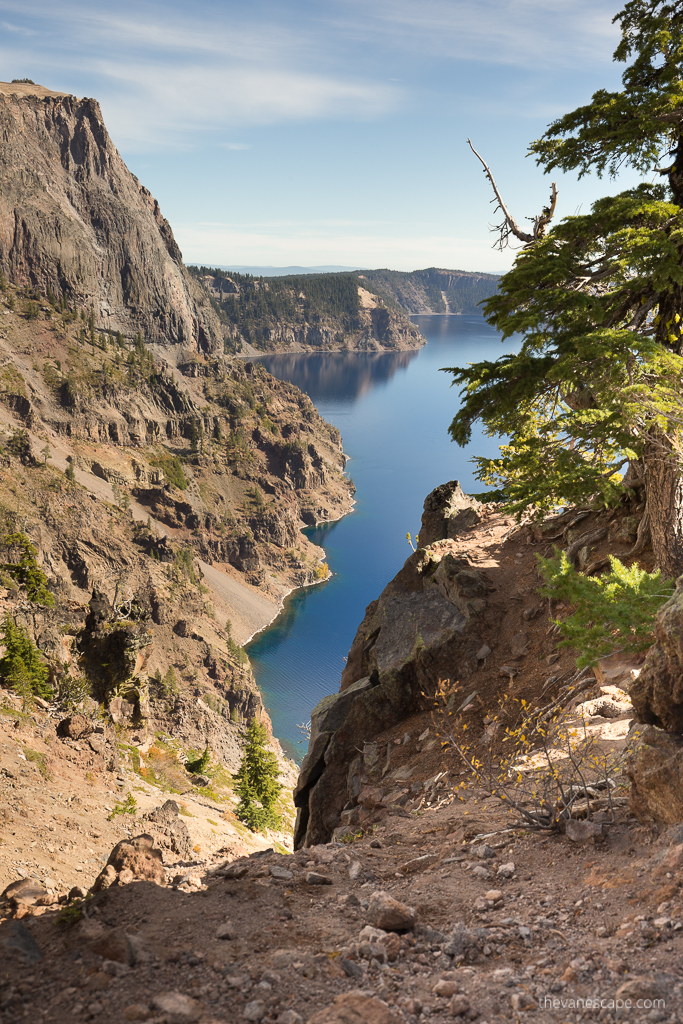
6. Catch a Sunrise or Sunset
Watching the sun rise or set over Crater Lake is one of those experiences you’ll never forget. The way the light changes the color of the water — from deep cobalt to fiery gold — is pure magic.
For sunrise, head to Discovery Point or Garfield Peak. In the early morning, the lake is often calm enough to reflect the cliffs and Wizard Island like a mirror. Dress warmly — even in summer, mornings at this elevation are chilly — and bring a thermos of hot coffee.
For sunset, the best spot is Watchman Overlook. From here, you can watch the last rays of light sweep across Wizard Island and fade behind the Cascade Mountains. If the trail is open, hike up to the Watchman Fire Lookout for a panoramic view — it’s one of our favorite sunset hikes anywhere in Oregon.
Chris and I have experienced both sunrise and sunset at Crater Lake, and each feels completely different. The morning is peaceful and quiet, while the evening glows with color and energy. If you can, plan to see both — they’re among the most beautiful moments you can experience in this park.
7. Go Stargazing on the Rim
Crater Lake is one of the best places in Oregon for stargazing. Far from city lights and sitting over 7,000 feet above sea level, the park offers incredibly dark skies where the Milky Way shines bright and clear.
On a moonless night, you can see thousands of stars reflecting on the lake’s surface. It’s a surreal experience — quiet, still, and absolutely breathtaking.
The best viewpoints for stargazing are Discovery Point, Watchman Overlook, and Cloud Cap Overlook. Bring a headlamp with a red light, dress in layers, and arrive before dark to find a safe spot away from the rim’s edge.
During the summer, the park occasionally hosts ranger-led astronomy programs with telescopes and presentations about the night sky. Check the schedule at the Rim Village visitor center — it’s a great way to learn more while enjoying the stars.
Chris and I once stayed past midnight on the rim to photograph the stars over Wizard Island. The air was cold, the lake was perfectly still, and it felt like we had the entire park to ourselves. It’s an unforgettable experience we highly recommend if the weather is clear.

8. Enjoy a Picnic with a View
Few places in Oregon offer a picnic view as stunning as Crater Lake. The combination of crisp mountain air, endless blue water, and total quiet makes every snack taste better.
There are several great picnic spots along Rim Drive, many with tables and shaded areas. Some of the best places to stop include Discovery Point, Cloud Cap Overlook, and the pullouts near Vidae Falls. But honestly, even a fallen log with a lake view works perfectly here.
Pack a cooler with simple lunch items, plenty of water, and maybe a thermos of coffee or tea — it’s often cooler than you expect at this elevation. A waterproof picnic blanket is also handy if you prefer to sit on the ground.
Chris and I love to take short breaks between hikes to enjoy a quiet meal overlooking the lake. We’ve learned to slow down here — the scenery is so beautiful, it deserves more than just a quick photo stop.
Remember to pack out all your trash, even food scraps, and practice Leave No Trace principles to help keep this park pristine for everyone.

9. Visit the Historic Crater Lake Lodge
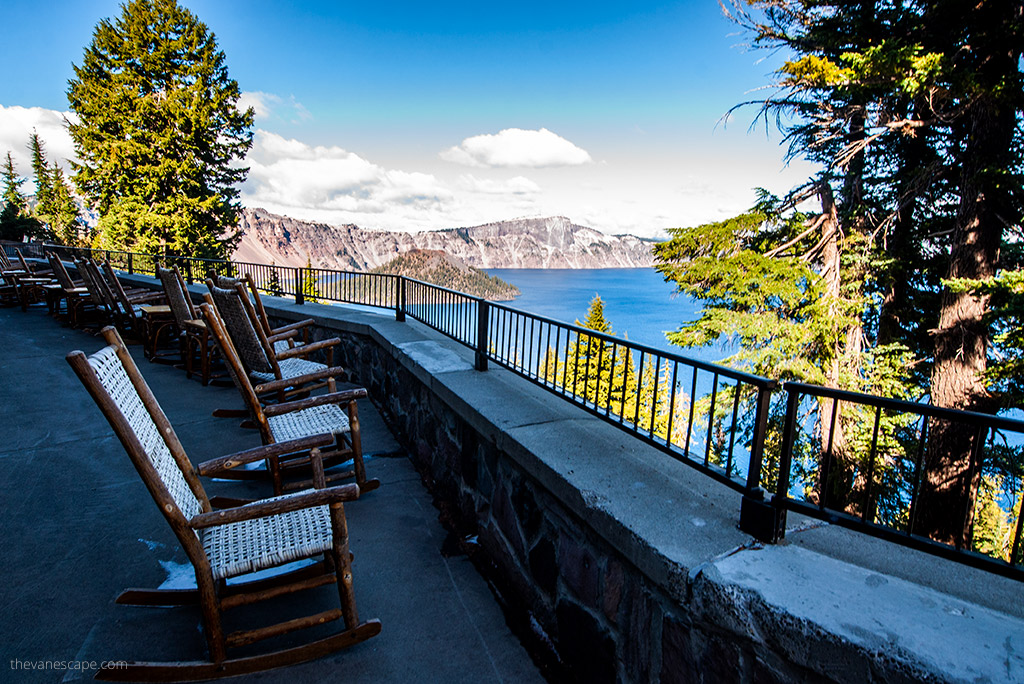
If there’s one place that captures the old charm of national park travel, it’s the Crater Lake Lodge. Perched on the edge of the caldera, this 1915 lodge offers panoramic views right from its veranda — the kind that make you want to linger for hours.
Even if you’re not staying overnight, it’s worth stopping by to explore the lobby, enjoy a meal, or sip a drink while taking in the view. The Great Hall feels timeless with its stone fireplace, rustic beams, and vintage atmosphere that’s been welcoming travelers for more than a century.
Step outside onto the lakefront patio, where rocking chairs face one of the most breathtaking vistas in Oregon. It’s a perfect spot to watch the sunset or simply relax after a day of exploring.
Chris and I love visiting the lodge whenever we’re in the park — sometimes just for lunch, sometimes just for the view. It’s one of those places where you truly feel the spirit of Crater Lake: peaceful, remote, and completely unforgettable.
10. Join a Ranger Program
Joining a ranger-led program is one of the best ways to learn more about Crater Lake National Park. These programs are fun, informative, and often reveal details you’d never notice on your own — from the park’s volcanic history to its unique wildlife and ecology.
During the summer season (late June through September), park rangers lead a variety of free activities, including short guided walks, evening talks at the Rim Village amphitheater, and geology presentations at key viewpoints. Some programs are family-friendly, while others focus on photography or natural history.
Schedules change weekly, so it’s best to check the board at Rim Village or ask at the visitor center when you arrive. Most programs don’t require reservations — just show up, bring curiosity, and be ready to learn something new.
11. Go Biking on the Rim or Join the Ride the Rim Event
Cycling the Rim Drive is one of the most scenic — and challenging — rides in Oregon. The road circles 33 miles around the caldera, climbing and descending through sharp curves and breathtaking overlooks. It’s a ride for experienced cyclists, but the views make every mile worth it.
Because the road has steep grades and no shoulders, it’s important to ride cautiously and start early before traffic builds. Summer mornings are usually calm and cool — perfect for cycling. Bring plenty of water and layers, as the elevation can make the weather unpredictable.
Each year, the park also hosts Ride the Rim, a special event when the entire Rim Drive is closed to vehicles for two days in September. It’s the safest and most enjoyable way to experience the loop on a bike or even on foot. Riders can start from either Rim Village or North Junction, with rest stations and shuttles available.
Chris and I haven’t cycled the full loop yet, but we’ve joined part of the Ride the Rim event and loved the freedom of having the entire road to ourselves. It’s a unique chance to enjoy the silence, take photos, and truly soak in the views without a single car in sight.
12. Photograph the Lake
Crater Lake is a photographer’s dream. Its intense blue color, dramatic cliffs, and reflections make it one of the most photogenic national parks in the U.S. Whether you’re shooting with a professional camera or a smartphone, every turn on Rim Drive offers another perfect frame.
The best time for photography is early morning or late evening, when the light is soft and the lake surface is calm enough to capture reflections. Discovery Point, Watchman Overlook, and Cloud Cap Overlook are especially stunning during these golden hours.
Bring a tripod if you plan to photograph sunrise, sunset, or the night sky — it helps capture long exposures of the lake’s mirror-like water and bright stars. A wide-angle lens (14–24mm) works best for sweeping views, while a standard zoom (24–70mm) helps you frame details like Wizard Island, Phantom Ship, and colorful volcanic rock layers.
Chris and I love returning to the rim at different times of day just to watch how the light transforms the scene. One moment, the lake glows deep indigo; the next, it turns bright turquoise. Even after several visits, we still can’t stop taking pictures — every trip gives us new shots and new moods to capture.
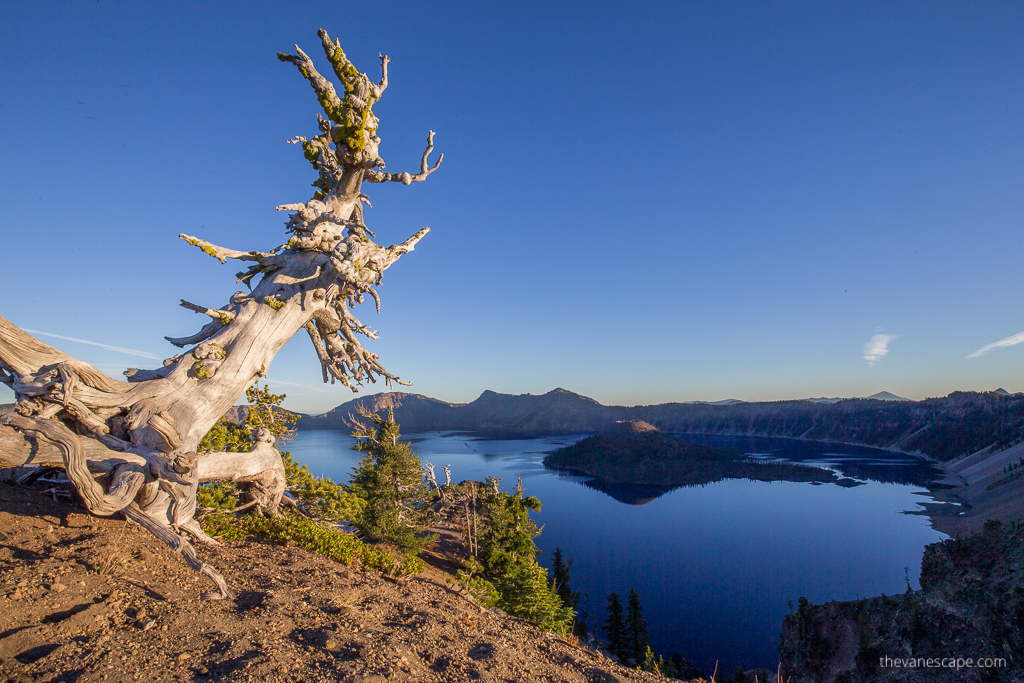
13. Relax at Diamond Lake or Mazama Village
If you have extra time, plan to unwind at Diamond Lake or Mazama Village, both located just outside the park’s main entrances. They’re perfect for relaxing after a day of hiking or driving the rim — and both offer beautiful mountain views with easy access to Crater Lake.
Diamond Lake, only 7 miles north of the park’s North Entrance, is a popular spot for kayaking, paddleboarding, and fishing in summer. The Diamond Lake Resort and nearby campground make it a great base if you prefer staying close to nature but still want amenities like a restaurant, general store, and boat rentals. It’s also a lovely area for cycling or just taking a peaceful walk along the lakeshore.
Mazama Village, near the South Entrance, is the main hub inside the park during the summer. It includes a campground, a small lodge, a visitor store, and one of the few fueling options in the area. It’s a good place to rest, grab a snack, or spend the night if you’re exploring Crater Lake for more than one day.
14. Experience Winter in Crater Lake National Park
Visiting Crater Lake in winter is a completely different experience — beautiful, quiet, and sometimes challenging. The park receives more than 500 inches of snow each year, so from late October through early June, deep snow covers most of the park’s roads, trails, and facilities.
While Rim Drive and the North Entrance remain closed for months, the Rim Village area stays open year-round, offering one of the few accessible viewpoints of the lake. All lodging, campgrounds, and most services close for the season, so winter trips require careful preparation. Bring warm clothing, food, and check road conditions before driving — storms can arrive suddenly.
Despite the challenges, winter brings unique opportunities for adventure. You can snowshoe along the rim, cross-country ski through the forest, or join a ranger-led snowshoe walk offered on weekends when conditions allow. The crisp air, silence, and color contrast between the deep-blue lake and white snow make it a photographer’s dream.
15. Respect and Protect Crater Lake
Crater Lake is one of the cleanest and clearest lakes on Earth — and keeping it that way depends on all of us. The park’s fragile volcanic landscape is easily damaged, and small actions make a big difference.
Stay on marked trails, never throw anything into the lake, and pack out every piece of trash, including food scraps. Swimming and cliff jumping are not recommended — the water is icy cold, and accidents happen every year. Pets must stay on a leash, and drones are strictly prohibited inside the park.
Also, check for road closures and fire restrictions before your visit, especially during late summer when wildfires are common in southern Oregon. Follow ranger advice and avoid areas marked as sensitive habitat.
Chris and I have visited this park many times, and every trip reminds us how wild and untouched it still feels. Treat it gently — leave no trace, respect the wildlife, and help keep Crater Lake as pristine as it looks today.

Final Thoughts
Crater Lake is one of those places that stays in your memory long after you leave. For us, some of the most unforgettable moments were driving the Rim Drive, hiking to Watchman Peak, and watching sunrise from Discovery Point. We also loved relaxing at Crater Lake Lodge with a cup of coffee after a long day of exploring.
If you only have time for a few stops, make sure to visit Cloud Cap Overlook, Phantom Ship Overlook, and Sinnott Memorial Overlook — they offer some of the park’s most spectacular views of the deep-blue lake.
Every visit to Crater Lake reminded us why this is Oregon’s crown jewel. Take your time, enjoy the quiet, and soak in those ever-changing shades of blue — there’s nothing quite like it anywhere else in the U.S.
Do You Like It? Pin It For Later!