How to Plan a USA Road Trip: Step-by-Step Guide for 2026
Planning a road trip in the United States can feel overwhelming. So let’s make it simple and fun. This guide walks you step by step from idea to wheels rolling. Chris and I have spent years on the road, taking several dozen 2–4 week road trips across the U.S.—and one unforgettable nine-month journey from Alaska to Florida that covered more than 26,000 miles. Those experiences taught us what actually works, what wastes time, and how to keep trips stress-free. You’ll learn how to set a realistic pace, choose the best season, and map a smart route. We’ll cover budgets, lodging, safety, and the exact apps we use. It’s perfect for first-timers and anyone who wants a cleaner system. Ready to plan a road trip you’ll actually enjoy?
This article may contain affiliate / compensated links. For full information, please see our disclaimer here.
Our Road-Tripping Experience Across the USA
Chris and I have explored many countries around the world, but we have no doubt that the United States is one of the best destinations on Earth for road trips.
The variety of landscapes, climates, and routes is simply unmatched—mountains and deserts, ocean drives, vast plains, and hidden backroads that make every journey unique. That’s exactly why we decided to create The Best USA Road Trips blog (know earlier as The Van Escape)—to share the endless opportunities this country offers for every style of traveler.
I stopped counting how many road trips we’ve actually taken. Dozens of them lasted two, three, or four weeks, and one unforgettable journey stretched into a nine-month adventure across the U.S. We’ve traveled in our own cars and campervan, and we’ve rented vehicles more times than I can remember.
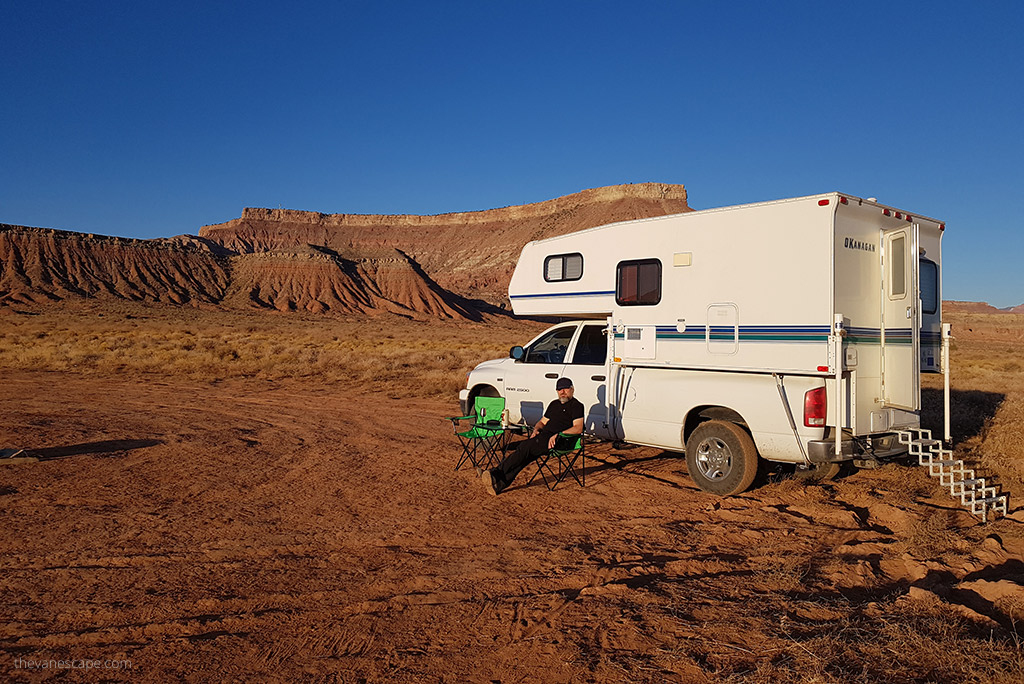

We’ve camped under the stars on public lands, stayed in rustic state-park campgrounds, cozy lodges, and classic roadside motels. Along the way came the less-glamorous side of road-tripping too — flat tires, breakdowns, washed-out roads, bad weather, and canceled plans that forced us to rethink our budget.
Those tougher moments only made the good ones sweeter: sunrise drives through the Rockies, spontaneous beach walks along the California Coast, mountain hikes in Colorado, and the simple joy of an open highway ahead.
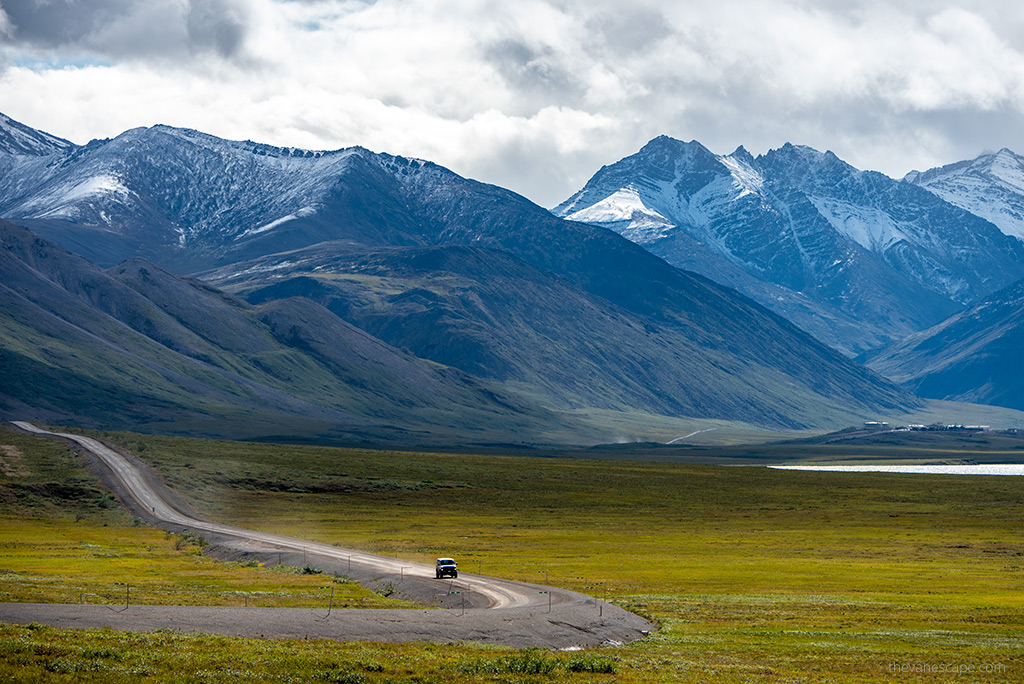
Over the years, we’ve explored every kind of road — from smooth, well-maintained interstates to gravel backroads and challenging mountain byways that tested both us and our vehicles. After tens of thousands of miles, we’ve learned how to plan a road trip across the USA — because we’ve lived it, mile after mile.
Maybe your own plans include cruising through Utah’s national parks, taking a scenic loop through Colorado, or exploring the misty Oregon Coast. Or perhaps you’re dreaming about an RV adventure in Alaska. Either way, this guide will walk you through each step to plan your perfect road trip.

Quick Start: Plan Your USA Road Trip in 10 Steps
Before we get into the details, here’s a simple checklist you can follow from start to finish. Bookmark this section—it’s the same system Chris and I use for every road trip, whether it’s a two-week Southwest loop or a cross-country drive.
- Choose Your Travel Style
Decide what kind of trip fits you best—national parks, coastlines, small towns, or big cities. - Decide on Transportation
Will you use your own car, rent a vehicle, or try an RV or camper van? Confirm insurance and roadside assistance. - Pick the Season and Region
Match your destination to the best weather window. Summer suits the mountains; spring or fall is perfect for the Southwest and Florida. - Set Your Timeline and Daily Driving Limit
Most travelers enjoy 4–6 hours of driving a day. Leave room for photo stops, hikes, and the unexpected. - Sketch the Route
Use Google Maps or Roadtrippers to connect your must-see spots. Add buffer days and mark attractions that need advance reservations. - Plan Your Budget
Estimate costs for fuel, lodging, food, activities, and entrance fees. Add a 10–20% cushion for surprises. - Book Key Stays and Permits Early
Reserve hotels, campgrounds, or national park passes several months ahead, especially for peak season. - Prep Your Vehicle
Check tires, fluids, brakes, lights, and emergency gear. Bring paper maps and download offline maps before leaving. - Pack Smart and Light
Pack layers, reusable water bottles, snacks, and a first-aid kit. Keep essentials within reach and store heavier items low and secure. - Stay Flexible and Enjoy the Journey
Some of the best memories come from unplanned stops—small diners, scenic detours, and friendly locals.

Define Your Trip: Choose Your Style and Route Goals
Before you start mapping routes and booking hotels, take a moment to define what kind of trip you want this to be. The clearer your vision, the easier every decision becomes later.
1. Decide What Inspires You Most
Ask yourself what draws you to the road. Are you dreaming of dramatic national parks, small historic towns, desert canyons, or coastal drives? Maybe you love hiking, photography, or simply wandering without a schedule.
Write down a few things that excite you the most — those will become the core of your route.
Agnes’ Advice: Don’t try to see everything in one trip. Focus on one region, pick one state, or theme — like “Southwest Slot Canyons,” “Pacific Coast Drive,” or “Utah National Parks.” You’ll see more, stress less, and actually enjoy the journey.
2. Set a Realistic Time Frame
Most U.S. road trips work beautifully in two to three weeks. That’s enough time to drive a loop through several states, explore key attractions, and still have rest days. If you only have a week, stick to one state or a smaller region. Longer adventures — a month or more — are perfect for cross-country routes.
3. Find Your Perfect Pace
The biggest mistake most travelers make? Packing in too much. Aim for 4–6 hours of driving a day at most. Build in time for photo stops, scenic detours, and coffee breaks. Road-tripping is not about racing; it’s about soaking up what’s between the dots on your map.
4. Make a Shortlist of Must-See Stops
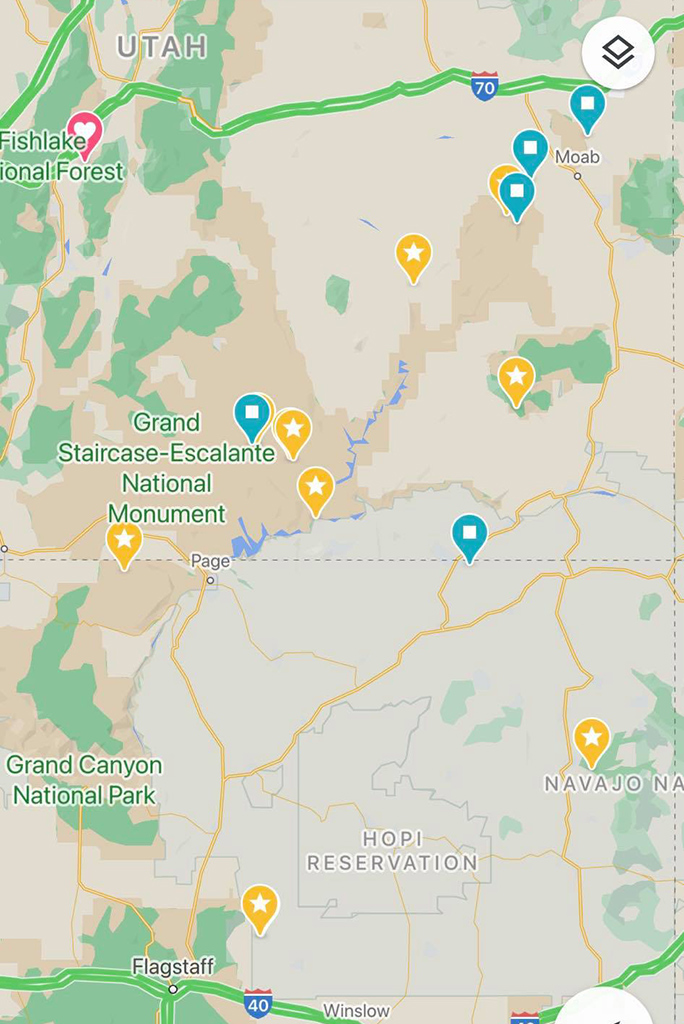
List your dream parks, towns, or landmarks. Then look them up on Google Maps or Roadtrippers to see how they connect. Add icons or “stars” for places you don’t want to miss and group them into a logical route.
5. Research Seasonal Conditions
Every region in the U.S. has its own rhythm. Some roads close in winter; others are unbearable in midsummer heat. Before setting your route, check conditions, road closures, and any timed-entry or permit systems (especially for national parks).
Agnes’ Advice: Always check official sources — like the National Park Service website — for closures, weather alerts, and reservation updates. It will save you from major headaches on the road.

Decide on Transportation
Once you know your travel style and goals, the next big choice is how you’ll hit the road. Your vehicle determines everything — pace, comfort, budget, even where you can sleep. Chris and I have tried them all: cars, campervans, SUVs, RVs. Our own and many rentals. Each has pros and cons, depending on your route and season.
1. Your Own Car
If you already own a reliable car or SUV, this is often the easiest and most budget-friendly option. Before setting off, give it a full inspection: oil, tires, fluids, brakes, wipers, lights, and battery. Bring your insurance and roadside assistance details, and pack an emergency kit.
Agnes’ Advice: Have a mechanic check your car before any long trip. A simple tune-up at home is cheaper than a major repair in the middle of nowhere.
2. Rental Car
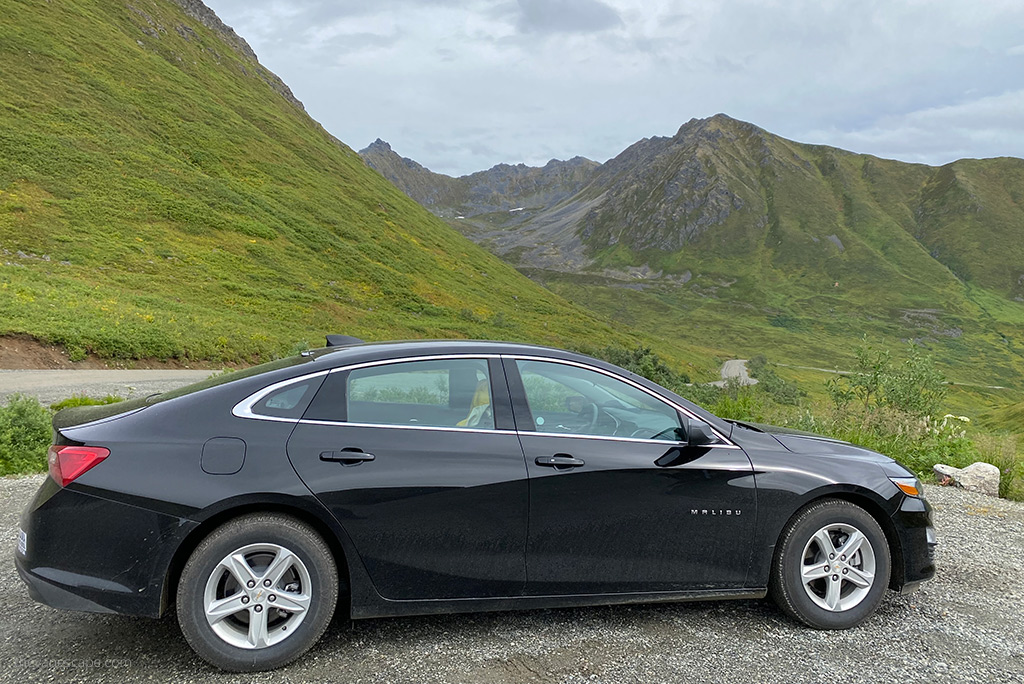
Renting is perfect if you’re flying into your starting point or want a vehicle that fits your specific trip — maybe a 4WD for rough terrain or a fuel-efficient hybrid for long drives.
Compare offers early using reliable platforms like RentalCars or Expedia, and always read the fine print about mileage limits, insurance, and one-way fees.
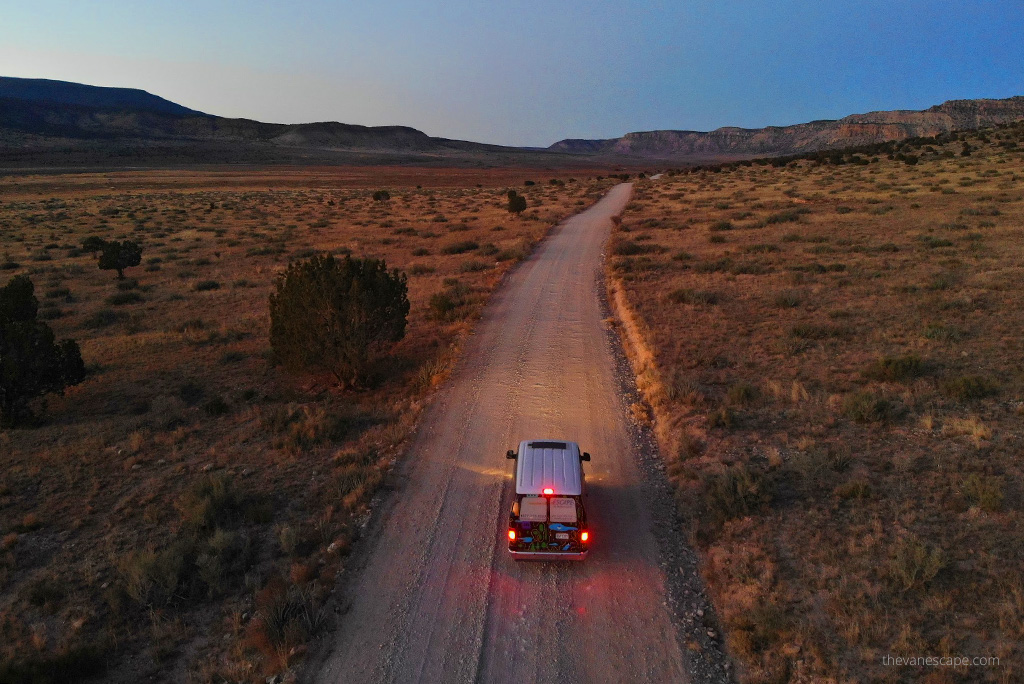
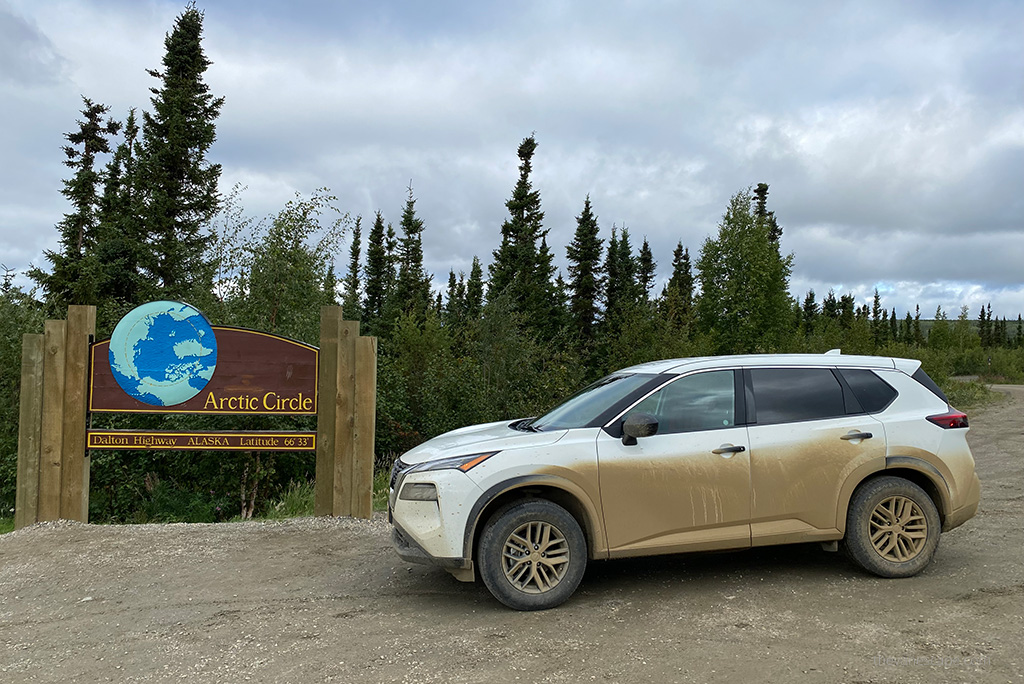
If you plan to drive on gravel roads or scenic byways like Utah’s Burr Trail, Cathedral Valley Loop, or Colorado’s Alpine Loop, check the rental policy carefully — many companies prohibit unpaved roads.
Agnes’ Advice: For routes that include backroads, national parks, or high elevations, a mid-size SUV offers the best balance of comfort, clearance, and storage space.
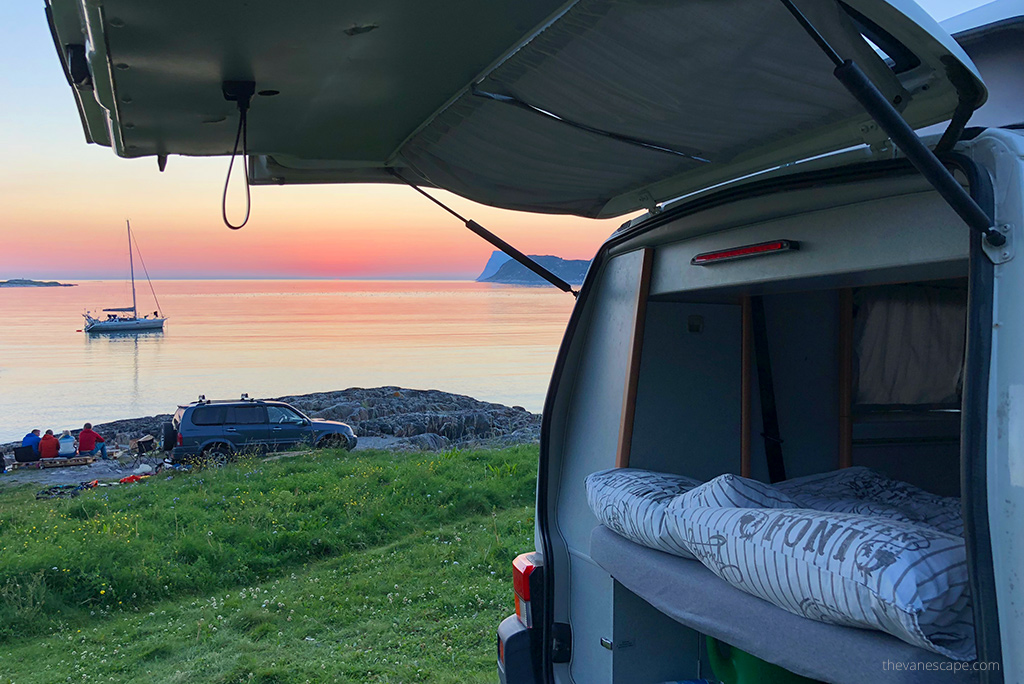
3. Campervan or RV
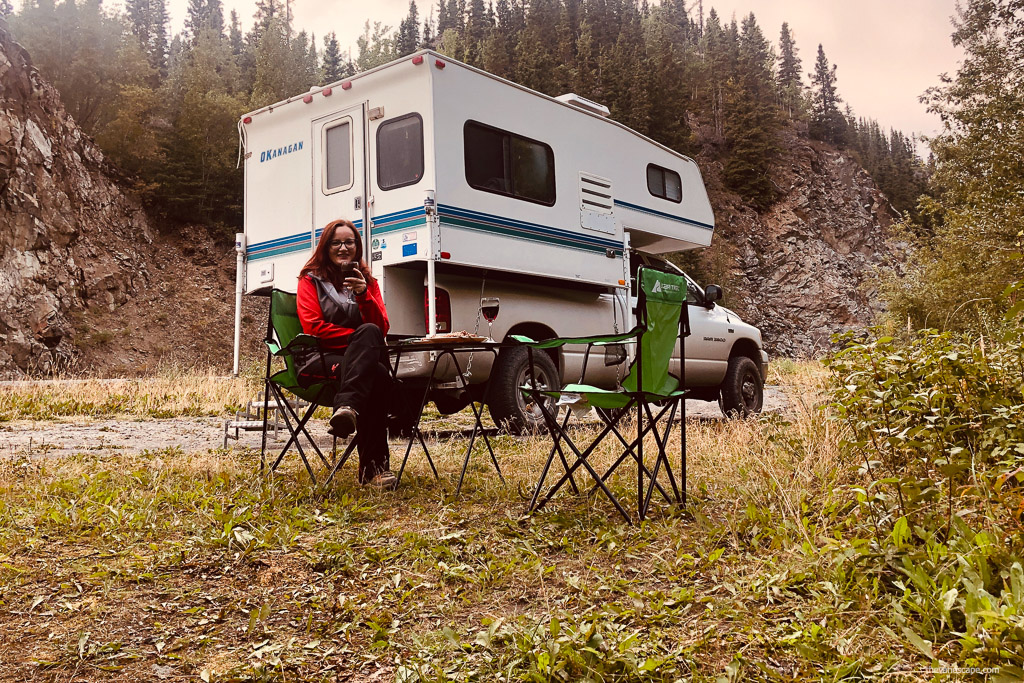
If you love flexibility and want your bed, kitchen, and wheels all in one, renting a campervan or RV can be amazing. You can stop almost anywhere, enjoy campgrounds or public lands, and save on lodging and food.
But remember — driving an RV is slower, parking takes planning, and fuel costs are higher.
For beginners, start small: try a campervan or Class C RV for your first trip. You can rent through Outdoorsy, RVshare, or local companies that include insurance and gear.
Agnes’ Advice: Always check campground lengths and road restrictions in advance. Some scenic roads — like California’s Highway 1 or parts of Glacier National Park — have RV length limits.
4. Mix and Match
Many travelers combine options: rent a car for part of the trip, then switch to a campervan or RV for national park exploration. If you’re planning a longer route, this hybrid approach can save money and give you the best of both worlds.
Pick the Best Time to Go: Seasons and Regions
Timing can make or break your road trip. The United States is huge, and each region has its own best season for driving, sightseeing, and weather. Choosing the right time will shape everything — from your route and budget to what you pack and where you stay.
Spring (March–May)
Spring is one of the best times to road trip in the South and Southwest. Wildflowers blanket Texas Hill Country, temperatures are ideal in Utah’s national parks, and Arizona’s desert trails are still comfortable before the summer heat hits. It’s also a great shoulder season for California’s coast, when crowds are smaller and days are mild.
Agnes’ Advice: Watch out for spring flooding and snowmelt in mountain and regions — some high-elevation passes can stay closed until late May or even June.
Summer (June–August)
Summer is perfect for mountain and coastal adventures. Head to the Rockies, the Pacific Northwest, the Great Lakes, or New England for long days and vibrant landscapes. It’s also prime time for family vacations, so expect higher prices and busy national parks.
If Alaska is on your radar, this is the only realistic season to drive there — but for the Lower 48, focus on coastal and mountain regions where temperatures stay pleasant and scenic drives are fully open.
Agnes’ Advice: Reserve your campsites, hotels, park passes, and key attractions months ahead — especially in places like Yellowstone, Zion, Grand Canyon, Glacier, and Yosemite.
Fall (September–November)
Fall brings crisp air, fewer crowds, and incredible color. It’s our favorite time for New England, the Blue Ridge Parkway, and the Pacific Northwest. National parks are quieter, and prices drop after Labor Day. Early fall also works beautifully for the Southwest when daytime temperatures cool but roads remain clear.
Agnes’ Advice: For fall colors, aim for mid September to late-October. Mountain passes can start seeing snow by early November. Some scenic roads are closed from mid-October.
Winter (December–February)
Winter is ideal for the Southwest, California deserts, Florida, and Gulf Coast routes. Clear skies and mild weather make places like Death Valley, Joshua Tree, and Big Bend magical this time of year.
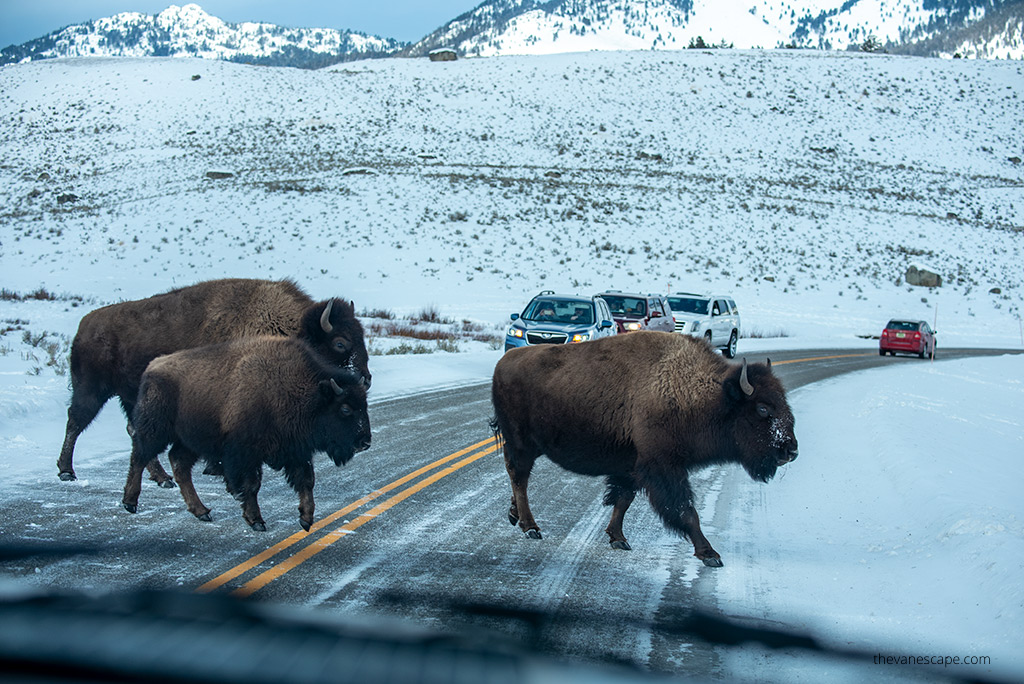
If you plan a winter road trip through colder states, check road conditions daily — some scenic routes and mountain passes close for the season. We explored Yellowstone in winter and it was incredible adventure. Also Badlands in winter was spectacular.
Agnes’ Advice: Always carry snow chains if driving through high elevations, and watch for wildlife on icy roads. Short daylight hours also mean adjusting your daily drive time.
Plan Your Route: Tools, Maps, and Navigation Tips
Once you know your region and season, it’s time to connect the dots. A good route balances scenery, comfort, and flexibility — it’s the backbone of a great road trip.
Chris and I always start with a rough sketch, then refine it with tools that show distances, drive times, and interesting stops along the way.
1. Start With a Big Picture Map
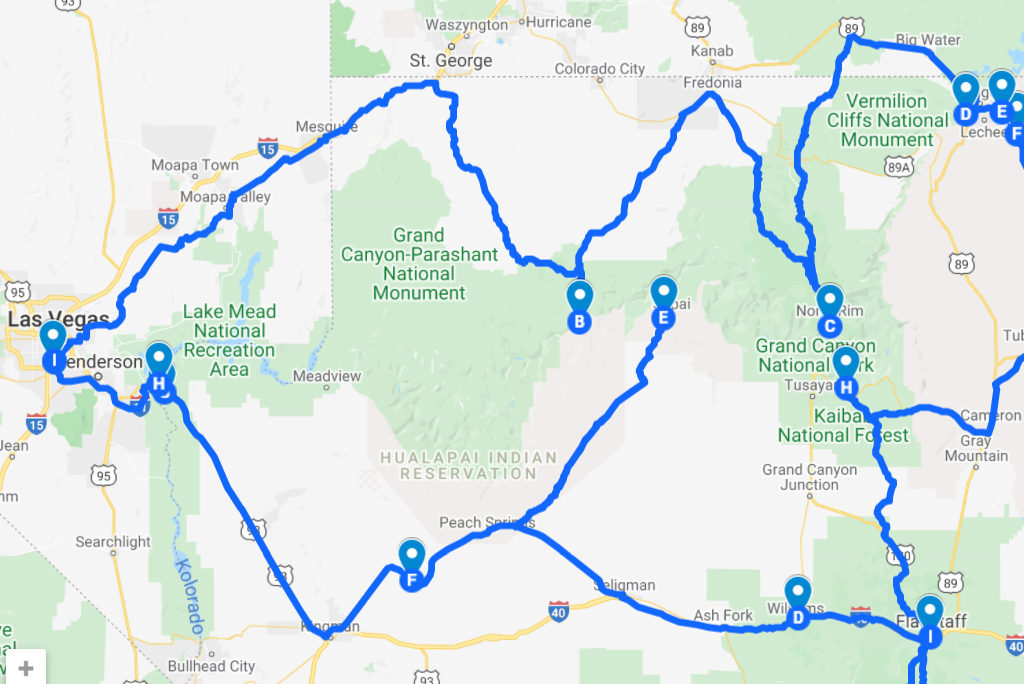
Begin by dropping your must-see destinations into Google Maps or Roadtrippers. You’ll instantly see how they connect, what’s realistic, and what might be too far for your available days.
If your route looks packed, shorten it. It’s better to explore one region well than rush through three. We’ve learned that the hard way — the best moments always come when you have time to pull over for a surprise view or a small roadside café.
Agnes’ Advice: Add at least 20–25% extra time to Google’s drive estimates. Stops for gas, food, and photos always take longer than expected.
2. Use the Right Planning Tools
Here are the apps and websites we use most often:
- Google Maps / My Maps: Free, reliable, and great for route previews and saved locations.
- Roadtrippers: Perfect for finding quirky roadside attractions, local diners, and offbeat detours.
- Myscenicdrives: Highlights scenic byways and points of interest along your route.
- AAA TripTik Travel Planner: Offers paper and digital maps, discounts, and travel guides for members.
- AllTrails: Excellent for adding hikes or nature stops along your route.
- GasBuddy: Helps you locate the cheapest gas nearby.
Agnes’ Advice: Before your trip, print or download a paper atlas. We always travel with Benchmark Maps or the Delorme Atlas & Gazetteer. They’re irreplaceable when cell coverage drops in remote areas.
3. Build Flexibility Into Your Plan
Plan your overnight stops, but leave gaps for spontaneous side trips. You might spot a scenic overlook or a small town you didn’t know about — that’s part of the fun.
Try to balance long driving days with lighter ones. For example, after an 8-hour drive day, plan only 2–3 hours of driving the next day and time for hiking or sightseeing.
4. Download Offline Maps
Many regions of the U.S. — especially in national parks, mountain passes, and desert areas — have no signal. Before leaving home, download offline maps on Google Maps or Maps.me.
How to do it:
- Open Google Maps on your phone.
- Tap your profile icon → Offline Maps → Select Your Own Map.
- Zoom in on the area you want to download and tap Download.
Agnes’ Advice: Also save key addresses like your first-night hotel, car rental office, and emergency contacts. If your phone dies or loses connection, you’ll still have the essentials.
Plan Your Budget: How to Estimate Costs and Save Money on the Road
Road trips can be as affordable or as expensive as you make them. The key is planning your budget before you go so you don’t spend your vacation worrying about every gas stop or meal.
Chris and I learned this the hard way — on one of our first long trips, unexpected repairs and extra nights almost doubled our costs. Now we always plan ahead and track our spending daily.
1. Set Your Total Budget
Start by setting an overall number you’re comfortable spending. Then break it down into daily and category budgets. Even a simple spreadsheet can help you stay on track. We use Google Sheets so we can update expenses right from the road.
2. Know Your Main Expense Categories
Here are the biggest cost areas to expect:
- Transportation: Flights, car rental or RV fees, insurance, tolls, parking, and fuel.
- Accommodation: Hotels, motels, cabins, or campgrounds.
- Food: Groceries, restaurant meals, coffee stops, and snacks.
- Activities: Entrance fees, tours, national park passes, and special experiences.
- Miscellaneous: Laundry, souvenirs, and those unexpected surprises that always pop up.
Agnes’ Advice: Add at least 15–20% extra for unplanned expenses. It’s your safety net when plans change — and they often do.
3. Estimate Fuel Costs
Gas is often the biggest expense, especially for long routes or RV trips. Use the GasBuddy app or the Fuel Economy Calculator to estimate fuel costs for your route. Enter your vehicle’s average miles per gallon and the total distance.
If you want to save money, plan to avoid toll roads when possible and drive at steady speeds. Slowing down even a few miles per hour can improve your fuel efficiency noticeably.
4. Find the Right Lodging Balance
Decide how often you’ll camp, stay in hotels, or mix the two.
- Hotels and motels: Expect $90–250 per night in most areas.
- Campgrounds: Range from $20 for basic sites to $60+ for full hookups.
- BLM or National Forest lands: Often free or very low cost but may require a permit.
Booking early, especially for national parks, saves money and stress. Outside major tourist areas, you can often find same-day deals on apps like Booking.com or Hotels.com.
Agnes’ Advice: On longer trips, plan a few “splurge nights” with good beds and showers — it keeps morale high.
5. Manage Food Costs
Eating out three times a day can destroy a budget fast. We usually eat breakfast and lunch from our cooler or camp stove and treat ourselves to local dinners a few times a week.
A small camping stove, cooler, and reusable utensils go a long way. For hotel trips, even an electric kettle or travel coffee maker saves both money and time.
6. Plan and Pre-Book Major Activities
If you know you want to take a scenic flight, guided hike, or kayak tour, book it in advance. That locks in your cost and schedule.
For most tours, we use Viator or GetYourGuide because of their clear cancellation policies. And don’t forget to buy the America the Beautiful Pass — it covers entrance to over 2,000 national parks and public lands for just $80 a year.


7. Track Your Spending on the Road
Every night, take five minutes to enter expenses into your phone or spreadsheet. It keeps you aware of your daily average and helps you make smarter choices along the way.
Agnes’ Advice: When we traveled across the U.S. for nine months, this habit saved us more than once — we could see exactly when fuel or eating out started to creep above our plan.
Where to Stay: Hotels, Campgrounds, and Public Lands Options
Your lodging choices shape your road trip more than you might think. Whether you prefer comfy hotels, scenic campgrounds, or sleeping under the stars, where you stay affects your budget, flexibility, and overall experience.
Chris and I have tried them all — from cozy lodges and roadside motels to national park campgrounds, dispersed BLM sites, and even sleeping in our car when plans fell apart. Each style has its perks.
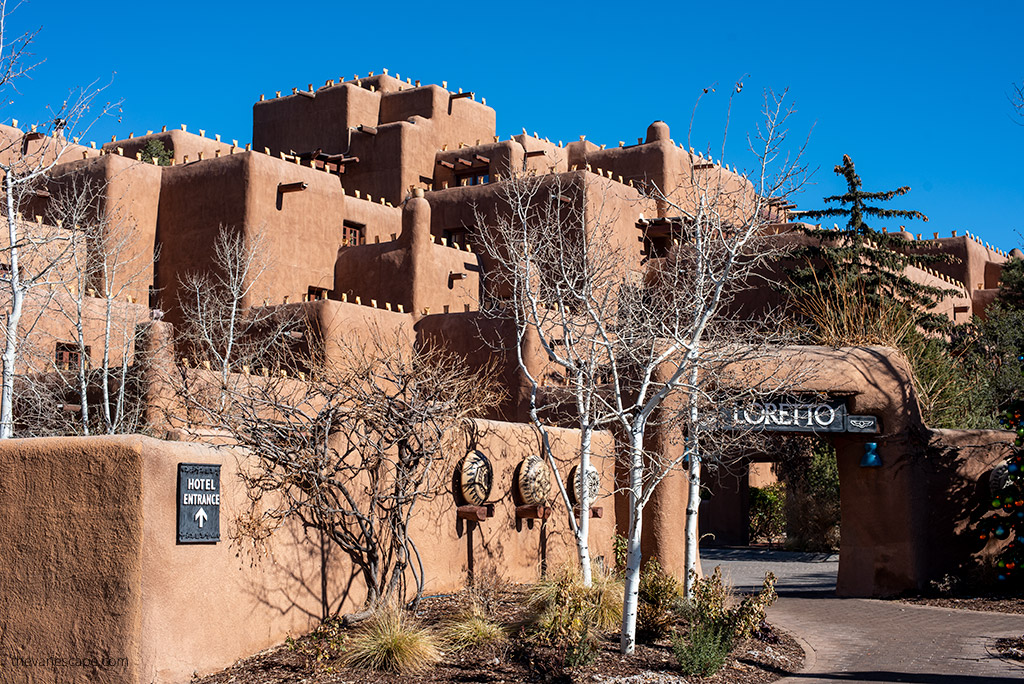
1. Hotels and Motels
Perfect for comfort and convenience. After long driving days, a hot shower and real bed can feel like luxury.
Book early if your route includes national parks or major summer destinations like Moab, Yellowstone, or the Oregon Coast. Prices rise quickly as rooms fill up.
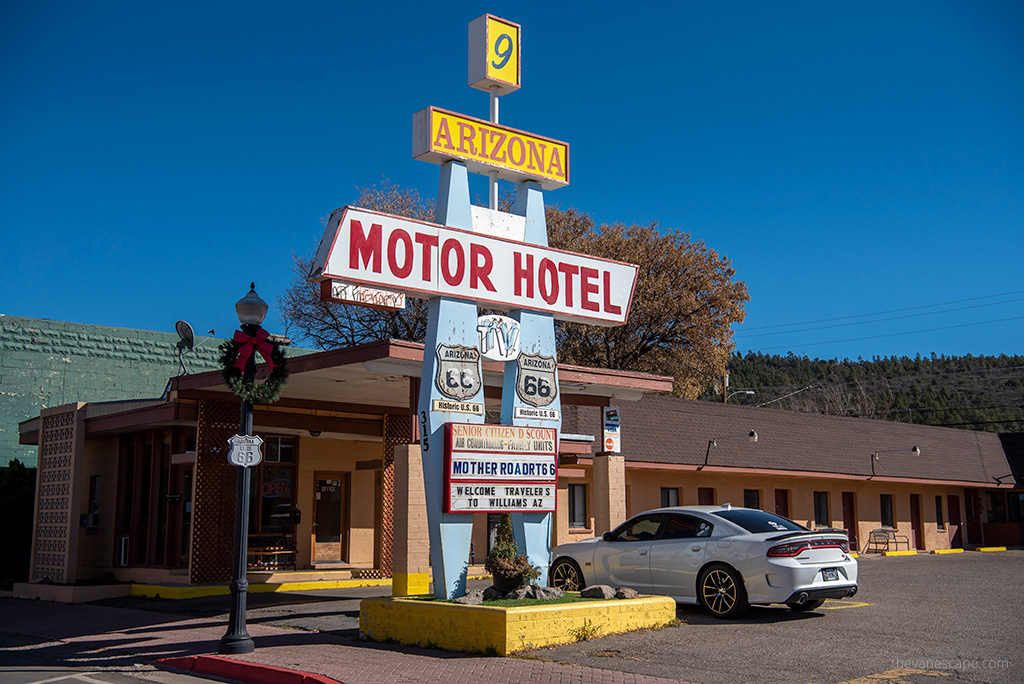
For last-minute deals, try Booking.com, Hotels.com, or Expedia. Smaller towns often have charming local motels that don’t appear on big booking sites, so it’s worth driving through and asking in person.
Agnes’ Advice: When booking hotels, check whether taxes and resort fees are included in the final price — many websites list the base rate only.

2. Campgrounds
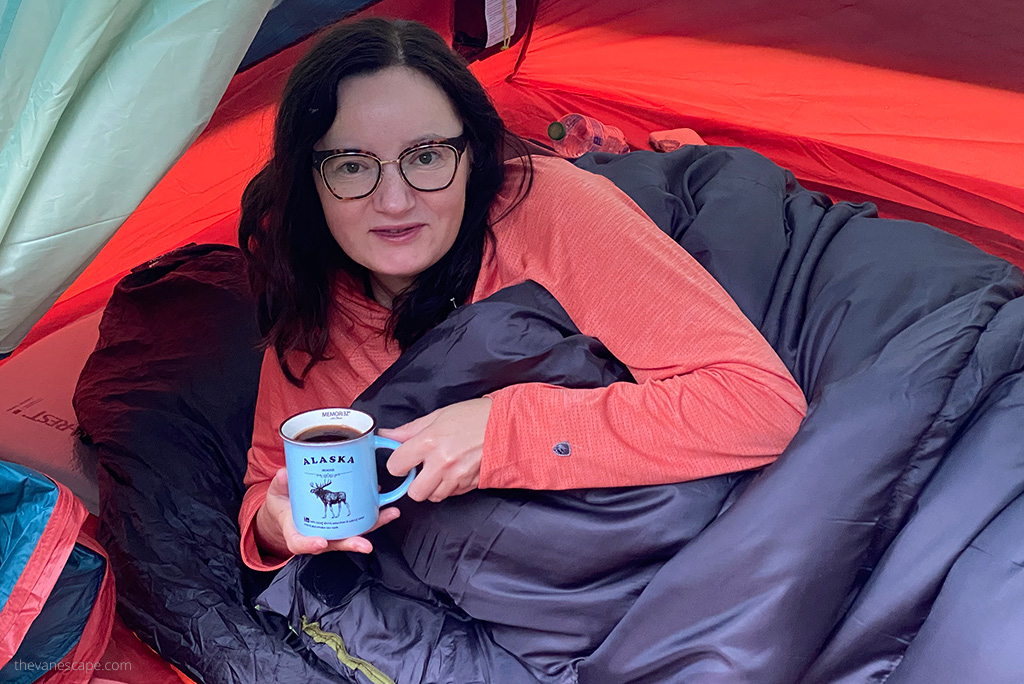
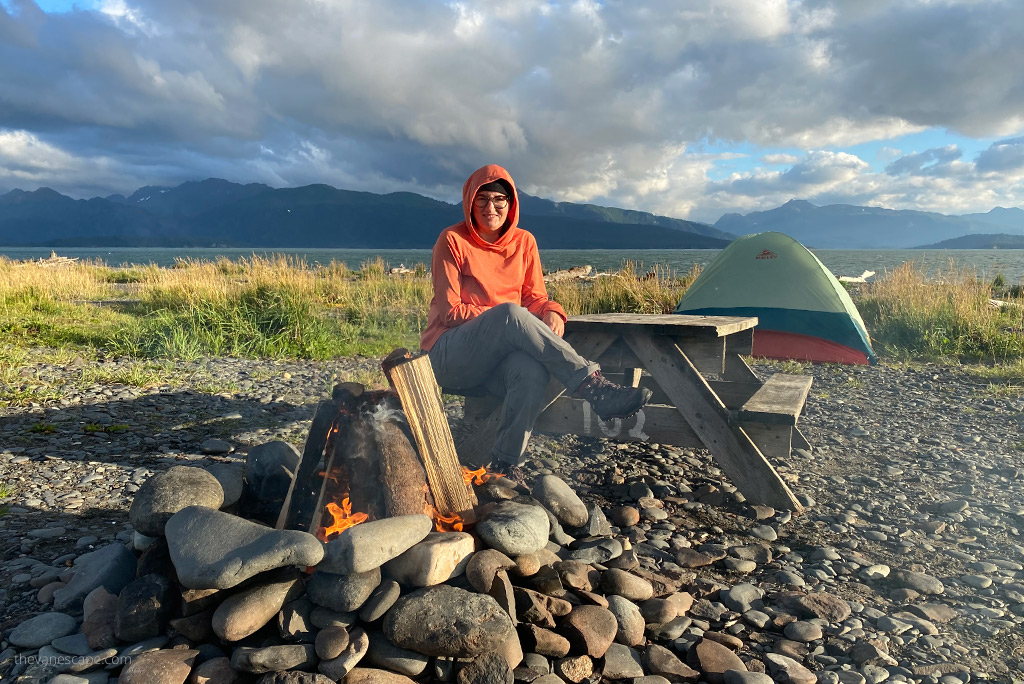
Camping is one of the best ways to truly experience America’s landscapes. You’ll wake up surrounded by nature and save money along the way. Most national and state park campgrounds open reservations six months in advance through Recreation.gov or the state park website.
During peak season, many campgrounds fill within minutes of opening, so mark your calendar for booking dates. Others operate on a first-come, first-served basis — arrive early in the day to claim a site.
Private campgrounds like KOA or Good Sam offer amenities such as showers, laundry, and Wi-Fi, which can be a nice break between rustic stays.
Agnes’ Advice: If your trip includes popular areas like Zion, Yellowstone, or Yosemite, always book your campsites ahead. But keep one or two flexible nights open for spontaneous detours.
3. Public Lands and Dispersed Camping
The U.S. has millions of acres of public land managed by the Bureau of Land Management (BLM) and U.S. Forest Service. Many of these areas allow free or low-cost dispersed camping — usually up to 14 days in one location.
You’ll need to camp at least 200 feet from water sources and follow Leave No Trace principles. Some areas may require a free permit, which you can often get online or at local ranger stations.
Apps like iOverlander, Allstays Camp & RV, and The Dyrt make finding these sites easy and include reviews from other travelers.
Agnes’ Advice: Dispersed camping is peaceful and scenic, but always have a backup plan. Some popular spots fill up early, and not all forest roads are suitable for every vehicle. Always check the official BLM regulations for the specific area where you plan to camp.
4. Mix and Match
Our favorite trips combine all types of stays. We’ll camp for a few nights under the stars, then book a cozy motel to shower, rest, and recharge. This balance keeps both our spirits and our budget in great shape.

Prepare Your Vehicle: Safety and Maintenance Before the Trip
A successful road trip starts long before you turn the key. Whether you’re driving your own car or a rental, taking time to prepare your vehicle can save money, stress, and even your trip itself.
Chris and I have had our share of roadside surprises — a flat tire in the desert, a dead battery in the mountains, and a leaky coolant hose miles from the nearest town. Those moments taught us one thing: a short pre-trip checklist is worth its weight in gold.
1. Schedule a Full Inspection
If you’re driving your own car, visit a trusted mechanic at least a week before you leave. Ask them to check:
- Engine oil and fluids (coolant, brake, transmission, windshield washer)
- Tire pressure, tread, and alignment
- Battery charge and terminals
- Lights and wipers
- Brakes and suspension
- Air filter and belts
If you’re renting, inspect the car thoroughly at pickup — photograph existing scratches, confirm the spare tire and jack are included, and test the headlights, wipers, and A/C before leaving the lot.
Agnes’ Advice: Even newer cars can have weak batteries or worn tires. Don’t assume a rental is road-ready — take five minutes to double-check.
2. Pack an Emergency Kit
Every vehicle should have a small kit with basics for both breakdowns and comfort. Include:
- Jumper cables or a portable jump starter
- Tire repair kit or full-size spare and jack
- Flashlight and extra batteries
- First-aid kit
- Reflective triangle or safety vest
- Blanket, gloves, and rain poncho
- Water and non-perishable snacks
- Phone charger and power bank
Agnes’ Advice: We always carry a compact air compressor that plugs into the 12V outlet. It has saved us more than once on remote forest roads.
3. Prepare for the Weather
If you’re driving in the mountains or northern states, pack snow chains (and know how to use them). For desert regions, bring extra water, sunscreen, and a wide-brim hat. In winter, carry a small shovel, ice scraper, and traction mats.
4. Plan for Fuel and Range
Some stretches of U.S. highways go hundreds of miles without gas stations — especially in Nevada, Utah, and eastern Oregon. Refill whenever you’re at half a tank in remote areas. For EV drivers, plan charging stops in advance using PlugShare or A Better Routeplanner (ABRP).
5. Know Your Roadside Assistance Options
Keep the phone number for your insurance or AAA handy, and download the AAA app if you’re a member. Some credit cards and rental car companies also include basic roadside coverage — check before you leave.
Agnes’ Advice: A printed copy of your roadside assistance plan can be a lifesaver when you’re out of signal range and can’t access emails.
6. Test Drive Before the Trip
If you’ve recently made repairs or are using a new vehicle, take it for a short drive before your trip. Listen for unusual sounds, make sure your navigation and charging cables work, and adjust your seating for comfort — small tweaks make a big difference on long drives.

Essential Road Trip Apps and Tools in the USA
Good apps can turn a complicated trip into an easy, enjoyable journey. Over the years, Chris and I have tested dozens of them — for mapping, weather, camping, fuel, and navigation. These are the ones we actually keep on our phones for road trips across the U.S.
1. Navigation and Route Planning
- Google Maps – Still our top choice for reliability, real-time traffic, and easy trip planning. Save your route, add multiple stops, and download maps for offline use.
- Roadtrippers – Great for discovering quirky roadside attractions, scenic byways, and local diners between your main stops.
- My Maps (by Google) – Perfect for creating a personalized map with your route, notes, and saved spots.
Agnes’ Advice: Add 20–25% extra time to any route Google gives you. You’ll need it for gas, food, photos, and unexpected stops — trust us.

2. Fuel and EV Charging
- GasBuddy – Finds the cheapest gas stations nearby and estimates total fuel costs for your route.
- PlugShare – A must for electric vehicle drivers. It shows real-time charging station availability across the U.S.
- A Better Routeplanner (ABRP) – Helps plan efficient EV routes with charging stops based on your specific vehicle model.
Agnes’ Advice: In remote areas like Utah, Nevada, or eastern Oregon, refuel whenever your tank is half full. Gas stations can be hundreds of miles apart.
3. Camping and Lodging
- Recreation.gov – The official site and app for reserving national park and public land campgrounds.
- The Dyrt – Offers reviews, photos, and GPS coordinates for 50,000+ campgrounds, including BLM and dispersed sites.
- AllStays Camp & RV – One of our favorites for finding RV-friendly campgrounds, dump stations, and overnight parking spots.
- Booking.com – Simple and fast for last-minute hotel or motel stays.
Agnes’ Advice: Always check official BLM regulations for the area you plan to camp — rules and access may vary by region.
4. Weather and Safety
- National Weather Service (NWS) – The best source for real-time weather alerts and radar across the U.S.
- WeatherRadar – Excellent for checking storm movements before long driving days.
- NOAA Weather Alerts – Sends notifications for severe conditions, wildfires, and flash floods.
Agnes’ Advice: Weather can change fast, especially in mountain regions. Always check forecasts each morning before driving.
5. Hiking and Outdoor Activities
- AllTrails – Find trail maps, reviews, and difficulty ratings. It works offline if you download your routes in advance.
- National Park Service App – The official guide for 400+ parks, including maps, alerts, and visitor information.
6. Organization and Budget
- Google Sheets – Perfect for tracking your daily budget and expenses on the go.
- TripIt – Automatically organizes your bookings and confirmations into one simple itinerary.
Agnes’ Advice: Before every trip, we create a shared Google Drive folder with our itinerary, budget sheet, permits, and copies of all confirmations. That way, both of us can access everything — even offline.
Safety on the Road: Smart Habits and Travel Tips for the USA
Safety might not be the most exciting part of road trip planning, but it’s one of the most important. A few smart habits can keep your adventure smooth, even when the unexpected happens. Chris and I have driven through every kind of condition — from desert dust storms to icy mountain passes — and learned that preparation makes all the difference.
1. Know the Rules of the Road
Driving laws vary from state to state. Speed limits, cellphone use, and even right-on-red rules can differ. Before you start your trip, take a few minutes to review local driving laws online for each state you’ll pass through.
Agnes’ Advice: Each state sets its own blood alcohol limits and speed laws. Even small violations can lead to big fines. If you plan to have a drink with dinner, wait a few hours before driving or use rideshare apps instead.
2. Plan for Long Distances
The U.S. is vast, and services can be sparse. In some regions, you might drive hours between gas stations or cell service. Always keep extra water, snacks, and a charged power bank in the car.
Refuel often — don’t wait until the tank is empty, especially in rural or desert areas. We usually top up when we hit half a tank.
3. Drive During Daylight
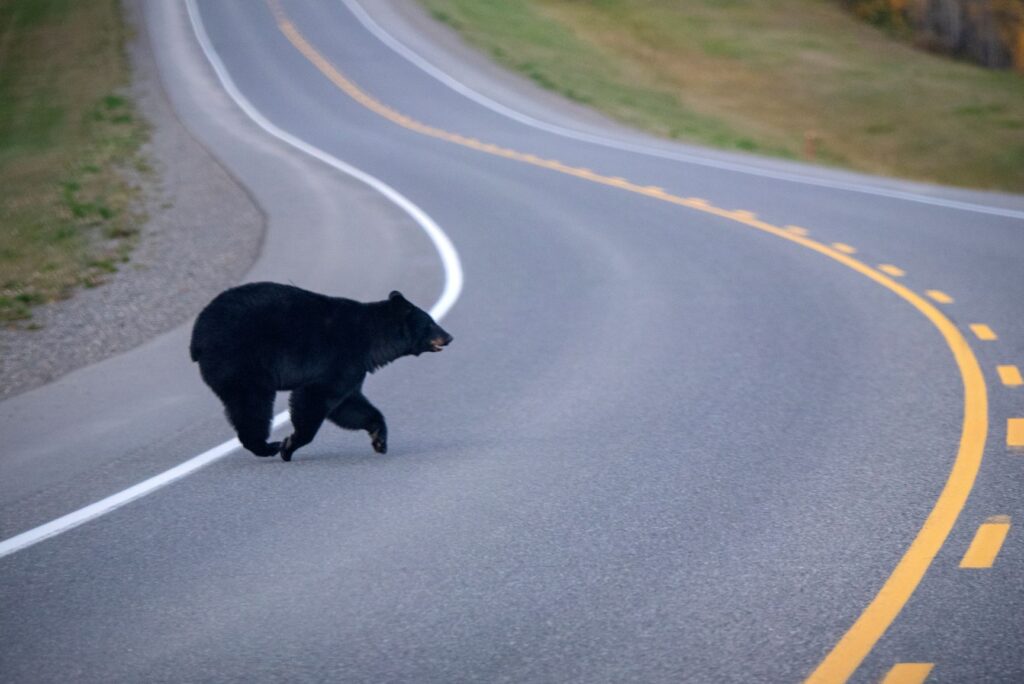
Road trips are safest — and most scenic — during the day. Wildlife such as deer, elk, or moose are more active around dawn and dusk, and many rural roads have little or no lighting.
If you must drive at night, reduce your speed and stay alert.
Agnes’ Advice: We try to end our driving days two hours before sunset whenever possible. It gives us time to find our lodging, eat, and relax before dark.
4. Watch the Weather
From tornado warnings to snowstorms, U.S. weather can change quickly. Check the National Weather Service (NWS) forecast each morning, especially if your route crosses mountain passes or desert regions.
If conditions look dangerous, stop early or reroute — it’s always better to lose a few hours than risk an accident.
5. Share Your Plans
Let a friend or family member know your route and overnight stops. It’s a simple safety step that takes less than five minutes and can be crucial if something goes wrong.
6. Use Common-Sense Parking Safety
When stopping for the night or a quick rest, park in well-lit areas. Avoid isolated lots or roadside pullouts in unfamiliar areas. Many rest areas allow short naps, but not overnight stays — check signs before settling in.
7. Wildlife Awareness
In many regions — especially the Rockies, Great Plains, and Pacific Northwest — animals often cross highways. Drive slower through forested or open-range areas, and be extra alert at dawn and dusk.
Agnes’ Advice: If you see one deer, expect more. They often travel in groups.
8. Emergencies and Breakdowns
If you break down, pull safely to the shoulder, turn on hazard lights, and use reflective triangles if you have them. Stay in your vehicle if the area feels unsafe. Call 911 for emergencies or AAA for roadside assistance if you’re a member.
Keep in mind that in remote areas, you might not have a cell signal — that’s when paper maps, offline data, and a calm mindset really matter.
What to Pack for a USA Road Trip: Essentials and Smart Tips
Packing can make or break a road trip. Too much stuff and you’ll be digging through bags every day; too little and you’ll be buying overpriced gear on the road. After years of trial and error — from desert heat to mountain snow — we’ve learned exactly what to bring (and what to leave behind).
1. Pack Light, Pack Smart
Every item should earn its place. Keep essentials within reach and store heavier things low and secure. Use packing cubes or small bins to keep the car organized — one for clothes, one for food, one for gear.
Agnes’ Advice: You’ll repack your car dozens of times. An organized system saves you both time and sanity.
2. Road Trip Documents
Keep these in a waterproof folder or glove box:
- Driver’s license and registration
- Proof of insurance or rental agreement
- Roadside assistance information
- Health and travel insurance cards
- Vehicle manual and emergency contacts
3. Navigation and Safety
- Paper road atlas (Benchmark Maps or Delorme Gazetteer)
- Downloaded offline maps on your phone
- Phone charger and power bank
- Flashlight or headlamp
- First-aid kit and multipurpose tool
- Sunglasses and reusable water bottles
Agnes’ Advice: Even if you rely on GPS, never skip paper maps — we’ve lost signal more times than we can count, especially in national parks and remote areas.
4. Comfort and Convenience
- Cooler with snacks and drinks
- Reusable utensils, plates, and cups
- Small camping stove or electric kettle
- Blanket and travel pillow
- Trash bags and wet wipes
- Insect repellent and sunscreen
5. Weather and Clothing
Pack layers that you can mix and match. Even in summer, mountain nights can get chilly.
Bring:
- Lightweight jacket or fleece
- Rain gear
- Comfortable walking shoes or hiking boots
- Hat and gloves for higher elevations
- Swimwear for hot springs or coastal stops
Agnes’ Advice: Don’t overpack clothes. Laundry facilities are easy to find in hotels and campgrounds, and washing on the road is cheaper than checking an extra bag.
6. Camping Extras (if you plan to camp)
- Tent, tarp, and stakes
- Sleeping bags and pads
- Camping chairs
- Headlamps or lanterns
- Cooking stove, fuel, and matches
- Biodegradable soap and towels
7. Electronics and Entertainment
- Camera or GoPro with extra batteries
- Laptop or tablet (for work or movies)
- Playlist or podcasts downloaded for offline listening
- Book or travel journal
Agnes’ Advice: Before you hit the road, make a “first-day” box — snacks, maps, toiletries, chargers, and one set of clothes. It keeps you from unpacking the whole car your first night.

Sample Planning Timeline: From Six Months Out to Hitting the Road
Planning your USA road trip step by step makes everything smoother — and prevents last-minute stress. Here’s a realistic timeline based on how Chris and I organize our own 2–3 week trips. Adjust it to fit your schedule and trip length.
If your route includes popular destinations or national parks, it’s smart to start even six months ahead, since campsites, park lodges, and timed-entry reservations often sell out as soon as they open.
Six Months Before Departure (recommended for peak season trips)
- Choose your region and outline a few possible routes.
- Research major national parks or cities you want to visit.
- Check when reservations open for campsites, park lodges, or timed-entry passes.
- Book high-demand stays like Yellowstone or Yosemite lodges as soon as the window opens.
- If you’re planning to rent a campervan or RV, reserve early — summer availability drops fast.
- Start tracking flight prices if you’ll fly to your starting point.
Agnes’ Advice: For summer trips or routes through popular parks like Yellowstone, Yosemite, or Glacier, planning six months ahead isn’t early — it’s essential.
Three Months Before Departure
- Refine your route, estimate daily driving distances, and confirm your main stops.
- Research activities, tours, or park permits.
- Continue reserving remaining accommodations or campgrounds.
- Build your travel budget and checklist.
- Schedule any needed car maintenance or tune-ups.
- Create a shared folder (Google Drive or Dropbox) for your itinerary and reservations.
Two Months Before Departure
- Reserve accommodations or campgrounds.
- Start building your budget spreadsheet — include estimated fuel, food, and lodging costs.
- Make a packing list and note any gear you’ll need to buy or replace.
- Check your vehicle maintenance schedule or book a mechanic appointment.
One Month Before Departure
- Finalize your route on Google Maps.
- Download offline maps for areas with limited service.
- Book any guided tours or special activities.
- Confirm insurance coverage (car, health, travel).
- Order any passes, permits, or gear that takes time to arrive.
Agnes’ Advice: If you’re renting a car, double-check your reservation and ensure the company allows your planned route (especially for gravel or mountain roads).
One Week Before Departure
- Inspect or service your vehicle — check tires, fluids, wipers, and lights.
- Clean and organize your car; it’s easier to pack efficiently when you start fresh.
- Prepare your emergency kit and refill medications.
- Check weather forecasts and road conditions.
- Print or download confirmations, addresses, and emergency contacts.
- Notify your bank if you’ll be using cards in different states.
The Day Before You Leave
- Fill your gas tank and check tire pressure.
- Pack snacks, water, and your first-day essentials box (maps, chargers, toiletries, and one outfit).
- Make sure all electronics are fully charged.
- Set your home thermostat, lights, and any security systems.
Hitting the Road
Start your first day early — not rushed. Double-check that everything’s packed, windows are closed, and you have your driver’s license, insurance, and registration handy.
Then take a deep breath, turn on your favorite playlist, and enjoy the feeling of the open road.
Agnes’ Advice: We always remind ourselves on day one — it’s not about miles, it’s about moments. Take it slow and enjoy the ride.
Final Thoughts: Your USA Road Trip Awaits
Every great road trip starts with an idea — and turns into something far bigger than a map of stops and miles. It becomes a collection of moments: the scent of pine in the Rockies, laughter over diner coffee, the glow of sunset on a quiet desert road. Those are the things that stay with you long after the journey ends.
Chris and I have driven across the United States more times than we can count, and each trip still feels new. Sometimes the weather changed our plans. Sometimes the roads did. But every single time, we discovered something worth the detour — a hidden trail, a local story, or a view that stopped us in our tracks.
So plan carefully, but don’t overplan. Leave space for those surprises that make the road magical. America is full of them — thousands of miles of scenic highways, small towns, and open landscapes waiting to be explored.
Your perfect USA road trip doesn’t have to be the longest or the most expensive. It just has to be yours. Start where you are, go where the road takes you, and enjoy the ride — one mile at a time.
Do You Like It? Pin It For Later!