
15 Best Things to Do in Mount Rainier National Park: Top Sights, Trails & Scenic Spots
Mount Rainier dominates the skyline long before you reach the national park. This 14,411-foot active stratovolcano rises above forests, waterfalls, and wildflower meadows, creating one of the most dramatic landscapes in the Pacific Northwest. Every turn in the road reveals something new: a glacier hanging over a cliff, a valley carved by ancient ice, a meadow bursting with lupines, or a viewpoint where the entire Cascade Range stretches into the distance. In this guide, we focus on the best things to do in Mount Rainier National Park. These are the top sights, iconic viewpoints, easy walks, rewarding hikes, and unforgettable experiences that show you the very best of this incredible park.
This article may contain affiliate / compensated links. For full information, please see our disclaimer here.
Exploring Mount Rainier – Our Experiences
We’ve explored Mount Rainier National Park in different seasons, from warm July days filled with wildflowers to crisp October mornings when the mountain glows in soft autumn light. Chris and I often return on our Pacific Northwest road trips because this park never feels the same twice. The views change with the weather, the meadows bloom at different times each year, and the snowpack always reshapes the trails.
Most of the photos we share in this article come from our own visits, and each one brings back memories of quiet sunrises, long ridge walks, and surprise wildlife encounters.
This guide reflects what we’ve learned over time: which viewpoints are worth the early wake-up, which trails offer the best mountain views, and which areas are perfect for families or first-time visitors.
Mount Rainier is only about 90 miles from Seattle, so it works well even as a day trip. It’s also roughly 140 miles from Portland, which makes it a perfect short getaway from Oregon.
Know Before You Go
Mount Rainier is open year-round, but conditions change fast. These quick notes help you make the most of your visit.
If you want a deeper dive into planning, I also have a full article on how to plan a trip to Mount Rainier National Park. In that guide, I cover weather by season, where to stay, what to expect in each region of the park, and how to prepare for mountain conditions in detail.
• Peak season is July and August. Wildflowers bloom, trails are mostly snow-free, and viewpoints are at their best.
• Snow lingers into early summer. Even in July, higher routes near Sunrise and Paradise can still have patches of snow. Check road status on the park webiste.
• Arrive early to avoid delays. Long lines are common at the Nisqually and White River entrances on summer weekends. Early mornings are much quieter.
• Weather changes quickly. Bring a warm layer, even in summer. Clouds can hide the mountain for hours.
• Some roads and areas are seasonal. Sunrise is usually open only from early July through late September. Paradise is open year-round but requires chains in winter.
• Cell service is limited. Download maps ahead of time.
• Wildlife is active. Give animals plenty of space and stay alert on trails.
With these basics in mind, you’re ready to explore the best things to see and do inside Mount Rainier National Park.

15 Best Things to Do in Mount Rainier National Park
Below is a list of the best things to do in Mount Rainier National Park. It includes top attractions, scenic stops, and outdoor activities. Choose the options that match your travel dates, fitness level, and interests so you can build a trip that feels right for you.
1. Explore Paradise: Meadows, Viewpoints & Wildflowers
Paradise is the most famous and most visited area of Mount Rainier National Park — and for good reason. This high-elevation destination offers sweeping mountain views, rolling subalpine meadows, powerful waterfalls, and some of the park’s best hiking trails. It’s also the home of the Paradise Inn and the Jackson Visitor Center, making it a natural starting point for many visitors.
Paradise sits at 5,400 feet, so snow can linger well into summer. When the meadows finally burst into full bloom (usually late July through mid-August), the scenery is unforgettable. Lupines, avalanche lilies, and paintbrush blanket the hillsides with color, and the views of Mount Rainier rise directly behind them.
Some of the most popular trails start right here, including the world-famous Skyline Trail. Even the short paved loops around the visitor center offer amazing views for families and first-time visitors. If you have limited time in the park, Paradise is the best place to get a true Mount Rainier experience in a single stop.
Highlights of Paradise:
• wildflower meadows in July and August
• wide-open views of Mount Rainier
• easy access from the Nisqually Entrance
• Paradise Inn and Jackson Visitor Center
• excellent sunrise and sunset light for photography
2. See Mount Rainier’s Reflection at Reflection Lakes
Reflection Lakes is one of the most iconic viewpoints in Mount Rainier National Park. On a calm morning, the surface of the lake turns into a perfect mirror, capturing the full shape of the mountain and its glaciers. It’s one of the best spots in the park for photography, and it’s easy to reach from the Paradise area.
The reflection is best at sunrise, when the air is still and the first light warms the peak. Later in the day, wind often breaks up the water’s surface. Even without a perfect reflection, this area is beautiful — quiet forests, wildflower meadows, and clear views of Rainier rising above the trees.
A short trail circles the lakes, and the viewpoint works well for all ages and fitness levels. If you’re visiting in summer, arrive early to secure parking and enjoy the peaceful morning atmosphere.
Tips for Visiting Reflection Lakes:
• sunrise offers the best chances for a perfect reflection
• parking is limited — arrive early in peak season
• mornings are cool, even in summer, so bring a warm layer
• fall colors around the lake can be stunning in late September

3. Walk the Skyline Trail to Myrtle Falls
Myrtle Falls is one of the most photographed spots in Mount Rainier National Park — and one of the easiest to reach. This short, family-friendly walk begins near the Paradise area and follows a paved section of the Skyline Trail to a viewpoint overlooking the waterfall.
The scene is classic Mount Rainier: a beautiful cascade framed by wildflowers, with the mountain rising directly behind it. It’s a perfect stop for visitors who want a big reward without a long hike. Even if you’re short on time, this one is worth it.
The best light for photos is early in the morning or late in the afternoon when the sun hits the peak at an angle. Wildflowers bloom here in late July and August, adding even more color to the meadow.
Why We Love Myrtle Falls:
• quick and easy walk from Paradise
• great for families and first-time visitors
• amazing photo opportunities
• a perfect introduction to the Skyline Trail
4. Visit Sunrise: The Highest Drivable Point in the Park
Sunrise is the highest place you can reach by car in Mount Rainier National Park, sitting at 6,400 feet. The views here are some of the best in the park. From the moment you step out of your car, you’re surrounded by wide-open ridges, glaciers, and alpine scenery that stretches toward the summit of Mount Rainier.
This area is open only in summer, usually from early July through late September, depending on snow. When the road opens, it feels like a different world compared to the lower forests. Meadows bloom, ridges turn green, and the Emmons Glacier — the largest glacier in the contiguous United States — comes into full view.
If you enjoy short, scenic walks, the Sunrise Nature Trail and Emmons Vista Trail offer incredible views with minimal effort. For something longer, the Sunrise Rim Trail delivers big panoramas without being overly difficult.
Highlights at Sunrise:
• sweeping views of Rainier’s icy northeast side
• access to wide, open meadows and ridgelines
• several family-friendly trails with huge payoff
• cooler temperatures during hot summer days
5. Hike the Naches Peak Loop Trail
The Naches Peak Loop Trail is one of the most scenic and accessible hikes near Mount Rainier, offering wildflower meadows, mountain views, and a mix of forest and open ridgelines. It’s a moderate 3.5-mile loop that feels rewarding from start to finish, especially in late summer and early fall.
Most visitors hike the loop clockwise, and for good reason. This direction gives you the best views of Mount Rainier right in front of you as the trail curves around open slopes. The route starts at Tipsoo Lake — another beautiful viewpoint — and gradually climbs toward Chinook Pass, where the Pacific Crest Trail crosses a picturesque footbridge.
In July and August, the meadows explode with color. In late September and early October, this area becomes one of the park’s best places to see fall colors. No matter the season, the scenery is classic Rainier without the crowds found at Paradise.
Why Naches Peak Loop Is a Favorite:
• big mountain views with moderate effort
• perfect in summer and early fall
• excellent sunrise and sunset light
• close to Tipsoo Lake for even more photography options

6. Tackle Pinnacle Peak for Big Panoramic Views
If you want one of the most rewarding viewpoints in Mount Rainier National Park without committing to a long, full-day hike, Pinnacle Peak is a perfect choice. This trail climbs through the forest and then breaks out into wide-open views that take your breath away. It’s short, steep, and packed with scenery from start to finish.
The hike is about 2.5 miles round-trip with a steady climb of roughly 1,050 feet. The trail ends at a saddle at 5,920 feet — and this is where the views become unforgettable. To the north, Mount Rainier rises dramatically above Paradise. Turn south, and you’ll see Mount Adams, Mount St. Helens, and even Mount Hood on a clear day. Few places in the park offer a viewpoint this good for such a small investment of time.
We love this hike because it feels peaceful, even on busy summer days. The climb is manageable, and the reward at the top is one of the best panoramas anywhere in the Cascades.
Tips for Hiking Pinnacle Peak:
• the saddle can be windy — bring a warm layer
• go early or late in the day for the best light and fewer people
• the trail begins at the Reflection Lakes parking area
• wear sturdy shoes — parts of the climb are steep and rocky
7. Visit Tipsoo Lake at Sunrise or Sunset
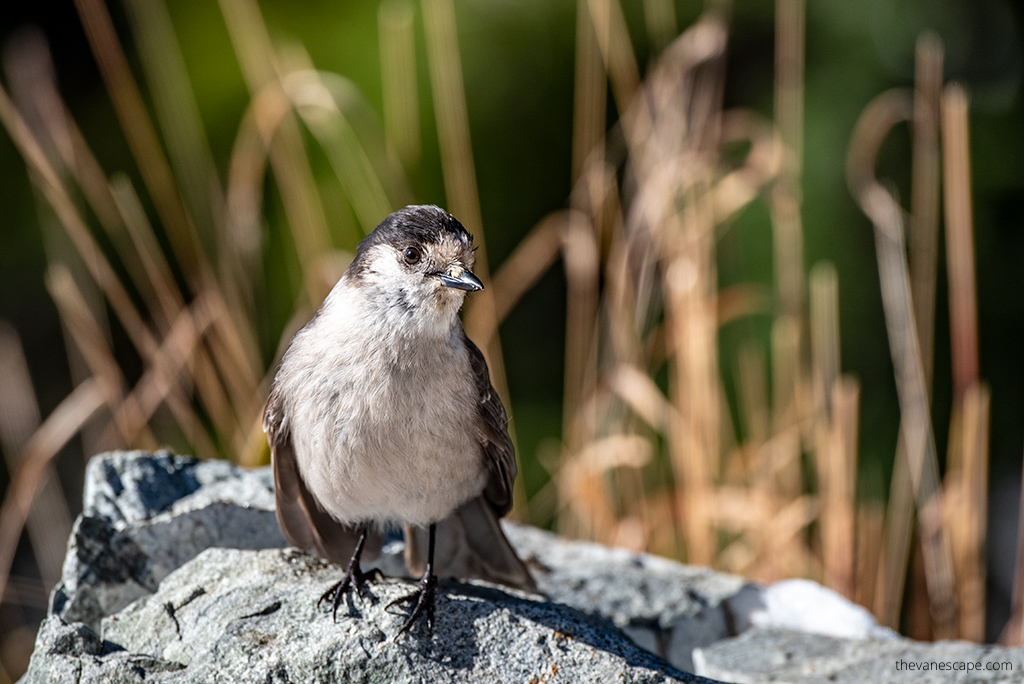
Tipsoo Lake is one of the most beautiful and easily accessible viewpoints in Mount Rainier National Park. It sits high on Chinook Pass, surrounded by wildflower meadows and open ridgelines, with Mount Rainier rising above the lake on clear days. This is a place where soft morning or evening light transforms the entire landscape.
Sunrise and sunset are especially stunning here. At sunrise, the peak often glows pink or gold, and the meadows are quiet except for birds and the sound of wind moving through the grass. At sunset, the lake reflects warm tones across the water, and the surrounding slopes turn golden.
The area is an excellent place for photography, short walks, or simply relaxing with a view. It’s also the trailhead for the Naches Peak Loop Trail, so you can combine both experiences in one visit.
Why Tipsoo Lake Is Worth the Stop:
• one of the most photogenic lakes in the park
• perfect for sunrise and sunset photography
• beautiful wildflowers in July and August
• easy access from Chinook Pass
• great for families and casual visitors

8. Explore Old-Growth Forests in the Ohanapecosh Area
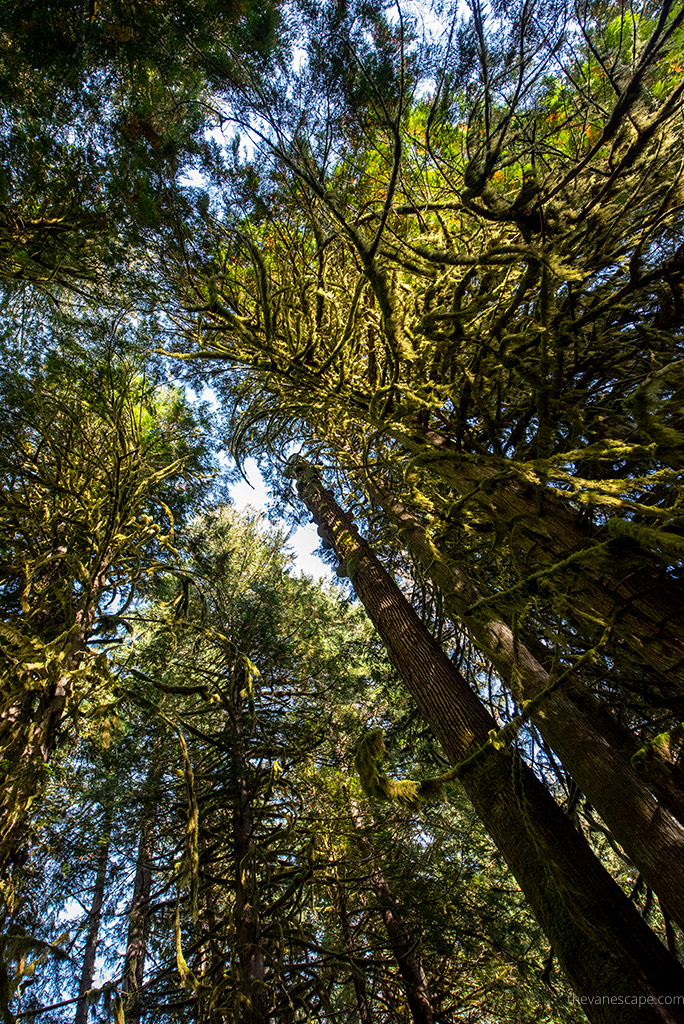
Not all of Mount Rainier’s beauty is found on high ridges and open meadows. The Ohanapecosh area, located in the park’s southeast corner, offers a completely different kind of scenery — cool, quiet old-growth forests filled with towering Douglas fir, western red cedar, and hemlock.
These ancient trees create a peaceful atmosphere, especially on warm summer days. The forest floor is lush with ferns, moss, and crystal-clear streams, and the trails here feel worlds away from the busy viewpoints around Paradise and Sunrise. It’s one of the best places in the park to escape crowds and enjoy a slower, more immersive nature experience.
If you love deep forest walks, Ohanapecosh is a must. Trails here range from short, easy loops to slightly longer river walks, all surrounded by massive trees that have stood for centuries.
Why Visit Ohanapecosh:
• quiet, shaded trails perfect for hot days
• beautiful old-growth forest scenery
• great for families and easy hikes
• fewer crowds than other popular areas

9. Go to Silver Falls on the Ohanapecosh River Trail
Silver Falls is one of the most impressive waterfalls in Mount Rainier National Park, and the trail to reach it is one of the best easy hikes in the Ohanapecosh area. The loop follows the bright turquoise Ohanapecosh River through cool old-growth forest before reaching a powerful cascade that drops into a rocky canyon.
The waterfall is beautiful in every season, but spring and early summer bring the strongest flow as snowmelt fills the river. The trail is about 3 miles round-trip, with gentle elevation changes that make it a perfect choice for families or anyone looking for a peaceful forest walk.
This area also makes a great alternative when the Grove of the Patriarchs trail is closed. You still get giant trees, lush green forest, river views, and a rewarding waterfall — all without big crowds.
Why Silver Falls Is a Must-See:
• one of the most beautiful waterfalls in the park
• easy, family-friendly loop through old-growth forest
• turquoise river views and peaceful woodland atmosphere
• great option when Paradise or Sunrise is busy
10. See the Park’s Most Scenic Waterfalls
Mount Rainier National Park has more than 150 waterfalls, thanks to heavy snowfall, glacial meltwater, and steep terrain. You’ll find cascades of all sizes throughout the park, from easy roadside viewpoints to short hikes that lead to dramatic drops. Each one offers a different angle on the park’s landscapes.
Here are the waterfalls we recommend most:
- Narada Falls. One of the park’s most powerful waterfalls and one of the easiest to access. A short walk from the parking area takes you to a viewpoint where the falls plunge 176 feet into a misty canyon. It’s impressive in every season.
- Christine Falls. A classic Rainier scene. The stone bridge in front of the waterfall creates one of the most photographed views in the park. It’s just a short walk from the parking pullout, making it an easy stop on the way to Paradise.
- Myrtle Falls. Located on the Skyline Trail near Paradise, this waterfall is framed by Rainier itself on clear days. It’s close to the trailhead and perfect for families and photographers.
- Comet Falls. At 320 feet, Comet Falls is one of the tallest waterfalls in the park. The hike is more challenging, with steady elevation gain, but the reward is worth it. The trail also passes several smaller cascades along the way.
- Spray Falls. A beautiful fan-shaped waterfall just off the Spray Park Trail. The hike includes meadows, forest, and great mountain views, especially in late summer.
Why Waterfall Lovers Love Rainier:
• dozens of easy-access viewpoints
• powerful spring runoff
• lush green forests around many falls
• great photography opportunities in every season

11. Walk the Sunrise Nature Trail for Easy, Wide Views
If you want classic Mount Rainier views without a long or difficult hike, the Sunrise Nature Trail is one of the best options in the park. This short loop starts near the Sunrise Visitor Center and climbs gently to open slopes with wide, unobstructed views of Mount Rainier, the Emmons Glacier, and the surrounding ridgelines.
The trail is only about 1.5 miles round-trip, making it perfect for families, first-time visitors, and anyone adjusting to the higher elevation. Wildflowers bloom along the slopes in July and August, and marmots often wander near the trail on warm afternoons. The scenery feels big from the moment you step onto the path.
Because Sunrise is at 6,400 feet, the air is cooler and clearer than at lower elevations — which makes this trail especially pleasant on hot summer days. It’s a simple walk with a big payoff.
Why This Trail Is Worth It:
• huge views with minimal effort
• great for sunrise or sunset photography
• perfect for families and casual hikers
• frequent wildlife sightings in midsummer

12. Visit Longmire: History, Trails & Forest Views
Longmire is the historic heart of Mount Rainier National Park. It is also one of the easiest areas to explore. This quieter region sits near the Nisqually Entrance in a low-elevation forest. It is surrounded by old-growth trees, gentle trails, and historic buildings from the park’s early years.
If you enjoy peaceful walks, Longmire is a great place to visit. The Trail of the Shadows is a short loop that circles a meadow with mineral springs. It also passes some of the oldest structures in the park. The Rampart Ridge Trail begins here as well. It offers a moderate climb with views above the tree line.
Longmire also has a small museum, a store, a restaurant, and the historic National Park Inn. It is the only lodge inside the park that stays open all year. It’s a great stop for lunch or a quiet break between hikes.
Why Visit Longmire:
• historic district and early park buildings
• easy forest walks and peaceful scenery
• a great place for lunch or a rest stop
• open year-round, unlike many other areas
13. Spot Wildlife Around Paradise & Sunrise
Mount Rainier National Park is one of the best places in the Pacific Northwest to see wildlife in natural alpine settings. The meadows and ridgelines around Paradise and Sunrise are especially good for spotting animals, and many visitors see wildlife without even leaving the main trails.
Marmots are the park’s unofficial mascots. You’ll often hear their whistles before you see them, especially in midsummer when they sunbathe on rocks near the Skyline Trail or graze in the meadows. Black-tailed deer and elk sometimes wander through open areas, and you may spot mountain goats on distant cliffs at Sunrise. If you’re lucky, you might even see a black bear foraging in berry-filled meadows in late summer or fall.
Most wildlife activity happens early in the morning or late in the afternoon, when temperatures are cooler and the meadows are quieter. Always give animals plenty of space and enjoy the experience from a safe distance.
Best Wildlife Viewing Spots:
• Paradise meadows around the Skyline Trail
• Sunrise meadows and Emmons Vista area
• Tipsoo Lake early in the morning
• Lower-elevation forests near Longmire in late summer

14. Experience Winter: Snowshoeing, Sledding & Snowplay at Paradise
Paradise becomes a true winter playground from late fall through early spring. This area receives some of the heaviest snowfall in the United States, creating deep snowpack and great conditions for winter fun.
Snowshoeing is one of the most popular activities here. Short routes like Alta Vista or the Snowshoe Loop near the Visitor Center offer safe and scenic options. On clear days, you can enjoy beautiful views of Mount Rainier. If you want something longer, several moderate routes explore open slopes and quiet forest. Always check weather and avalanche updates before you go.
Families love the designated Snowplay Area at Paradise. It usually opens in late December and is the only place in the park where sledding is allowed. Rangers build and maintain the sledding hill each winter, making it a great stop for kids.
Winter is also one of the park’s most peaceful seasons. The landscape feels quiet, calm, and completely different from the busy summer months.
Why Visit in Winter:
• excellent snowshoeing with huge mountain views
• family-friendly sledding area at Paradise
• fewer crowds and serene landscapes
• a chance to see Rainier coated in deep winter snow

15. Ride the Mount Rainier Gondola at Crystal Mountain
Crystal Mountain sits just outside the northeast boundary of the park. The scenic gondola here offers one of the best front-row views of Mount Rainier without any hiking. It’s open in both summer and winter, so you can enjoy sweeping vistas in every season.
The ride takes about 12 minutes and climbs to 6,872 feet. At the top, a wide observation area looks directly at Rainier’s massive glaciers. On clear days, you can also see Mount Adams, Mount St. Helens, and the ridges of the Cascades.
In summer, this is a great add-on to a Sunrise or White River visit. Many people ride up for photos, fresh air, and a meal at the mountaintop restaurant. In winter, skiers and snowboarders use the gondola for access to some of Washington’s best terrain, but scenic rides are also available for non-skiers.
Why It’s Worth It:
• unbeatable panoramic views of Mount Rainier
• open year-round
• easy access without hiking
• perfect sunset spot if the weather cooperates

Final Thoughts
Mount Rainier National Park is packed with unforgettable scenery, but a few places always stand out to us. Watching the first light hit the meadows at Paradise, hiking the ridgeline views along the Skyline Trail, photographing the perfect mirror reflection at Reflection Lake, and catching those wide-open mountain panoramas from Sunrise are experiences we return to again and again.
Each visit feels different, and there is always something new to explore. Whether you’re here for short walks or full-day hikes, Rainier delivers some of the best mountain moments in the Pacific Northwest.
If you want help planning your full trip — weather, lodging, entrances, and more — you can also read my complete planning guide to make your visit smooth and stress-free.
Do You Like It? Pin It For Later!

