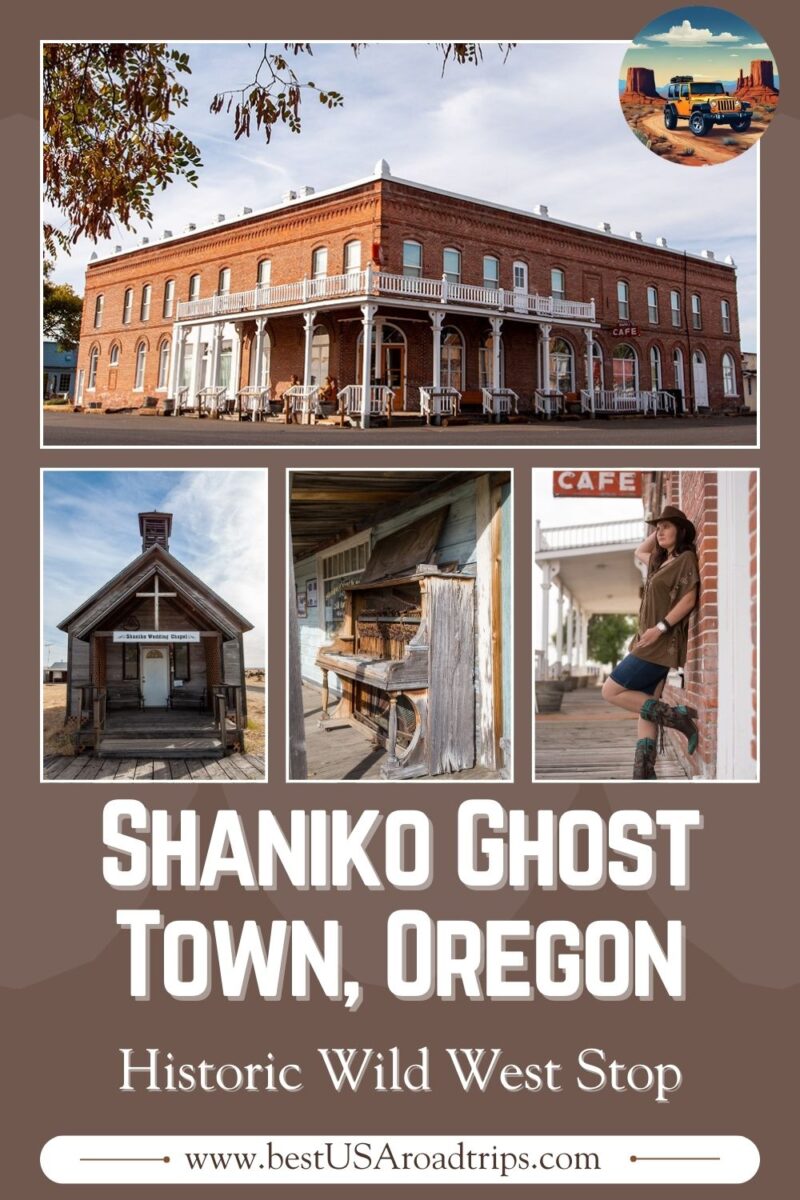
Shaniko Ghost Town, Oregon: History, Highlights & How to Visit
Shaniko is one of those places that makes you slow down the moment you arrive. This old ghost town in north-central Oregon still feels like a slice of the Wild West, with wooden boardwalks, wide-open desert views, and historic buildings that tell the story of a boomtown that once called itself the “Wool Capital of the World.” In this guide, we share what makes Shaniko Ghost Town worth the stop, from its unique history and restored hotel to the best things to see, how to get there, and when to visit. If you’re planning an Oregon road trip and want a memorable detour into the past, Shaniko is a place you won’t forget.
This article may contain affiliate / compensated links. For full information, please see our disclaimer here.
Our Experiences in Shaniko
Chris and I are always drawn to abandoned towns and places with stories, so Shaniko immediately caught our attention. We visited during an Oregon road trip and ended up staying in the area for two days because the atmosphere was so unique. All the photos in this article are our own, and this visit wasn’t sponsored—we simply wanted to explore one of Oregon’s best-preserved ghost towns.
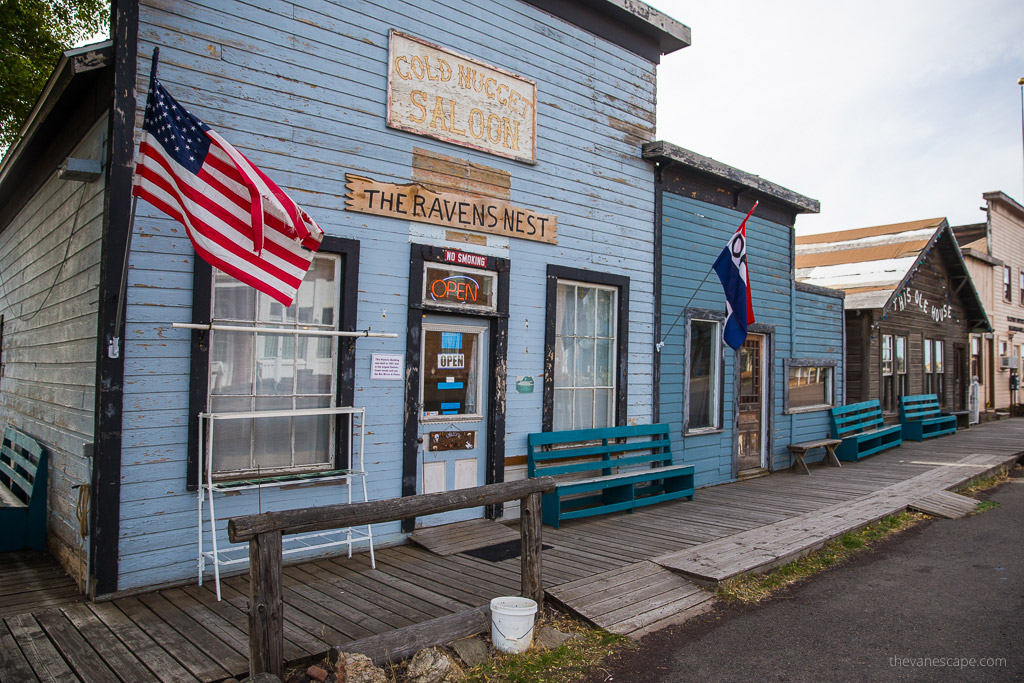
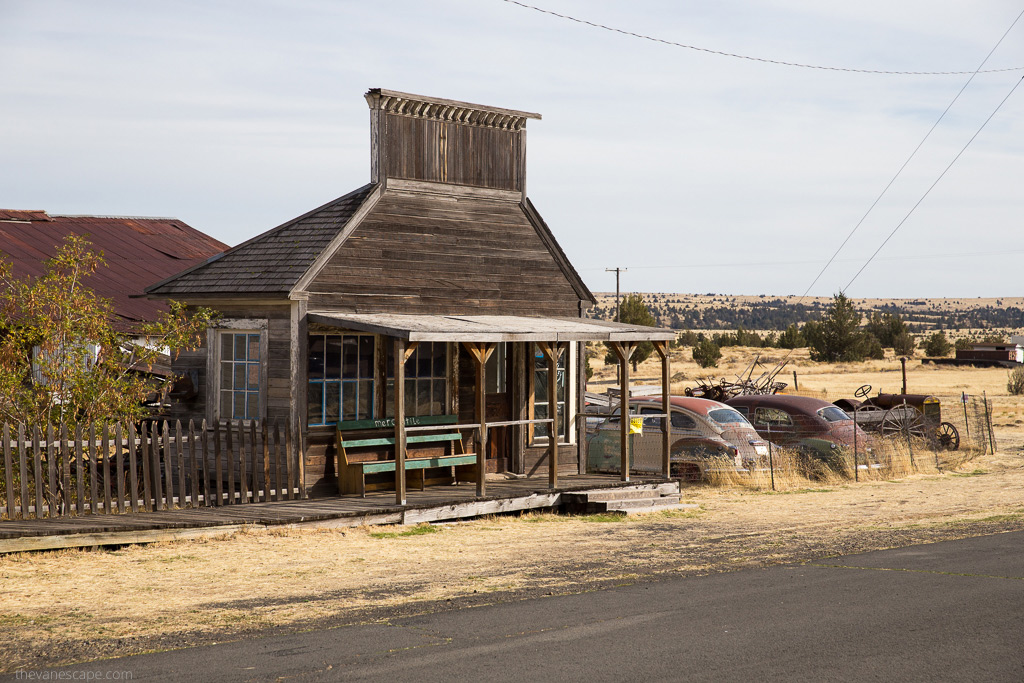
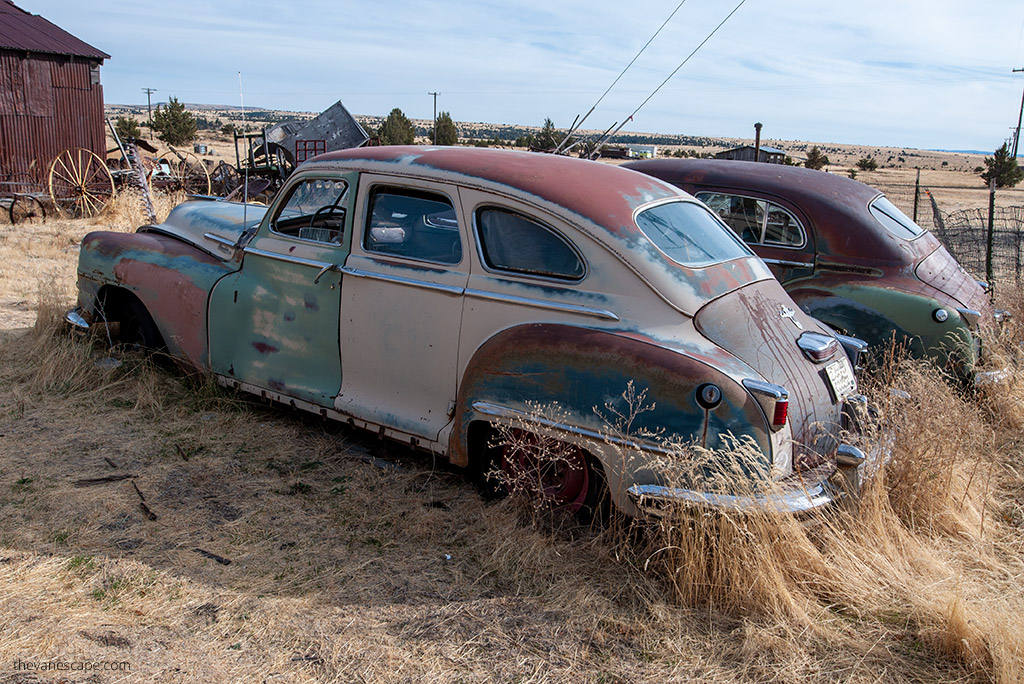
Walking the wooden boardwalks and quiet streets felt like stepping onto an old movie set. The empty buildings, vintage cars, and faded signs made the whole town feel frozen in time.
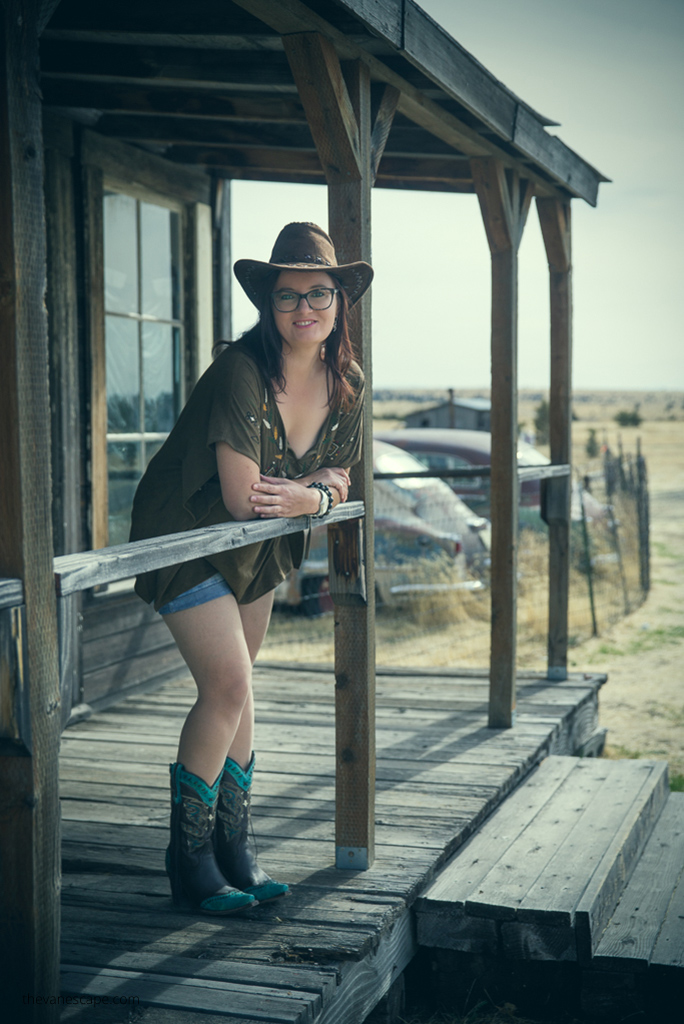
We also had a lot of fun taking photos here. I brought a cowboy hat and boots, which matched the Wild West scenery perfectly, and I recommend packing something that fits the vibe if you enjoy creative photos.
Shaniko is quiet, but that’s what makes it memorable. It’s a place where you can slow down, learn the history, and enjoy the silence of Oregon’s high desert. It became one of our favorite stops in the region, and we’re excited to share everything you should know before you go.
If you’re planning your trip, take a look at our Oregon travel guide for a full overview of the best places and experiences.


Where Is Shaniko Ghost Town?
Shaniko sits in north-central Oregon in Wasco County, right at the intersection of US-97 and OR-218. The town is surrounded by wide-open high-desert landscapes, rolling hills, and views that stretch for miles. It’s easy to reach from several popular road-trip areas, which makes it a great stop on an Oregon itinerary.
Shaniko is about 131 miles east of Portland, 85 miles from the Mount Hood area, and roughly 80–90 miles from Bend or Sisters. The drives are straightforward and scenic, and there’s plenty of parking once you arrive. Because the town is compact, the best way to explore it is simply to walk the quiet streets and visit the historic buildings at your own pace.
Shaniko works well as a one-day road-trip stop, a photography outing, or a side detour on your way to or from Central Oregon.

How to Get to Shaniko, Oregon
Shaniko is easy to reach from several major areas in Oregon, which makes it a convenient stop on a road trip. The town sits along US-97, so most routes offer open views of Oregon’s high desert, rolling hills, and wide skies.
- From Portland. The drive from Portland to Shaniko is about 131 miles via US-26 and usually takes around 2 hours and 30 minutes. It’s a scenic route that climbs through forests near Mount Hood before dropping into the dry, open landscape of Wasco County.
- From the Mount Hood Area. If you’re visiting Timberline Lodge or exploring Mount Hood, Shaniko is roughly 85 miles away. It takes about 1 hour and 40 minutes via US-26 E, OR-216, and Bakeoven Road. This route gives you a nice mix of mountain views and high-desert scenery.
- From Sisters, take US-97 north through Madras and Terrebonne. The drive is about 84 miles and takes around 1 hour and 40 minutes. It’s an easy, straight route and a great addition to a Central Oregon itinerary.
- From Bend, follow US-97 N directly to Shaniko. It’s only 80 miles and takes about 1 hour and 30 minutes. This is one of the quickest and most scenic approaches, with wide desert landscapes along the way.
When to Visit Shaniko Ghost Town
Shaniko is open and accessible year-round, but your experience will look very different depending on the season. The town sits in Oregon’s high desert, so expect big temperature swings, plenty of sunshine, and occasional strong winds.
April to September
This is the best time to visit if you want to see Shaniko at its most active. A small coffee and souvenir shop, a few museums, an art gallery, and an ice-cream shop typically open during these months. Weekends have a bit more energy, and you’ll find more people walking the wooden boardwalks.
October to March
In fall and winter, Shaniko feels almost completely abandoned. Most businesses are closed, and the streets stay quiet. If you enjoy photographing ghost towns without crowds—or you like the atmosphere of a true Old West relic—this is a great time to explore. Just dress warmly, as the desert can get cold and windy.
Shaniko Days
If you want to see the town come to life, plan for Shaniko Days, held on the first weekend of August. The event includes food, live music, gunfight reenactments, games, antique sales, and a quilt show. It’s the busiest time of year and a fun way to experience Shaniko’s community spirit.ance.
A Short History of Shaniko
Shaniko’s story is one of ambition, railroads, wool, and the fast rise and fall of a frontier town. Unlike many Old West communities built on gold or silver booms, Shaniko grew from something much more practical: sheep, wool, and transportation.
The Origins of Shaniko
The area around Shaniko was never good farmland, but it was excellent sheep country. In the late 1800s, ranchers produced massive amounts of wool, yet they struggled to transport it efficiently. A group of businessmen from The Dalles wanted a faster shipping route, so they pushed to build a railroad terminal farther south. Their plans led to the creation of a new town.
A German immigrant, August Scherneckau, settled here in 1874. Local Native Americans called him “Mr. Shaniko,” and the name eventually stuck. The first Shaniko post office opened in 1900, and the arrival of the first train that same year officially marked the beginning of the town.
The Wool Capital of the World
Between 1901 and 1911, Shaniko exploded with activity. The town became the main shipping hub for the Columbia Southern Railway, and wool poured in from ranches across central and eastern Oregon. At its peak:
- Shaniko shipped millions of pounds of wool each year.
- In 1903, it moved over 2,000 tons of wool and more than 1 million bushels of wheat.
- By 1904, over five million dollars worth of wool passed through town.
This booming industry earned Shaniko the nickname “Wool Capital of the World.” Stores, a massive warehouse, a school, a water tower, and the grand Shaniko Hotel served the busy population—around 600 people at its height.
The Beginning of Decline
Shaniko’s success lasted barely a decade. In 1910 and 1911, two large fires destroyed sections of the business district. But the biggest blow came when the Oregon–Washington Railroad and Navigation Company opened a competing rail line through the Deschutes River canyon. That new route offered a direct connection between Portland and Bend, bypassing Shaniko entirely.
With rail traffic diverted, Shaniko’s economy collapsed almost overnight. Rail service officially ended in 1943, and by 1959 the town was declared a ghost town. Only a few dozen residents remained.
Despite its decline, Shaniko kept many of its buildings—schools, hotels, warehouses, and boardwalks—which is why it remains one of the best-preserved ghost towns in Oregon today.
Shaniko Historic District: What to See Today
Shaniko may be quiet today, but many of its original buildings still stand, giving visitors a rare look at an Old West town that once thrived on wool, railroads, and ranching. Most of the historic structures sit close together, so you can wander the town on foot and explore them one by one.
Shaniko Hotel
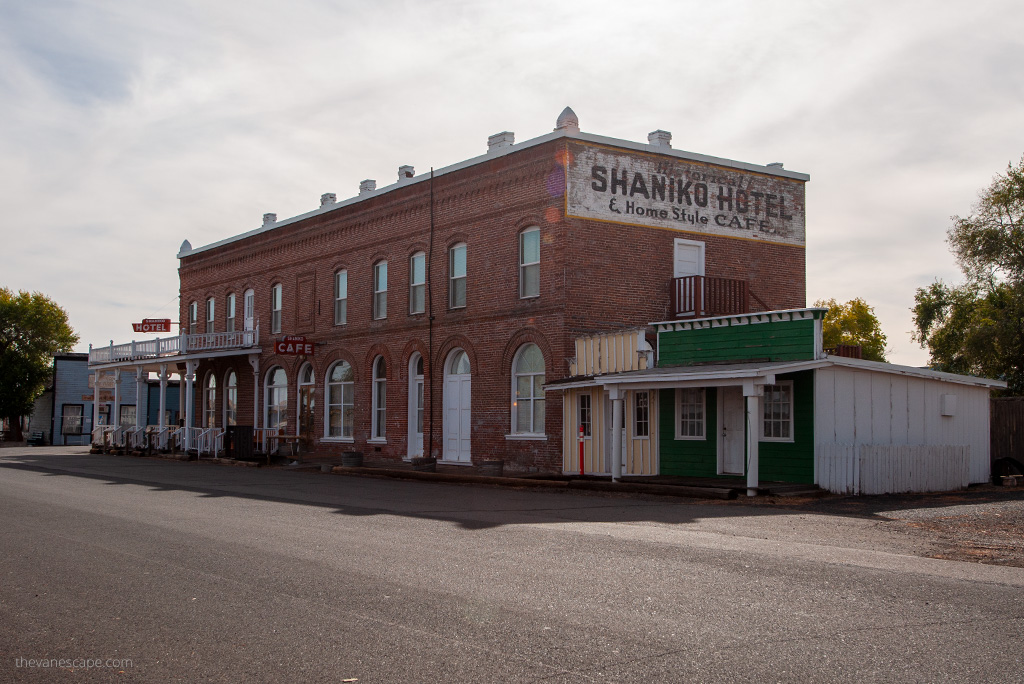
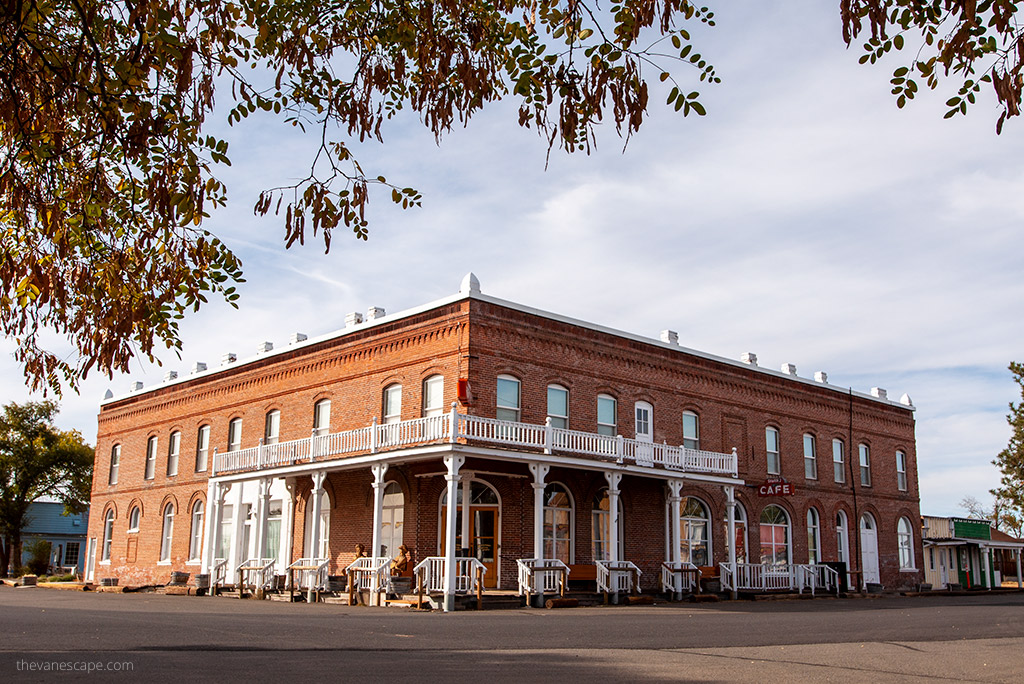
The most impressive building in town is the historic Shaniko Hotel, once a lively gathering place that served as a hotel, bank, saloon, dance hall, and community hub. Built in 1900, it features handmade brick walls up to 18 inches thick and was restored and listed on the National Register of Historic Places. After being closed for nearly two decades, it officially reopened in August 2023 with 18 rustic rooms overlooking the high-desert landscape.
Sage Museum
Located near the hotel, the Sage Museum gives a closer look at Shaniko’s wool trade, transportation history, and pioneer life. Displays often include tools, ranching equipment, and old photographs that help you imagine the town’s busiest days.
Shaniko Schoolhouse
This three-room school from 1901 is one of the most interesting historic buildings in town. On weekends from spring through fall, it houses a small toy and game museum that’s fun to visit.
Water Tower
Built in 1900, the 10,000-gallon wooden water tower once supplied the entire town. It’s a great spot for photos and one of the most iconic structures in Shaniko.
City Hall and Jail
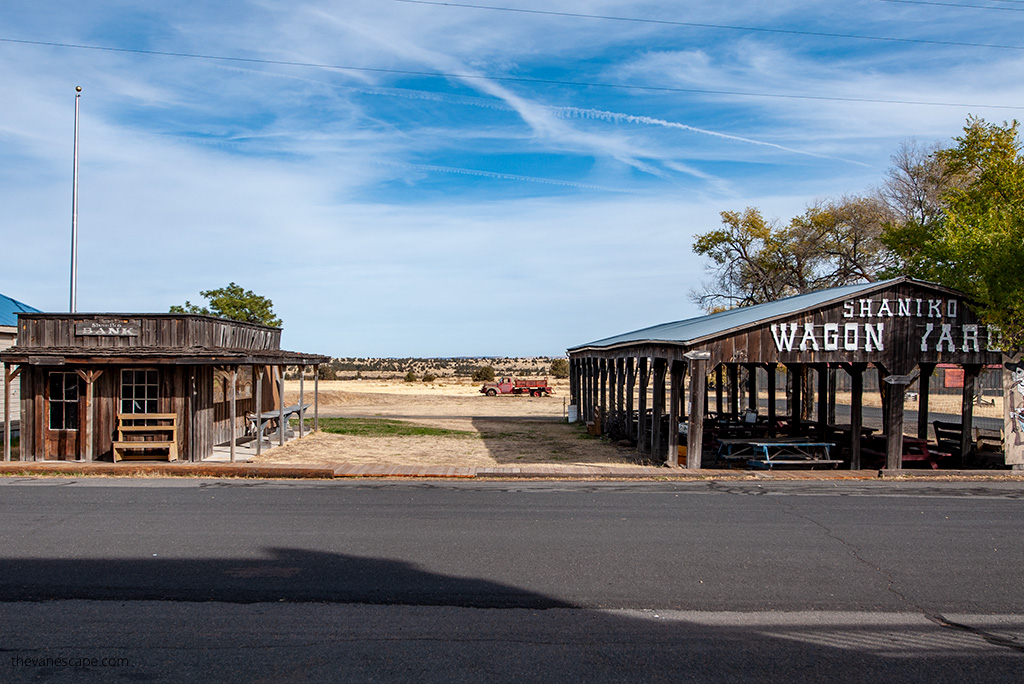
The old city hall and attached jail show what daily life was like during Shaniko’s heyday. The simple wooden structures add to the town’s Old West feel.
Wool Warehouse
Once the largest wool and wheat warehouse in Oregon, this building was at the center of Shaniko’s shipping boom. Its size hints at the scale of the town’s operations in the early 1900s.
Boardwalks, Storefronts & Rusty Vehicles
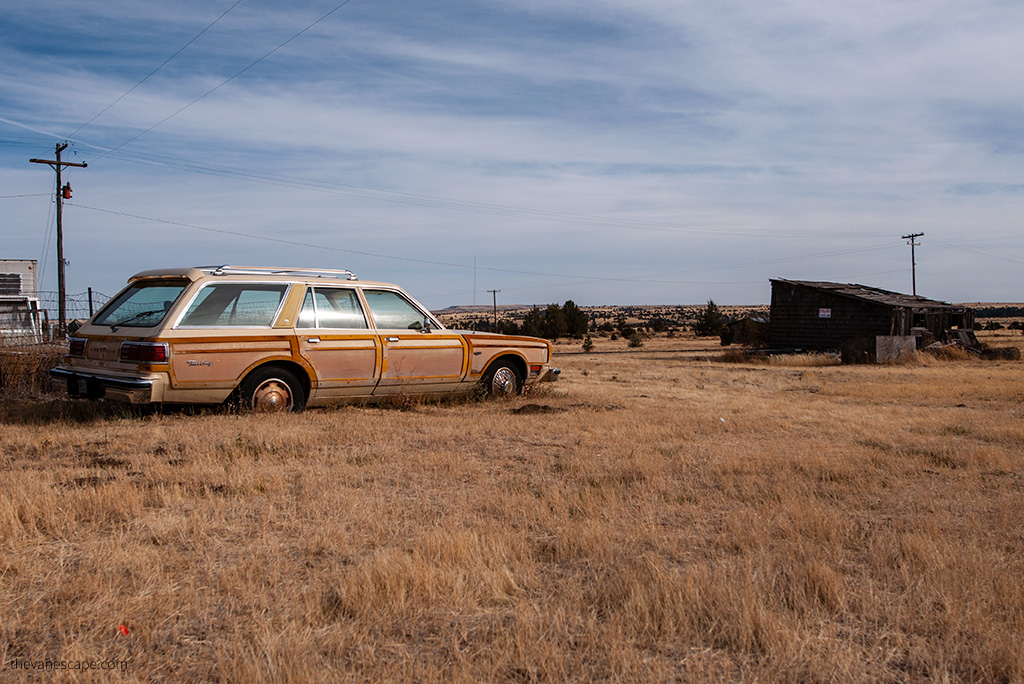
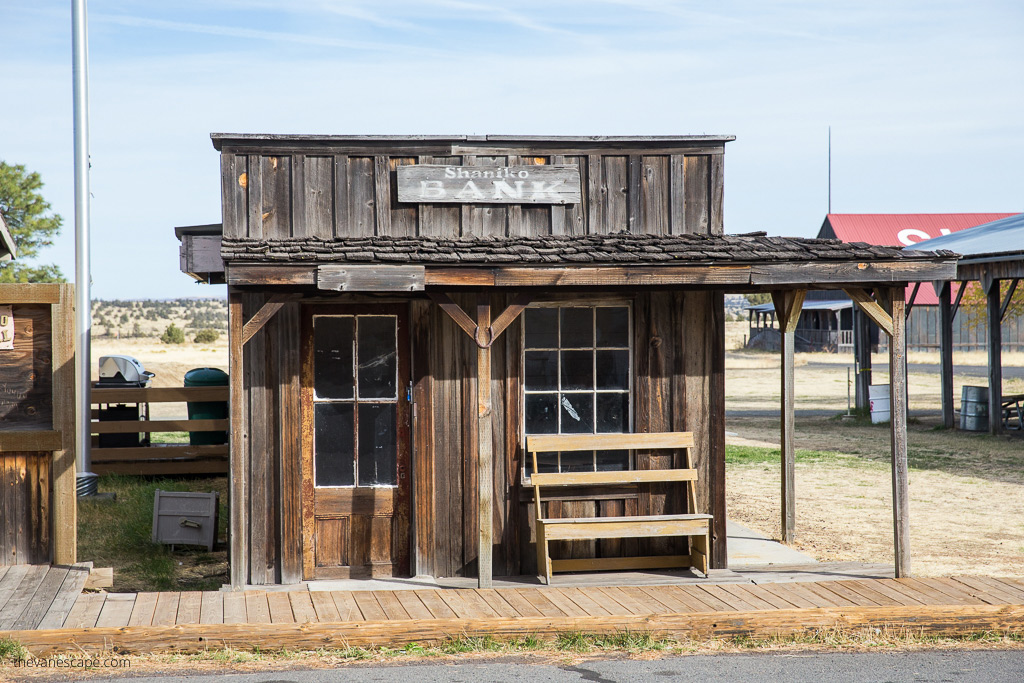
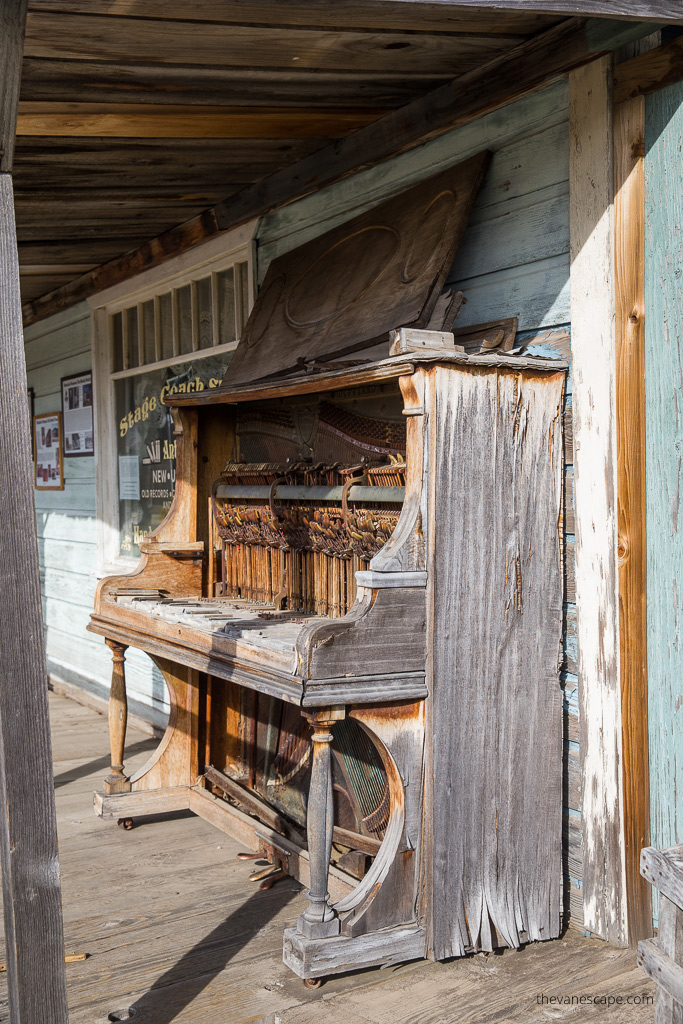
One of the best parts of Shaniko is wandering along the wooden boardwalks, peeking at empty storefronts, and photographing the rusty old cars, vintage farm tools, and weathered signs scattered throughout the town. These details create the classic ghost-town atmosphere that makes Shaniko so special.
The Shaniko Hotel
The Shaniko Hotel is the heart of the ghost town and one of the most recognizable historic buildings in north-central Oregon. Built in 1900 as the Columbia Southern Hotel, it was more than just a place to sleep. During Shaniko’s boom years, it served as a hotel, bank, saloon, dance hall, and central meeting spot for ranchers, railroad workers, and travelers passing through the busy wool capital.
A Historic Landmark
Constructed in the Italianate style with handmade brick walls up to 18 inches thick, the hotel was designed to impress. It quickly became the most prominent building in town.
Its sturdy construction and distinctive architecture helped it survive fires, weather, and decades of decline. In 1979, it was added to the National Register of Historic Places.
Years of Closure
After Shaniko’s population dwindled, the hotel struggled to stay open. It changed hands several times and eventually closed, sitting empty for nearly 20 years. During our first visit, the doors were shut, and we could only admire the building from the outside.
Reopened in 2023
The Shaniko Hotel was officially reopened in 2023. Today, it offers 18 restored rooms with views of the high-desert landscape, Mount Hood, and the quiet streets of the ghost town. The interior blends original details with modern comforts, giving guests a chance to experience a piece of Oregon history in a very real way.
A Unique Overnight Experience
Staying at the Shaniko Hotel is unlike a typical hotel stay. You’re surrounded by open desert, historic buildings, and a silence that feels almost otherworldly. It’s ideal for travelers who enjoy vintage charm, ghost towns, and unusual places. The reopening also brings life back to the center of the town, making a visit here even more interesting.
Planning Your Stay
• Rooms vary in size and style—each one is unique
• Book directly through the hotel’s official website
• Availability is still limited, so reserve early
• Expect rustic charm, not luxury
The Shaniko Hotel is high on our list for a future overnight stay. After exploring the town during the day, we’d love to return at night and experience this historic landmark under the stars.
What’s Open for Visitors in Shaniko Ghost Town?
Shaniko is a true ghost town for most of the year, but a handful of small businesses, museums, and seasonal events bring life back to the streets from spring through early fall. What’s open can vary by month and even by day, so it’s best to expect a quiet experience and enjoy whatever is open during your visit.
Seasonal Shops and Small Businesses (April–September)
During the warmer months, several small places open their doors—usually on weekends or when visitors are around:
• General store – sells snacks, drinks, and small souvenirs
• Gift shop – offers locally made items, postcards, and Old West–style crafts
• Ice cream shop – a fun stop on hot summer days
• Art gallery – small but interesting, with handmade pieces from local artists
• Gas station – sometimes open, often limited hours
Because hours can be unpredictable, we recommend treating these shops as a bonus rather than your main reason for visiting.
Schoolhouse Toy & Game Museum
The three-room schoolhouse from 1901 hosts a small toy and game museum that usually opens weekends from 10 a.m. to 3 p.m. between spring and early fall. It’s a quick and fun stop if you enjoy vintage items and small-town history.
Shaniko Days
If you want to see the town at its liveliest, plan your visit for Shaniko Days on the first weekend of August. It’s a great family-friendly event with:
• live music
• gunfight reenactments
• food and vendors
• a quilt show
• antique sales
• games and small-town activities
This is the one weekend when Shaniko feels less like a ghost town and more like the Old West revived.
What’s Open in Winter?
From late fall through winter, Shaniko becomes mostly silent. Nearly all businesses close, and visitors may only see a few locals or travelers passing through. Even so, winter offers excellent photography conditions, quiet streets, and a classic ghost-town atmosphere—just bundle up and expect colder, windy weather.
Photography Tips & Best Spots in Shaniko
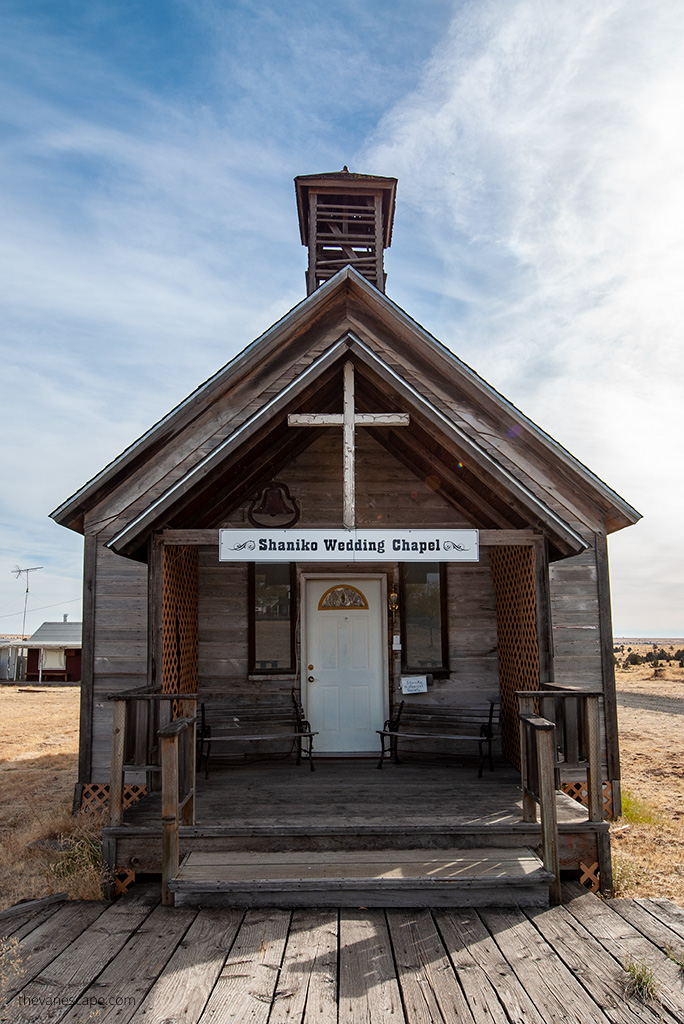
Shaniko is one of the most photogenic ghost towns in Oregon. Its wide, empty streets, faded storefronts, and high-desert backdrop make it perfect for creative photography. Whether you enjoy documentary-style shots or stylized Old West portraits, you’ll find plenty of opportunities here.
Best Time for Photos
• Morning: Soft light, long shadows, and fewer visitors
• Golden hour: Warm tones on wooden buildings and great sky colors
• Cloudy days: Perfect for capturing textures and details without harsh contrast
Because the town sits on open high desert, expect strong sun and wind—both can influence your shooting conditions.
Top Photography Spots
• Shaniko Hotel: The most iconic building in town, great for wide shots and detailed close-ups
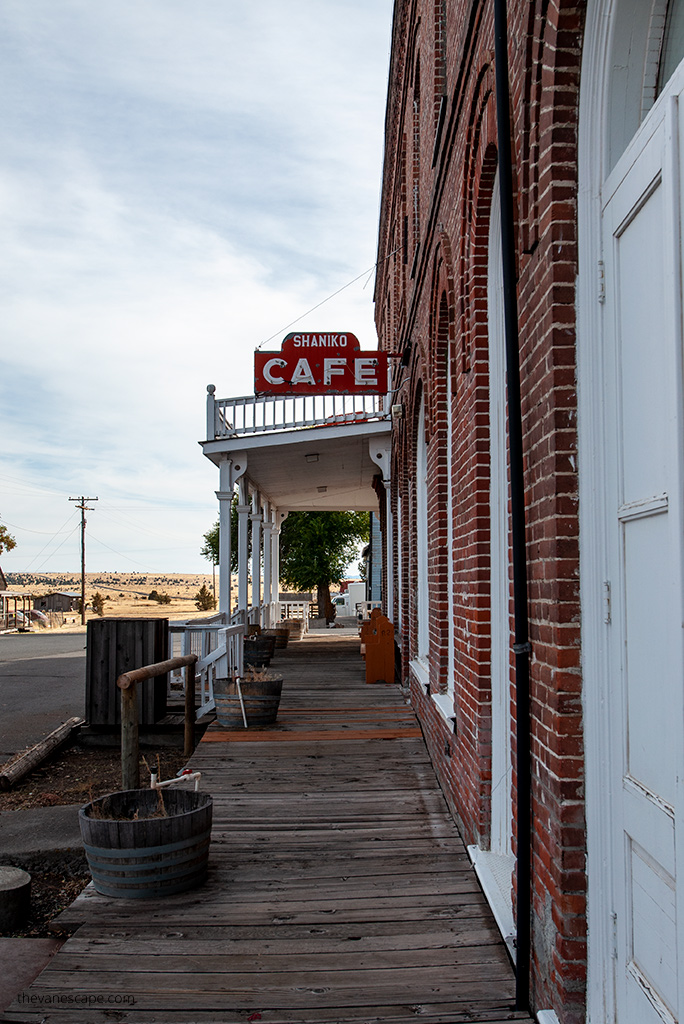
• Wooden boardwalks: Classic Old West scenes with empty storefronts and weathered wood
• Water tower: A standout structure that adds character to photos
• Schoolhouse: Great angles, especially near the museum entrance
• Rusty vehicles and old farm equipment: Perfect for framing foreground interest
• Wool warehouse and outbuildings: Show the town’s industrial past
• Desert views with Mount Hood in the distance: On clear days, look northwest for mountain landscapes
Clothing & Props
If you enjoy stylized travel photos, Shaniko is the place to go all-in with the Western vibe. I wore a cowboy hat and boots during our visit, and they matched the scenery perfectly. You can bring:
• hats
• denim jackets
• dresses or long skirts
• boots
• anything with a vintage or rustic style
They look great against weathered buildings and wide-open desert.
Respect the Space
Many buildings are fragile or privately owned. Stick to public areas, stay on boardwalks, and avoid entering any structures marked as private or unsafe. You can still get excellent photos without stepping inside.
Tips for Visiting Shaniko
Because Shaniko is remote and lightly populated, a few simple preparations can make your visit smoother and more enjoyable.
Bring Water and Snacks
There are no guaranteed food options, especially outside summer. Carry water, snacks, and anything you might need for a few hours. The nearest full services are in Madras, The Dalles, or Maupin.
Expect Limited Cell Service
Depending on your carrier, reception can be weak or inconsistent. Download directions or maps before you arrive.
Prepare for High Desert Weather
Shaniko sits on an elevated desert plateau. That means:
• strong sun
• frequent wind
• sudden temperature drops
• very dry air
Wear sunscreen, bring lip balm, and pack a light layer even on warm days.
Walk the Town Slowly
Buildings are spaced close together, but there are small details everywhere—old signs, hidden tools, abandoned wagons, and textures worth photographing. Slowing down helps you notice the character of the place.
Combine Shaniko With Other Road Trip Stops
Shaniko pairs naturally with other Oregon highlights, such as:
• the Mount Hood area
• Maupin and the Deschutes River canyon
• the Painted Hills
• Antelope and the small towns along OR-218
It fits perfectly into a loop through north-central Oregon.
Respect the Community
Even though Shaniko is a ghost town, a small number of people still live here. Stay respectful, keep noise low, and avoid walking onto private property.
Cash Can Be Useful
Some seasonal shops operate on limited hours and may only accept cash. Bring a small amount just in case.

Final Thoughts
Shaniko is one of those places that stays in your memory long after you leave. The quiet streets, historic buildings, and wide-open desert views make it easy to imagine what life looked like more than a century ago. For us, it was more than just a quick stop—it was a chance to slow down, explore at our own pace, and step into a real piece of Oregon’s past.
If you’re planning an Oregon road trip, Shaniko is a rewarding detour. Whether you come for the photos, the history, or the atmosphere of an authentic ghost town, you’ll find a place that feels both forgotten and full of character. It’s a simple stop, but one that adds something special to any Central or Eastern Oregon itinerary.
Do You Like It? Pin If For Later!