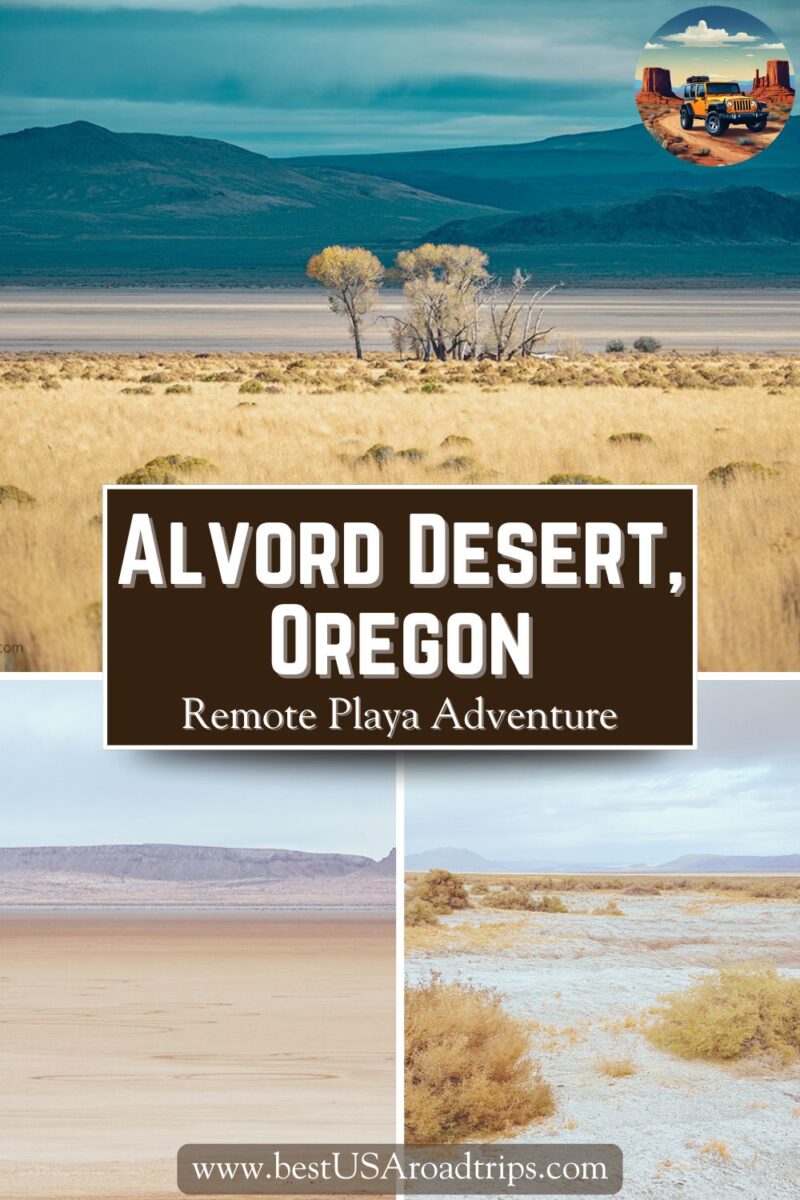
Alvord Desert: How to Plan Your Road Trip to Oregon’s Remote Playa
Hidden in southeastern Oregon, far from busy highways and tourist crowds, lies the surreal Alvord Desert — a vast, cracked playa framed by the towering Steens Mountain. This remote corner of the state feels like another planet, where silence stretches for miles and sunsets paint the desert floor in gold and rose tones. In this guide, we share everything you need to know before your trip — how to get there, when to visit, where to camp, what to pack, and the best things to do. Based on our firsthand experience exploring this isolated gem, you’ll find practical tips for driving, camping, and soaking in nearby hot springs, all while staying safe and respecting this fragile desert landscape.
This article may contain affiliate / compensated links. For full information, please see our disclaimer here.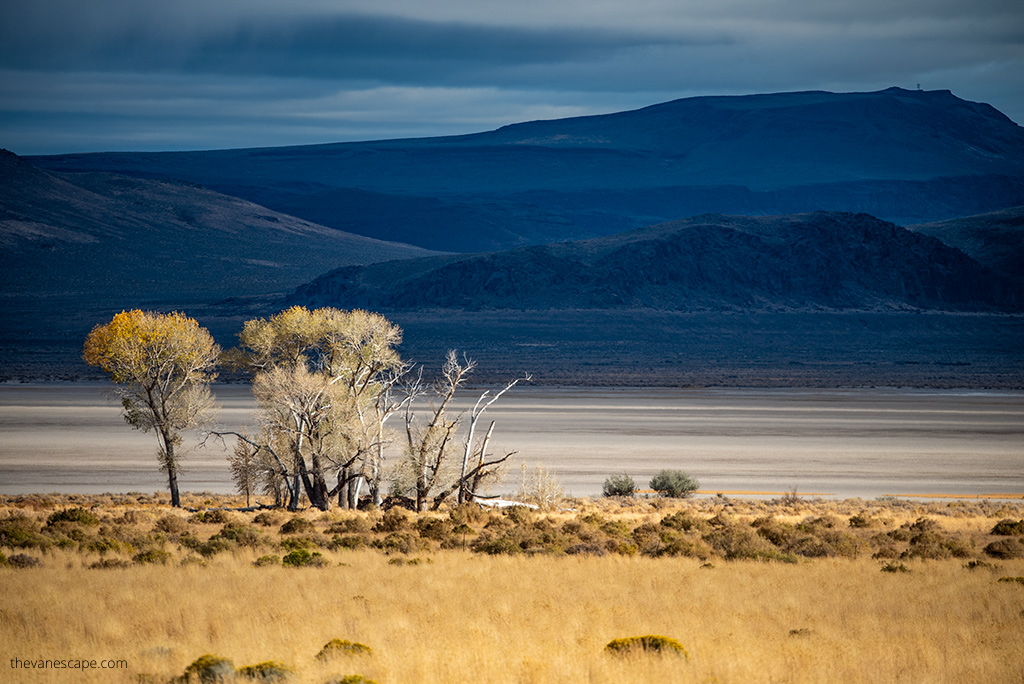
Visiting Alvord Desert – Our Experience
Chris and I spent a full weekend exploring the Alvord Desert during our long Oregon road trip — and it instantly became one of our favorite off-the-grid destinations in the state. The moment we drove onto the cracked playa, surrounded by silence and the distant shadow of Steens Mountain, it felt like stepping onto another planet.
We camped right on the desert floor, watched the stars explode across the night sky, and woke up to soft light reflecting off the white, dry lakebed. The sense of peace and isolation was incredible — no traffic, no noise, just wind and endless horizons.
It’s not a destination for everyone — you need to come prepared, bring all your supplies, and expect no phone signal or facilities. But if you love remote landscapes and solitude, the Alvord Desert will stay in your memory forever. We share practical insights we learned from our visit — from weather and road conditions to safety tips and nearby hidden gems.
We combined this deserted landscape with soaking in nearby hot springs — Alvord Hot Springs and Crystal Crane Hot Springs. It gave us the perfect balance between the dry, cracked terrain of the desert and the relaxing warmth of mineral water.
What and Where Is the Alvord Desert?
The Alvord Desert is one of Oregon’s most unique and remote landscapes — a dry lakebed stretching about 12 miles long and 7 miles wide in the southeastern corner of the state. It sits in Harney County, roughly 25 miles southeast of the small town of Fields and about 175 miles from Bend.
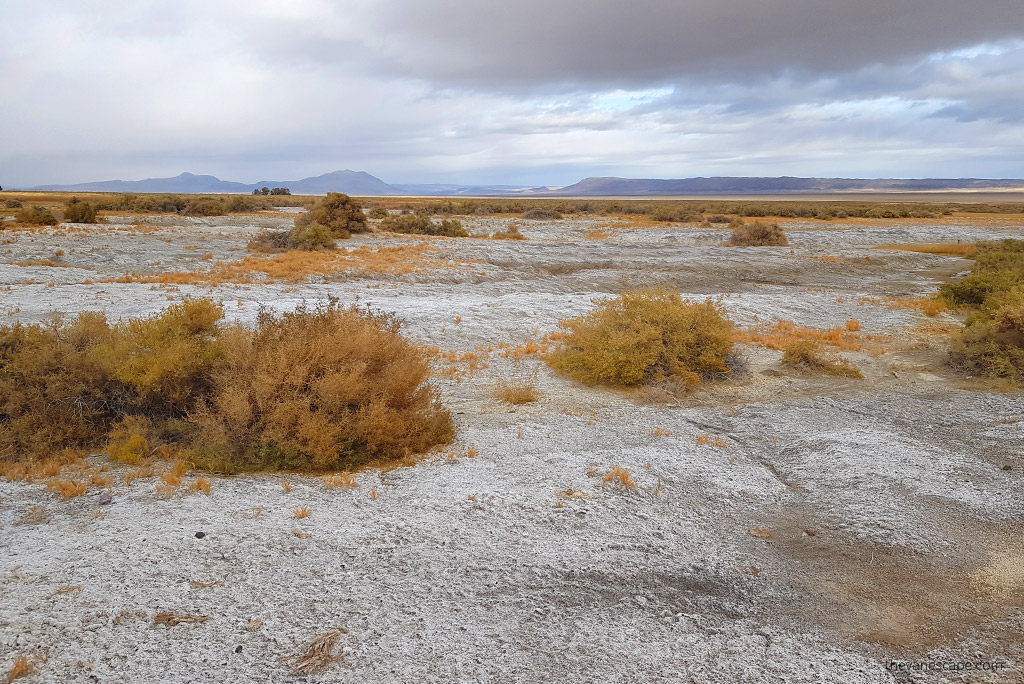
Once a massive prehistoric lake, the area slowly evaporated thousands of years ago, leaving behind a flat, cracked playa framed by volcanic peaks and the dramatic eastern slope of Steens Mountain. At around 4,000 feet of elevation, the desert offers striking contrasts — brilliant blue skies by day, chilly nights, and a horizon that seems endless.
This is one of the driest places in Oregon, averaging less than 7 inches (180 mm) of rainfall per year. Because two mountain ranges — the Coast Range and the Cascades — block Pacific moisture, the Alvord Desert feels worlds away from Oregon’s lush forests and waterfalls.
Despite its harsh appearance, this region is full of subtle beauty. Sunrise brings soft pastels across the playa, while sunset bathes it in glowing orange light. And when occasional rain returns, parts of the desert turn into a shallow reflective lake — a rare sight photographers dream of capturing.
If you’re planning your trip, take a look at our Oregon travel guide for a full overview of the best places and experiences.
How to Get to the Alvord Desert
Reaching the Alvord Desert is part of the adventure. This is one of the most remote areas in Oregon — no cell service, no gas stations for many miles, and very few travelers on the road. Careful planning is essential, especially if you’re visiting for the first time.
The desert sits east of Steens Mountain, along the Fields–Denio Road (Harney County Route 201), a long, mostly gravel route that connects Highway 78 near Crane with the small community of Fields near the Nevada border. You can enter the playa from a few access points, including:
- Alvord Hot Springs Access Road (fee-based) – The most popular route. Day use access costs about $10 per vehicle, but if you camp or stay overnight at the hot springs, the fee is included.
- Frog Springs Access Road (free) – A rougher dirt road a couple of miles north of Alvord Hot Springs that provides public access to the playa.
Here’s how to get there from the main cities:
- From Bend: About 235 miles (5 hours) via US-20 East to Burns, then OR-78 East. Turn right onto Folly Farm Road/Fields–Denio Road and follow the signs for Alvord Hot Springs.
- From Burns: About 95 miles (2 hours) via OR-78 East to Folly Farm Road, then Fields–Denio Road.
- From Boise, Idaho: Around 185 miles (3.5 hours) via I-84 West and US-20 West toward Burns, then follow OR-78 East.
- From Fields: About 23 miles (40 minutes) north on Fields–Denio Road.
Agnes’ Advice: Fill up your gas tank in Burns or Fields — there are no services in between. Bring a paper map or offline GPS, as most of the drive has zero signal. Avoid traveling after heavy rain — even a small amount of moisture can turn the desert clay into sticky mud that can trap vehicles.

Best Time to Visit the Alvord Desert
The Alvord Desert can be visited year-round, but conditions change dramatically with the seasons — and timing your trip right makes a huge difference.
The best time to visit is from late June through mid-October, when the playa is completely dry and safe to drive or camp on. During this period, days are warm, skies are clear, and the desert floor is firm enough for vehicles. Sunsets and stargazing are spectacular at this time of year.
- Summer (July–August): Expect daytime highs between 85°F and 100°F (29–38°C). Nights are cooler but still pleasant. Bring plenty of water and sun protection — shade is almost nonexistent.
- Fall (September–October): This is our favorite season to visit. Temperatures drop slightly, the light is soft and golden, and the crowds disappear.
- Winter (November–March): Cold and often windy. Daytime highs are around 40–50°F (4–10°C), and nights can dip below freezing. Some areas of the desert become muddy after storms.
- Spring (April–May): Rain and snowmelt from Steens Mountain can flood the playa, turning it into a shallow reflective lake. It’s beautiful for photography but not suitable for driving or camping on.
Agnes’ Advice: Always check current road and weather conditions on TripCheck.com before heading out. Even light rain can make the clay surface dangerously slick.
Things to Do in the Alvord Desert
The Alvord Desert may look empty at first glance, but that’s part of its magic. Once you step onto the vast, flat playa, you’ll realize how many unique experiences this remote landscape offers. Here are the best things to do during your visit:
1. Drive Across the Playa
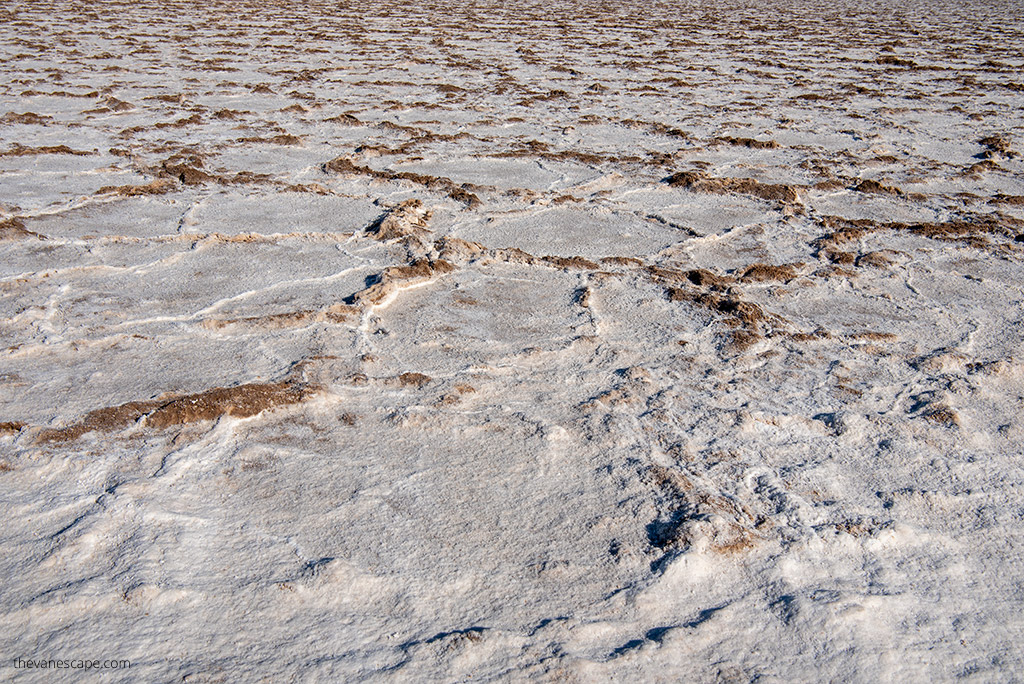
One of the most unforgettable things to do is drive across the dry lakebed. The cracked white surface stretches for miles, and when it’s dry, it feels like cruising across another planet. Make sure conditions are safe — if there’s been recent rain, stay on firm ground near the edge.
2. Camp on the Desert Floor
Camping on the Alvord Playa is a dream for anyone who loves solitude and stargazing. Nights here are silent and dark — perfect for watching the Milky Way. You can camp for free on public land, but stay clear of private property on the west side of the desert. Avoid camping in low spots where water collects after rain.
3. Soak in Alvord Hot Springs
After a day exploring the playa, relax in the Alvord Hot Springs, located right on the western edge of the desert. The rustic soaking pools sit on private land and are open daily for about $10 per person. If you stay overnight at the campground, access is included. Watching sunrise or sunset from the hot springs is a once-in-a-lifetime experience.
4. Explore Steens Mountain
The towering Steens Mountain, rising nearly 10,000 feet, creates a dramatic backdrop for the desert. You can drive the scenic Steens Mountain Loop Road (usually open from July through October) or stop at overlooks like Kiger Gorge Viewpoint and East Rim Overlook for breathtaking views.
5. Photograph the Landscape
The Alvord Desert is a paradise for photographers. Sunrise and sunset bring golden light, while the middle of the day creates sharp contrasts and long shadows. Bring a tripod if you plan to capture star trails or night skies — the lack of light pollution makes astrophotography phenomenal here.
6. Watch for Wildlife
This barren-looking land is full of life. You might spot wild horses, coyotes, or long-billed curlews wandering near the edge of the playa. Around Steens Mountain, look for pronghorn, mule deer, and even bighorn sheep.
7. Visit Nearby Diamond Craters
On your way to or from the desert, stop at Diamond Craters, a 27-square-mile volcanic field with lava flows, cinder cones, and craters you can walk around. It’s one of the most fascinating geological sites in southeastern Oregon.
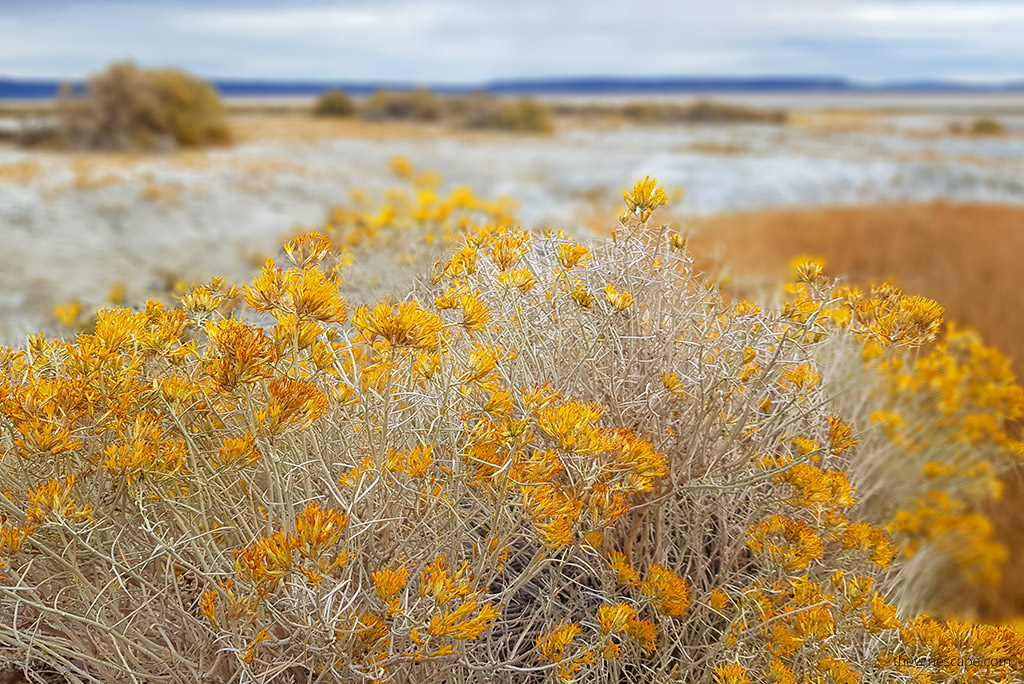
Camping and Lodging Near the Alvord Desert
You can experience the Alvord Desert in many ways — from wild camping right on the playa to rustic stays with access to natural hot springs. Whatever your travel style, plan ahead. This is one of the most remote places in Oregon, with no stores, gas stations, or restaurants nearby.
Camping on the Playa (Free)
You’re allowed to camp on the public sections of the Alvord Playa, and it’s an unforgettable experience. Nights are silent, skies are full of stars, and you’ll likely have the whole desert to yourself.
Keep in mind:
- Stay off private property along the western edge. These areas aren’t fenced, but they belong to nearby ranches.
- Avoid camping in low spots where rainwater can collect. Even a brief storm can flood your tent or vehicle.
- Bring everything you need — water, food, and a portable toilet. There are no facilities or trash bins.
- Practice Leave No Trace principles: pack out all trash, and if you’re camping without a bathroom, pack out human waste too.
Camping at Alvord Hot Springs (Paid)
If you prefer a bit more comfort, stay at Alvord Hot Springs Campground, located right off Fields–Denio Road. Guests can soak in the private pools anytime, and the campground offers restrooms, showers, and a small shop with snacks and coffee.
They also have simple bunkhouses, cabins, and RV sites (with no hookups). Prices vary, but you can check the latest rates and availability directly on their official website.
Nearby Lodging Options
If you’d rather not camp, the closest options are about 1–2 hours away:
- Crane Hot Springs Resort (near Burns): Offers cabins, a large soaking pond, and RV sites — a great stop if you’re traveling from Bend or Boise.
- Frenchglen Hotel: A historic inn about 70 miles from the playa, ideal if you’re combining your visit with a drive up Steens Mountain Loop Road.
- Hotels in Burns: The best choice for travelers who prefer more comfort, gas stations, and dining options before or after exploring the desert.
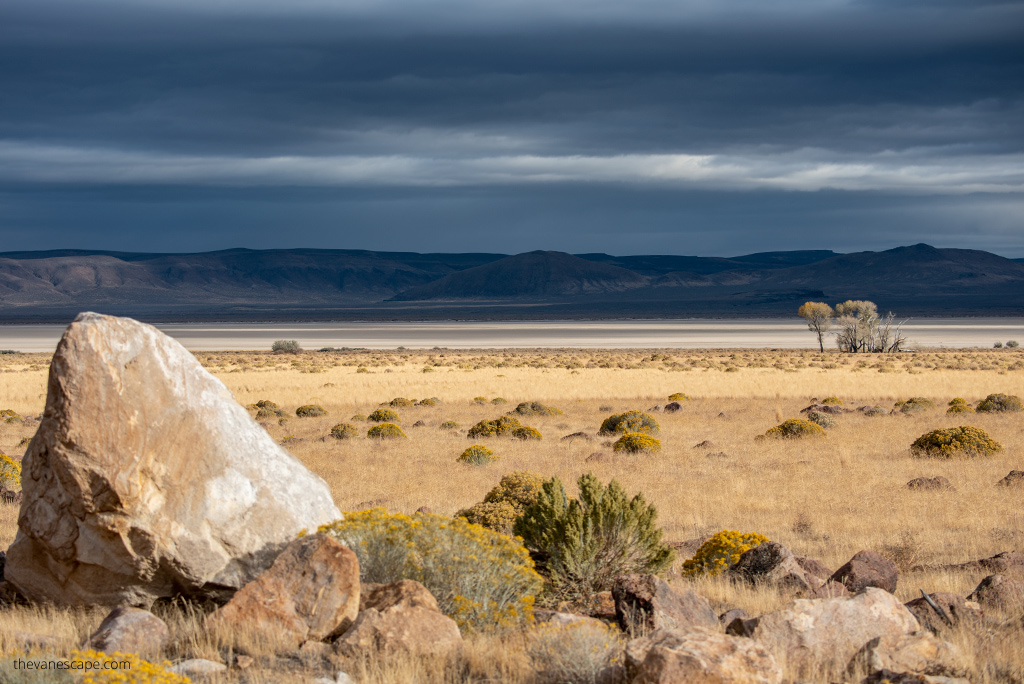
Essential Packing Tips for the Alvord Desert
Packing smart is crucial for a safe and enjoyable trip to the Alvord Desert. There are no stores, cell service, or emergency facilities nearby, so you must be completely self-sufficient. Based on our own experience camping on the playa, here’s what you should bring:
Clothing and Gear
- Layered clothing: The temperature difference between day and night can be huge — hot during the day, cold and windy after sunset.
- Windbreaker or lightweight jacket: Even in summer, winds sweep across the open desert.
- Warm base layers: Especially for cool nights; we love Merino wool for comfort and warmth.
- Sturdy shoes or hiking boots: The cracked, dusty surface can be rough on your feet.
- Hat, sunglasses, and sunscreen: There’s no shade — protect yourself from intense sun.
- Quick-drying towel and swimsuit: Perfect for a soak at nearby Alvord or Crane Hot Springs.
Camping Essentials
- Plenty of water: Bring more than you think you’ll need. We carried at least one gallon per person per day.
- Food and snacks: There are no restaurants nearby; plan your meals before leaving Burns or Fields.
- Portable stove and cookware: For coffee, hot meals, or a cozy evening under the stars.
- Reliable tent and strong stakes: Winds can be fierce — lightweight tents may not hold up.
- Sleeping bag rated for cold nights: Temperatures can drop below freezing, especially in fall or winter.
- Headlamp or flashlight with extra batteries: Nights are pitch dark.
Safety and Navigation
- Offline GPS or paper map: There’s no cell signal, so mark your entry and exit points.
- First aid kit: Always bring one — you’re far from help.
- Portable power bank: Keep your camera or phone charged for photos and navigation.
- Portable toilet or waste bags: There are no bathrooms in the desert.
- Trash bags: Pack out everything you bring in.
Optional but Nice to Have
- Tripod and camera gear: The light, colors, and stars are incredible for photography.
- Camping chairs or blanket: Perfect for sunset watching or stargazing.
- Binoculars: Great for spotting wildlife and distant peaks of Steens Mountain.
Agnes’ Advice: Everything in the desert gets dusty — from your shoes to your camera. We kept a small brush and microfiber cloths to clean our gear each day. And don’t underestimate how dry it is out there — hydration makes all the difference.

Responsible Travel & Safety Tips
The Alvord Desert is a fragile and remote environment. Its silence and beauty are what make it special — and it’s up to travelers to keep it that way. Here’s how to enjoy your visit safely and responsibly:
1. Check Conditions Before You Go
Always verify the weather forecast and road conditions on TripCheck.com or with the Bureau of Land Management (BLM) before your trip. Even a brief rain can turn the playa into deep, sticky mud that’s impossible to drive or walk on.
2. Drive Only When the Playa Is Completely Dry
Driving on a wet playa can cause deep ruts that scar the landscape for years. If the surface is damp or soft, park near the edge and explore on foot instead.
3. Respect Private Property
Not all of the Alvord Desert is public land. The west side, near ranches and Alvord Hot Springs, includes private parcels. Always respect “No Trespassing” signs and avoid entering fenced or marked areas.
4. Leave No Trace
This desert has no trash service — what you bring in, you must take out. Pack out all garbage, food waste, and human waste. Never bury toilet paper or leave litter behind.
5. Be Ready for Extreme Weather
The Alvord Desert is known for sudden temperature drops, strong winds, and limited shade. Bring extra layers, tie down tents securely, and keep valuables in your vehicle at night.
6. Prepare for Total Isolation
There’s no phone signal or emergency service in most of the area. Let someone know your route and expected return time. Carry a satellite communicator or GPS beacon if you have one.
7. Respect Wildlife
Wild horses, pronghorn, and coyotes roam this area. Keep your distance and avoid leaving food scraps that could attract animals.
8. Avoid Campfires
Campfires are not allowed on the playa. The desert is too dry, and winds can spread embers quickly. If you need light or warmth, use a camping lantern instead.
Agnes’ Advice: The Alvord Desert’s beauty lies in its untouched silence. The best way to experience it is to slow down, disconnect, and simply listen — to the wind, the echo of your steps, and the vast emptiness around you. Treat it gently so others can enjoy that same magic.
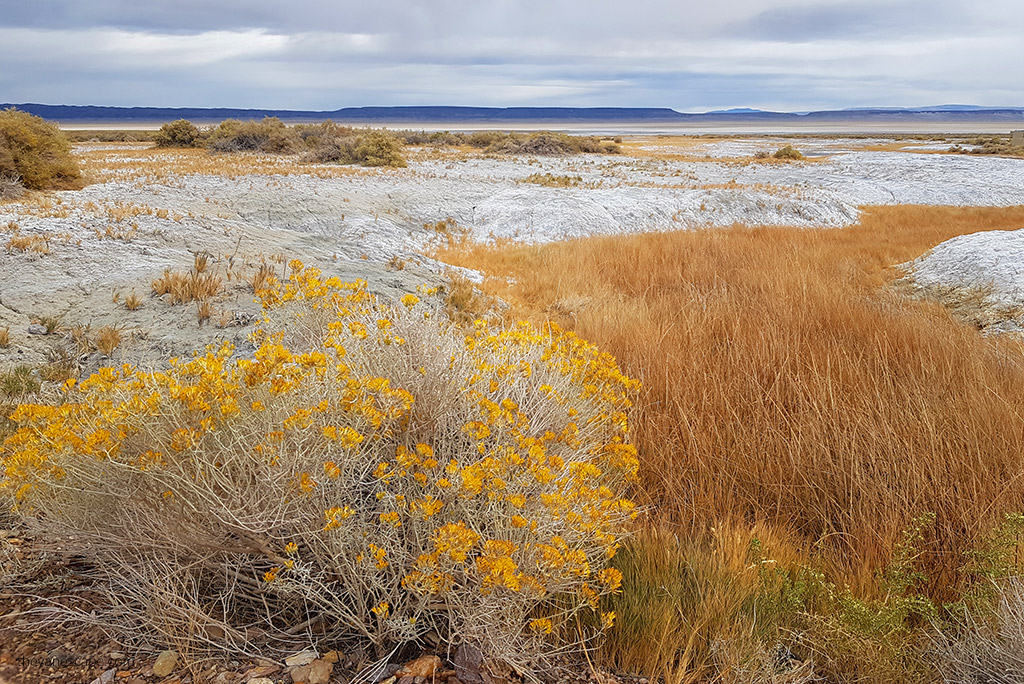
Final Thoughts
The Alvord Desert is one of those places that stays with you long after you leave. It’s raw, remote, and unbelievably peaceful — a world away from Oregon’s lush forests and coastal cliffs.
Chris and I spent a weekend here during our long U.S. road trip, and it quickly became one of our favorite Oregon memories. Watching the sunrise over the cracked earth, soaking in the nearby Alvord Hot Springs, and camping under a sky so full of stars it felt endless — it was an unforgettable experience.
If you’re planning an Oregon road trip, make time for this corner of the state. Combine it with a stop at Crane Hot Springs or a drive through Steens Mountain Loop Road to see Oregon’s wildest landscapes.
Come prepared, respect the land, and embrace the silence. The Alvord Desert rewards those who travel slowly and thoughtfully — it’s a reminder of how vast, quiet, and beautiful the American West truly is.
Do You Like It? Pin It For Later!