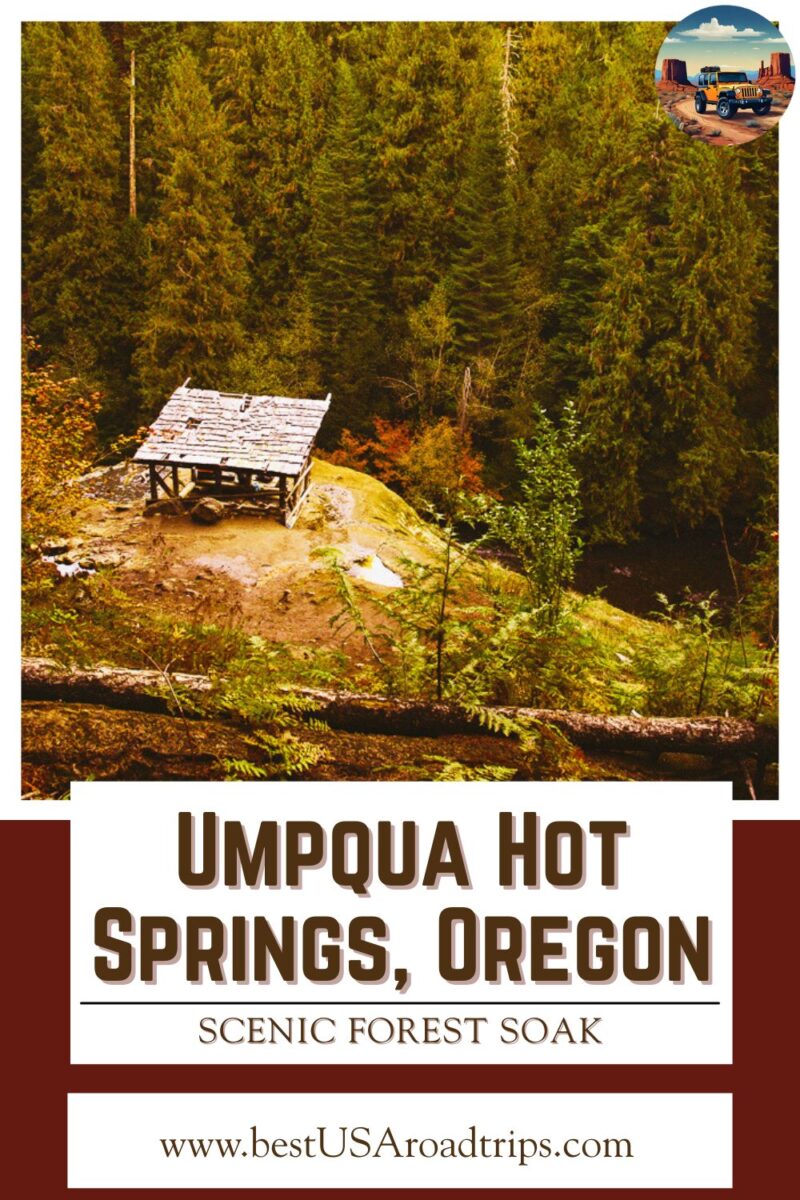
Umpqua Hot Springs: How to Visit Oregon’s Scenic Forest Hot Pools
Hidden deep in Oregon’s Umpqua National Forest, these forest hot springs feel like a secret escape. Umpqua Hot Springs sits high above the rushing North Umpqua River, offering steaming turquoise pools surrounded by moss-covered trees. In this guide, you’ll find everything you need to plan your visit — from how to get there and what to pack, to what to expect on the short hike and tips for responsible soaking. All advice is based on our firsthand experience exploring these scenic natural hot pools during our Oregon road trips.
This article may contain affiliate / compensated links. For full information, please see our disclaimer here.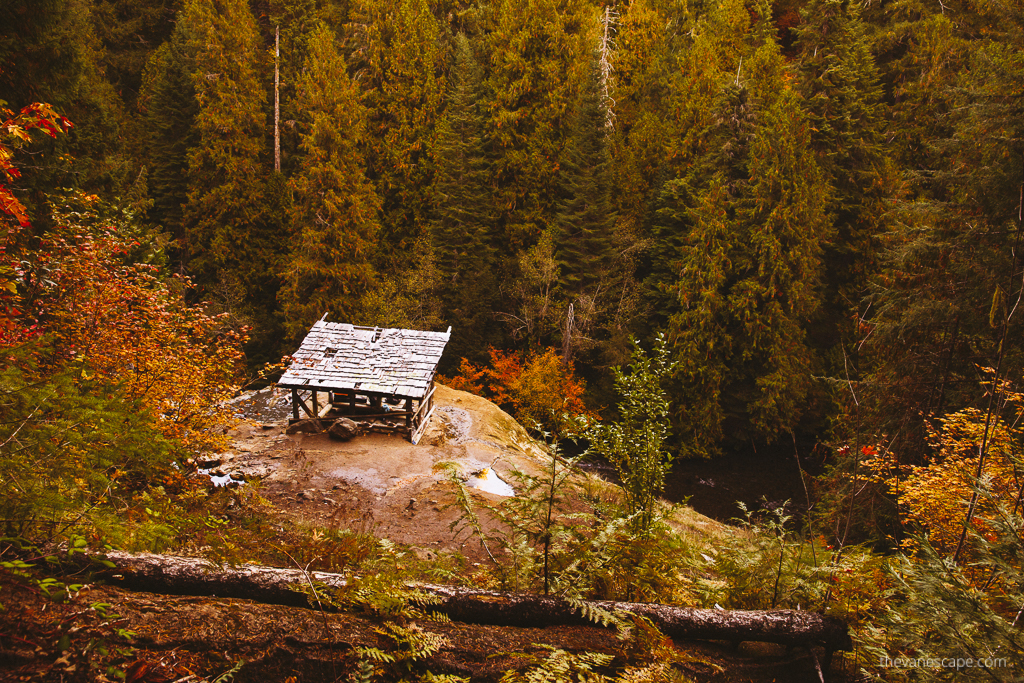
Soaking in Umpqua Hot Springs – Our Experiences
Chris and I first visited Umpqua Hot Springs in the fall, during one of our Oregon road trips. The air was crisp, the forest glowed with golden leaves, and a light fog drifted above the steaming pools — it felt magical. Despite the drizzle, we spent hours soaking and taking breaks to wander through the woods, listening to the river far below.
We combined this stop with nearby Toketee Falls, which made the perfect day trip in this part of Umpqua National Forest. Since it was late in the season, there were few people around, and the peaceful atmosphere made the experience even better.
Over the years, we’ve visited many hot springs across Oregon — from the desert pools of Alvord and Crystal Crane to forest favorites like Bagby. But Umpqua still ranks among our favorites for its raw beauty, natural setting, and the relaxing sound of the river below.
What Is Umpqua Hot Springs?
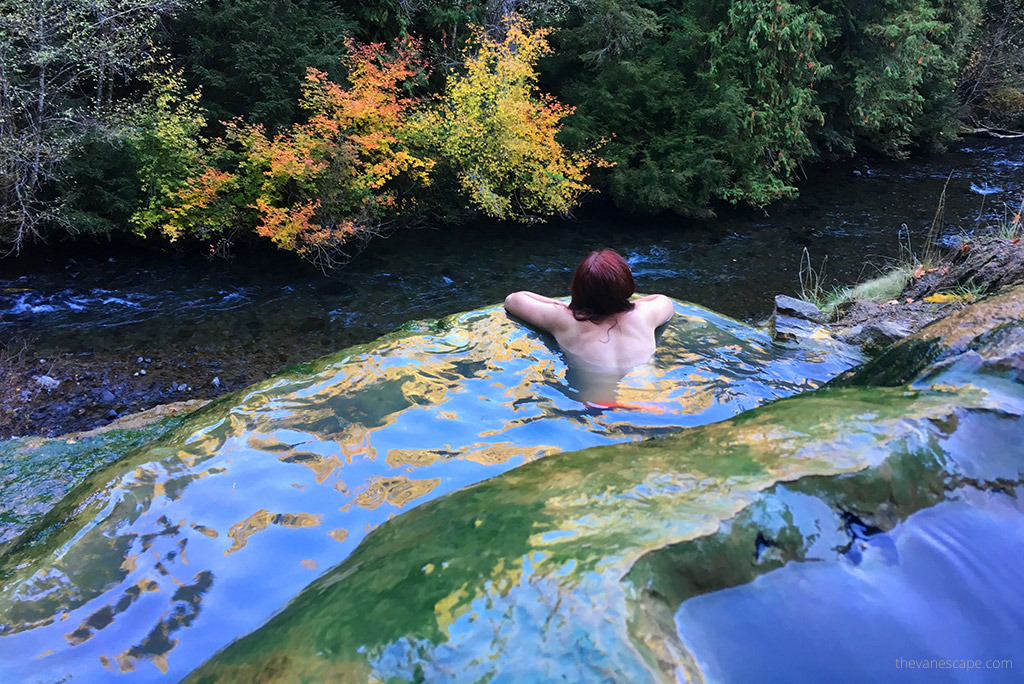
Umpqua Hot Springs, also known as Toketee Hot Springs, is one of Oregon’s most scenic and photogenic natural hot springs. A series of seven geothermal pools sits on a cliff high above the North Umpqua River, surrounded by dense forest and moss-covered rocks.
To visit Umpqua Hot Springs, you must purchase a Day Use Pass, as it’s required for entry and parking at the trailhead.
From the upper pools, you can look out over the river valley while soaking in naturally heated mineral water that averages around 108°F (42°C).
The springs flow directly from the hillside, cascading from one pool to another, with the upper ones being the hottest and cleanest. The water is rich in minerals and has a faint sulfur scent typical of geothermal pools.
These hot springs are tucked within the Umpqua National Forest, roughly halfway between Roseburg and Crater Lake National Park, making them an ideal stop on any Oregon road trip. The site is rustic, peaceful, and open year-round — though accessibility depends on weather and road conditions.
Where Is Umpqua Hot Springs?
Umpqua Hot Springs is located in the Umpqua National Forest in central Oregon, about 60 miles east of Roseburg and roughly two hours west of Bend. The nearest small community is Glide, a gateway to the scenic North Umpqua River Corridor.
The springs sit high above the river at an elevation of about 2,600 feet (792 meters), close to several other natural attractions like Toketee Falls, Misty Grotto Falls, and Watson Falls. It’s a remote, forested area surrounded by lush vegetation, with winding mountain roads leading to the trailhead.
Because of its proximity to Crater Lake National Park, many travelers include Umpqua Hot Springs as part of a longer Oregon road trip loop connecting Bend, Crater Lake, and the Umpqua region. The setting is wild and beautiful — perfect for those looking to unwind in nature and enjoy one of Oregon’s best outdoor experiences.
If you’re exploring more of the state, our Oregon trip planning guide includes the best places, routes, and travel tips.
Driving Directions
Reaching Umpqua Hot Springs requires a bit of effort, but the scenic drive is part of the adventure. The hot springs are located off Oregon Highway 138, also known as the North Umpqua Highway, which runs between Roseburg and Diamond Lake.
- From Roseburg: Drive east on OR-138 East / Diamond Lake Boulevard for about 60 miles. Turn left at milepost 59 onto Forest Road 34 (Toketee-Rigdon Road). Cross a concrete bridge at the bottom of the hill, then turn right onto Forest Road 3401. Continue for 0.7 miles to reach the Umpqua Hot Springs Trailhead parking area on your left.
- From Bend: Take US-97 South to OR-138 West, following signs toward Diamond Lake and Crater Lake. Continue west past the Toketee Falls turnoff, then turn right onto Forest Road 34, following the same route as above.
- From Crater Lake National Park: Head north on OR-138 West toward Roseburg for about 40 miles, then turn right onto Forest Road 34 and follow the signs to the trailhead.
The final stretch is a narrow, gravel forest road with potholes, so drive slowly and carefully — especially in wet weather. The road can close seasonally due to snow, typically from November through March.
Parking at the trailhead requires a $5 day-use fee or a Northwest Forest Pass. There’s a small lot with space for about ten vehicles, along with a composting toilet and picnic tables.
Fees & Passes
Umpqua Hot Springs is part of the Umpqua National Forest, and a Day Use Pass is required for all visitors. The pass helps maintain the trail, pools, and facilities.
- Fee: $5 per vehicle per day
- Accepted passes:
- Northwest Forest Pass (daily or annual)
- America the Beautiful Interagency Pass
- Interagency Senior or Access Pass
You can purchase a pass in advance online or pay on-site at the self-pay station in the parking lot. Bring exact cash and a pen to fill out the payment envelope, as no credit card option is available at the trailhead.
The fee covers day use only, since camping and overnight parking are not allowed at Umpqua Hot Springs.
Hike to Umpqua Hot Springs
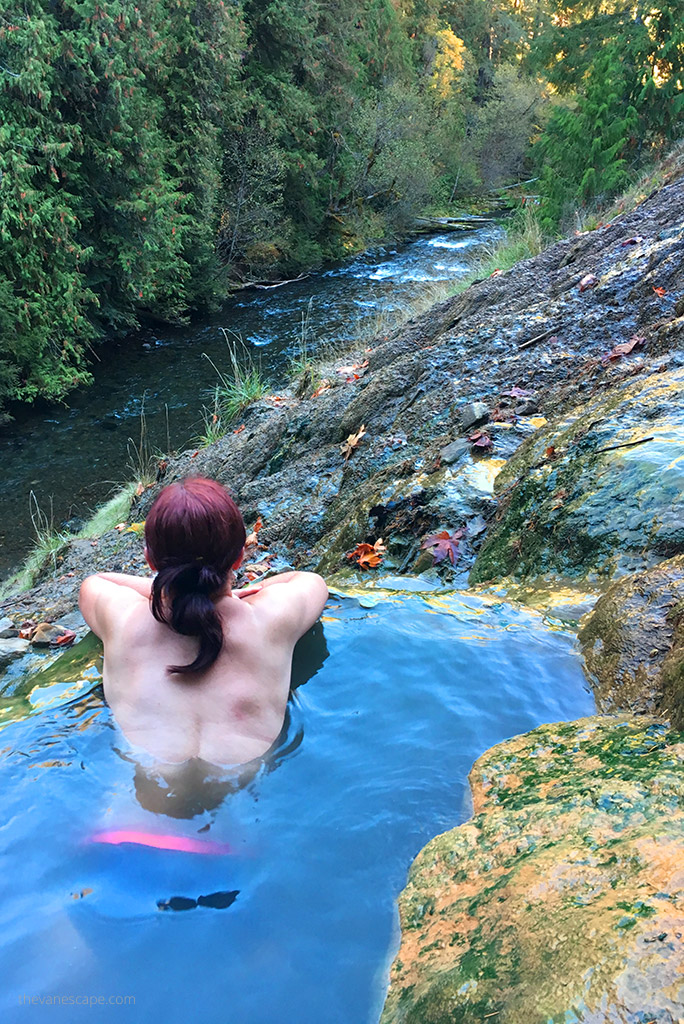
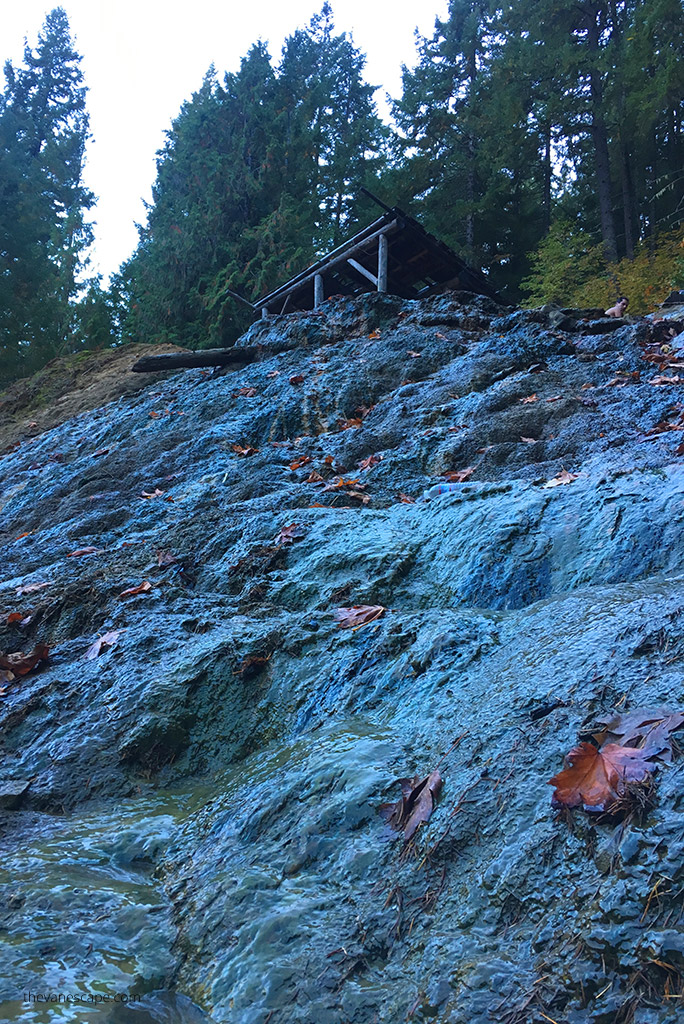
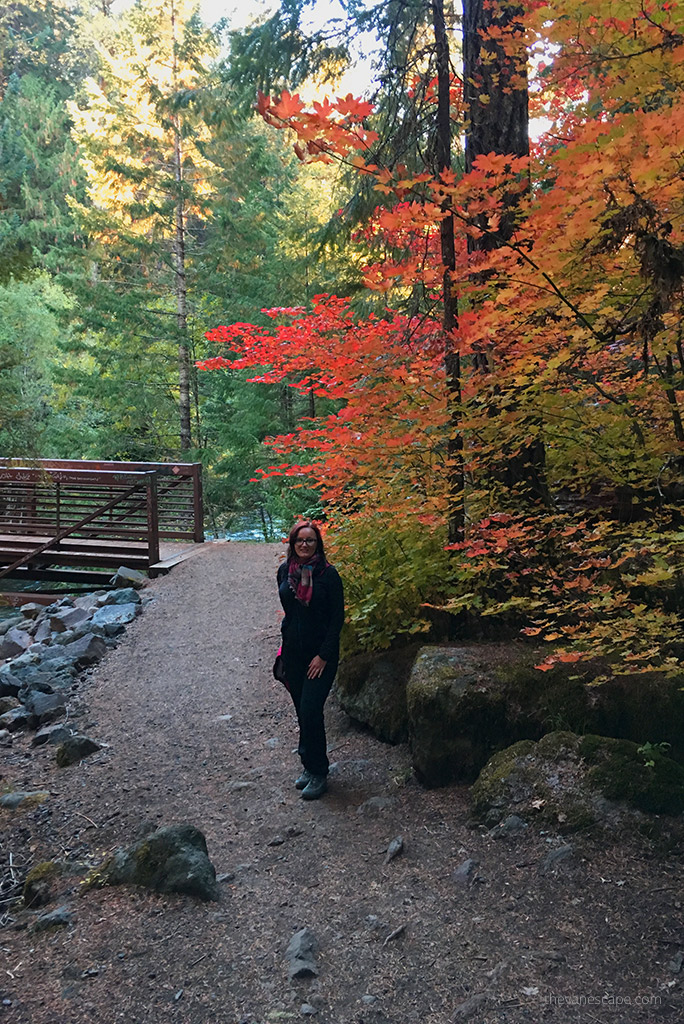
The trail to Umpqua Hot Springs is short but steep. From the parking area, it’s about 0.3 miles (0.5 km) each way, with a 150-foot elevation gain. The path climbs through a dense, mossy forest filled with ferns and Douglas firs before opening to a view of the North Umpqua River and the steaming pools above it.
You’ll start by crossing a small wooden footbridge over the river, then follow a well-trodden dirt path that quickly becomes narrow and slippery. The trail can be muddy after rain or snowmelt, so waterproof hiking boots or sturdy sandals with grip are essential. Trekking poles can also be helpful for balance.
It usually takes about 20–25 minutes to reach the springs, depending on your pace and trail conditions. When you arrive, you’ll see the main pool sheltered under a wooden canopy and several smaller terraced pools cascading down the hillside. Each offers a slightly different temperature and view of the river below.
During winter, when the access gate is closed, you’ll need to hike an additional 1.5 miles (2.4 km) along the road to reach the trailhead — a total of about two miles one way.
Soaking In Geothermal Pools
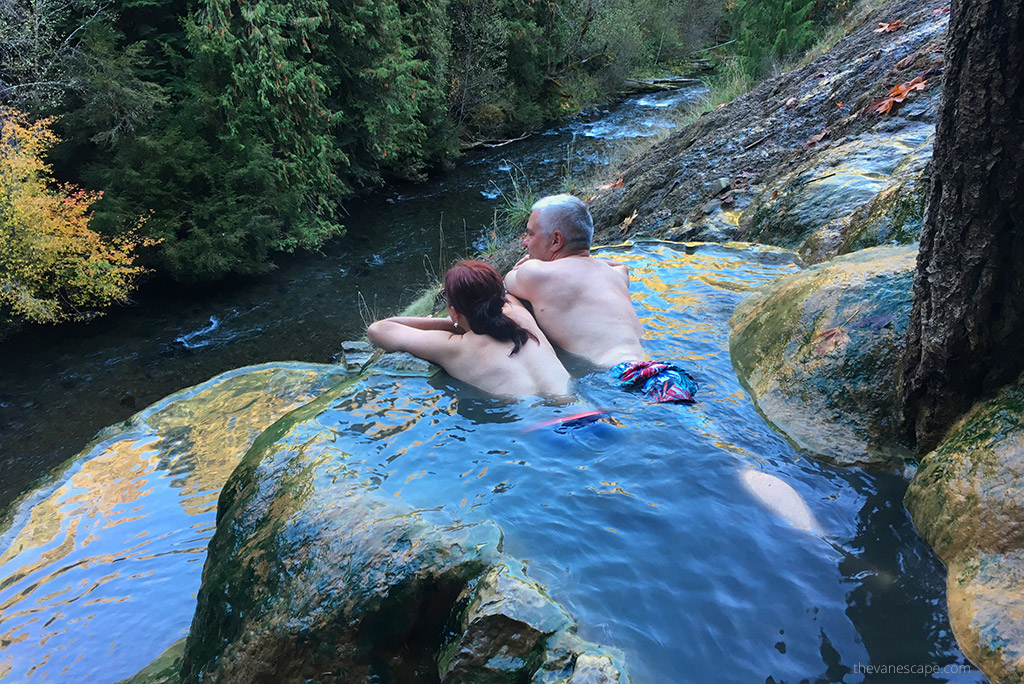
Umpqua Hot Springs features a series of seven natural geothermal pools built into a hillside above the North Umpqua River. The upper pool, sheltered by a rustic wooden structure, is the warmest and cleanest, with temperatures around 108°F (42°C). The water flows naturally down into the lower pools, cooling slightly as it descends.
Each pool offers a unique experience — some small and shallow, others large enough for several people. The view from the pools is breathtaking: you can watch the river flow below and hear the steady rush of water echo through the forest.
The pools are open year-round (weather permitting), but early morning or late afternoon are the best times to visit. At sunrise, the mist rising from the warm water creates a magical, ethereal atmosphere.
Clothing is optional, and most visitors are comfortable soaking nude or in swimsuits. Everyone is welcome — just keep a respectful attitude toward others.
Remember, these are natural hot springs in a fragile environment. Please avoid using soap or shampoo, and never leave trash behind. The sulfur scent is mild here, and the water feels silky and clean — perfect for relaxation after a long Oregon road trip.

Umpqua Hot Springs Etiquette and Safety Tips
Umpqua Hot Springs is a peaceful natural retreat, but it’s also fragile — and shared by everyone who visits. To help keep it clean and welcoming, follow these simple rules and safety tips:
- Leave no trace. Pack out everything you bring, including food scraps, cans, and tissues. Even small waste attracts animals and harms the environment.
- No soap or cosmetics. Even biodegradable products damage the delicate natural ecosystem. The springs connect to the river below, so keep the water pure.
- Avoid glass containers. Broken glass in or near the pools can cause serious injuries. Bring drinks in reusable or plastic bottles instead.
- Keep noise low. Visitors come here to relax and listen to nature. Respect the quiet, and avoid music or loud conversations.
- Be respectful of nudity. Clothing is optional here. Whether you choose to wear a swimsuit or not, be polite, open-minded, and avoid taking photos of others.
- Stay hydrated. The pools are hot — around 108°F (42°C) — and soaking too long without water can cause dizziness or dehydration.
- Don’t camp at the springs. Camping is strictly prohibited at Umpqua Hot Springs due to past environmental damage. You can stay at nearby Toketee Lake Campground instead.
- Use the toilet facilities. There’s a composting toilet near the parking area. Please use it to keep the forest clean and safe.
- Watch your step. The mossy rocks and terraces between pools are very slippery. Enter and exit the pools carefully, preferably in water shoes or sturdy sandals.
Following these simple rules helps protect Umpqua Hot Springs for everyone — and ensures that future visitors can experience its natural beauty just as you did.

Where to Stay Near Umpqua Hot Springs
Since camping and overnight parking are not allowed at Umpqua Hot Springs, you’ll need to plan your stay nearby. Fortunately, there are a few scenic and convenient options close to the springs.
Toketee Lake Campground
Located just 4 miles from Umpqua Hot Springs, this peaceful forest campground is the best choice for visitors who want to stay close. It’s a first-come, first-served or reservation-only campground with 32 basic sites for tents or small RVs (up to 30 feet).
Facilities include vault toilets, picnic tables, and fire rings — but no hookups or potable water, so come prepared. Sites cost around $10–15 per night, and reservations can be made on the Recreation.gov website.
Rising River RV Park (Roseburg)
If you prefer full amenities, this family-run RV park sits along the Umpqua River about an hour from the springs. It offers electric and water hookups, a dump station, restrooms, showers, and a relaxed, friendly atmosphere — perfect after long days of exploring the Umpqua National Forest.
Seven Feathers RV Resort (Canyonville)
A bit farther away but much more luxurious, Seven Feathers offers spacious RV sites, a spa, indoor pool, restaurant, and wine tours. It’s an ideal stop if you’re including Umpqua Hot Springs as part of a longer Oregon road trip.
Nearby Hotels and Lodges
If you prefer a hotel stay, you’ll find good options in Roseburg, Bend, or near Crater Lake National Park. Roseburg is the closest town with grocery stores, restaurants, and fuel.
Final Thoughts
Umpqua Hot Springs is one of those rare places that truly feels magical. Hidden deep in the forest above the North Umpqua River, it offers a perfect mix of wild beauty and peaceful solitude. The terraced pools, framed by mossy rocks and mist rising from warm water, create an unforgettable atmosphere — especially early in the morning or during fall when the colors are most vibrant.
We’ve soaked in many hot springs across the West, but this one stands out for its location and natural charm. If you’re planning an Oregon road trip, add Umpqua Hot Springs to your itinerary along with nearby Toketee Falls, Crater Lake National Park, and Diamond Lake. It’s easy to combine these spots in one scenic loop through the Cascades.
Just remember to come prepared — the road can be rough, the hike slippery, and facilities limited. Respect the environment, pack out everything you bring, and treat this special place with care. In return, Umpqua will reward you with serenity, warmth, and some of the most breathtaking views Oregon has to offer.
Do You Like It? Pin It For Later!