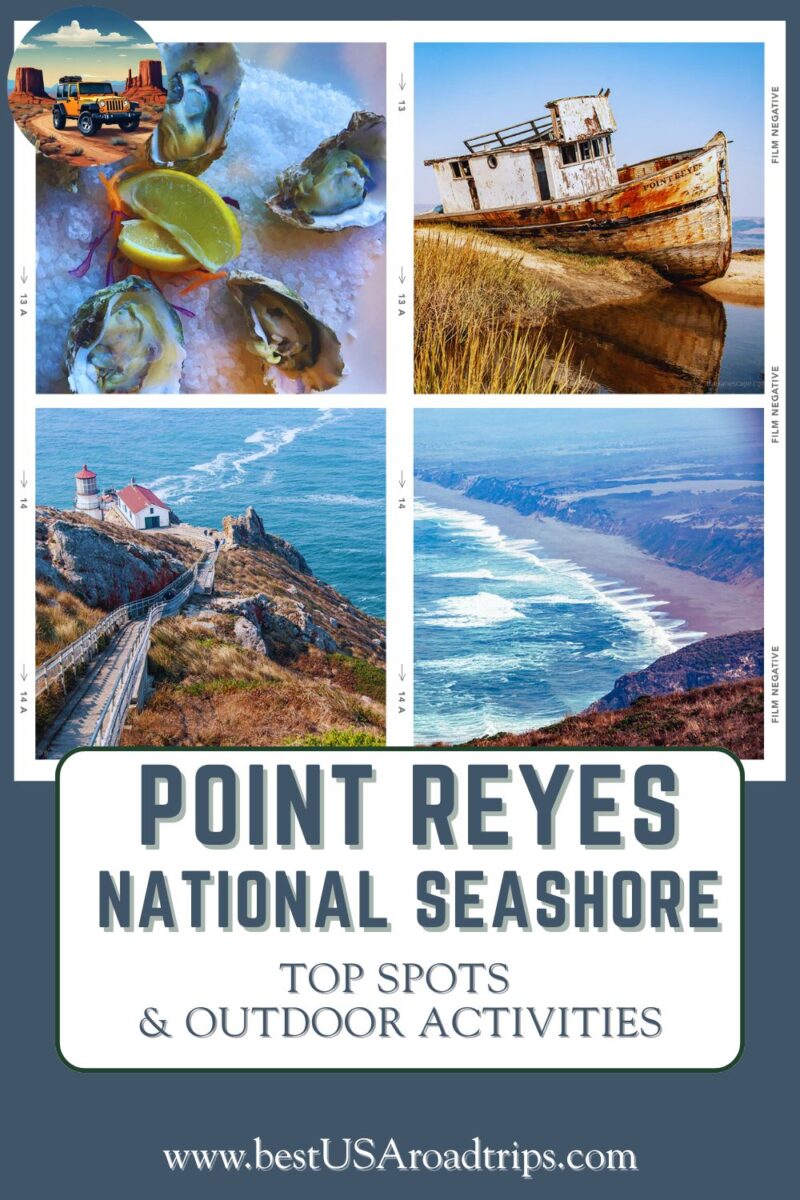
12 Best Things to Do in Point Reyes National Seashore: Top Attractions & Outdoor Activities
Point Reyes National Seashore is one of the most beautiful stretches of coastline in Northern California. Just 40 miles north of San Francisco, it’s a place where rugged cliffs meet wide sandy beaches, tule elk roam freely, and the sound of crashing waves replaces city noise. This guide covers the 12 best things to do in Point Reyes National Seashore — from iconic spots like the Point Reyes Lighthouse and Cypress Tree Tunnel to peaceful beaches, scenic hikes, and unforgettable wildlife encounters. It’s the perfect destination for a day trip or weekend getaway, whether you’re into photography, hiking, or just breathing in fresh ocean air.
This article may contain affiliate / compensated links. For full information, please see our disclaimer here.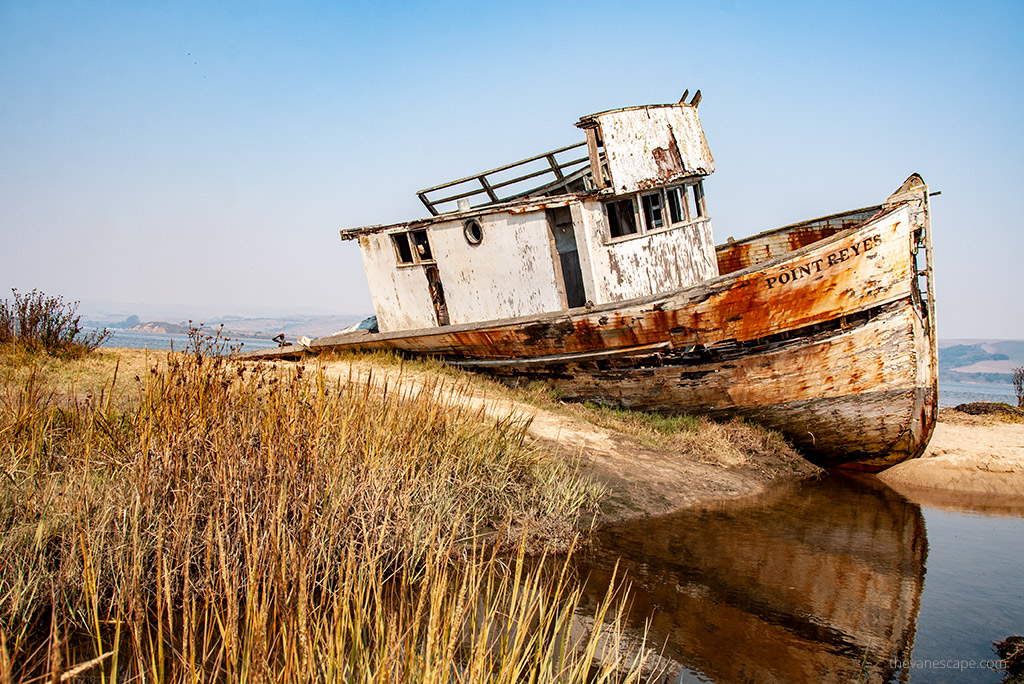
How to Use This Guide?
Chris and I have explored Point Reyes several times. Often as a break from busy San Francisco, and during longer West Coast road trip from San Francisco to Seattle.
What started as a short visit to the lighthouse turned into an unexpected two-day adventure filled with incredible views, wild coastlines, and delicious local food.
Pick from this list of top attractions and activities in Point Reyes based on your travel style, fitness level, and the weather. Some spots are great for easy walks, others require longer hikes or 4WD access. Whatever you choose, every corner of Point Reyes feels wild, peaceful, and worth the effort.
Keep in mind that the weather changes quickly. It can be sunny and warm inland but cold, windy, or foggy by the lighthouse. Always pack layers and check local conditions before heading out.
If you’re driving a rental car, review your agreement — some roads near Tomales Point or remote trailheads may require high-clearance or 4WD vehicles. This is just one of many incredible places we cover in our complete guide to California travel.


12 Best Things to Do in Point Reyes National Seashore
Now let’s explore the top attractions and activities in Point Reyes National Seashore.
1. Visit the Bear Valley Visitor Center
The Bear Valley Visitor Center is the perfect first stop when exploring Point Reyes National Seashore. It’s located just outside the town of Olema, about half a mile west on Bear Valley Road. Here you’ll find maps, current trail and wildlife updates, and helpful park rangers ready to answer your questions.
The center has exhibits that explain the area’s natural history, geology, and wildlife. You can also pick up brochures, learn about current conditions, or browse the small bookstore filled with local guides and nature books.
From here, several popular trails begin, including the easy Bear Valley Trail, which leads through forest and meadows toward the coast. Even if you’re only here for a day, it’s a great place to get oriented before heading out to the main attractions.
Agnes’ Tips:
– Stop here first to check trail conditions and wildlife closures.
– Ask rangers about the best hikes or viewpoints for the day’s weather.
– There are restrooms, picnic areas, and parking available.
– Arrive early on weekends to avoid crowds.
Starting your visit at Bear Valley ensures you get the latest information and make the most of your time in Point Reyes.
2. Explore the Historic Point Reyes Lighthouse
The Point Reyes Lighthouse is the park’s most famous landmark — and one of the most dramatic viewpoints on the California coast. Perched on the edge of a steep cliff, it has stood against fierce Pacific winds since 1870, guiding ships safely through some of the foggiest waters in North America.
You’ll reach the lighthouse by driving to the end of Sir Francis Drake Boulevard, where a short paved trail (about 0.45 mile each way) leads to the Lighthouse Visitor Center. From there, a stairway of 313 steps descends to the light itself. The climb back up can be tough, but the view is worth every step.
If you’d rather not go down, the observation deck near the top offers a fantastic panoramic view of the cliffs and coastline. Be prepared for strong winds and fog — they’re part of the lighthouse experience.
Built with a first-order Fresnel lens imported from France, the Point Reyes Lighthouse once required a full crew to maintain. It was automated in 1975 and is now on the National Register of Historic Places. Movie fans might recognize it from John Carpenter’s 1980 horror film The Fog.
Agnes’ Tips:
– Check the NPS website for opening hours — the lighthouse occasionally closes due to high winds.
– Dress warmly; it’s often 15–20 °F colder than inland.
– Visit early morning or late afternoon for the best light.
– Don’t miss the small exhibits about maritime history and whale migration.
Standing at the lighthouse feels like being at the edge of the world — wild, windy, and unforgettable.

3. Walk the Cypress Tree Tunnel
The Cypress Tree Tunnel is one of the most photographed spots in Point Reyes — and it’s easy to see why. A long driveway lined with Monterey cypress trees, their branches arching overhead, forms a natural tunnel that looks like something out of a fairytale.
This iconic site was planted in the 1930s to frame the approach to the KPH Maritime Radio Receiving Station, which still stands at the end of the tunnel. The historic building once received Morse code messages from ships across the Pacific.
The best time to visit is early in the morning or just before sunset, when soft light filters through the branches and fog drifts across the hills. It’s a photographer’s dream — especially when no one else is around.
Agnes’ Tips:
– Arrive early to avoid crowds and get perfect photos without people.
– The tunnel is located off Sir Francis Drake Boulevard, about 9.5 miles from Point Reyes Station. Look for the sign “North District Operations Center.”
– Drones are not allowed in the park.
– Bring layers — coastal fog can roll in quickly.
A quiet walk through the Cypress Tree Tunnel is one of the best things to do in Point Reyes — a moment of peace and beauty that captures the magic of this coastal park.

4. Photograph the S.S. Point Reyes Shipwreck
The S.S. Point Reyes Shipwreck is one of the most famous photo spots in the Bay Area. This weathered fishing boat rests on a sandbar along the shore of Tomales Bay, behind the Inverness Store. Its peeling paint, tilted hull, and peaceful reflection in the water make it a favorite stop for photographers at sunrise or sunset.
The boat was originally brought to Inverness by a local man who planned to restore it, but the project was never completed. Over time, it became an unofficial landmark and a reminder of the area’s maritime history.
You don’t need much time here — it’s a quick and easy stop — but it’s one of those places that perfectly captures the atmosphere of Point Reyes: a little wild, a little weathered, and completely photogenic.
Agnes’ Tips:
– The shipwreck is located just off Sir Francis Drake Boulevard near the Inverness Store. Park respectfully and walk down the short path.
– Visit during low tide for the best reflections.
– Early morning and late evening offer soft light and fewer visitors.
– Be careful near the structure — it’s fragile and unstable.
Whether you’re a photographer or just love coastal charm, this quiet stop is one of the top attractions in Point Reyes National Seashore and a must-see on any trip.


5. Enjoy the Beaches of Point Reyes
Point Reyes National Seashore offers more than 30 miles of wild, scenic coastline, making it one of the best beach destinations in Northern California. Each beach has its own mood — some are quiet and perfect for long walks, others are dramatic and great for photography.
You can reach several beaches by car, while others require a short hike. The most popular and accessible are Drakes Beach, Limantour Beach, and Point Reyes Beach (Great Beach).
- Drakes Beach sits below striking white sandstone cliffs. It’s great for picnics, wildlife viewing, and family visits. There’s a small visitor center, restrooms, and café, open seasonally.
- Limantour Beach stretches for miles between the ocean and a calm estuary. It’s ideal for beach walks, bird-watching, and photography.
- Point Reyes Beach (also called Great Beach or Ten-Mile Beach) is vast and untamed — a true oceanfront wilderness. It’s beautiful but often windy, with strong surf and rip currents.
Swimming is not recommended on most beaches because the water stays around 50°F (10°C) year-round, and waves can be dangerous.
Agnes’ Tips:
– Dress in layers — the weather can change from sunny to foggy within minutes.
– Always check for seasonal closures that protect elephant seals or snowy plovers during breeding or nesting seasons.
– Wear sturdy shoes — the sand can be soft, and trails to the shore may be steep.
– Visit early or late for soft light and fewer people.
Each beach in Point Reyes feels different, but all share the same wild beauty that makes this coastline unforgettable.


6. Spot Tule Elk and Other Wildlife
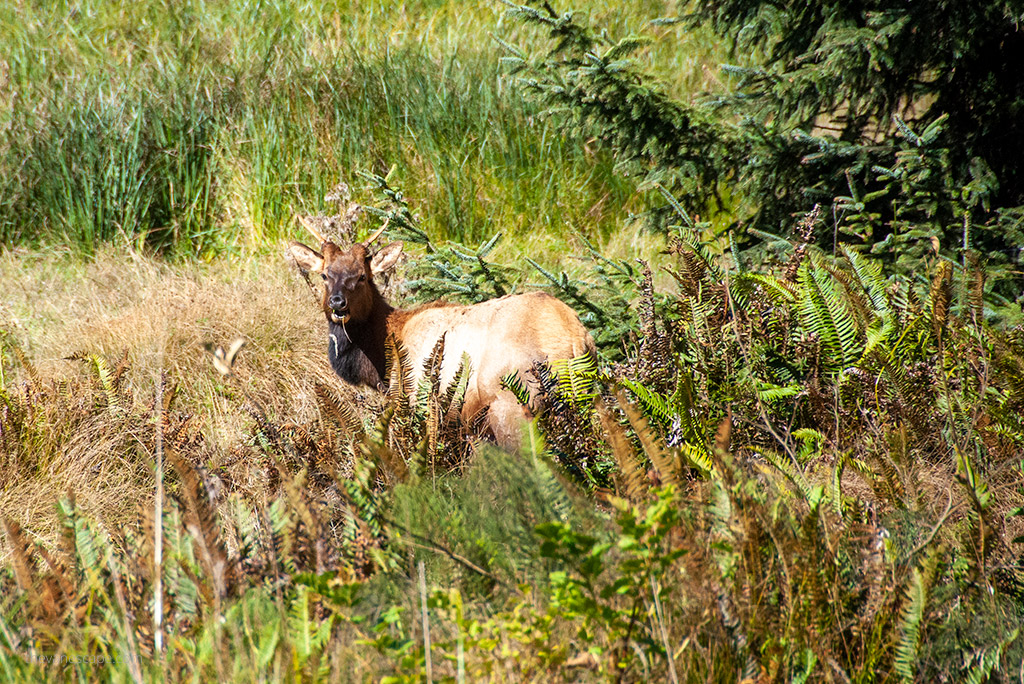
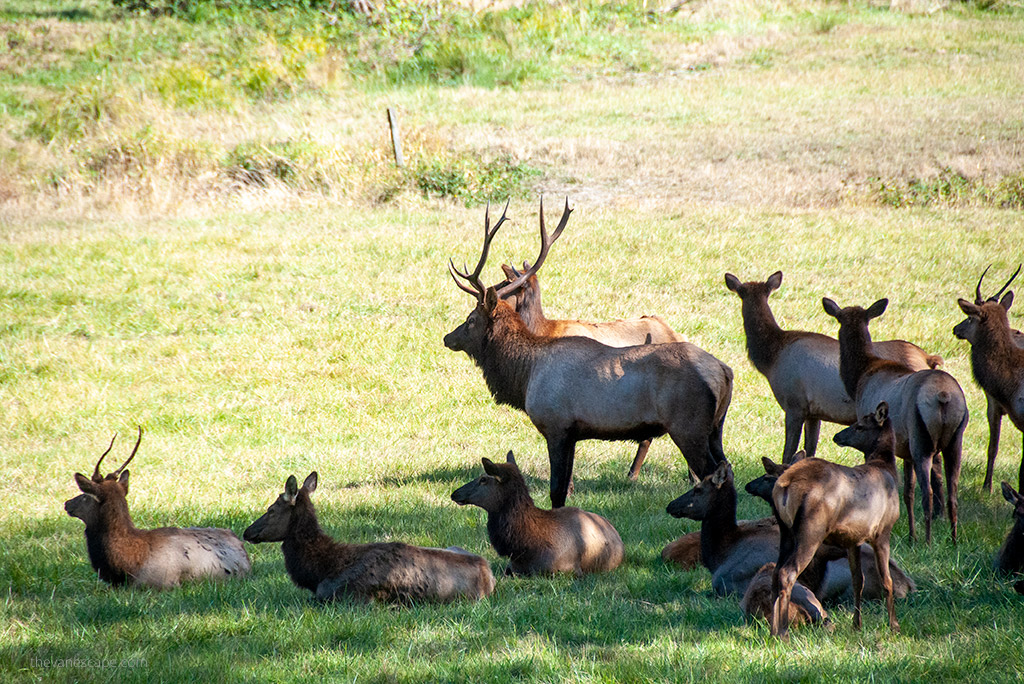
One of the most unique experiences in Point Reyes National Seashore is spotting the tule elk — a species found only in California. These majestic animals once roamed the state in large numbers but nearly disappeared in the 1800s. Thanks to conservation efforts, they were reintroduced to Point Reyes in 1978, and today several hundred elk live here.
The best place to see them is at the Tomales Point Tule Elk Reserve, located at the northern end of the peninsula. A scenic 10-mile round-trip trail (moderate difficulty) follows the ridge through rolling coastal grasslands with spectacular ocean views. You can often see elk grazing or resting near the trail, especially in the morning and evening.
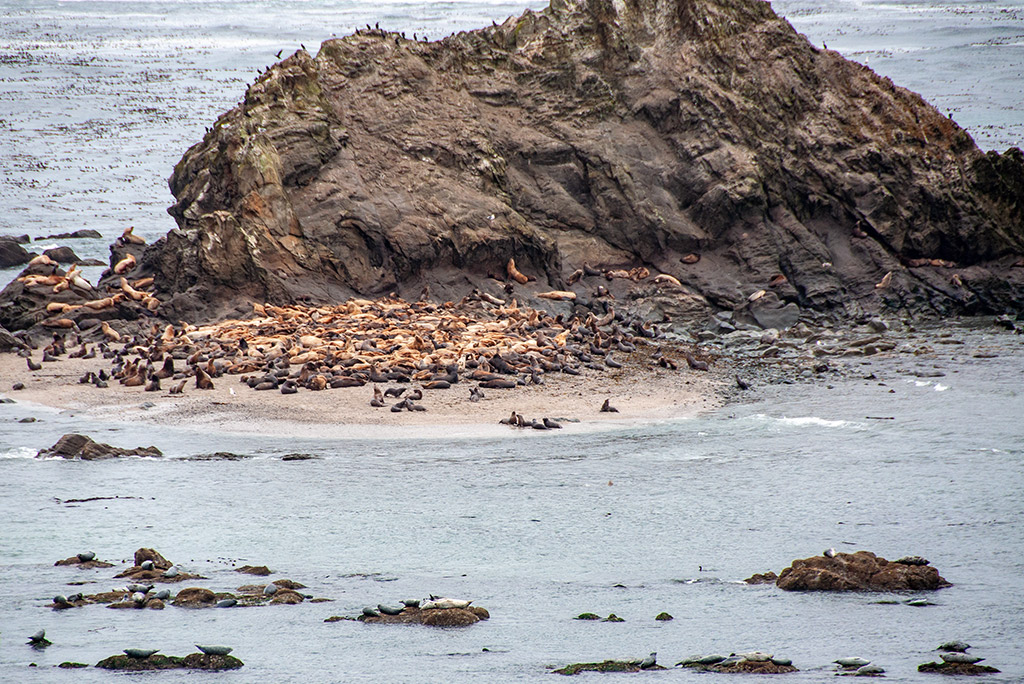
Besides elk, Point Reyes is home to an incredible variety of wildlife — deer, coyotes, gray whales, elephant seals, and harbor seals. Between December and March, head to the Elephant Seal Overlook near Chimney Rock to watch these massive animals during the breeding season.
Agnes’ Tips:
– Bring binoculars or a zoom lens for wildlife viewing.
– Keep a safe distance — elk and seals can be unpredictable.
– Dress warmly; strong winds are common on the coastal trails.
– Visit in late summer for the elk rutting season, when males bugle and compete for attention.
Seeing tule elk against a backdrop of ocean cliffs is one of the best things to do in Point Reyes National Seashore and a moment you won’t forget.
7. Go for a Hike in Point Reyes
Hiking is one of the top activities in Point Reyes National Seashore, offering nearly 150 miles of trails through forests, coastal bluffs, meadows, and beaches. The variety is incredible — from short, easy walks to long, challenging routes that lead to hidden waterfalls or remote headlands.
If you only have time for a few hikes, start with these local favorites:
- Chimney Rock Trail (1.6 miles round trip): A short, scenic walk with ocean views, rocky cliffs, and spring wildflowers. In winter, look for elephant seals on the beaches below.
- Elephant Seal Overlook Trail (0.5 mile round trip): Easy and perfect in December–March, when seals gather here to give birth.
- Tomales Point Trail (9.4 miles round trip): One of the best hikes for wildlife — tule elk, birds, and sweeping views of both the Pacific and Tomales Bay.
- Alamere Falls Trail (13 miles round trip): A strenuous but unforgettable hike to a rare waterfall that flows directly into the ocean. Start early and carry plenty of water.
- Bear Valley Trail (8.2 miles round trip): A park classic through lush forest leading to the coast. Shady and peaceful, great on warmer days.
Agnes’ Tips:
– Check trail conditions at the Bear Valley Visitor Center before hiking.
– Dress in layers and wear sturdy hiking shoes.
– Fog, wind, and sudden weather changes are common — always be prepared.
– Follow Leave No Trace principles to keep trails clean and wildlife safe.
Whether you want a short stroll or an all-day challenge, hiking is a perfect way to see its wild, untouched beauty up close.
8. Take a Food and Farm Tour in Point Reyes Station
Point Reyes isn’t just about rugged landscapes — it’s also a paradise for food lovers. The fertile coastal farmland and cool ocean air create ideal conditions for cheese-making, oyster farming, and organic produce. Joining a local Food and Farm Tour is one of the most delicious and unique experiences in the area.
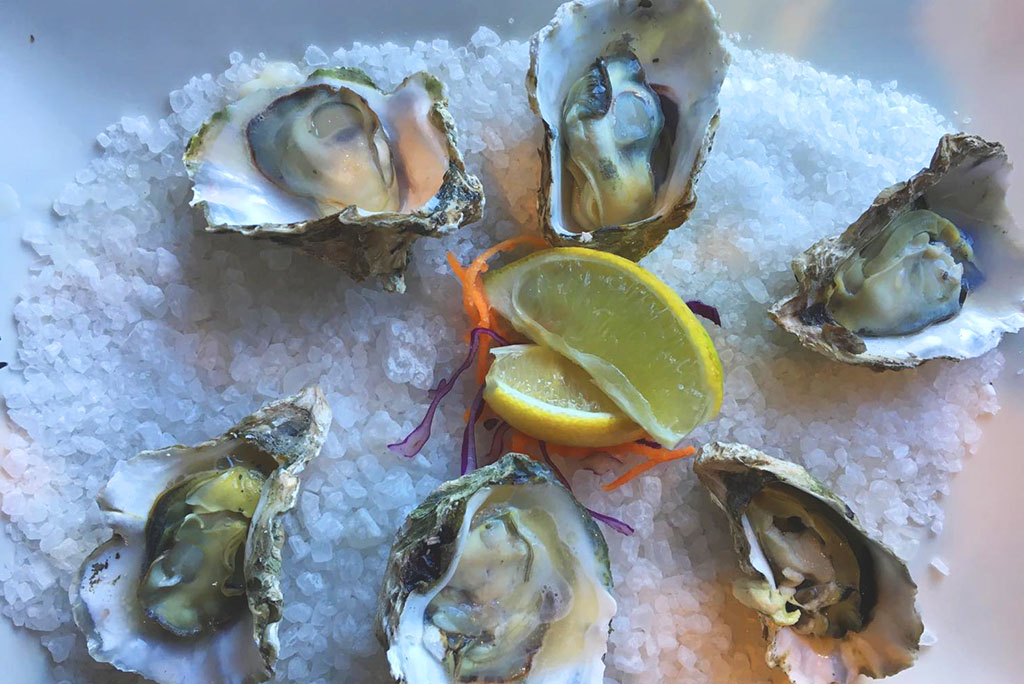
These small-group tours take you behind the scenes of family-owned creameries, oyster farms, and ranches. You’ll meet local producers, learn how artisanal cheese is made, and taste fresh oysters harvested straight from Tomales Bay. The tours usually include several stops and often end with a picnic lunch featuring local specialties.
When Chris and I joined a tour, we tasted creamy cheeses, fresh-baked bread, and oysters that were among the best we’ve ever had. Every stop felt personal and welcoming — it’s a true taste of the region’s culture and community.
Agnes’ Tips:
– Book tours in advance, especially on weekends and holidays.
– Bring layers — most tastings happen outdoors or near the coast.
– Ask about food allergies when reserving.
– If you’re short on time, you can also stop independently at Cowgirl Creamery, Hog Island Oyster Co., or Tomales Bay Foods for local treats.
Tasting your way through the region is one of the top attractions in Point Reyes National Seashore and a delicious reminder that nature and good food go hand in hand here.

9. Go Kayaking or Paddleboarding on Tomales Bay
For a completely different view of Point Reyes, head out onto Tomales Bay by kayak or paddleboard. This long, narrow inlet separates the Point Reyes Peninsula from the mainland and offers calm waters, sheltered coves, and incredible wildlife.
Paddling here is peaceful and scenic. You might spot harbor seals, bat rays, pelicans, or even leopard sharks gliding beneath your board in the clear shallows. During the summer, the water is often calm in the morning, while afternoons can bring stronger winds — so plan your trip early in the day.
Several outfitters in Point Reyes Station and Marshall rent kayaks and paddleboards or organize guided tours. Night tours are especially memorable in late summer and fall, when bioluminescent plankton lights up the water with each stroke of your paddle.
Agnes’ Tips:
– Check the tide schedule and wind forecast before going out.
– Always wear a life jacket and bring a waterproof bag for your essentials.
– Beginners should start near Hearts Desire Beach or Miller Park Boat Launch, where the water is calm.
– Guided tours are the safest choice if you’re not familiar with tides or coastal paddling.
Kayaking or paddleboarding on Tomales Bay is one of the choice if you love nature, quiet, and a bit of adventure.
10. Drive the Scenic Coastal Roads and Overlooks
Driving through Point Reyes is an adventure on its own. The narrow, winding roads offer breathtaking ocean views, rolling hills, and open pastures. Every turn reveals something new — a patch of fog, grazing deer, or cliffs rising from the Pacific.
The main route, Sir Francis Drake Boulevard, runs from Point Reyes Station all the way to the lighthouse. It passes several scenic stops, including Drakes Beach, Chimney Rock, and the Cypress Tree Tunnel. The drive is full of curves, but it’s worth every mile.
Another scenic option is Limantour Road, which leads to Limantour Beach. It’s quieter and offers sweeping views of Drakes Estero and the surrounding wetlands. For a shorter ride, follow Pierce Point Road toward the Tule Elk Reserve. You’ll see open grasslands, cattle ranches, and distant ocean views.
Agnes’ Tips:
– Drive slowly. Roads are narrow, with wildlife often crossing.
– Stop at overlooks for photos — many have small pullouts with room for one or two cars.
– Fill up your tank before entering the park; there are no gas stations inside.
– Morning and late afternoon are best for clear skies and golden light.
Exploring the park by car is one of the top activities in Point Reyes National Seashore. It’s the easiest way to see how wild and beautiful this coastline truly is.

11. Bird-Watching and Nature Walks
Point Reyes is one of the best bird-watching destinations in North America. More than 490 species of birds have been spotted here — more than any other national park unit on the West Coast. The mix of wetlands, forests, grasslands, and coastline creates perfect habitats year-round.
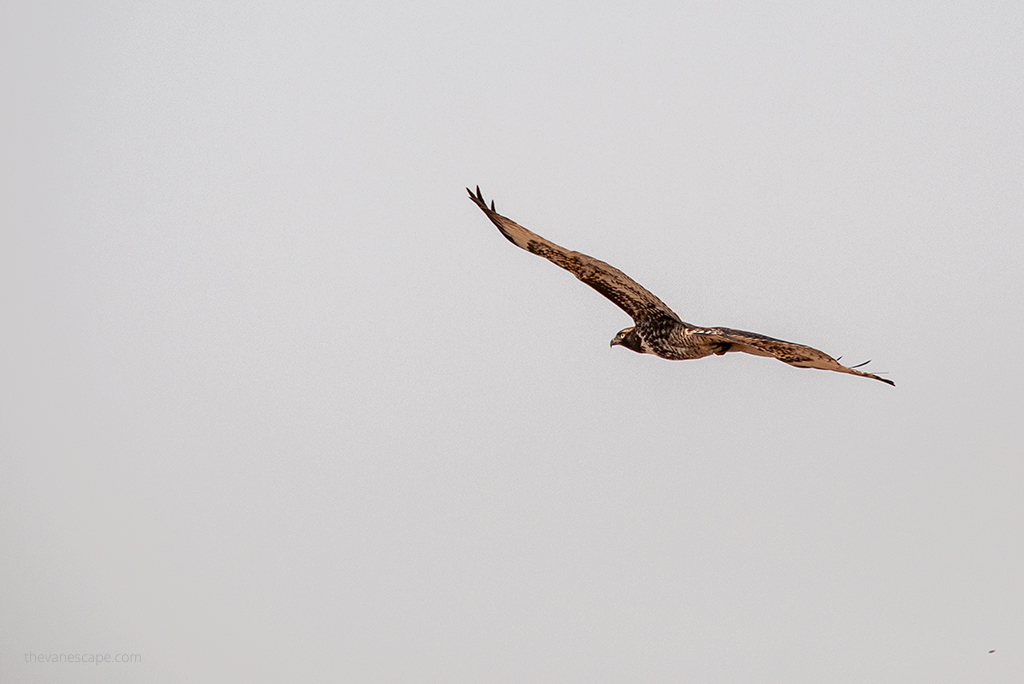
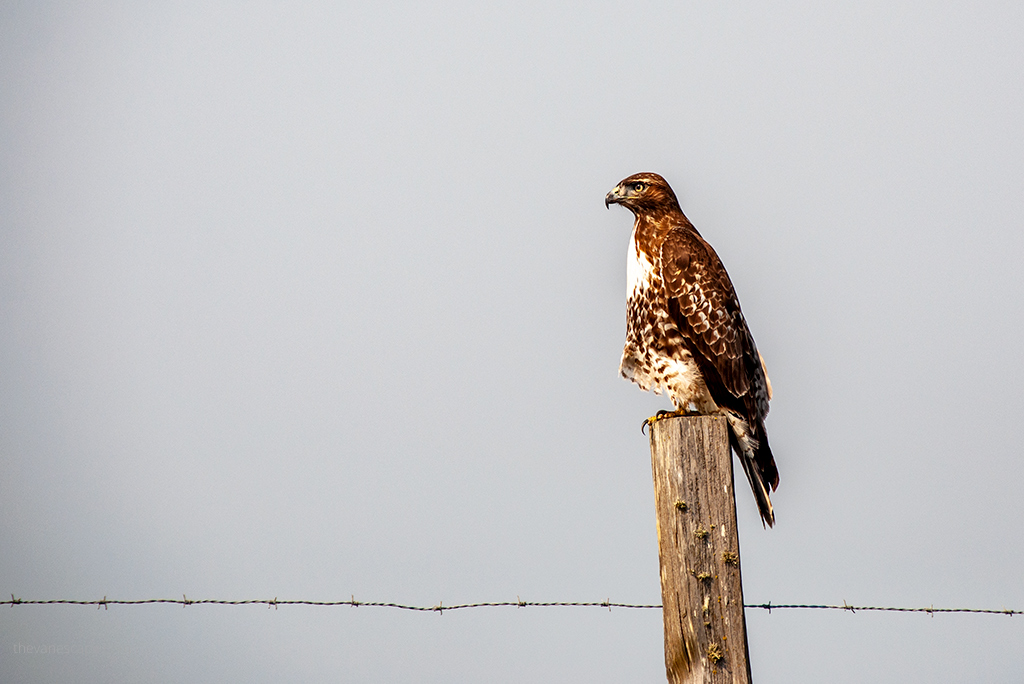
You can see raptors soaring above the cliffs, pelicans gliding over the waves, and shorebirds feeding in the estuaries. In spring and fall, migrating birds stop here to rest along the Pacific Flyway. Even a short walk with binoculars can reveal something new.
Favorite bird-watching spots include Abbotts Lagoon, Limantour Beach, Drakes Estero, and the Estero Trail. Early mornings are usually the quietest and most rewarding.
If you prefer slower exploration, take one of the park’s easy nature walks. Boardwalk trails and flat paths near Bear Valley and Limantour are great for families and beginners.
Agnes’ Tips:
– Bring binoculars or a zoom lens for better views.
– Check with rangers for recent sightings or nesting closures.
– Stay on trails and avoid disturbing birds during breeding season.
– Dress in layers — mornings can be foggy and cool.
Whether you’re an experienced birder or just curious, watching wildlife in its natural habitat is one of the best things to do in Point Reyes.

12. Visit Quiet Spots Like Abbotts Lagoon or Secret Beach
If you want to escape the crowds, Point Reyes has plenty of peaceful corners to explore. Two of the most beautiful are Abbotts Lagoon and Secret Beach.
Abbotts Lagoon is a calm, scenic area with dunes, wetlands, and wildflowers in spring. It’s also one of the best places for bird-watching and photography. The 2.3-mile round-trip trail is mostly flat and easy, perfect for a relaxing walk. The lagoon’s still waters reflect the surrounding hills, and you’ll often spot ducks, herons, or white pelicans floating quietly.
Secret Beach, near Sculptured Beach, takes a little more effort to reach — a short, steep path leads down to a hidden cove. It’s a great place to listen to waves and enjoy solitude. Bring water and sturdy shoes; the descent can be slippery.
Agnes’ Tips:
– Visit early or late in the day for a peaceful experience.
– Stay on marked trails to protect dunes and nesting areas.
– Bring water and snacks — there are no facilities nearby.
– Always check tides before visiting remote beaches.
Exploring these quiet corners is one of the top attractions in Point Reyes National Seashore. They show a softer, quieter side of the park — where nature speaks in whispers, not waves.
Practical Tips & Visitor Information
Before you start exploring Point Reyes, it’s worth knowing a few essentials. This coastal park is beautiful but can surprise visitors with fog, wind, and changing weather. A little preparation will make your trip smoother and safer.
When to Visit
The best time to visit Point Reyes is from spring through early fall. Spring brings wildflowers and active wildlife. Summer offers clear mornings but often foggy afternoons. Fall is drier and great for hiking. Winter is cooler but perfect for watching elephant seals and gray whales.
Getting Around
You’ll need a car to explore the park. Distances between attractions are longer than they look. Roads are narrow, winding, and sometimes closed due to weather or erosion. Check conditions at the Bear Valley Visitor Center before driving to remote spots.
Weather and Clothing
Point Reyes can be sunny, windy, and foggy — all in the same hour. Dress in layers, bring a windproof jacket, and wear comfortable walking shoes. The coastal air can be chilly even in summer.
Safety and Preparation
Carry water, snacks, and a map. Cell service is limited, especially near the lighthouse and northern trails. Never turn your back on the ocean; waves can be unpredictable.
Respect the Wildlife
Keep a safe distance from all animals, especially elk and seals. Follow Leave No Trace principles and pack out all trash.
Agnes’ Tips:
– Check the NPS website for trail closures and wildlife alerts.
– Start early — parking fills quickly at popular beaches and trailheads.
– Bring cash or cards for small local shops and food stops in Point Reyes Station.
– Always confirm your rental car policy if you plan to drive unpaved roads.
A bit of planning ensures you’ll enjoy the best things to do in Point Reyes National Seashore safely and comfortably, no matter the season.

Final Thoughts
Point Reyes National Seashore is one of our favorite coastal escapes in California — wild, peaceful, and full of variety. Every visit brings something new, from fog rolling over the hills to the sound of waves echoing below the cliffs.
After several visits, Chris and I have a few clear favorites we always recommend. The Point Reyes Lighthouse tops our list — its dramatic views and fierce winds make you feel the power of the Pacific. We also love walking through the Cypress Tree Tunnel early in the morning when the light filters through the branches and the park is still quiet. And finally, watching tule elk at Tomales Point is unforgettable — a true reminder that this place still belongs to nature.
Whether you spend a few hours or a few days here, Point Reyes rewards those who explore it slowly. Take your time, enjoy the ocean breeze, and let the rhythm of the coast remind you what California once was — raw, wild, and endlessly beautiful.
Do You Like It? Pin It For Later!