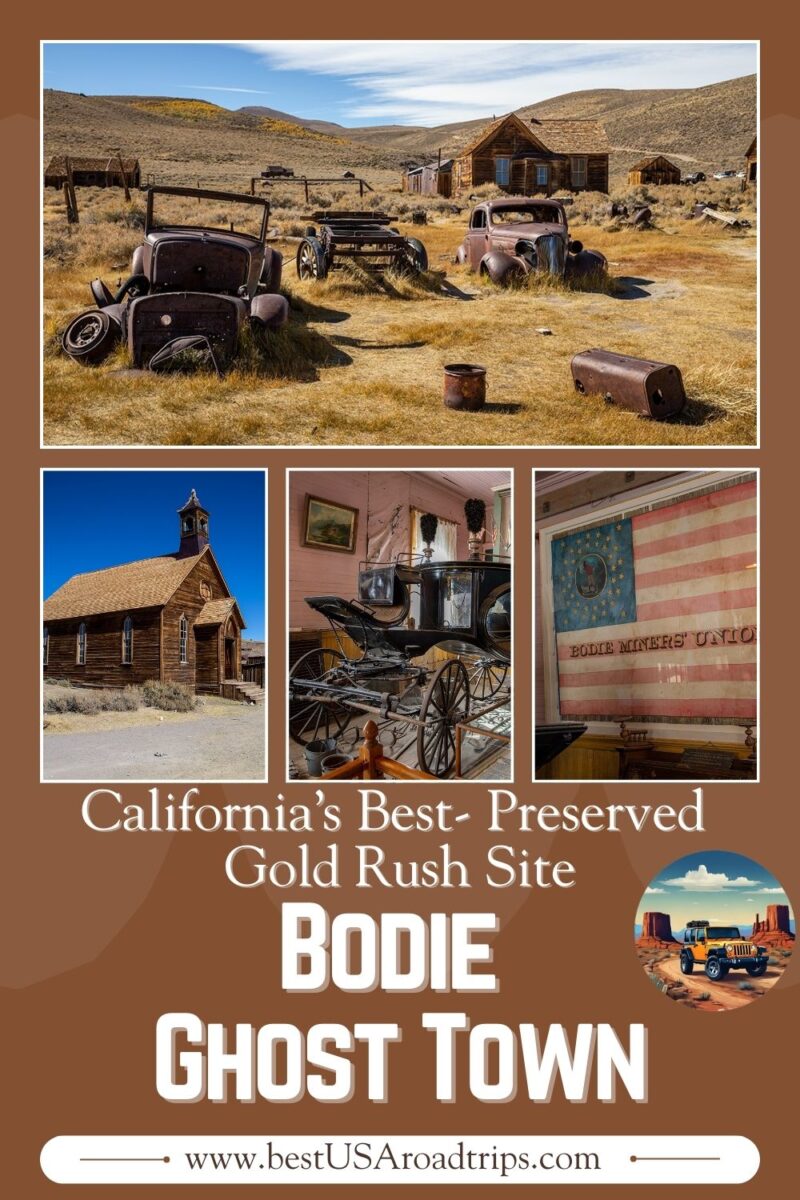
Bodie Ghost Town, California – Tips, History & Photos for Your Visit
Bodie Ghost Town is one of the most fascinating and best-preserved reminders of the California Gold Rush. Tucked away in the Bodie Hills east of the Sierra Nevada, this former boomtown is now a California State Historic Park where time has stood still. Weathered wooden buildings, rusting mining equipment, and dusty streets tell the story of a once-thriving mining community. Whether you’re exploring from Lake Tahoe, Yosemite National Park, or the Eastern Sierra, Bodie makes for an unforgettable day trip. In this guide, we share essential tips, must-see spots, and our own photos so you can make the most of your visit to Bodie Ghost Town.
This article may contain affiliate / compensated links. For full information, please see our disclaimer here.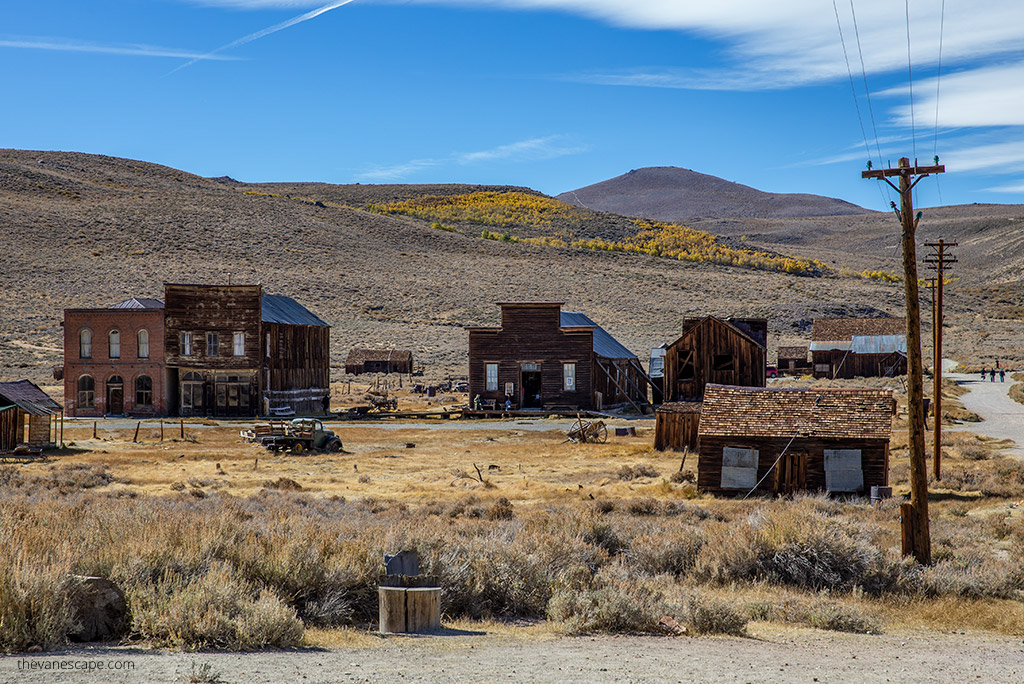
What is Bodie Ghost Town?
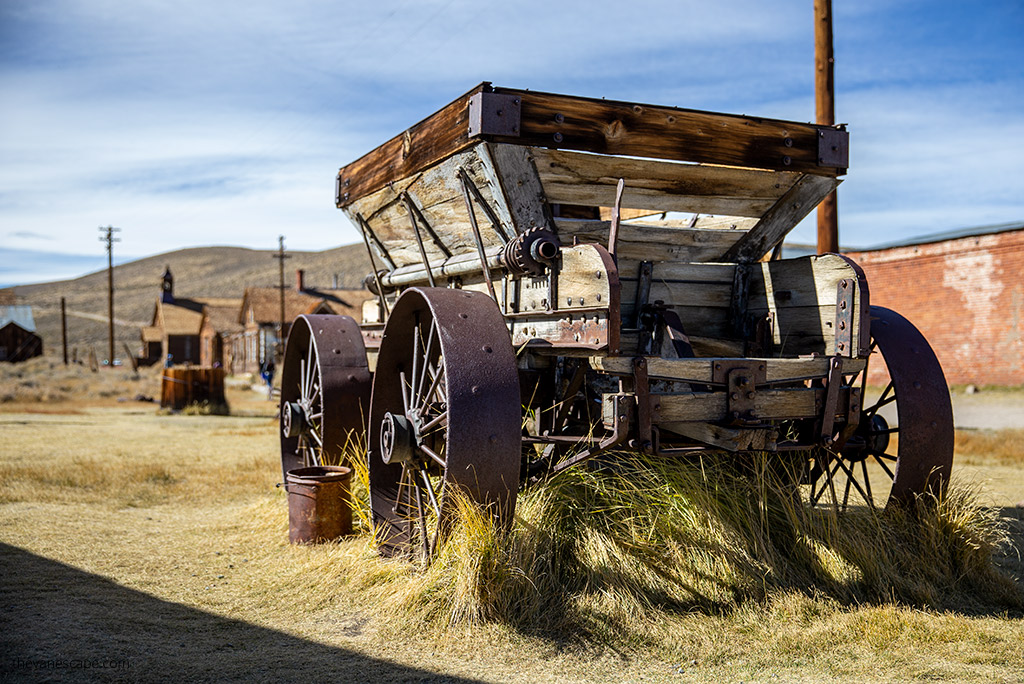
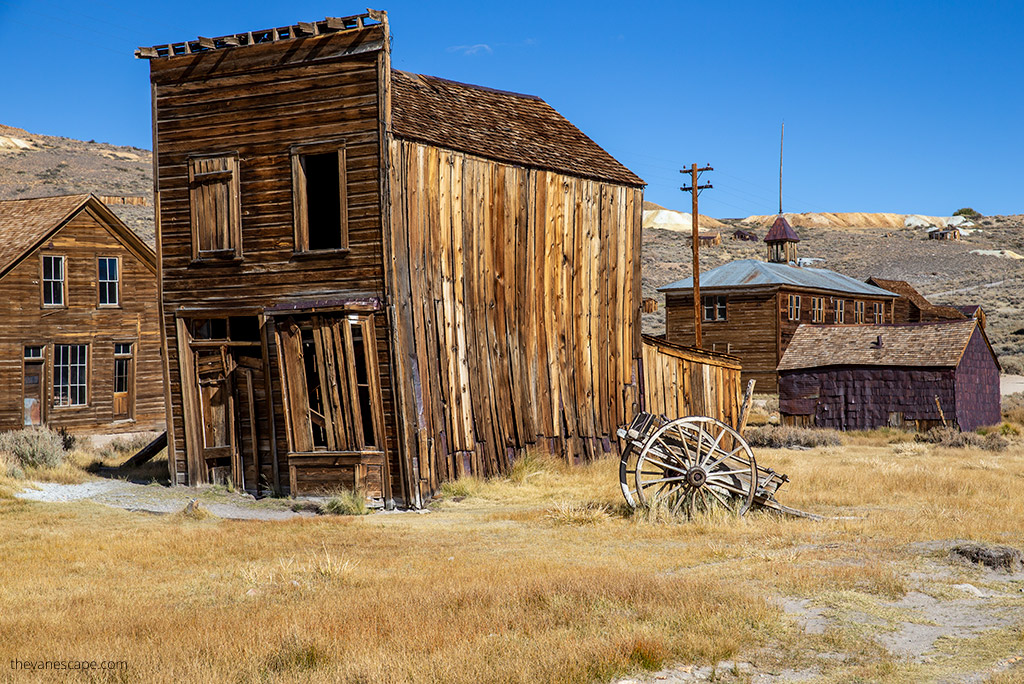
Bodie Ghost Town is one of the most authentic and best-preserved examples of a Wild West mining town from the California Gold Rush era. Today, it’s protected as Bodie State Historic Park, an open-air museum where more than 170 original buildings still stand in a state of “arrested decay.”
Visiting Bodie is like stepping back to the late 1800s, with weathered storefronts, old saloons, and abandoned homes frozen in time.
If you’re planning a California road trip, this is a stop you should add to your bucket list. Chris and I have explored many ghost towns, but Bodie is by far one of the most impressive we’ve seen.

Where is Bodie Ghost Town?
Bodie is located in the Bodie Hills east of the Sierra Nevada in Mono County, California. It sits:
- 75 miles (121 km) southeast of Lake Tahoe
- 45 miles (72 km) from Yosemite National Park’s eastern entrance at Tioga Pass
- 12 miles (19 km) east-southeast of Bridgeport
At 8,379 feet (2,554 m) above sea level, Bodie sees heavy snowfall in winter, so access can be limited between November and May. To see how this stop fits into a bigger plan, check our full California itinerary and travel guide.
A Brief History of Bodie Ghost Town
Bodie was named after Waterman S. Body (William Bodey), who discovered small amounts of gold north of Mono Lake. The real boom began in 1876, when a rich vein of gold was found nearby. In just four years, the population exploded from 20 residents to around 10,000.
Between 1877 and 1882, Bodie’s mines produced over $38 million in gold and silver. The town thrived with hotels, churches, a railroad, a jail, casinos, and 60 saloons lining Main Street.

But Bodie was also known for its rough reputation—harsh weather, frequent brawls, and what locals claimed was the “worst whiskey in the world.” The Chinese community had their own district with a Taoist temple and even an opium den.
By the 1880s, gold production declined, and the population began to shrink. The last census in 1940 recorded just 90 residents. By 1950, Bodie was completely abandoned, officially becoming a ghost town.
Fun Fact: During its wildest years, Bodie was so infamous for lawlessness that children in nearby towns prayed each night, “Goodbye, God. We are going to Bodie.” This chilling phrase was said to have originated when a local girl learned her family was moving to the mining town.
Bodie Ghost Town Today
In 1961, Bodie was designated a National Historic Landmark. The following year, it became Bodie State Historic Park, preserving over 170 structures from the Gold Rush era in their current weathered condition.
Visitors can wander through the streets, peek inside old buildings, and imagine life in one of California’s most notorious mining towns. While the gold may be gone, the spirit of the Wild West is still alive in Bodie.
Is Bodie Worth Visiting?
Absolutely. Bodie State Historic Park is one of the best-preserved and most authentic ghost towns in California. If you’re exploring the Eastern Sierra, Yosemite’s Tioga Pass area, or Lake Tahoe, it’s worth making the detour.
Unlike Calico Ghost Town—located on the busy route between Las Vegas and Los Angeles—Bodie feels quieter and less commercialized. Here, you can truly step back in time without big crowds or touristy attractions. It’s a place for history lovers, photographers, and anyone fascinated by abandoned places.
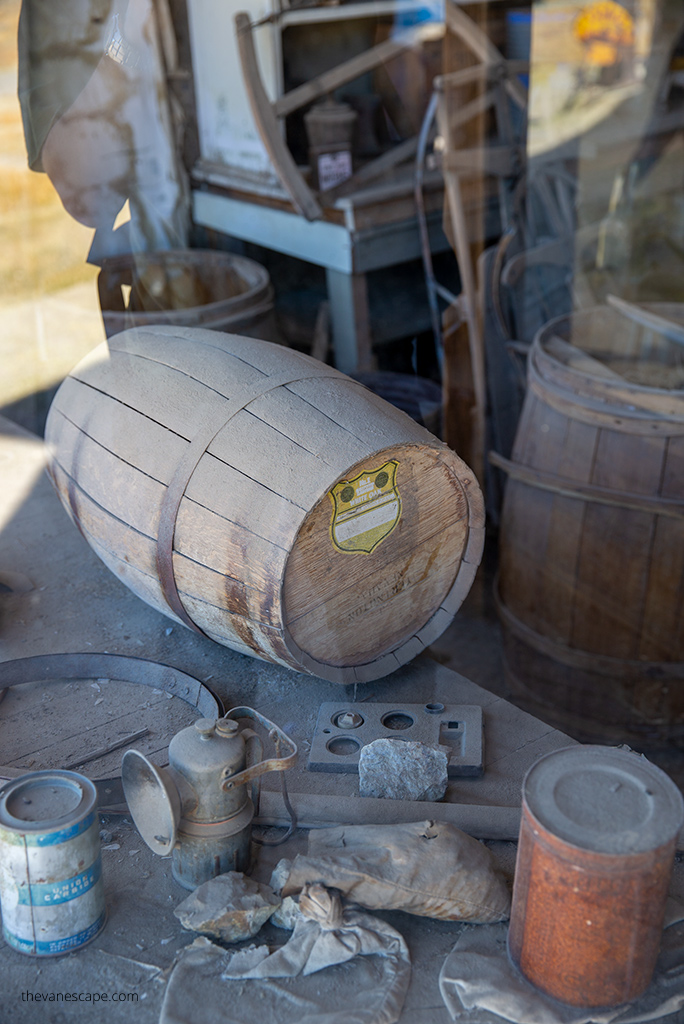
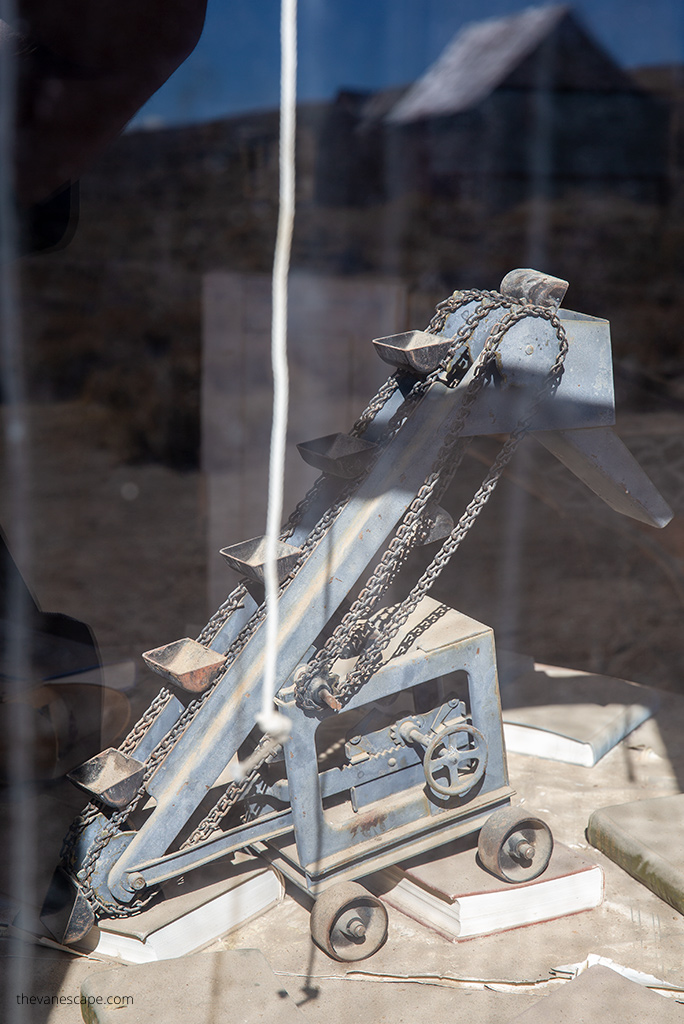
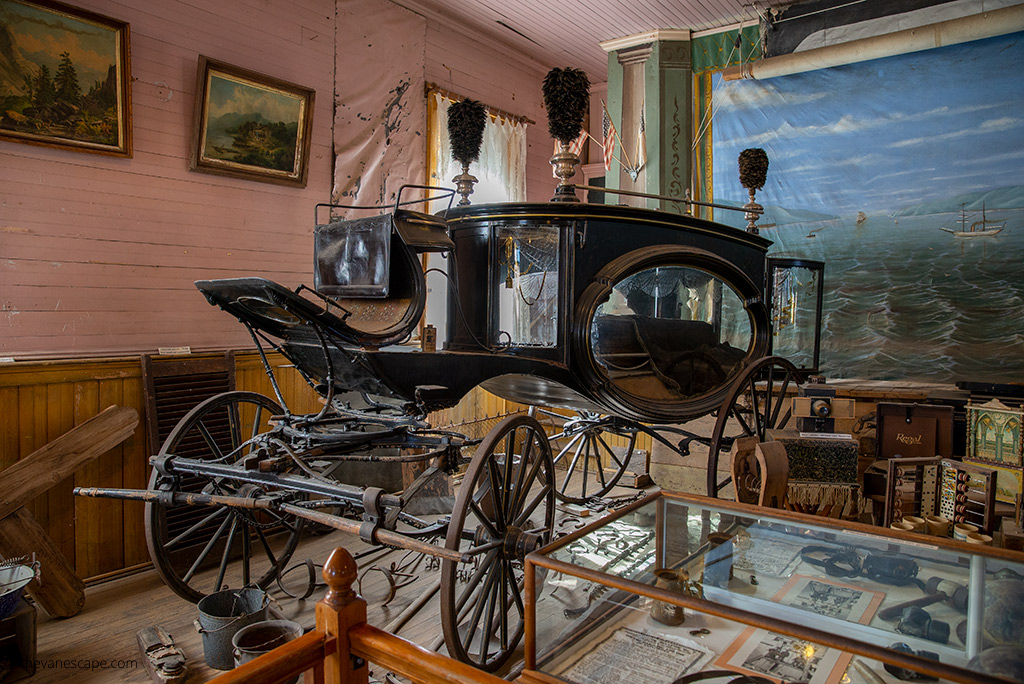
That said, Bodie is not an amusement-style ghost town. You won’t find rides, themed shops, or staged gunfights like in Calico. Instead, you’ll walk among original Gold Rush–era buildings, peek inside through dusty windows, and imagine life here in the late 1800s.
If you enjoy exploring places where history speaks for itself, Bodie will be a highlight of your California road trip. And if you’re into ghost towns, Shaniko in Oregon offers a similar, less-touristy vibe.

Tips for Visiting Bodie State Historic Park
Getting to Bodie
Bodie State Historic Park is northeast of Yosemite, about 13 miles east of Highway 395 and seven miles south of Bridgeport.
From U.S. 395, take State Route 270 east for 10 miles. The pavement ends there—continue for another 3 miles on a rough, unpaved road to reach Bodie. The last stretch can be bumpy, so drive carefully.
Entrance Fees
There is a fee for entering and visiting the historic town of Bodie:
- Adults: $8.00 per person
- Children: $5.00 per child (ages 4 to 17)
- Infant: Free (ages 0-3)
- You can also purchase for $3.00 Self Guided Tour Book
Hours of Operation
- Summer (mid-May – late October): 9:00 a.m. – 6:00 p.m.
- Winter (Nov 1 – May 14): 9:00 a.m. – 3:00 p.m.
Visiting in Winter
Yes, Bodie is open in winter—but be prepared. At an elevation of 8,375 feet (2,554 m), the area gets heavy snow, and roads are often impassable. In winter, the ghost town is accessible only by skis, snowshoes, or snowmobiles. Snowmobiles must stay on designated roads in the Bodie Hills. Expect below-freezing temperatures and strong winds.
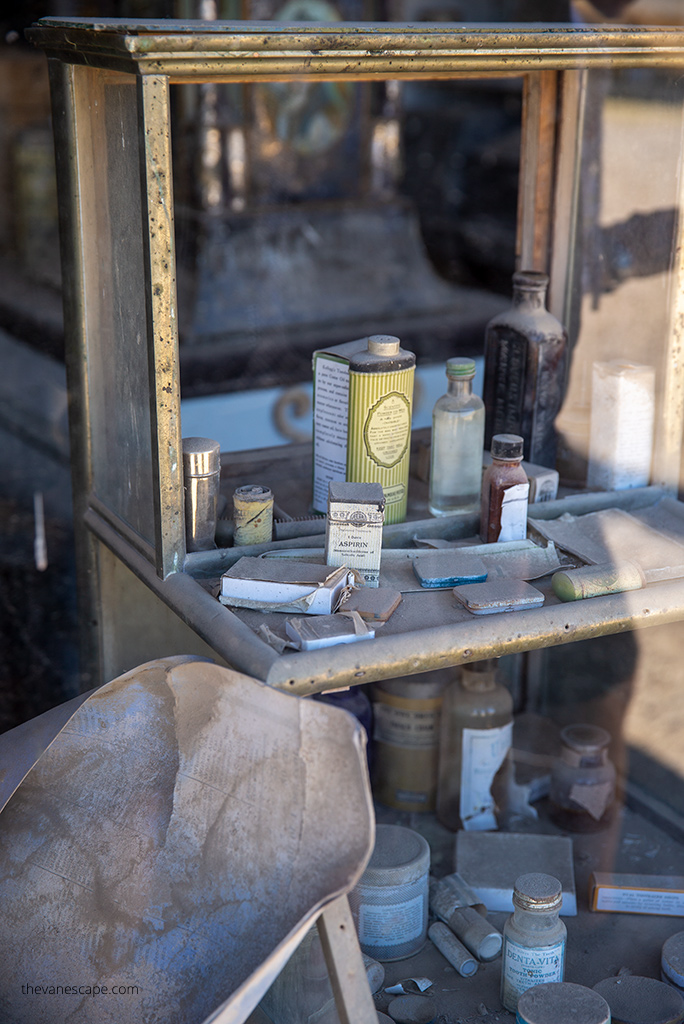
Best Time to Visit
The most comfortable times to visit are late spring through fall.
- Spring (March–April): Roads may still be snowy or muddy after thaw.
- Summer: Warm days, but strong winds are common—pack layers and sun protection.
- Fall: Crisp weather and fewer crowds.
Agnes’ Advice: Always check the official park website for updates before your trip. For road conditions on SR 270, visit the Caltrans Road Information page or call 800-845-7922.
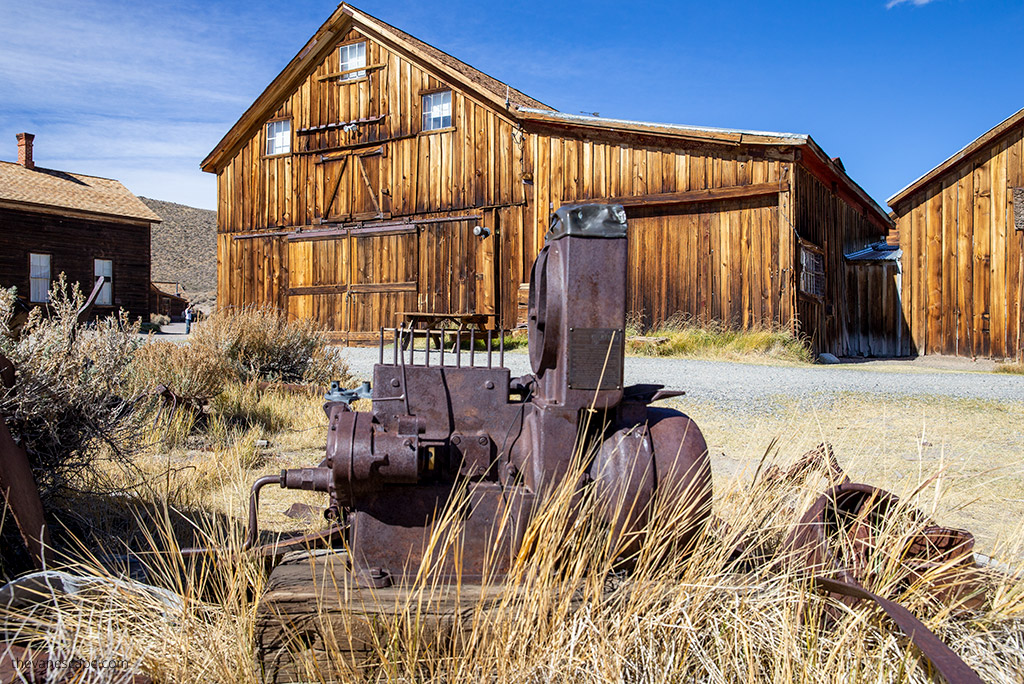
Safety Rules
- Stay on marked paths and do not enter closed buildings—many are unstable.
- Dogs are allowed on leashes but cannot enter historic buildings. Clean up after your pet.
- Do not remove, move, or touch artifacts. Everything must remain in place.
- Drones and metal detectors are prohibited.
Facilities
Bodie has no stores, gas stations, or food services—bring snacks, water, and take your trash with you.
- Restrooms: Flush toilets are available in the parking lot and picnic area.
- Museum: Offers a bookstore and information about daily tours.
- Cell Service: Limited.
Agnes’ Advice: If you enjoy Gold Rush history, also visit Goldfield, Nevada, one of the region’s most important mining towns.
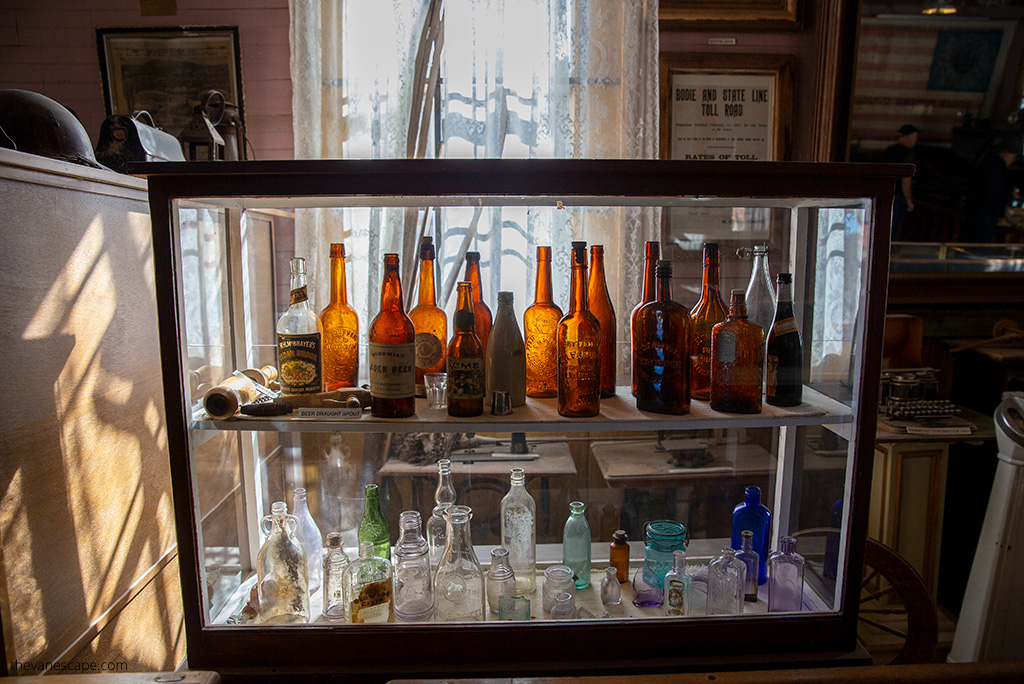
What to see in Bodie State Historic Park?
While many buildings in Bodie are weathered and fragile, plenty still stand as striking reminders of the town’s wild past. Always respect safety signs—many structures are unstable, so do not enter closed areas.
One place you shouldn’t miss is the Bodie Cemetery, located just southeast of the main site. Its weathered headstones tell poignant stories of miners, families, and pioneers who once called Bodie home.
Here are some of the most notable stops in Bodie:
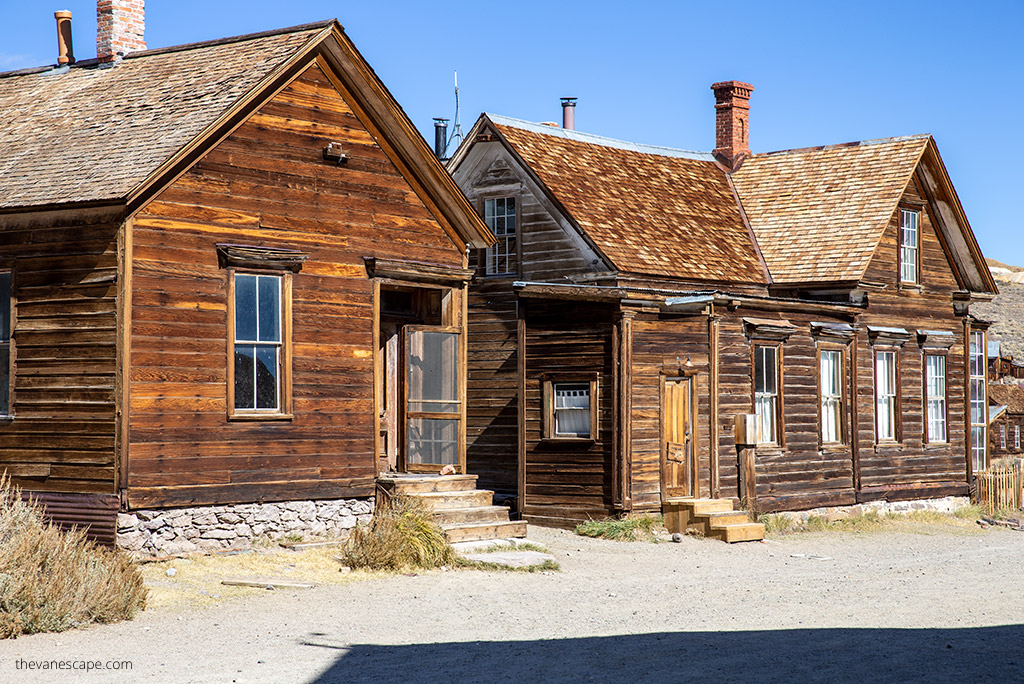
J.S. Caine Residence
The most elegant home in Bodie belonged to James Stuart Cain, who arrived at age 25 and started out running a sawmill. Cain later leased land from the mine, and within 90 days, he and his partner pulled out $90,000 worth of gold—a fortune in those days.
Although the mine didn’t renew his lease, Cain went on to become one of the largest landowners in the area. His house, complete with a glass-enclosed porch, is said to be haunted by “The Woman in the Window,” a translucent figure who peers down at visitors from the second floor.
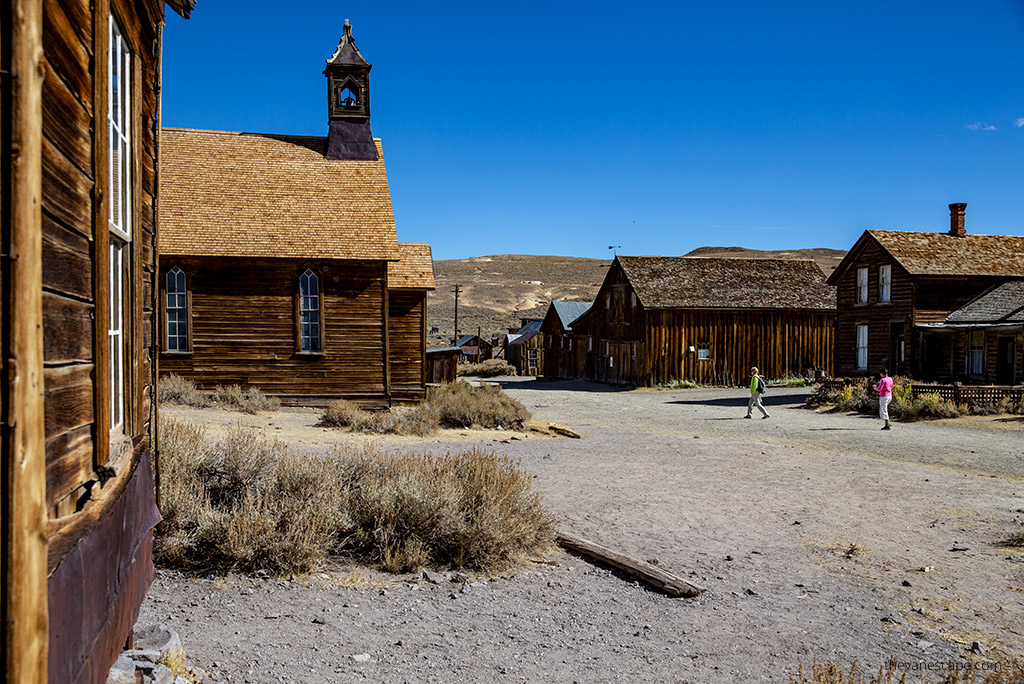
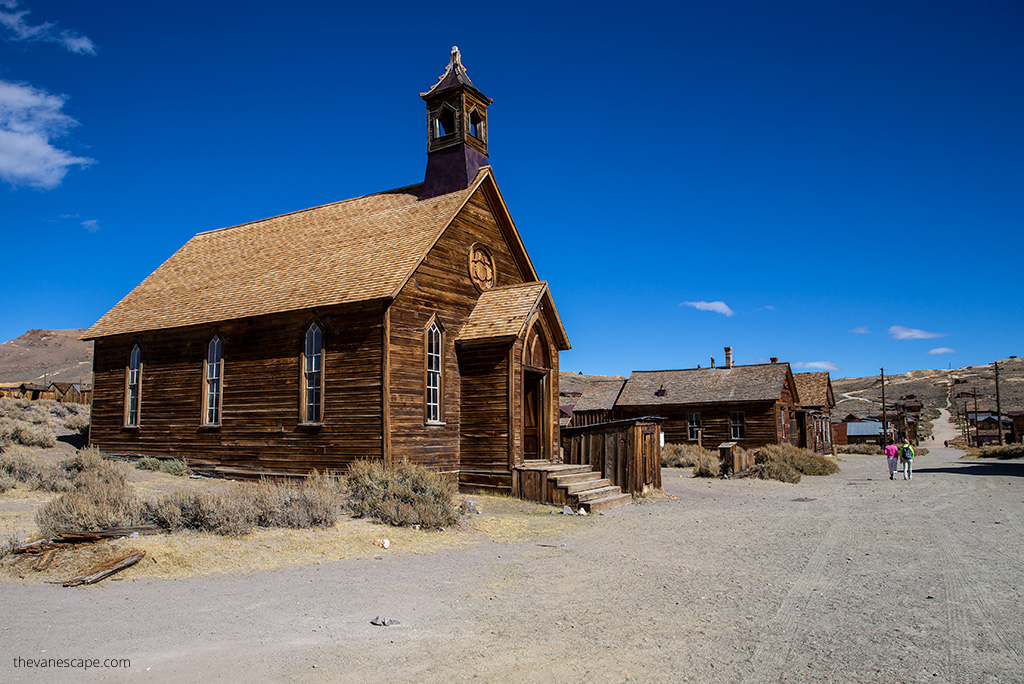
Methodist Church
Built in 1882, the Methodist Church is one of the most photographed buildings in Bodie—and one of the few you can step inside. It once had a Roman Catholic counterpart, but that church burned down around 1930.
Boone Store & Warehouse
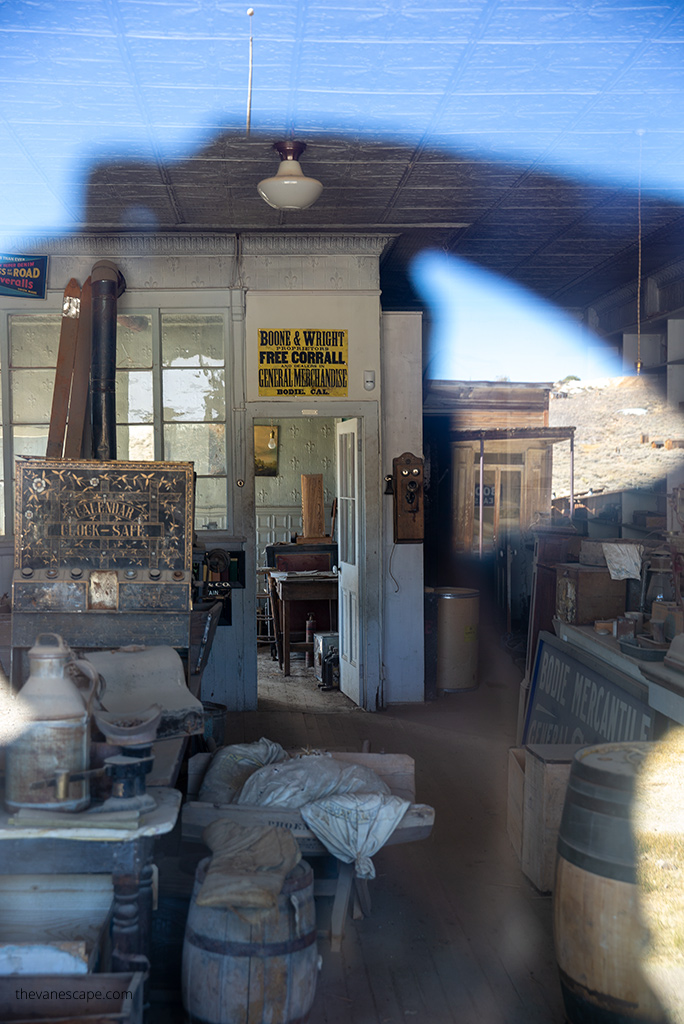
Once the largest general store in Bodie, the Boone Store was owned by Harvie Boone. Its weathered façade and the vintage gas pump out front make it a favorite photo stop.
Stamp Mill
The beating heart of Bodie’s mining operations, the Stamp Mill processed gold and silver ore from the surrounding mines. Guided tours here run from late May to early September, offering a fascinating glimpse into the town’s industrial past.
Bodie Bank
Bodie once had more than a dozen bank buildings, but today only the brick vault of Bodie Bank remains. The wooden structure didn’t survive—but the bank holds the unique distinction of being the only one in town never robbed.

Things to Do in Bodie Ghost Town
In 2008, a small group of dedicated history lovers created The Bodie Foundation, a nonprofit organization committed to preserving and sharing the stories of Bodie State Historic Park, Mono Lake Tufa State Natural Reserve, and Grover Hot Springs State Park.
Today, the Foundation not only helps maintain Bodie’s remarkable history but also offers unique experiences that make your visit even more memorable. They also run the Bodie Mercantile in nearby Bridgeport, where you can pick up park information, browse books and souvenirs, and shop for unique Wild West–themed gifts.
Here are some of the best activities to consider when visiting Bodie:
Bodie Photography Workshops
If you love photography, Bodie is a dream location. The Foundation offers photography workshops where you can capture the town’s weathered wooden buildings, rusty mining equipment, and hauntingly beautiful streets with expert guidance.
These workshops are ideal for anyone wanting to make the most of Bodie’s unique light and atmosphere.

Bodie and Mono Lake Public & Private Tours
From mid-May to mid-October, you can join public or private guided tours that bring Bodie’s history to life. Tours often include stories about gold rush life, mining operations, and local legends.
Bodie Private Tours
- Two-Hour Private Town Tour – Perfect for a deep dive into Bodie’s history.
- Twilight Tours – Explore Bodie after hours when the light is golden and the streets are quiet. Popular stops include the cemetery and the Stamp Mill.
- Living at the Lake Tour – Combines Bodie with a visit to Mono Lake Tufa State Natural Reserve.

Bodie Public Tours
- Daily Public Tours – Offered most days, these walks highlight key historic sites.
- Free History Talks – Usually at 10 a.m. and 4 p.m. (check with the Entrance Station or Museum).
- Stamp Mill Tour – Held most days at 11 a.m., 1 p.m., and 3 p.m. Tickets are $6 per person and available at the Museum.
Where to Stay When Visiting Bodie?
Camping near Bodie
There is no campground in the Bodie State Historic Park, nor is it possible to stay overnight. However, if you travel in a van or RV, you can stay in public lands as part of BLM.
Check BLM maps of the area. Private RV campgrounds exist in both Lee Vining and Bridgeport and surrounding areas. There are also US Forest Campgrounds along the west side of 395, such as Lundy Canyon, Virginia Creek, and Lower Twin Lakes.
Hotels near Bodie
The closest town where you can stay for a night is Bridgeport. Below you will find the best deals. The best way to explore Bodie Ghost Town is to combine it with a visit to Mono Lake, Yosemite National Park, or Lake Tahoe.
Final Thoughts on Visiting Bodie Ghost Town
Bodie Ghost Town is more than just an abandoned settlement—it’s a time capsule from the California Gold Rush, preserved in a state of “arrested decay.” Walking its dusty streets, peering into weathered buildings, and learning the stories of those who once called it home is like stepping back into the Wild West.
Whether you’re visiting for the history, the photography opportunities, or simply to explore one of California’s most authentic ghost towns, Bodie offers an experience you won’t find anywhere else. Just come prepared for the altitude, unpredictable weather, and lack of modern facilities—and you’ll have an unforgettable adventure.
If your California road trip includes Yosemite, Lake Tahoe, or Mono Lake, make time for Bodie. It’s one of those rare places where history feels alive, even in the silence.
Do You Like It? Pin It For Later!