
The Epic Oregon Road Trip Itinerary: 10 Days Through the Best of Oregon
Mountains meet the sea, waterfalls spill through ancient forests, and every winding road reveals another surprise. Few places in America feel as wild and cinematic as Oregon. This Oregon road trip itinerary captures the best of it—from Portland’s creative energy to Crater Lake’s deep-blue serenity and the misty drama of the Oregon Coast. Chris and I have driven these roads many times, chasing sunrises over snow-capped peaks and sunsets over sea stacks. Each trip reminded us why Oregon is one of the most unforgettable road-tripping states in the country. In this article, we’ll guide you step by step through planning an epic 10-day Oregon adventure—with detailed routes, scenic highlights, and tips from our own travels to help you make the most of every mile.
This article may contain affiliate / compensated links. For full information, please see our disclaimer here.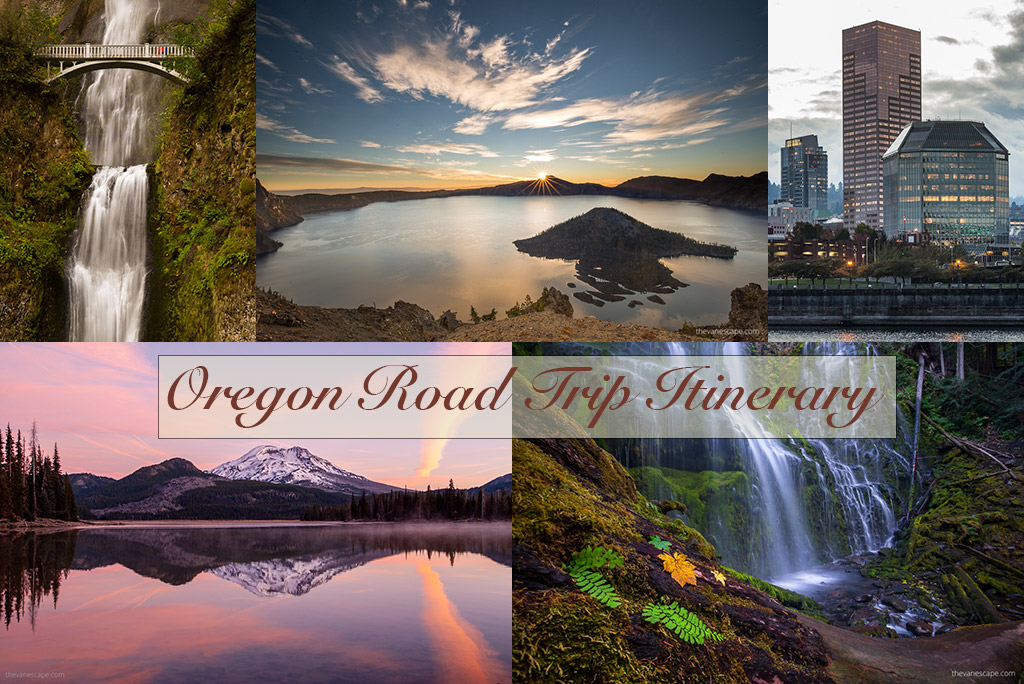
Why Oregon Is the Ultimate Road Trip Destination
Oregon feels made for the open road. It’s a place where snow-capped volcanoes rise above forests, rivers cut through deep gorges, and scenic byways wind all the way to the Pacific Ocean. Few states offer such variety so close together — that’s what makes Oregon one of the best road-tripping destinations in the United States.
Chris and I first visited Oregon years ago, and we’ve returned many times since. We’ve road-tripped through the state in rental cars and our RV, exploring different regions and seasons.
Every journey reminded us just how diverse Oregon is — from the rugged coast to the quiet desert, from Multnomah Waterfalls tucked into the Columbia River Gorge to the still, blue depths of Crater Lake.
Oregon isn’t just a destination — it’s a full sensory experience: the sound of the ocean, the scent of rain in the trees, and the thrill of discovering one more waterfall around the next bend. That’s what keeps bringing us back, and why we think Oregon is one of the most rewarding places in America for a road trip.
Oregon Road Trip Overview
This Oregon road trip itinerary is designed as a 10-day loop that starts and ends in Portland — Oregon’s most convenient travel hub. The route covers the state’s most iconic landscapes: waterfalls and mountains in the north, volcanic peaks and alpine lakes in central Oregon, the deep-blue wonder of Crater Lake in the south, and the dramatic coastline that stretches along Highway 101.
You’ll drive a mix of scenic byways, mountain passes, and coastal routes that show off the best of the Pacific Northwest. Expect roughly 1,200 to 1,400 miles total, depending on side trips, with plenty of stops for short hikes, photo opportunities, and local flavor.
Here’s a quick look at the 10-day Oregon loop itinerary
Day 1: Arrive in Portland — explore the city’s highlights
Day 2: Columbia River Gorge & Mount Hood — waterfalls and alpine views
Day 3: Bend via Hood River — high-desert scenery and outdoor adventures
Day 4: Sisters & McKenzie Pass — waterfalls, lava fields, and mountain lakes
Day 5: Tamolitch Blue Pool & Umpqua Hot Springs → Crater Lake National Park
Day 6: Crater Lake — scenic drive and viewpoints
Day 7: Drive toward the Oregon Coast — Cape Blanco & Shore Acres
Day 8: Central and North Coast — Heceta Head, Cannon Beach, Tillamook
Day 9: Astoria & Ecola State Park — finish your coastal loop
Day 10: Return to Portland via Columbia River Gorge — Multnomah Falls finale
You can easily adapt this Oregon itinerary to fit your travel style. If you have only a week, focus on the main highlights between Portland, Crater Lake, and the coast. With two weeks, add side trips to Silver Falls State Park, the Painted Hills, or the Alvord Desert for a deeper Oregon experience.
Best Time to Visit Oregon for a Road Trip
Oregon is a year-round destination, but the best time for this Oregon road trip itinerary is from mid-June through October — when most scenic byways are open, waterfalls are flowing, and the weather is at its most cooperative. Still, each season brings its own character and challenges, so your experience will depend on what kind of adventure you want.
Late Spring (May–June): Fresh, Green, and Full of Waterfalls
Late spring is one of our favorite times for a road trip in Oregon. The forests are lush, wildflowers begin to bloom, and waterfalls roar with snowmelt. Most mountain roads start reopening in June — including the stunning McKenzie Highway (OR-242), which typically opens mid-June once snow clears.
Crater Lake’s Rim Drive may still have snowbanks early in the month, but viewpoints are accessible and crowds are light.
Summer (July–August): Long Days and Full Access
Summer is the most popular and convenient season for a 10-day Oregon road trip. All major roads, parks, and hiking trails are open, and daylight lasts well past 9 p.m. It’s perfect for exploring the Oregon Coast, Crater Lake National Park, and Mount Hood on the same trip.
However, July and August also bring peak crowds, higher prices, and occasional wildfire smoke — especially in southern and central Oregon. To make the most of summer travel, book lodging and campsites at least 4–6 months in advance, start sightseeing early in the morning, and keep a flexible itinerary in case of changing conditions.
Fall (September–October): Golden Colors and Quieter Roads
Fall is a dream season for photographers. The crowds thin, the light softens, and Oregon’s forests turn shades of gold and red. Temperatures are cooler, especially in the mountains, but hiking is still excellent through October.
This is also a great time to combine the Oregon loop itinerary with harvest season in the Willamette Valley, when vineyards and orchards are in full swing. Be aware that some campgrounds and park facilities start closing for the season in mid-October.
Winter (November–April): Quiet Beauty and Seasonal Limitations
Winter brings a completely different atmosphere — snowy peaks, stormy seas, and fewer travelers. It’s ideal for cozy getaways, skiing near Mount Hood, or storm watching on the Oregon Coast.
But for a full Oregon road trip, winter driving can be limiting. Roads like McKenzie Pass and Crater Lake Rim Drive are closed for the season, and conditions in mountain areas can change quickly. If you’re planning a winter trip, focus on the coast, Willamette Valley, and southern Oregon — regions that stay open and accessible year-round.
Agnes’ Advice: Oregon’s weather can change in a heartbeat. Always check the Oregon Department of Transportation (TripCheck) and National Weather Service before driving mountain routes, especially in spring or fall.
Before You Go – Permits, Closures, and Reservations
Oregon is one of the easiest states to explore by car or RV, but a little planning ahead will save you time and frustration — especially if your Oregon road trip itinerary includes popular national parks or scenic trails. Some of Oregon’s most famous sites now require permits or advance reservations, particularly during the summer season.
National Parks and Timed-Entry Permits
- Crater Lake National Park doesn’t require a timed-entry permit, but its lodges, campgrounds, and boat tours often sell out months in advance. Book early if you plan to stay inside the park.
- Multnomah Falls, one of Oregon’s most visited attractions, requires a timed-entry permit from late May through early September. You can still visit without a reservation if you arrive by bike, on foot, or with a local shuttle service.
Seasonal Road Closures
Many scenic routes close for winter due to snow. Plan your trip accordingly:
- McKenzie Pass (OR-242) – typically open from mid-June to early November.
- Crater Lake Rim Drive – fully open late June through mid-October.
- Cascade Lakes Scenic Byway – usually open June through October, depending on snowpack.
Always confirm conditions with the Oregon Department of Transportation’s TripCheck website before heading into mountain regions.
Campgrounds and Lodging
Popular campgrounds and park lodges often book up 4–6 months ahead. For summer trips, make reservations as soon as the booking window opens — especially in Crater Lake National Park, Silver Falls State Park, and along the Oregon Coast.
If you plan to camp on Bureau of Land Management (BLM) land, remember that rules vary by district. Always check official BLM regulations for the area where you plan to stay.
How Many Days Do You Need for an Oregon Road Trip?
Oregon has so much to see that you could spend a month here and still feel like you missed something. But after several trips across the state, we’ve found that 10 days is the sweet spot for a well-paced, unforgettable Oregon adventure.
A 10-day Oregon road trip itinerary gives you enough time to explore all the state’s major highlights — from Portland’s creative heart to the waterfalls of the Columbia River Gorge, the alpine lakes near Bend, the volcanic wonder of Crater Lake, and the dramatic Oregon Coast. It’s long enough to enjoy the diversity of landscapes without feeling rushed.
If you’re short on time, you can still see Oregon’s best in a week by trimming a few stops. For those who can travel longer, two weeks opens the door to remote corners, hidden hot springs, and more time for hiking or relaxing by the coast.
Here’s a quick overview to help you choose the right plan:
7 Days – Oregon Highlights Itinerary
Perfect for travelers who want a taste of Oregon’s variety without driving too much.
- Start and end in Portland.
- Focus on Columbia River Gorge, Mount Hood, Bend, Crater Lake, and a short stretch of the Oregon Coast.
- Expect long driving days, but incredible views every mile.
10 Days – Complete Oregon Loop Itinerary
The ideal balance of driving, adventure, and relaxation.
- Explore Portland, Mount Hood, Bend, Crater Lake National Park, and the full Oregon Coast before looping back to Portland through the Columbia River Gorge.
- You’ll have time for short hikes, scenic drives, and local experiences — not just quick photo stops.
14 Days – Extended Oregon Itinerary
Perfect for slow travelers or those who love the open road.
- Add side trips to Silver Falls State Park, the Painted Hills, the Alvord Desert, or the Willamette Valley wineries.
- Spend extra time exploring the coast, camping, hiking Oregon’s waterfalls, or discover Oregon covered bridges.
Agnes’ Advice: However long you stay, Oregon is best explored at your own pace. The state’s beauty is in its variety — so take your time, pull over often, and let the journey itself be part of the adventure.
Two Route Options for Your Oregon Itinerary
One of the best things about Oregon is that its highlights connect naturally in a loop — so you can drive it clockwise or counterclockwise, depending on the season and your interests. Both directions start and end in Portland, which makes it easy to fly in, rent a car or RV, and hit the road.
Here are two tried-and-true Oregon road trip routes we’ve driven ourselves, with tips on which works best for your timing and travel style.
Option A – Inland-First Oregon Road Trip Itinerary
(Portland → Columbia River Gorge → Bend → Crater Lake → Oregon Coast → Portland)
This version works beautifully in late spring or early fall, when mountain roads are clear but the coast can still be chilly and windy.
- You’ll begin your trip with waterfalls and mountain views along the Columbia River Gorge and Mount Hood Scenic Byway.
- From there, head south toward Bend and Sisters for hiking, lava fields, and high-desert landscapes.
- Continue to Crater Lake National Park before wrapping up your trip along the Oregon Coast, where sea stacks and lighthouses line Highway 101.
- Finish back in Portland via the lush northern coast and Astoria.
This route is ideal if you want to enjoy alpine hikes before heading to the coast for a more relaxing finish.
Option B – Coast-First Oregon Road Trip Itinerary
(Portland → Cannon Beach → Central Coast → Crater Lake → Bend → Columbia River Gorge → Portland)
This route shines in summer, when coastal fog lifts and temperatures along the ocean are mild.
- Start by heading west from Portland to the Oregon Coast, where you can spend your first few days exploring Cannon Beach, Cape Perpetua, and Heceta Head Lighthouse.
- From there, drive inland to Crater Lake National Park and the Cascade Lakes Scenic Byway near Bend.
- End your trip with a drive through the Columbia River Gorge, visiting Multnomah Falls and Vista House before returning to Portland.
This version lets you enjoy the coast at its warmest and finish your trip among mountains, waterfalls, and forest trails.

Detailed 10-Day Oregon Road Trip Itinerary Day-by-Day
This 10-day Oregon road trip itinerary combines the best of the state’s mountains, lakes, forests, and coastline in one unforgettable loop. You’ll start in Portland, travel through the Columbia River Gorge and Mount Hood, explore central Oregon’s high-desert beauty, visit Crater Lake National Park, and finish along the spectacular Oregon Coast before returning to Portland.
- Total distance: about 1,300 miles
- Trip duration: 10 days (extendable to 14 days)
- Starting and ending point: Portland, Oregon
Day 1 – Arrive in Portland and Explore Oregon’s Creative City
Welcome to Oregon! Begin your adventure in Portland, a city full of parks, bridges, art, and great food. If you’re flying in, Portland International Airport (PDX) is your starting point — you can easily pick up your rental car or RV here.
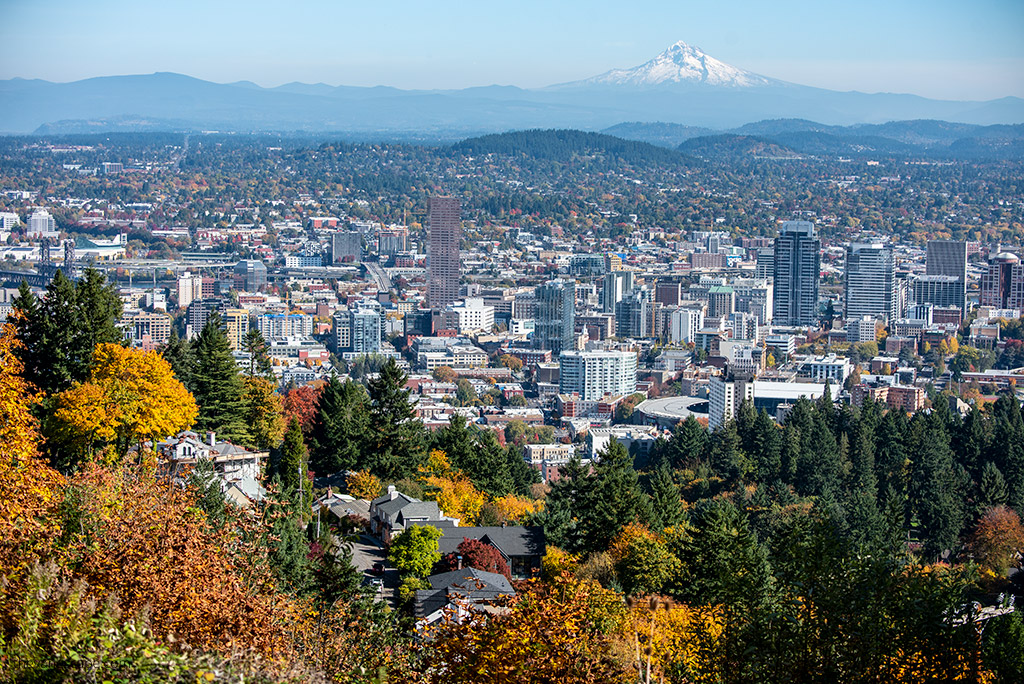
Spend your first afternoon exploring Downtown Portland and the Willamette River Waterfront Loop — a scenic 2.6-mile trail that runs right along the river. Grab a local coffee and walk across one of the city’s famous bridges. If time allows, visit the Portland Japanese Garden or Pittock Mansion for panoramic city views.
In the evening, head to the Pearl District or Alberta Arts District. Both are perfect for dinner, craft beer, and people-watching — Portland’s casual vibe will ease you right into road trip mode.
Where to Stay in Portland:
• Courtyard by Marriott Portland City Center – clean, spacious, and within walking distance of downtown.
• The Mark Spencer Hotel – a boutique favorite in the heart of the city.
• Portland Fairview RV Park – a quiet, convenient choice if you’re traveling by RV.
Driving distance: Minimal — just local city exploration.

Day 2 – Columbia River Gorge and Mount Hood Scenic Byway
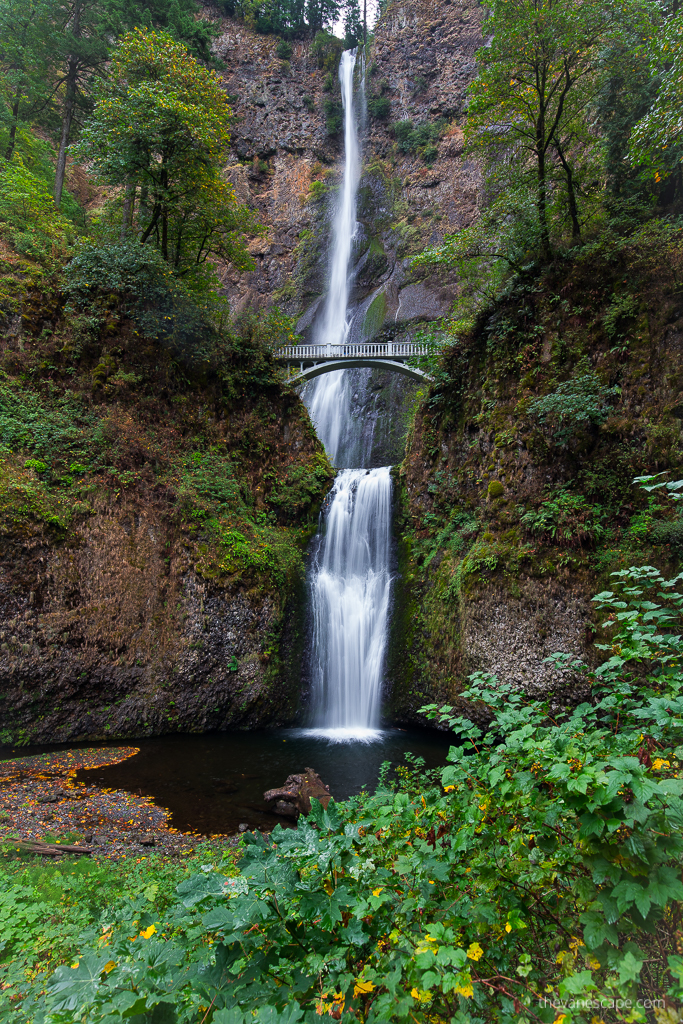
Leave Portland early and head east on the Historic Columbia River Highway (US-30), one of America’s most beautiful drives. Stop at Oregon’s most famous waterfall — Multnomah Falls, a 620-foot double cascade.
After the waterfalls, follow Highway 35 toward Mount Hood National Forest. On a clear day, you’ll see Oregon’s tallest peak towering over the landscape. Continue up to Timberline Lodge, a historic alpine lodge perched at 6,000 feet, known for its rustic charm and role in the classic film The Shining.
If the weather’s good, hike the Trillium Lake Loop Trail (2 miles) or Mirror Lake Trail (4.2 miles) for postcard views of Mount Hood reflected on still mountain water.
Where to Stay near Mount Hood:
• Timberline Lodge – historic, atmospheric, and located right on the slopes, with hiking trails.
• Best Western Mt. Hood Inn – great value with easy highway access.
• Mt. Hood Oregon Resort – perfect if you prefer resort-style amenities.
Driving distance: About 120 miles / 2.5 hours.
Agnes’ Advice: Always check the weather before heading into Mount Hood National Forest — snow can linger into late May or early June, and some trailheads may still be inaccessible.
Day 3 – Shaniko Ghost Town and Drive to Sisters
This morning, take Highway 26 East through wide-open high desert landscapes toward Shaniko Ghost Town — once known as the “Wool Capital of the World.” Shaniko is one of Oregon’s best-preserved ghost towns, with wooden storefronts, an old railway station, and a hotel from the early 1900s.
Walk the main street and explore the antique relics of the past — it’s one of the most photogenic small towns in the state.
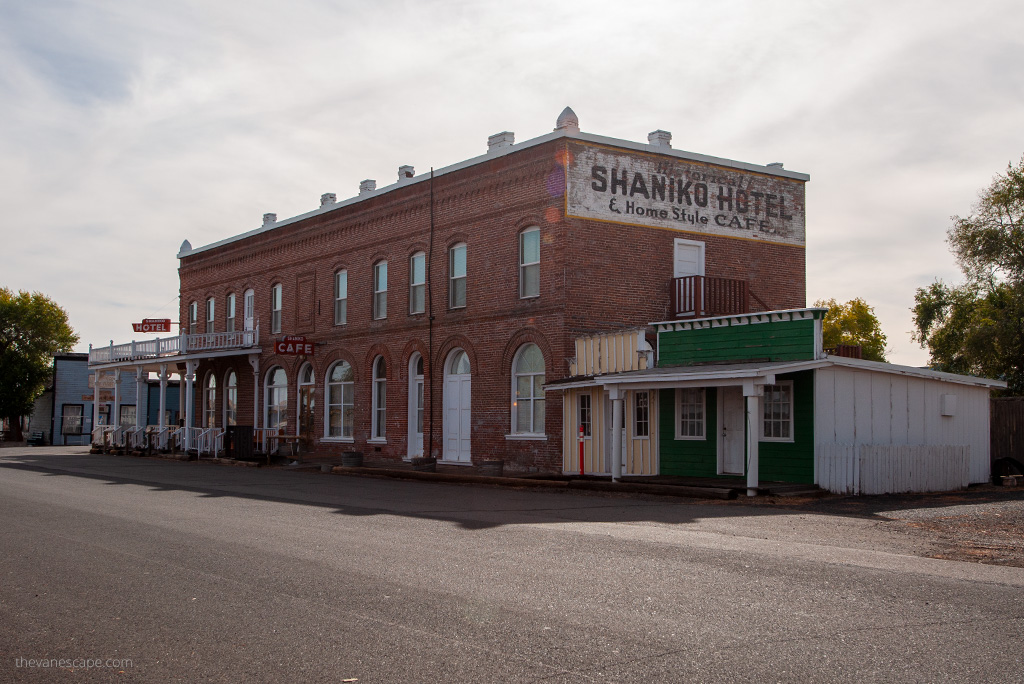

After exploring Shaniko, continue south via US-97 and OR-126 West to the town of Sisters, nestled in the foothills of the Cascade Range. The drive takes you through open ranchlands and pine forests, offering a real taste of Oregon’s interior.
Sisters has a charming Western vibe, full of local shops, galleries, and cafés. It’s also a great base for outdoor adventures in Deschutes National Forest and the Three Sisters Wilderness.
Where to Stay in Sisters or Bend:
• Best Western Ponderosa Lodge (Sisters) – cozy rooms, great breakfasts, and a forest setting.
• Bend/Sisters Garden RV Resort – beautiful and quiet, but reserve well in advance.
• Hotels in Bend – more affordable options just 25 minutes away with plenty of restaurants.
Driving distance: About 130 miles / 3 hours (plus sightseeing time).
Agnes’ Advice: Sisters books up early in summer. If you can’t find a place, stay in nearby Bend — it’s larger and still close to all the top sights.

Day 4 – Proxy Falls and Tamolitch Blue Pool: Waterfalls, Forests, and Scenic Drives
Today’s focus is on two of the most beautiful natural attractions in central Oregon — Proxy Falls and Tamolitch Blue Pool — both located in the Willamette National Forest. You can easily visit both in one day or choose one if you prefer a slower pace.
There are two ways to reach them, depending on the season.
Option 1: McKenzie Highway 242 (Summer–Fall Only)
From Sisters, drive west on OR-242, also known as the McKenzie Pass–Santiam Pass Scenic Byway. This narrow, winding mountain road is one of Oregon’s most breathtaking routes, passing through lava fields, alpine meadows, and dense forest. But keep in mind — Highway 242 is closed from November through early July due to snow, so it’s only accessible in summer and early fall.
If the road is open, start your day with the Proxy Falls Trail, a short 1.6-mile loop through mossy forest and lava rock that leads to a spectacular 226-foot waterfall. It’s one of Oregon’s most photogenic spots — especially after rainfall when the moss glows vivid green.
After that, continue toward Tamolitch Blue Pool (Tamolitch Falls) via OR-126. The 4.2-mile round-trip trail follows the McKenzie River to a brilliant turquoise pool that’s as clear as glass. The water is icy cold, but it’s worth the short hike for the view alone.
Agnes’ Advice: Some hiking trails in the Three Sisters Wilderness require a Central Cascades Wilderness Permit. Proxy Falls and Tamolitch Blue Pool do not require it. Check official Forest Service updates if you plan additional hikes in this area.

Option 2: Winter or Spring Route (via US-20 and OR-126)
If Highway 242 is closed, take US-20 toward Santiam Pass, then continue on OR-126 to reach the same trailheads from the east. This route is open year-round and offers its own stunning scenery — mountain views, thick evergreen forests, and sections of the McKenzie River.
If you only have time for one hike, choose Proxy Falls. It’s shorter, easier, and one of the most magical waterfalls in Oregon.
Driving distance: 100–120 miles (loop or return route)
Stay: Second night in Sisters or Bend
Where to Stay:
• Best Western Ponderosa Lodge (Sisters) – cozy, with wildlife often seen on the property.
• Bend/Sisters Garden RV Resort – peaceful and perfectly located for road trippers.
• Oxford Hotel (Bend) – downtown, with eco-friendly touches and modern comfort.
Agnes’ Advice: Even on warm days, the trails can be damp and slippery — wear sturdy hiking shoes and bring a light rain jacket. Start early, especially in summer, when parking fills up quickly.
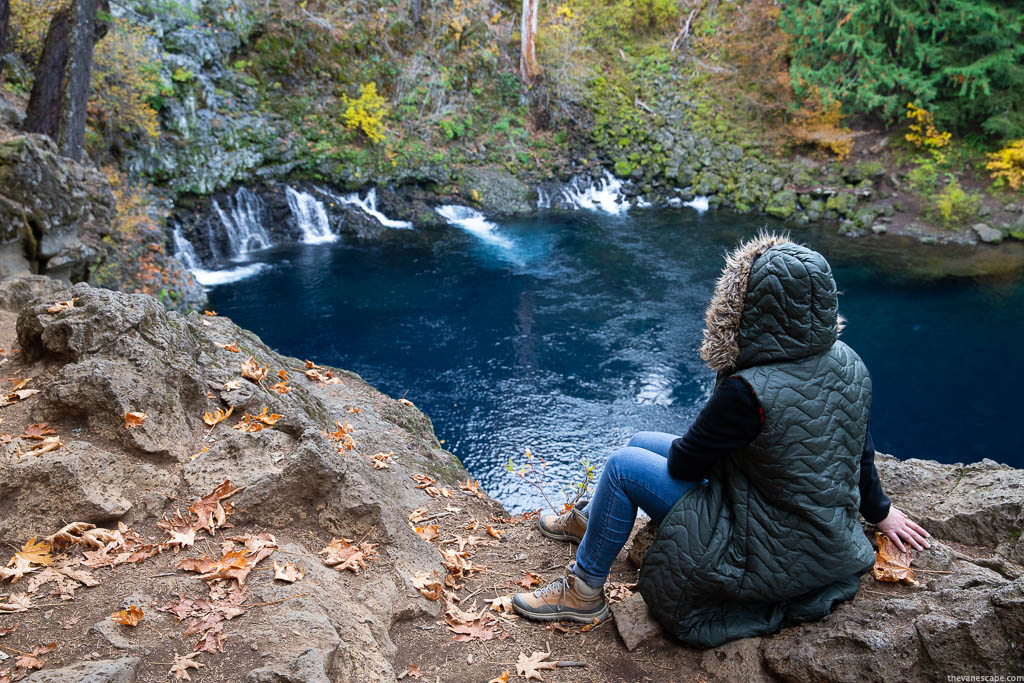
Day 5 – From Sisters to Umpqua Hot Springs and Crater Lake National Park
After exploring the waterfalls near Sisters, it’s time to head south toward Crater Lake National Park — with one very worthwhile stop along the way: Umpqua Hot Springs.
From Sisters, follow US-97 South toward Chemult, then take OR-138 West into Umpqua National Forest. The drive is about 3 hours (143 miles), winding through quiet pine forests and mountain valleys.
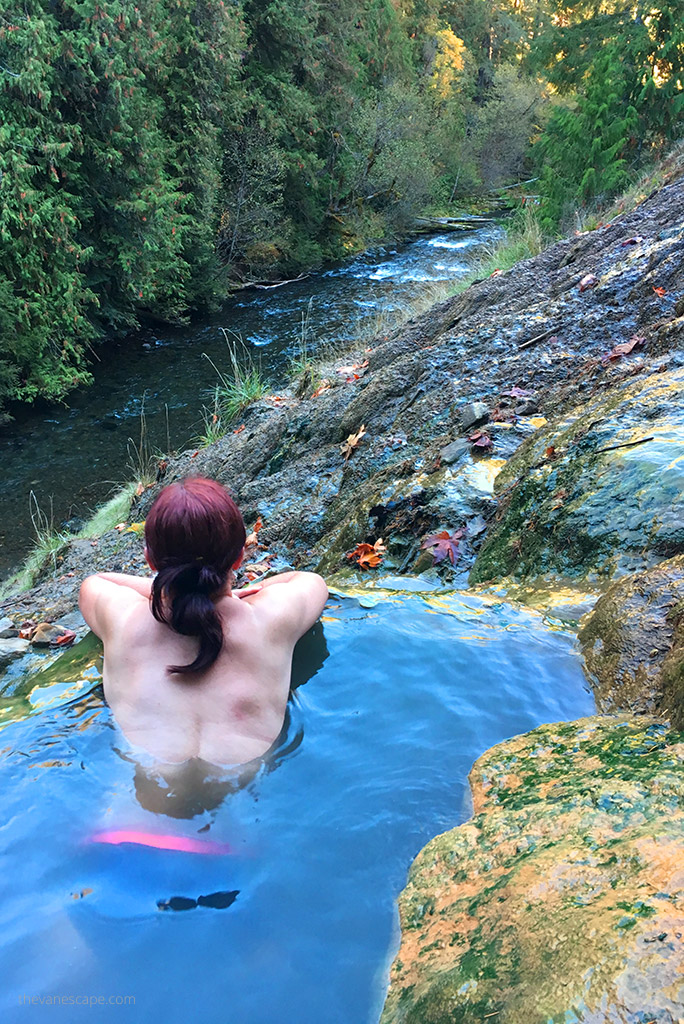
Just before reaching the national park, detour to Umpqua Hot Springs, one of Oregon’s most beautiful natural soaks. These terraced pools sit high above the North Umpqua River, offering breathtaking views of the forest below. The water averages around 108°F (42°C). The short, steep hike from the trailhead (0.3 miles) takes 10–15 minutes each way — bring water shoes and be prepared for muddy conditions.
If you have extra time, make a quick stop at Toketee Falls, located just a few miles away. The viewpoint is an easy 0.8-mile round trip, and the two-tiered waterfall framed by basalt cliffs is one of the most photographed in Oregon.
After your soak and sightseeing, continue south toward Crater Lake National Park. Try to arrive before sunset — the lake’s deep blue color and the surrounding cliffs glow beautifully in evening light.
Driving distance: About 180 miles / 4–5 hours including stops
Stay: Two nights near Crater Lake
Where to Stay:
• Crater Lake Lodge – a historic lodge right on the rim with unbeatable views (book early; it fills months in advance).
• Diamond Lake Resort & RV Park – only 4 miles from the park entrance, great for campers or budget travelers.
• Lodging in Chiloquin – a good alternative if you can’t secure a room closer to the park.
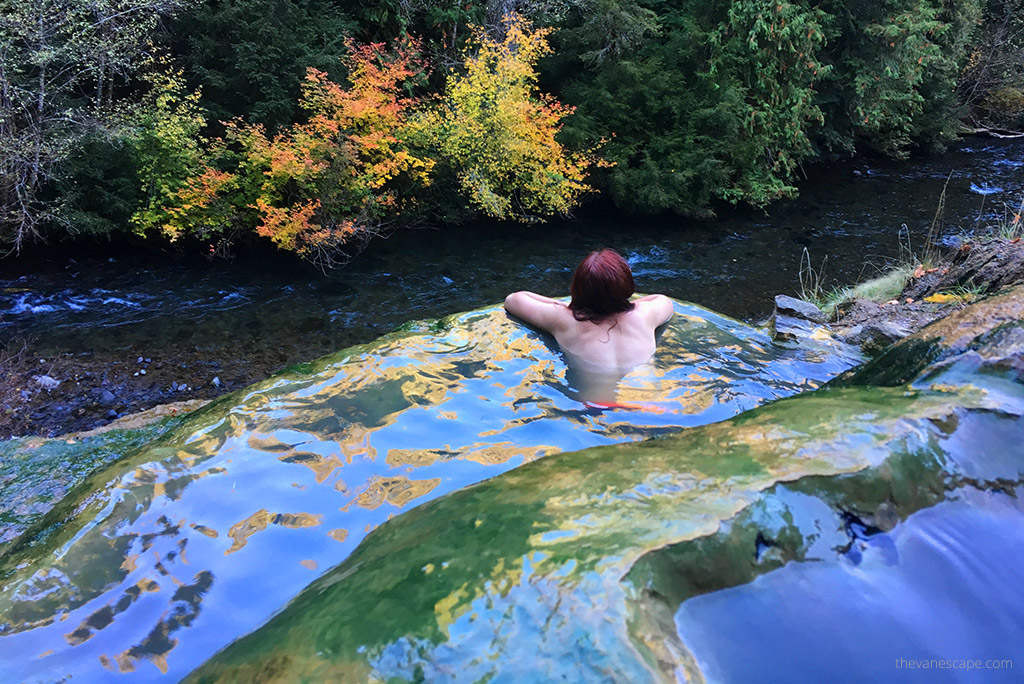
Day 6 – Explore Crater Lake National Park
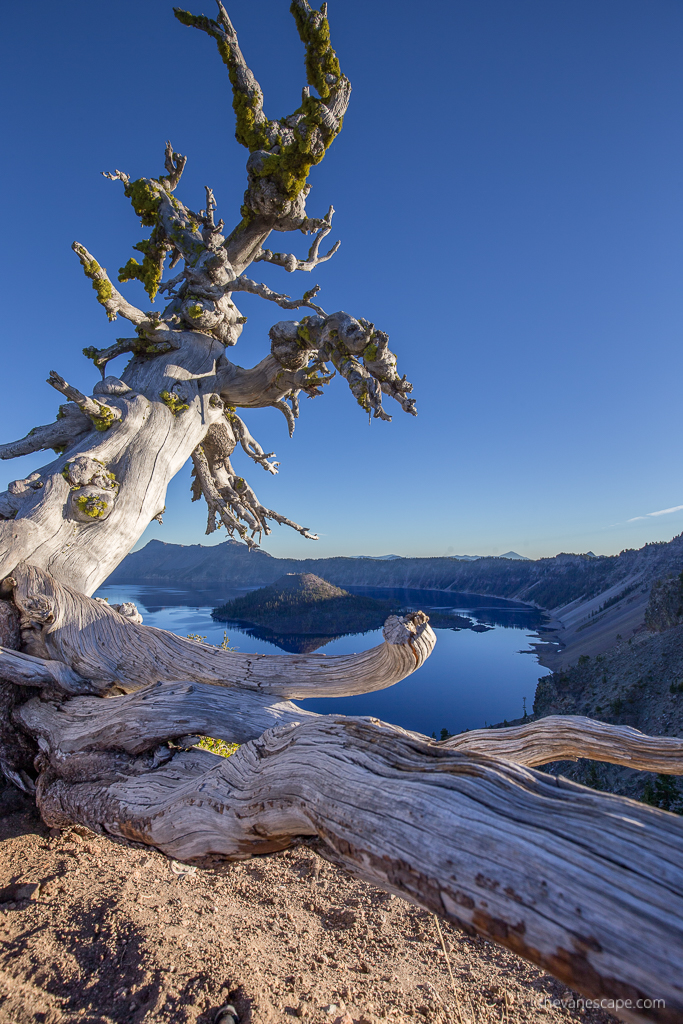
Spend this day fully exploring Crater Lake National Park, one of the most extraordinary landscapes in the United States. Formed by a collapsed volcano nearly 8,000 years ago, the lake is the deepest in the country (1,943 feet) and famous for its intense sapphire-blue color.
Start your morning at Rim Village Visitor Center for maps, restrooms, and up-to-date information. Then drive the 33-mile Crater Lake Rim Drive, one of America’s most scenic roads. There are more than 30 official viewpoints — don’t miss Discovery Point, Watchman Overlook, Pumice Point, and Cloudcap Overlook, the highest accessible point in the park.

If you’re visiting between July and September, hike the Garfield Peak Trail (3.6 miles round trip) for panoramic lake views or Cleetwood Cove Trail (2.2 miles one way) — the only legal access to the lake’s shore. From there, you can take a boat tour to Wizard Island, a cinder cone that rises dramatically from the water.
For a more relaxed visit, bring lunch and enjoy a picnic at one of the rim viewpoints. The Crater Lake Lodge Dining Room also serves meals with a view.
Driving distance: About 50 miles inside the park
Stay: Second night near Crater Lake (same lodging as Day 5)
Agnes’ Advice: Weather at Crater Lake can change quickly. Even in summer, bring warm layers and a rain jacket — temperatures often drop into the 40s at night. Gas stations are limited near the park, so fill up before arriving.
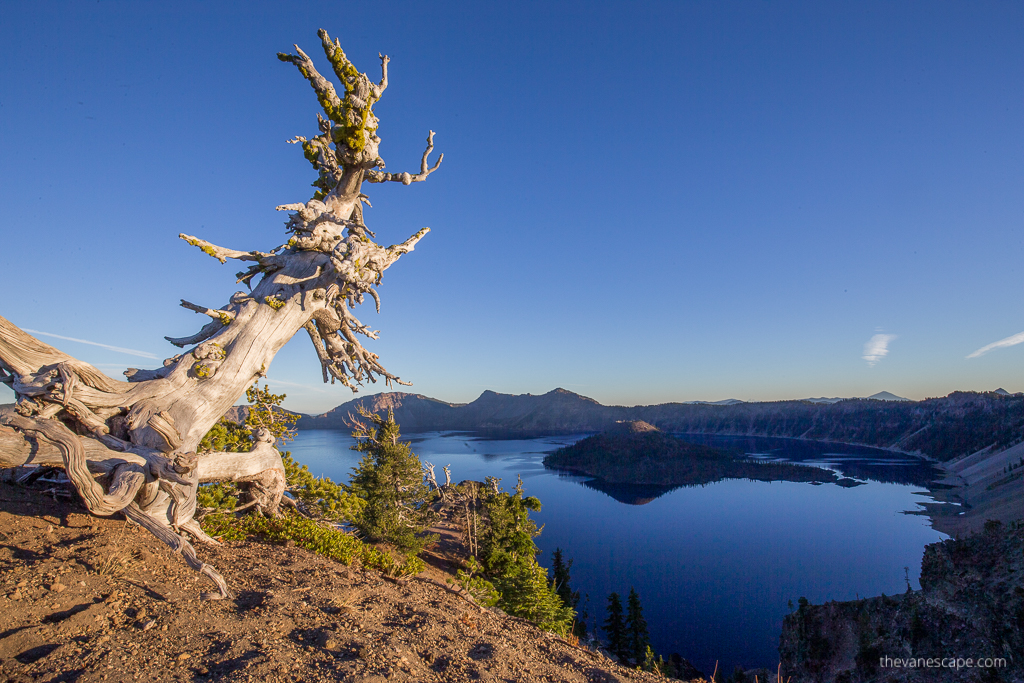
Day 7 – From Crater Lake to the Oregon Coast: Cape Blanco and Shore Acres State Parks
Today’s drive connects Oregon’s volcanic heart with its rugged Pacific coastline — a long but rewarding journey.
Leave Crater Lake in the morning and head west on OR-138, following forested curves toward the Pacific. The route passes through the Umpqua National Forest, with plenty of photo stops and quiet picnic areas. After about 4½ hours (205 miles), you’ll reach Cape Blanco State Park, Oregon’s westernmost point.
Walk to the historic Cape Blanco Lighthouse, perched high above the ocean on dramatic cliffs. If the sky is clear, you can see miles of coastline in both directions. Keep an eye out for elk in the meadows and gray whales offshore in spring and fall.

From Cape Blanco, drive north along Highway 101 to Shore Acres State Park, one of Oregon’s most scenic coastal gardens. Built on a former estate, the park features manicured gardens, crashing waves, and a dramatic observation point perfect for sunset.
Driving distance: About 230 miles / 5 hours
Stay: Near Coos Bay or at Sunset Bay State Park
Where to Stay:
• Sunset Bay State Park Campground – quiet, forested sites with beach access.
• Edgewater Inn, Coos Bay – comfortable, good value, and convenient to local restaurants.
• Bay Point Landing, Coos Bay – stylish modern cabins and full-service RV sites.
Agnes’ Advice: This is a full travel day — leave early, pack lunch or snacks, and enjoy frequent stops. The scenery shifts from alpine forests to the Pacific in a single day.
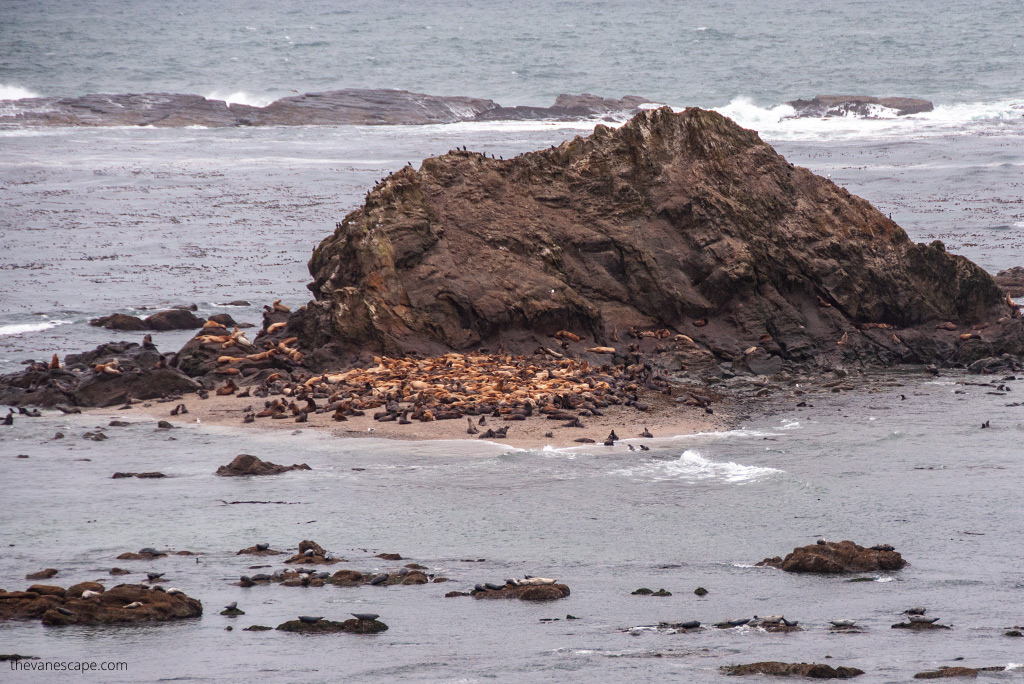
Day 8 – The Oregon Coast Road Trip: Lighthouses, Beaches, and Sea Stacks
Start your morning with a scenic drive north along Highway 101, one of the most beautiful coastal highways in the U.S.
Your first stop is the Umpqua River Lighthouse, near Reedsport. Its Fresnel lens shines a distinctive red-and-white flash, and the small museum nearby is worth a quick visit. Continue to Heceta Head Lighthouse, one of the most photographed spots on the Oregon Coast. The short trail to the lightkeeper’s house offers breathtaking views of the Pacific.
Farther north, take a short walk to Thor’s Well near Yachats — a dramatic ocean sinkhole that appears to drain the sea. Watch it at high tide from a safe distance.
From there, continue through Newport, Lincoln City, and up toward Rockaway Beach. Stop for photos, coffee, or a beach walk whenever something catches your eye — that’s the beauty of Highway 101.
End your day in Cannon Beach, famous for its massive Haystack Rock rising from the surf. Time your arrival for sunset when the light turns golden and seabirds circle the cliffs.
Driving distance: About 250 miles / 6 hours
Stay: Cannon Beach or Seaside
Where to Stay:
• Surfsand Resort (Cannon Beach) – right on the beach with amazing views.
• Hallmark Resort (Cannon Beach) – oceanfront rooms and fireplaces.
• Cannon Beach RV Resort – clean, well-maintained, and close to the shoreline.
Agnes’ Advice: Plan your coastal driving days loosely. Conditions can change fast — fog, wind, or even a sudden rainbow can completely transform the view.


Day 9 – Cannon Beach, Ecola State Park, and Astoria
Spend your morning exploring Ecola State Park, just north of Cannon Beach. Hike the Clatsop Loop Trail (2.8 miles) for panoramic views of the ocean and Tillamook Rock Lighthouse perched offshore.
After your hike, head north along Highway 101 to Astoria, Oregon’s oldest city and the meeting point of the Columbia River and Pacific Ocean. Visit the Astoria Column for sweeping views, walk the Riverwalk, or check out filming locations from The Goonies.
If you have time, stop at Lewis and Clark National Historical Park to learn about the explorers’ winter at Fort Clatsop.


Driving distance: 30 miles / 1 hour
Stay: Astoria or return to Portland (about 2 hours away).
Where to Stay:
• Cannery Pier Hotel & Spa (Astoria) – luxury rooms built over the water with views of the bridge.
• Astoria/Warrenton/Seaside KOA Resort – family-friendly camping with full facilities.
• Commodore Hotel (Astoria) – stylish, budget-friendly option downtown.
Agnes’ Advice: The Astoria-Megler Bridge is one of Oregon’s most impressive engineering feats — cross it if you have time, even just for the experience.

Day 10 – Return to Portland and Wrap Up Your Oregon Adventure
Your final day depends on your travel schedule. From Astoria to Portland is about 100 miles, and the drive takes around 2 hours without stops. But give yourself extra time — traffic, construction, or photo stops can easily stretch the drive.
If you have a late flight or another free day, you can explore Portland a bit more. Visit one of the city’s gardens, stop by a local café, or take a short walk along the Willamette River waterfront.
For those who’d like to squeeze in one last scenic drive, return east through the Columbia River Gorge to visit new viewpoints such as Latourell Falls, Bridal Veil Falls, or Vista House at Crown Point. Even if you’ve already seen parts of the Gorge earlier in your trip, its light and colors change constantly — it’s always worth another stop.
Agnes’ Advice: Plan your final morning with buffer time before your flight. Oregon roads are beautiful but winding, and it’s easy to lose track of time when there’s another waterfall or viewpoint around every corner.

Final Thoughts: The Spirit of the Open Road in Oregon
Oregon is more than a destination — it’s a feeling you carry long after the trip ends. It’s that quiet moment when morning fog lifts off the coastline, when the scent of pine fills the air in the Cascades, and when the deep blue of Crater Lake leaves you speechless. Every region tells a different story, yet together they form one unforgettable journey.
What we love most about road tripping through Oregon is its rhythm — a perfect balance between adventure and calm. One day you’re hiking to a hidden waterfall, the next you’re walking barefoot on an empty beach or watching the sunset from a lighthouse cliff.
If you’re dreaming of a trip that captures everything the American West stands for — freedom, nature, discovery, and beauty — Oregon delivers it all in one road. Pack your curiosity, keep your plans flexible, and let this state surprise you. Every mile will remind you why hitting the open road is still the best way to travel.
Do You Like It? Pin It For Later!

