
US National Parks Requiring Reservations in 2026: What Road Trippers Must Know
Planning a USA road trip in 2026 takes more than picking scenic routes and booking hotels. Many of the most popular US national parks now use reservation systems during peak seasons. These rules affect when you can enter a park, which roads you can drive, and even which hikes you can do. If you ignore them, you may end up stuck at an entrance gate or forced to change plans last minute. This guide focuses on US national parks requiring reservations in 2026, with a clear road trip perspective. We explain which parks use reservations, what type of access is restricted, and how these systems affect multi-state itineraries. The goal is simple: help you plan a smooth road trip across different states without surprises, delays, or missed highlights.
This article may contain affiliate / compensated links. For full information, please see our disclaimer here.
Our Experiences With Reservation-Based National Parks
Chris and I have visited many US national parks over the years while traveling on long road trips across different states. We’ve dealt with timed entry systems, trail permits, sunrise reservations, and last-minute rule changes.
Sometimes reservations made our visit smoother. Other times, poor timing or limited availability forced us to adjust plans on the fly.
We’ve learned that reservation systems can significantly affect a road trip. Entry hours may not align with driving distances. Popular hikes may require permits secured months ahead. In some parks, arriving just one hour too late can mean no entry at all.
This article is based on those real planning challenges and lessons learned, so you can avoid common mistakes and plan your 2026 road trip with confidence.

Why Some US National Parks Require Reservations
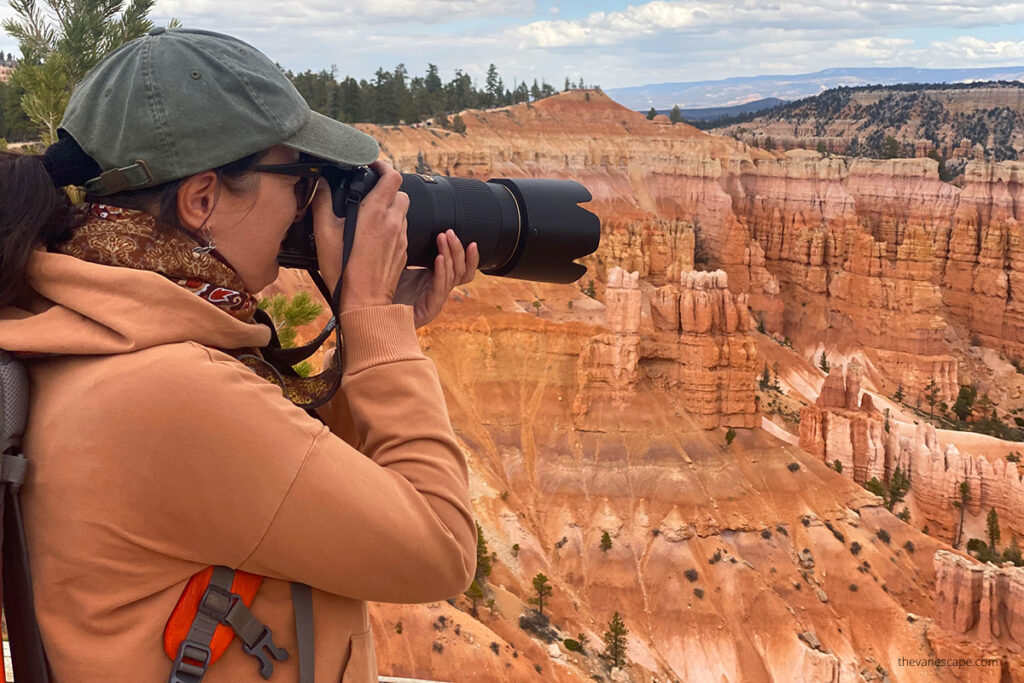
Over the past few years, visitor numbers at US national parks have reached record levels. Popular parks now see millions of visitors each season, often concentrated into short summer windows. Roads, parking areas, and trailheads were never designed for that volume of traffic.
Reservation systems help parks manage crowding, protect natural resources, and improve safety. Limiting the number of vehicles reduces traffic jams, parking chaos, and damage to fragile landscapes. In high-risk areas, permits also control access to narrow trails, steep terrain, or exposed viewpoints where overcrowding can become dangerous.
For road trippers, this means access is no longer guaranteed just because you arrive at the gate. Entry may depend on time windows, specific roads, or even individual hikes. Understanding why these systems exist makes it easier to plan realistic driving days and avoid frustration during a multi-state trip.
Important Entrance Fee Changes to Know for 2026
Along with reservation systems, entrance fees are an important part of 2026 trip planning. For US citizens and residents, national park entrance fees remain unchanged. Standard entry still costs about $30–35 per vehicle, and the America the Beautiful Annual Pass remains $80.
The major change affects international visitors. Starting in January 2026, non-U.S. residents aged 16 and older must pay an additional $100 non-resident fee per person at 11 of the most visited national parks, including Yosemite, Yellowstone, Grand Canyon, Zion, Bryce Canyon, Glacier, and Rocky Mountain. This fee is added on top of the standard entrance cost. For international road trippers visiting several of these parks, the America the Beautiful Non-Resident Annual Pass ($250) may be a better value.
We’ll cover national park entrance fees and pass options in detail in a dedicated guide, but it’s important to account for these cost differences when planning a 2026 USA road trip.
Types of Reservations You’ll See in US National Parks
Not all national park reservations work the same way. This is where many road trippers get confused. Some reservations control vehicle entry. Others apply only to specific roads, hikes, or time windows. Understanding these differences makes planning much easier.
Here are the main reservation types you’ll encounter in 2026:
- Timed vehicle entry reservations
These limit when you can drive into a park. Entry is allowed only during a specific time window, often in the morning or early afternoon. - Road corridor reservations
Some parks require reservations only for certain scenic roads or high-demand areas, while the rest of the park remains accessible without one. - Trail-specific permits
These apply to popular or risky hikes. You may enter the park freely, but hiking a specific trail requires winning a lottery or booking a permit in advance. - Sunrise or early-morning reservations
A few parks restrict access during peak sunrise hours to manage traffic and parking at popular viewpoints. - Shuttle or transit reservations
In some parks, private vehicle access is limited when parking fills up, and reservations may apply only to shuttle buses.
Each park uses its system differently, and rules often change by season. That’s why road trip planning in 2026 requires checking not just if a park has reservations, but what kind of reservation is required and when it applies.
US National Parks Requiring Reservations in 2026
Several US national parks use reservation systems during peak seasons to manage traffic and protect sensitive areas. These rules can change by date, time of day, or even by specific road or trail.
Below is a clear, park-by-park breakdown of where reservations are required in 2026 and what they actually control, with road trip planning in mind.
Arches National Park, Utah
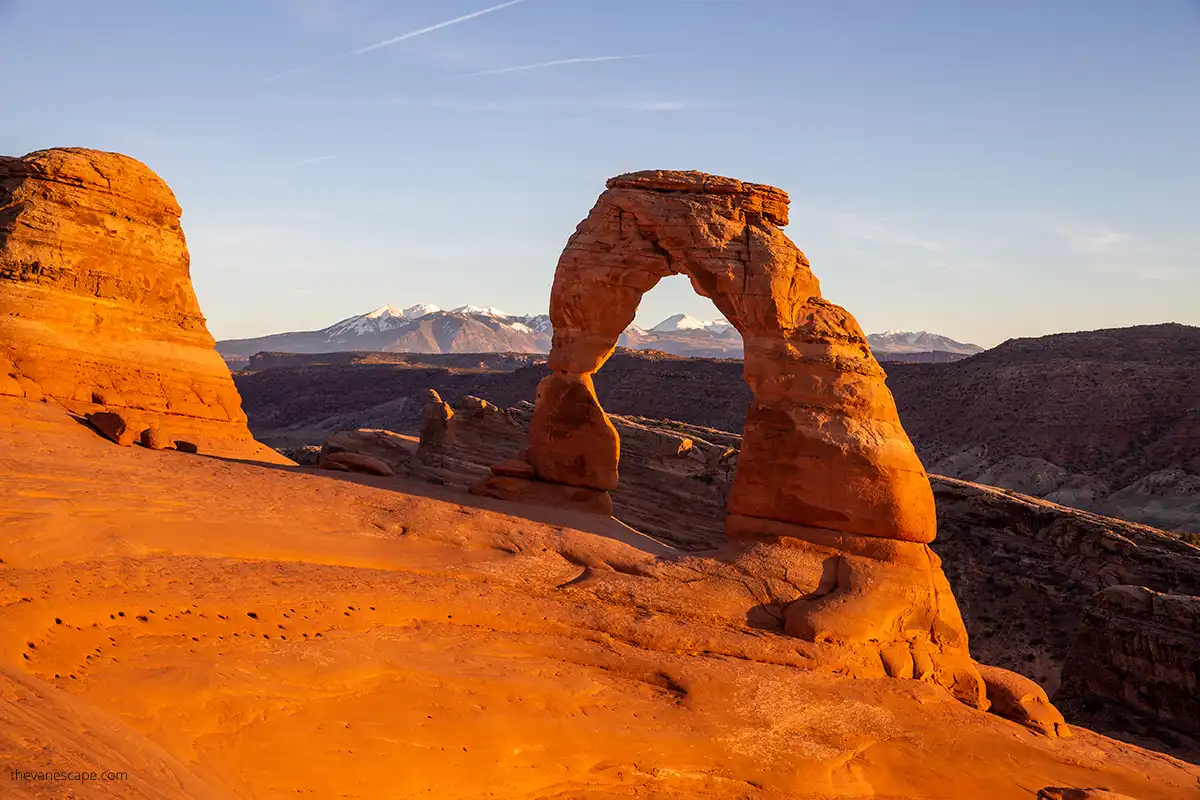
Arches National Park continues to use a timed entry reservation system in 2026 to manage heavy traffic during peak months. This system controls when vehicles may enter the park, not how long you can stay.
When reservations are required:
- April 1 to October 31
- No reservations required from July 7 to August 27
- Reservation hours are 8:00 AM to 4:00 PM
Outside of these hours, you may enter the park without a reservation.
What the reservation covers:
- Timed vehicle entry during restricted hours
- Applies to private vehicles entering the park
What it does not replace:
- Entrance fees
- Campground reservations
- Hiking access once inside the park
What does not require a reservation:
- Entry before 8:00 AM
- Entry after 4:00 PM
- Visiting during the July–August pause period
Road trip planning tips:
- Early morning and late afternoon visits work very well at Arches
- Sunset is one of the best times to explore the park and avoids reservation stress
- Arches is often combined with Canyonlands on Utah Mighty 5 road trips, making timing especially important
Arches is one of the most popular parks in the Southwest. In 2026, planning your entry time is key to keeping your Utah road trip flexible and enjoyable.
Yosemite National Park, California
Yosemite continues to use a timed vehicle entry reservation system during its busiest periods in 2026. This system controls when vehicles can enter the park during peak daytime hours.
When reservations are required:
- May 24–26 (Memorial Day weekend):
Reservations required from 6:00 AM to 2:00 PM on Saturday, Sunday, and Monday - May 27–June 14:
No reservations required - June 15–August 15:
Reservations required daily from 6:00 AM to 2:00 PM - August 16–29:
No reservations required - August 30–September 1 (Labor Day weekend):
Reservations required from 6:00 AM to 2:00 PM on Saturday, Sunday, and Monday
Outside these hours, visitors may enter the park without a reservation.
What the reservation covers:
- Entry into Yosemite National Park during the restricted hours
- Applies to private vehicles entering the park
What it does not replace:
- Campground reservations
- Lodging reservations
- Trail permits, including the Half Dome hiking permit, which is managed through a separate lottery system
Road trip planning tips:
- Early-morning or late-afternoon arrivals can avoid the reservation requirement
- Staying inside the park or holding a lodging reservation may provide entry exceptions
- Yosemite is often part of longer California or West Coast road trips, so aligning driving days with non-reservation periods can save time and stress

Rocky Mountain National Park, Colorado
Rocky Mountain National Park continues to use a timed entry reservation system during the busy summer and early fall season. In 2026, reservations are required from May 23 through October 10, with different rules depending on which part of the park you plan to visit.
What requires a reservation:
- Bear Lake Corridor (including Bear Lake Road and its popular trailheads)
- Trail Ridge Road, the park’s main scenic drive crossing the Continental Divide
How the system works:
- There are two types of timed entry reservations
- One that includes access to the Bear Lake Corridor
- One that provides general park access, including Trail Ridge Road, but excludes Bear Lake
- Each reservation is valid for a specific entry window
What does not require a reservation:
- Entry outside of the reservation hours
- Winter visits, when the system is not in effect
Road trip planning tips:
- The Bear Lake Corridor is one of the most crowded areas in the park, so permits sell out quickly
- Trail Ridge Road is often a key highlight on Colorado road trips, but weather and construction can affect access
- Early-morning entry is the easiest way to avoid reservations and parking issues
Rocky Mountain National Park is a common stop on Colorado and cross-country itineraries, but in peak season, timing your arrival is just as important as planning the route itself.
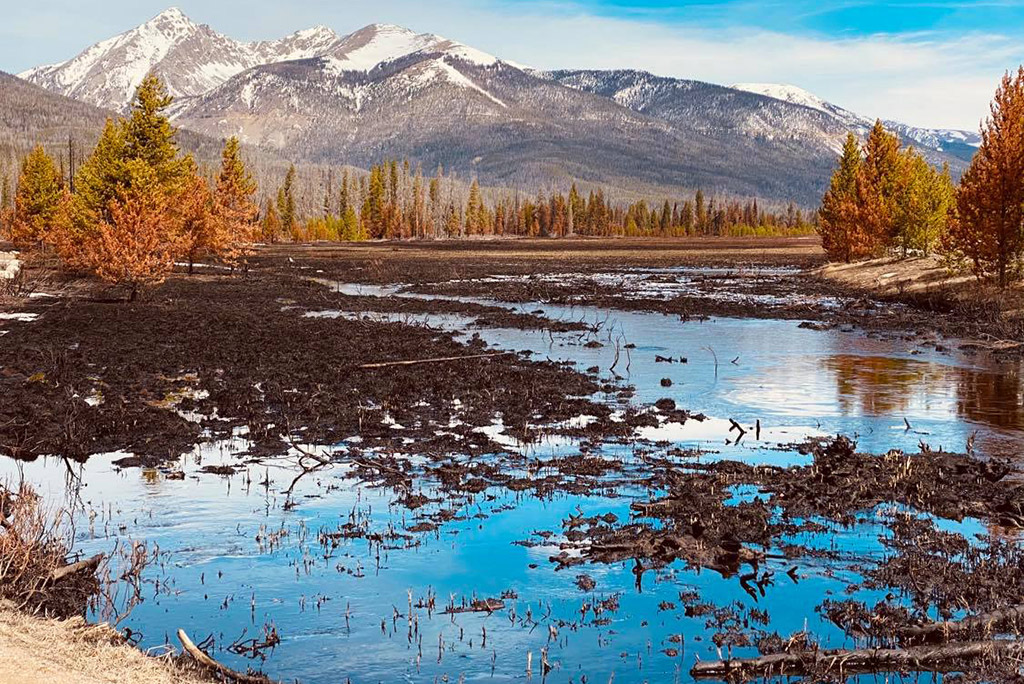
Glacier National Park, Montana
Glacier makes a notable change in 2026. The park is suspending its previous timed vehicle entry reservation system for private vehicles. Instead, Glacier is using dynamic traffic and parking management during peak periods.
What changes in 2026:
- No advance vehicle reservations are required to enter the park
- Park entrances may temporarily close when parking areas and roads reach capacity
- Access reopens once space becomes available
What may still require reservations:
- Shuttle bus tickets, if you plan to use the park’s shuttle system
- Certain guided tours or commercial services
What this means for road trippers:
- Entry is not guaranteed during busy summer days, even without a reservation system
- Arriving early in the morning or later in the afternoon improves your chances of smooth entry
- Peak summer traffic, especially around Going-to-the-Sun Road, can still cause delays or temporary closures
Road trip planning tips:
- Plan Glacier visits with flexible driving days
- Avoid tight schedules that depend on entering the park at a specific hour
- Consider staying nearby and entering early, especially in July and August
Glacier remains one of the most spectacular parks on a northern road trip route, but in 2026, timing and flexibility matter more than advance reservations.

Zion National Park, Utah
Zion National Park does not require reservations for general park entry in 2026, which is great news for road trippers. However, private vehicles are not allowed on the main Zion Canyon Scenic Drive for most of the year. Instead, visitors must use the mandatory Zion Canyon Shuttle, which operates seasonally. The good news is that no reservation is required to ride the shuttle, and no timed entry reservation is needed to enter the park.
What requires a reservation:
- Angels Landing Trail
A permit is required to hike the final chain-assisted section of Angels Landing. Permits are issued through a seasonal lottery system due to safety concerns.
How the permit system works:
- Permits are required year-round
- Applications are submitted in advance through a lottery
- A limited number of permits are released daily
What does not require a reservation:
- General park entry
- Zion Canyon Shuttle
- Other popular hikes, including The Narrows (subject to weather, water levels, and safety conditions)
Road trip planning tips:
- Plan on parking in Springdale or at the visitor center and using the shuttle to access Zion Canyon
- If Angels Landing is a priority, plan your trip dates around the permit lottery
- Zion pairs well with Bryce Canyon and other Utah parks, making it easy to adjust plans if permits are not secured
Zion is one of the most visited national parks in the US, but in 2026, reservations apply only to Angels Landing, not to park entry or shuttle access.

Haleakalā National Park, Hawaii
Haleakalā National Park does not require reservations for general park entry in 2026. However, sunrise access to the summit is strictly regulated and requires a reservation due to limited parking and heavy demand.
What requires a reservation:
- Haleakalā summit sunrise access
Reservations are required for vehicles entering the summit area during early morning hours to watch the sunrise.
How the system works:
- Reservations apply only during the sunrise hours
- Each reservation is valid for a specific date
- Spaces are very limited and often sell out quickly
What does not require a reservation:
- Visiting the park later in the day
- Sunset visits
- Hiking and sightseeing outside the sunrise window
Road trip planning tips:
- Sunrise reservations are ideal for travelers who prioritize photography and early-morning views
- Sunset at Haleakalā offers incredible scenery without any reservation requirement
- If sunrise permits are unavailable, planning a daytime or sunset visit is an excellent alternative
Haleakalā is a unique stop for travelers exploring Hawaii, but in 2026, reservations apply only to summit sunrise access—not to general park entry.

Acadia National Park, Maine
Acadia National Park does not require reservations for general park entry in 2026. However, access to one specific area is limited during the busy season.
What requires a reservation:
- Cadillac Mountain summit access
Reservations are required for vehicles driving to the summit of Cadillac Mountain during peak season. This applies to both sunrise and daytime entry, with sunrise slots being the most competitive.
When reservations are required:
- May 22 to October 27
- Sunrise reservations typically start as early as 3:30 AM, depending on the time of year
How the system works:
- Reservations are for a specific date and time window
- Sunrise and daytime access use separate reservation pools
- Once parking capacity is reached, access is restricted
What does not require a reservation:
- General park entry
- Hiking to Cadillac Mountain via trails
- Accessing other areas of Acadia, including Park Loop Road (outside any temporary traffic controls)
Road trip planning tips:
- Sunrise reservations sell out very quickly, especially in summer and fall
- Daytime summit reservations are easier to secure and still offer great views
- Acadia is often part of a New England road trip, so plan summit visits early in your itinerary to keep flexibility
Acadia’s reservation system is limited in scope, but Cadillac Mountain is a major highlight. In 2026, planning summit access ahead of time helps avoid disappointment while keeping the rest of your road trip flexible.

National Parks That Do Not Require Reservations in 2026 (But Often Cause Confusion)
Many travelers assume that all major US national parks require reservations, but that’s not the case. In 2026, most national parks still allow entry without advance reservations, even during peak season.
Some of the most commonly misunderstood parks include:
- Grand Canyon National Park
- Yellowstone National Park
- Grand Teton National Park
- Bryce Canyon National Park
- Joshua Tree National Park
- Death Valley National Park
- Canyonlands National Park
- Capitol Reef National Park
- Zion National Park
These parks may have entrance fees, campground reservations, or trail permits for specific hikes, but general park entry does not require a timed reservation.
For road trippers, this distinction matters. Not every park on a multi-state itinerary needs advance booking, but knowing which ones do helps you plan driving days, overnight stops, and entry times without unnecessary stress.

How Reservations Affect Road Trip Planning in 2026
Reservation systems change how you plan a road trip. They don’t just affect park entry. They also shape driving days, overnight stops, and how flexible your itinerary can be.
Timed entry windows may not line up with long driving distances. Arriving too early or too late can mean waiting hours or skipping a park entirely. This is especially challenging on multi-state routes where several parks are close together.
Reservations also limit spontaneity. You can no longer assume you’ll adjust plans based on weather, road conditions, or how tired you feel after a long drive. Popular parks often require decisions weeks or months in advance.
For road trippers, the biggest impact is timing. You may need to:
- plan shorter driving days
- choose lodging closer to park entrances
- schedule visits very early or late in the day
- build buffer days into your itinerary
In 2026, successful road trips rely less on last-minute decisions and more on realistic planning that accounts for reservation windows, peak hours, and seasonal rules.
Smart Road Trip Strategies to Avoid Reservation Stress
Reservation systems don’t have to ruin a road trip. With a few smart planning choices, you can still keep your itinerary flexible while visiting some of the most popular national parks in 2026.
One of the easiest strategies is early or late entry. Many parks only require reservations during mid-day hours. Entering early in the morning or later in the afternoon often allows access without a timed reservation and avoids crowds.
Shoulder season travel is another advantage. Visiting just before or after peak summer dates can mean fewer restrictions, better availability, and more comfortable temperatures.
Choosing the right overnight base also helps. Staying closer to park entrances reduces pressure to match long drives with narrow entry windows. In some parks, lodging or campground reservations may allow entry even when timed reservations are in place.
Flexibility matters. Avoid planning multiple reservation-based parks on consecutive days. Weather, traffic, or sold-out permits can easily force changes.
Finally, always double-check rules a few days before arrival. Reservation policies can shift during the season, and staying informed helps you adjust plans before problems arise.
With the right approach, reservation systems become part of the plan—not an obstacle—allowing you to enjoy a smoother and more relaxed road trip.

Common Reservation Mistakes Road Trippers Make
Even experienced travelers run into problems with national park reservations. Most issues come from small planning mistakes that are easy to avoid once you know what to watch for.
One common mistake is assuming an entrance pass replaces a reservation. An annual pass covers fees, but it does not guarantee entry during timed reservation periods.
Another issue is mixing up reservation types. Some parks limit vehicle entry. Others restrict specific roads, hikes, or sunrise access. Booking the wrong permit can still leave you locked out.
Many road trippers also underestimate driving time. Long distances, traffic, and roadwork can cause late arrivals, which may fall outside your entry window.
Ignoring time zones is another frequent problem, especially on cross-country routes. Reservation times follow the park’s local time, not your starting location.
Finally, travelers often plan too many reservation-based parks back-to-back. This removes flexibility and makes the itinerary stressful if one plan falls through.
Avoiding these mistakes helps keep your road trip realistic, flexible, and enjoyable—even in parks with strict reservation systems.
Final Thoughts
US National Parks Requiring Reservations are now a normal part of trip planning, especially during peak travel seasons. In 2026, these systems don’t limit road trips—but they do require better timing and realistic expectations. Knowing which parks use reservations, what type of access is restricted, and when those rules apply helps you avoid surprises at entrance gates.
The key is balance. Plan carefully for parks that require reservations, but keep flexibility elsewhere in your itinerary. Combine early starts with relaxed driving days, and avoid stacking too many restricted parks back-to-back.
With thoughtful planning, you can still enjoy iconic landscapes, cross multiple states, and keep the freedom that makes road trips special. Reservations are simply another planning tool—and when used well, they support a smoother and more enjoyable 2026 road trip.
Do You Like It? Pin It For Later!
