15 Best Things to Do in Great Sand Dunes National Park – Top Activities & Adventures
The Great Sand Dunes National Park in southern Colorado is unlike any other place in the United States. Towering dunes rise dramatically against the backdrop of the Sangre de Cristo Mountains, creating a landscape that feels both otherworldly and awe-inspiring. It’s home to the tallest dunes in North America, a seasonal creek that turns the desert into a beach, and one of the darkest night skies you’ll ever experience. In this guide, we share the 15 best things to do in Great Sand Dunes National Park — from thrilling outdoor activities to peaceful scenic moments.
This article may contain affiliate / compensated links. For full information, please see our disclaimer here.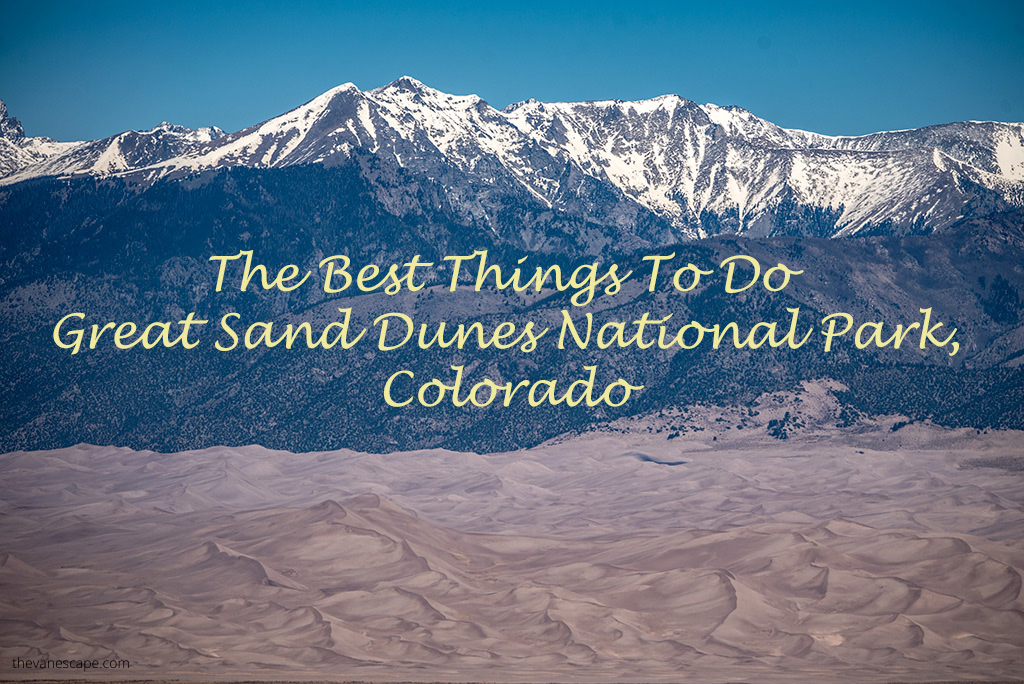
Quick Great Sand Dunes Facts & Visitor Basics
Chris and I explored this park during one of our Colorado road trips, and we were amazed by how diverse it is. You can climb the dunes, splash in Medano Creek, try sandboarding, hike to waterfalls, or simply sit and watch the sunset paint the dunes gold. Whether you stay for a few hours or a full weekend, this park offers an unforgettable adventure.
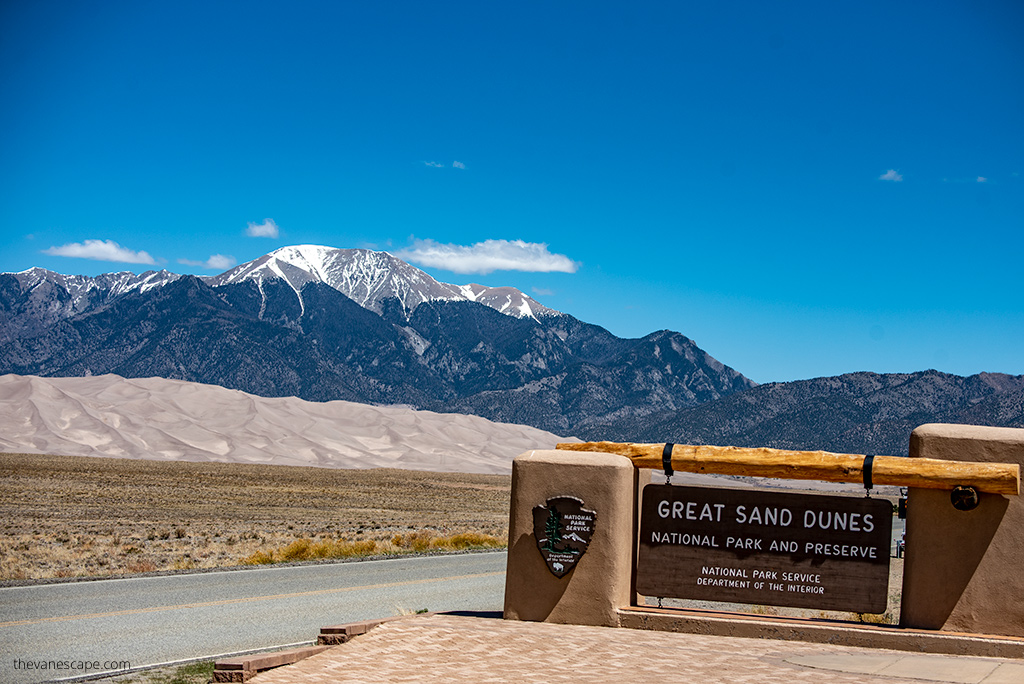
Before you start exploring, it’s good to know a few key details about Great Sand Dunes National Park and Preserve. This unique destination lies on the eastern edge of the San Luis Valley in south-central Colorado, about 35 miles north of Alamosa and roughly 2 hours 45 minutes from Colorado Springs.
The park protects more than 149,000 acres of dunes, grasslands, wetlands, and alpine forests. The tallest dunes reach 750 feet (229 m), framed by 13,000- and 14,000-foot peaks. It’s truly one of the most dramatic contrasts of landscapes you’ll find anywhere in the West.
- Entrance Fees: Access to the park costs $25 per vehicle, valid for 7 days. The fee is waived if you hold an America the Beautiful pass.
- Hours: The park and preserve are open 24 hours a day, year-round. The visitor center usually operates from 9 a.m. to 4:30 p.m.
- Best Time to Visit: Late May through early June is ideal when Medano Creek flows at its peak, creating a shallow stream at the base of the dunes. Early morning and evening hours are best for hiking to avoid hot sand temperatures that can soar above 150°F (66°C) on sunny days.
- Nearest Services: The area is remote—gas stations, restaurants, and lodging are found in Mosca, Fort Garland, or Alamosa. Fill your gas tank and stock up on supplies before entering the park.
Great Sand Dunes National Park feels like true desert terrain. The sand gets hot, and summer temperatures can rise quickly. We’ve explored many deserts across the Southwest, including Coral Pink Sand Dunes, White Sands, Death Valley, or Joshua Tree. Each one offers a completely different landscape and experience. What they all have in common is unpredictable weather. Conditions can shift from extreme heat to surprisingly cool temperatures.
Even if you plan only a short stop at Great Sand Dunes, come prepared. Carry plenty of water, wear sunscreen and sunglasses, and protect your feet from the hot sand. Elevation here ranges from about 8,000 to over 13,000 feet, so pace yourself. Thin air and soft sand can turn a simple walk into a real workout.
The 15 Best Things to Do in Great Sand Dunes National Park
This article focuses on the very best things to do in Great Sand Dunes National Park — the top experiences that make this park unforgettable. You don’t need to do everything on the list. Instead, pick the activities that match your travel style, fitness level, and the weather during your visit.
If you’re short on time, choose a few highlights like walking across the dunes, splashing in Medano Creek, or hiking to Zapata Falls nearby. If you’re staying longer, you can add sandboarding, stargazing, or a 4WD drive across the Medano Pass Primitive Road.
This guide is based on our firsthand experience exploring the park, so you’ll find real, practical tips for each activity.
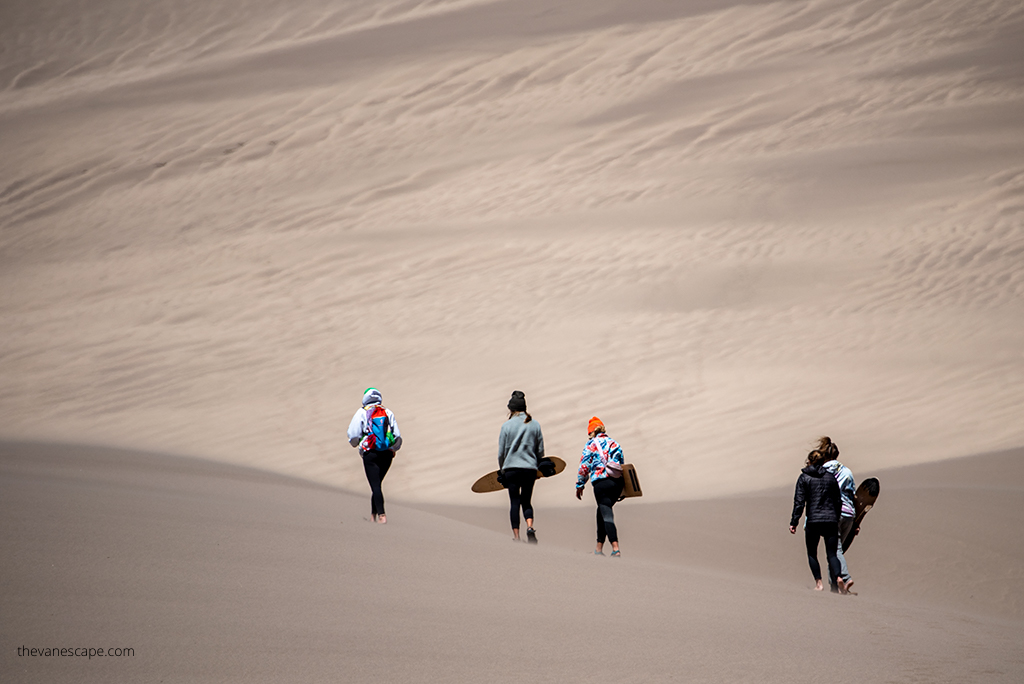
1. Walk Among the Dunes – Accessing the Dune Field
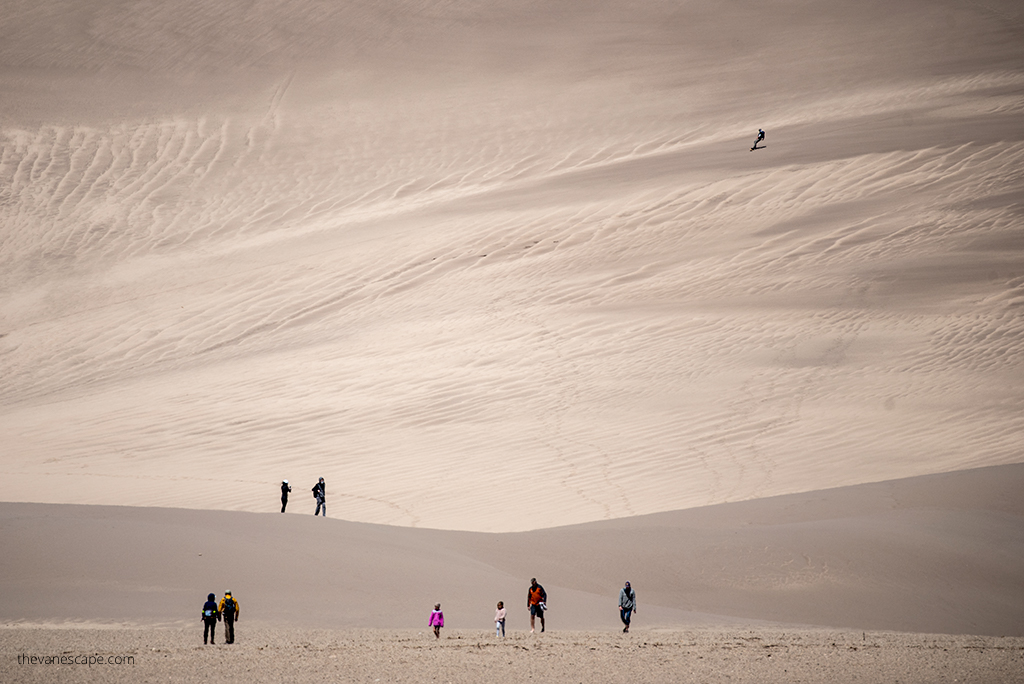
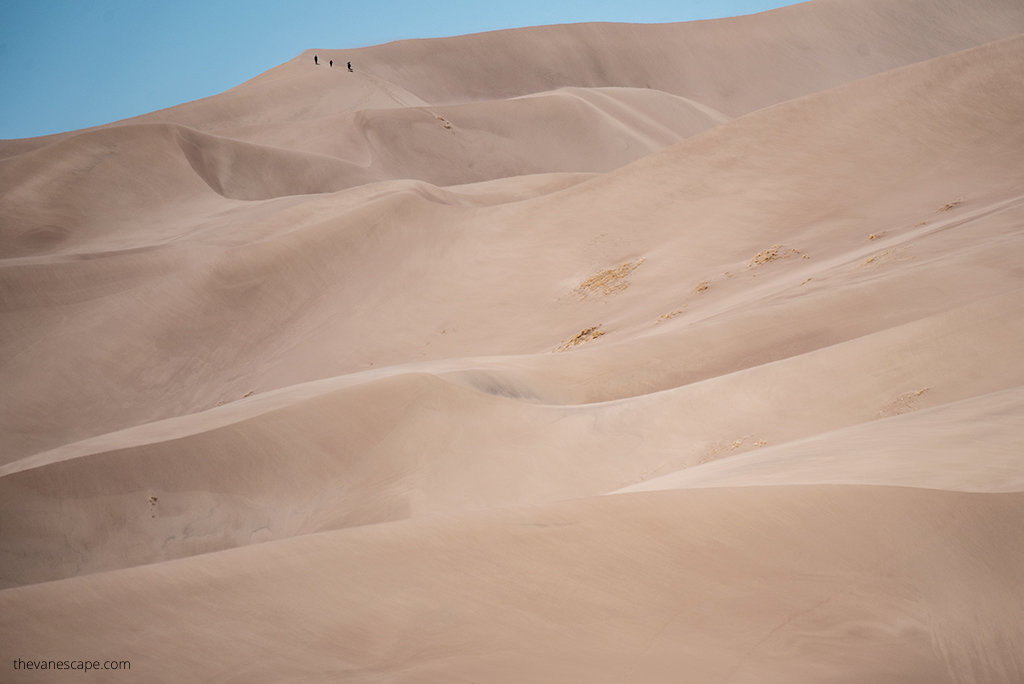
The first thing you’ll want to do at Great Sand Dunes National Park is simply walk among the dunes. It’s a magical experience — endless rolling sand surrounded by the rugged peaks of the Sangre de Cristo Mountains.
There are no marked trails, so you can wander freely and explore at your own pace. From the main Dunes Parking Lot, it’s a short 0.7-mile walk to reach the first ridge of sand. Depending on the season, you might have to cross Medano Creek to get there.
Walking in sand is harder than it looks. Every step sinks deep, and the wind constantly reshapes the terrain. Still, it’s worth the effort. The view from even a small dune feels otherworldly.
Bring plenty of water, sunscreen, sunglasses, and a hat. Avoid visiting at midday in summer when the sand surface can reach 150°F (66°C).
Agnes’ Advice: Visit early in the morning or late afternoon. The light is softer, temperatures are cooler, and the colors of the dunes shift beautifully with the sun. It’s peaceful, photogenic, and one of the most unforgettable walks in Colorado.


2. Hike to High Dune – Best First Ridge View
If you’re short on time but still want a rewarding climb, High Dune is the perfect goal. It’s the most popular hike in Great Sand Dunes National Park, offering a panoramic view across the entire dune field.
High Dune stands about 699 feet (198 meters) tall, but hiking it feels tougher than it sounds. The deep sand makes every step a workout, and the higher you go, the softer it gets. Expect the round trip to take two to three hours, depending on your pace and fitness level.
To reach it, start from the Dunes Parking Lot and head northwest toward the tallest ridge in sight. There’s no trail, but you can easily follow footprints and ridgelines leading upward. From the top, you’ll see the entire sea of sand stretching toward the Sangre de Cristo Mountains — one of Colorado’s most incredible views.
Take frequent breaks, drink water often, and rest when needed. You’ll gain about 700 feet of elevation, and the altitude can make breathing harder.
Agnes’ Advice: Start early in the morning before the wind picks up. Bring a buff or scarf for sand protection, and don’t rush — half the joy is stopping along the way to admire the constantly changing light and shapes of the dunes.
3. Summit Star Dune – Tallest Dune in North America
If you’re up for a real challenge, hike to the Star Dune, the tallest dune in North America. It rises about 750 feet (229 meters) from base to summit and rewards hikers with one of the most stunning views in the park.
Unlike High Dune, there’s no marked trail. You’ll be hiking entirely on sand, choosing your own route. From the Dunes Parking Lot, follow the Medano Creek bed south for about 2 miles (3.2 km) until the large pyramid-shaped Star Dune appears ahead. Then climb its ridge all the way to the top.
It’s a strenuous trek — expect about 6 hours round trip through deep sand and shifting slopes. The best time to hike is early morning when the sand is still cool, or evening when the low light paints the dunes in gold and pink.
Standing at the summit, you’ll see endless waves of sand backed by the snowcapped Sangre de Cristo Mountains — it’s one of Colorado’s most unforgettable views.
Agnes’ Advice: Bring at least 3–4 liters of water per person, electrolyte drinks, and snacks. Wear long sleeves and sunglasses for wind protection. Take it slow — the climb is hard but worth every step once you reach the top.

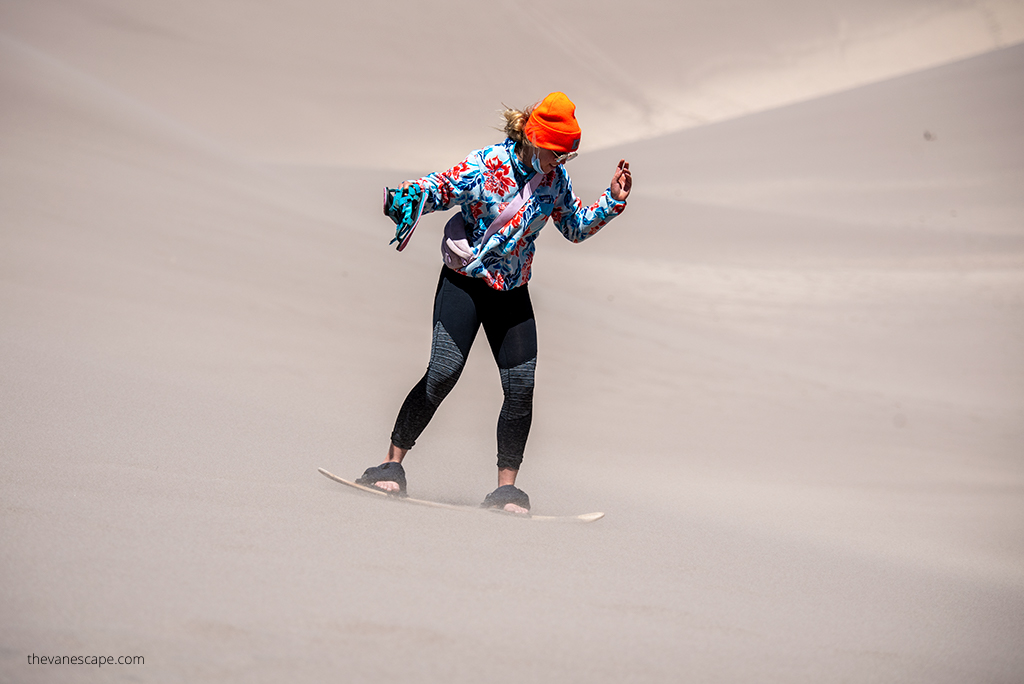
4. Sandboard & Sled Down the Dunes
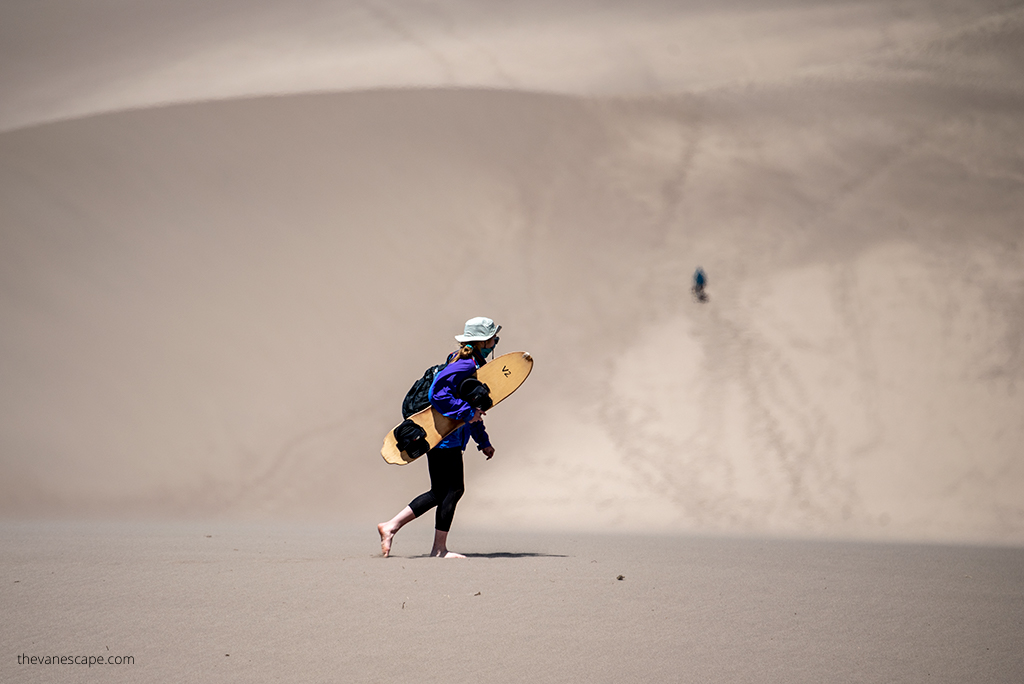
Sliding down the dunes is one of the most fun and unique things to do in Great Sand Dunes National Park. Whether you choose a sandboard or a sand sled, it’s pure joy — like snowboarding, but on warm, golden slopes.
You can’t rent gear inside the park, but several nearby shops offer proper sandboards and sleds made for this terrain. The most popular spots are Kristi Mountain Sports in Alamosa and the Oasis Store, located just outside the park entrance. Regular snow sleds or snowboards don’t work — the sand is too dry.
Start with smaller dunes near the parking area if you’re new to it. Once you get the hang of it, move to steeper slopes for faster runs. Wax the board before every ride for a smooth glide, and remember to wear sunglasses — the sand reflects light intensely.
The best times for sandboarding are early morning or late afternoon when the surface is cooler. In summer, the sand can get extremely hot by midday, sometimes over 140°F (60°C).
Agnes’ Advice: Bring water, sunscreen, and patience — climbing back up the dunes after each ride is part of the workout! But the laughter, photos, and thrill are worth it. It’s one of those Colorado experiences you’ll never forget.
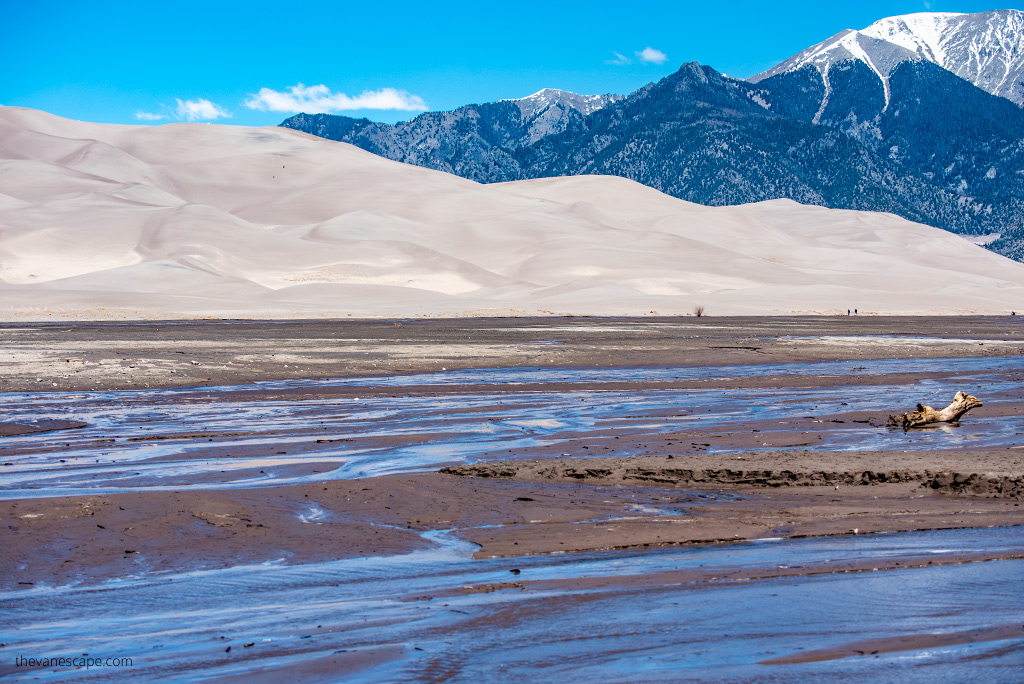
5. Splash in Medano Creek – Seasonal Natural “Beach”
When snow melts from the Sangre de Cristo Mountains, the shallow Medano Creek flows across the base of the dunes, creating one of the most unique natural beaches in the U.S. It’s a favorite spot for families, kids, and photographers.
The creek usually appears from late April through early July, with peak flow in May and June. During these months, you can wade, splash, and even skimboard in the cool mountain water while surrounded by desert-like sand and alpine peaks.
The creek is only a few inches deep, but its water pulses in waves — a rare natural phenomenon caused by shifting sand under the surface. On warm days, it’s the perfect place to relax, picnic, or build sandcastles.
There are restrooms and picnic tables near the main Dunes Parking Lot, and the creek flows right beside it.
Agnes’ Advice: Bring sandals or water shoes, a towel, and a change of clothes. The water is cold, but the contrast between sun-heated sand and cool creek is refreshing.
6. Photograph the Changing Dunes at Dawn or Dusk
The dunes are beautiful any time of day, but sunrise and sunset are when they truly come alive. The low light creates deep shadows and soft golden tones that shift from pink to orange and red. Every ridge and ripple looks different as the sun moves across the sky.
Morning is calm and quiet, with cooler temperatures and fewer visitors. It’s the best time for wide shots with long shadows stretching across the sand. Sunset brings warmer light, perfect for dramatic photos of glowing dunes backed by the dark silhouette of the Sangre de Cristo Mountains.
If you’re into photography, bring a tripod for low-light shots and protect your camera from blowing sand. Wind is common, especially in the afternoon.
Even without professional gear, the dunes are one of the most photogenic landscapes in Colorado — every step reveals a new pattern, texture, or color.
Agnes’ Advice: My favorite time is about 30 minutes after sunrise or before sunset. The light is still soft, the dunes glow, and the crowds are gone. If you stay after sunset, you can even catch the first stars appearing over the mountains — pure magic.
7. Admire the Alpine Peaks & Ecosystems Around the Dune Field
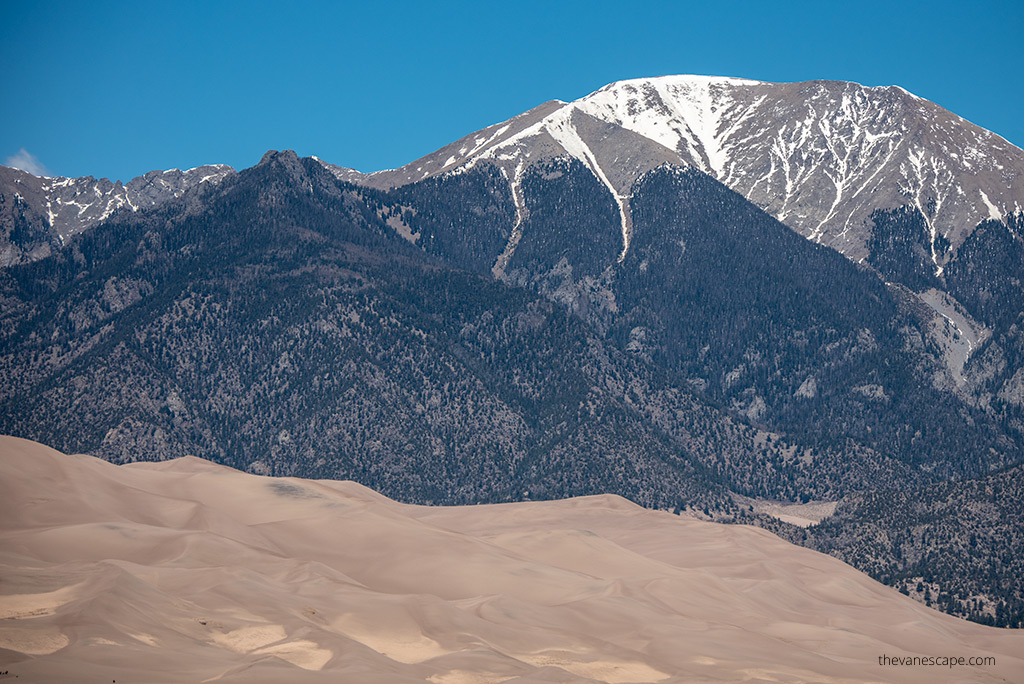
The dunes may steal the spotlight, but the park’s surroundings are just as breathtaking. Great Sand Dunes National Park and Preserve sits at the base of the Sangre de Cristo Mountains, creating a stunning contrast between golden sand and rugged alpine peaks.
Look up from the dunes and you’ll see summits like Blanca Peak (14,345 ft) and Little Bear Peak (14,037 ft) — both part of Colorado’s famous “Fourteeners.” These mountains form a dramatic backdrop and feed the creeks that shape the dunes.
As you explore, you’ll also notice how quickly the landscape changes. Within just a few miles, the environment shifts from sandy desert to grasslands, wetlands, and pine forests. Mule deer, pronghorns, and even black bears roam these ecosystems, while eagles and hawks circle high above.
You don’t need to climb the mountains to enjoy the views — even from the Dunes Parking Area or Montville Nature Trail, the combination of sand and snow-capped peaks is stunning.
Agnes’ Advice: Take time to look beyond the dunes. The best light for mountain photos is in the late afternoon, when the sun hits the peaks. If you visit in spring, you’ll see snow still glittering on the summits while the sand below glows in the sun — it’s a spectacular contrast you won’t forget.
8. Stargaze Under the Dark Sky – International Dark Sky Park
Once the sun sets, Great Sand Dunes National Park transforms into one of the best stargazing spots in the United States. Far from city lights, it’s officially recognized as an International Dark Sky Park. On clear nights, you can see thousands of stars, the Milky Way, and even meteor showers.
The air here is crisp and dry, and the high elevation (over 8,000 feet) gives exceptional visibility. You don’t need any special equipment — just bring a blanket, warm clothes, and let your eyes adjust to the darkness for 20–30 minutes.
If you have binoculars or a small telescope, you’ll see incredible detail in constellations and planets. The park sometimes hosts ranger-led night programs that include telescope viewing and storytelling under the stars.
Agnes’ Advice: Stay late if you can. Summer nights are warm and comfortable, and stargazing right from the dunes is unforgettable. Avoid using flashlights or phone screens — instead, use a red-light headlamp to protect your night vision. The silence, the stars, and the sand beneath your feet create a truly peaceful experience.
9. Camp at Piñon Flats Campground or Backcountry in the Dunes
Spending a night in Great Sand Dunes National Park is an unforgettable experience. When the day visitors leave, silence takes over, and the stars light up the sky. The main campground, Piñon Flats, is located just a mile from the main dune field. It’s open from April 1 to October 31 and offers 86 sites for tents and small RVs.
Each campsite has picnic tables, fire rings, and access to restrooms and drinking water. Reservations are required and can be made through Recreation.gov — spots fill quickly, especially in summer.
If you crave solitude and adventure, you can also camp right on the dunes with a backcountry permit. Backpacking into the dune field allows you to fall asleep under the Milky Way and wake up to the sound of the wind shaping the sand. There are no designated campsites — you simply hike at least 1.5 miles from the main day-use area and set up camp on the open dunes.
Agnes’ Advice: Pack light but be prepared — nights can be cold even in summer. Bring extra layers, a sturdy tent, and stakes designed for sand. For a peaceful experience, plan your backcountry trip during the shoulder seasons (May–June or September). Watching the sunrise from your tent on the dunes is a moment you’ll remember forever.
10. Drive the Primitive 4WD Medano Pass Primitive Road
If you’re looking for a real off-road adventure, take the Medano Pass Primitive Road — one of Colorado’s most scenic and challenging 4WD routes. This rough 22-mile road connects the Great Sand Dunes with Wet Mountain Valley and Colorado Highway 69, crossing the Medano Creek nine times along the way.
The route passes through deep sand, forests, and alpine meadows, offering incredible views of the dunes and the Sangre de Cristo Mountains. It’s open only in warmer months (typically late May through October) and is suitable only for high-clearance 4WD vehicles. Passenger cars or 2WD SUVs will get stuck easily in the soft sand.
Before starting the drive, check road conditions with rangers at the visitor center and air down your tires to around 20 psi for better traction. You’ll find primitive campsites along the road — perfect for those who love remote wilderness settings.
Agnes’ Advice: This drive is for confident off-road drivers only. Always travel with recovery gear, enough fuel, and plenty of water. The Medano Pass Road offers a rare chance to combine sand, forest, and mountain landscapes in one epic drive — but respect the road, and it’ll reward you with unforgettable views and solitude.
11. Hike to Nearby Waterfall – Zapata Falls
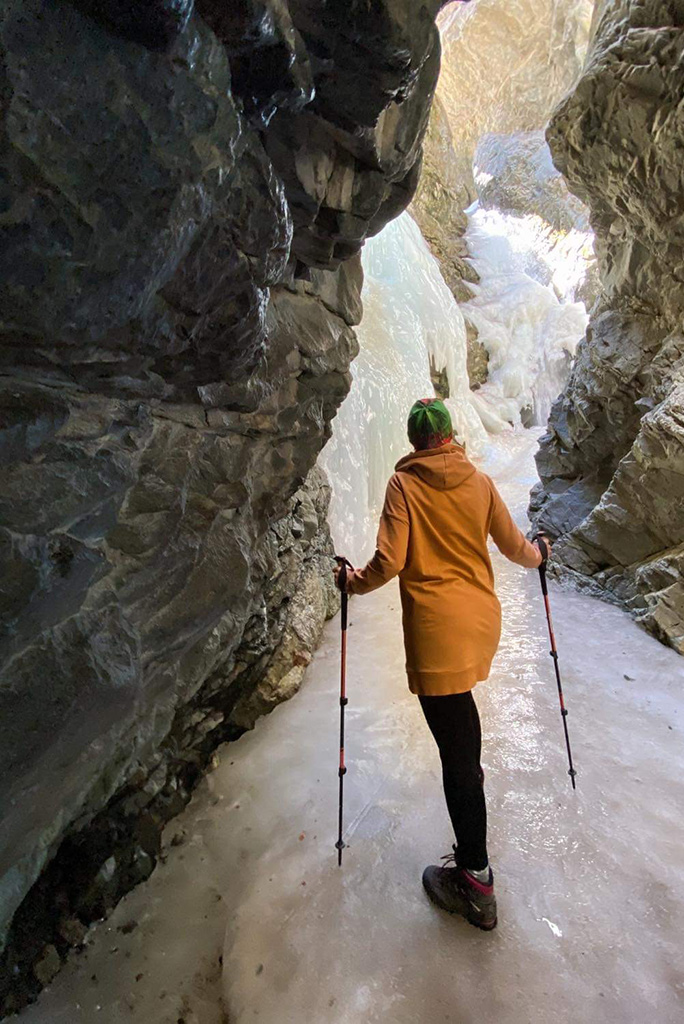
Just a short drive from the park, Zapata Falls is one of the best side trips from Great Sand Dunes National Park. This hidden waterfall is located about 8 miles south of the Visitor Center, off Highway 150. The road to the trailhead is rough and steep in places, so take it slow — a high-clearance vehicle is helpful, though not always required in good weather.
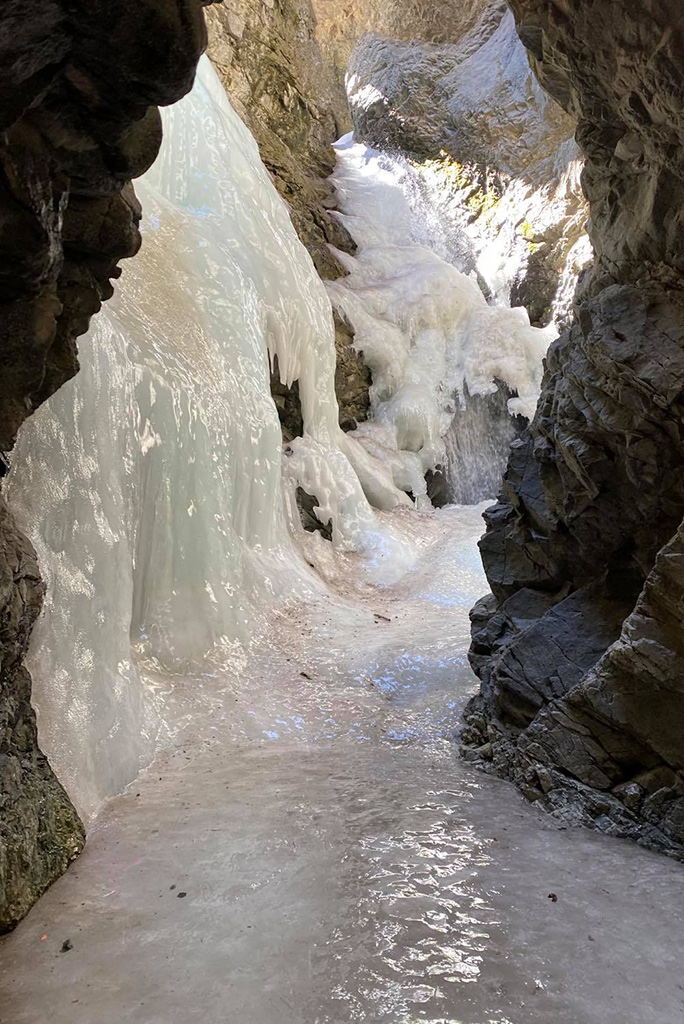
The hike itself is short but exciting — about 0.5 miles one way. You’ll walk through a rocky canyon and wade into a narrow crevasse where a 30-foot waterfall cascades into a small pool. During late spring and early summer, melting snow makes the water icy cold and fast, while in winter, the falls freeze into an incredible sculpture of ice.
It’s an easy but memorable adventure, especially if you’re visiting with kids or want a refreshing stop after hiking the dunes.
Agnes’ Advice: Bring water shoes or sturdy sandals with good grip — you’ll need to walk through the stream to reach the falls. If you visit in spring, go early before the crowds. The view from the road to the trailhead is worth a stop, too — you’ll see the entire dune field stretching across the San Luis Valley below.
12. Join Free Ranger Programs & Discover Park Geology
To truly understand the Great Sand Dunes, join one of the free ranger-led programs offered by the National Park Service. These educational sessions reveal how wind, water, and time shaped this extraordinary landscape — home to the tallest dunes in North America.
Depending on the season, rangers lead guided hikes, evening talks, junior ranger programs. Families love the Junior Ranger program, where kids complete fun activities to earn a badge. Evening programs at the amphitheater near Piñon Flats Campground are especially popular — you’ll hear fascinating stories about the park’s wildlife, ecosystems, and history.
You can check the current schedule at the Visitor Center or the official park website. Programs are seasonal and often depend on weather conditions.
Agnes’ Advice: Don’t skip the ranger talks — we always learn something new. Rangers share insights about shifting dunes, migrating cranes, and even rare creatures like the kangaroo rat that survives without ever drinking water. It’s the best way to deepen your appreciation for this incredible park.
13. Wildlife & Bird-Watching in the San Luis Valley
The Great Sand Dunes region isn’t just about the dunes — it’s also a paradise for wildlife lovers. The mix of wetlands, grasslands, and alpine forests supports a surprising variety of animals and birds. Keep your eyes open for mule deer, pronghorns, elk, and black bears, especially early in the morning or near dusk.
Bird-watchers can spot hundreds of species throughout the year. Raptors like golden eagles and red-tailed hawks soar above the dunes, while the wetlands attract herons, owls, and migratory birds.
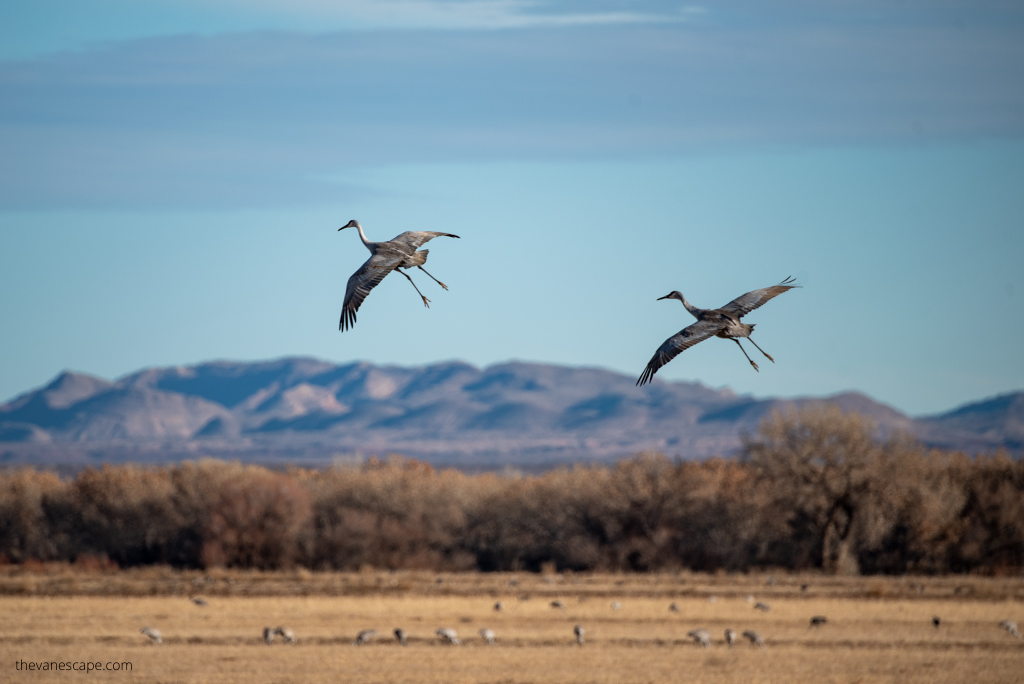
One of the most spectacular events happens each spring and fall when thousands of sandhill cranes stop in the San Luis Valley during their migration. You can watch this incredible natural show at Monte Vista National Wildlife Refuge, just an hour’s drive from the park. If you enjoy watching sandhill cranes, consider adding Bosque del Apache National Wildlife Refuge to your Southwest road trip.
Agnes’ Advice: Bring binoculars or a zoom lens, especially if you visit between late February and early April or again in October for the crane migration. The best time for wildlife spotting in the park itself is around sunrise and sunset when animals are most active and the dunes glow in warm light.
14. Picnic, Relax, and Play – Great for Families
If you’re visiting with kids or just want to slow down, Great Sand Dunes National Park is the perfect place to relax and have fun. Spread out a blanket near Medano Creek in late spring, build sandcastles, or cool off in the shallow water — it’s often called Colorado’s natural beach.
There are picnic tables and shaded areas near the Dunes Parking Lot and Visitor Center, making it easy to take a break between exploring. Families can spend hours here simply walking barefoot in the sand, spotting animal tracks, or watching the sunset paint the dunes in gold and pink.
You can also find quieter spots by driving a short distance down Medano Pass Road for a more private picnic surrounded by desert and mountain views.
Agnes’ Advice: Bring a picnic lunch, plenty of water, and a lightweight blanket. The sand can get very hot, so mornings and late afternoons are the best times to relax comfortably. If you’re traveling with kids, bring sand toys or a Frisbee — they’ll love the open space and soft sand.
15. Combine with Nearby Attractions & Longer-Stay Ideas
If you have extra time, the area around Great Sand Dunes offers plenty more to explore. Within a short drive, you’ll find scenic spots, charming small towns, and other hidden gems worth adding to your itinerary.
Start with Zapata Falls, just 8 miles south of the park — a short hike leads to an icy waterfall tucked in a rocky crevasse. Then drive to Alamosa, the region’s main hub, where you can enjoy local restaurants, visit museums, and restock supplies. From Alamosa, it’s easy to reach the Monte Vista National Wildlife Refuge, famous for the spring and fall sandhill crane migrations.
If you love hot springs, head to Joyful Journey Hot Springs Spa in Moffat or Sand Dunes Recreation Hot Springs near Hooper for a perfect post-hike soak. And if you’re on a Colorado road trip, consider adding Mesa Verde National Park, Black Canyon of the Gunnison, or Pagosa Springs to your route — all within a few scenic hours’ drive.
Agnes’ Advice: Don’t rush your visit. Stay overnight in Alamosa or at the Piñon Flats Campground to enjoy the dunes at sunrise and sunset — when they’re at their most peaceful. This region of Colorado may look remote, but it’s full of surprises, from glowing dunes to hidden waterfalls and star-filled skies.
Final Thoughts – Experience the Magic of the Great Sand Dunes
The Great Sand Dunes National Park is unlike anywhere else in the United States. Towering dunes meet snow-capped mountains, creating a landscape that feels both otherworldly and deeply peaceful. Whether you’re hiking to the top of Star Dune, sledding down the soft slopes, or stargazing under one of the darkest skies in America, this park promises an unforgettable experience.
Pick the attractions and activities that match your travel style, fitness level, and the season of your visit. Summer brings splashing fun in Medano Creek, while spring and fall are perfect for hiking and sandboarding. If you’re visiting in winter, the dunes covered in snow are a photographer’s dream.
Above all, take your time. Walk barefoot in the sand, feel the wind, and listen to the silence. The Great Sand Dunes are more than just a place to see — they’re a place to feel.
My favorite experiences here are walking the dunes at sunrise, sand sledding in the afternoon light. No matter how many times you visit, the dunes always look different. Each visit reminds us how beautiful and ever-changing nature can be.
For more ideas and travel tips, visit our Colorado destination guide built from our own experiences.
Do You Like It? Pin It For Later!