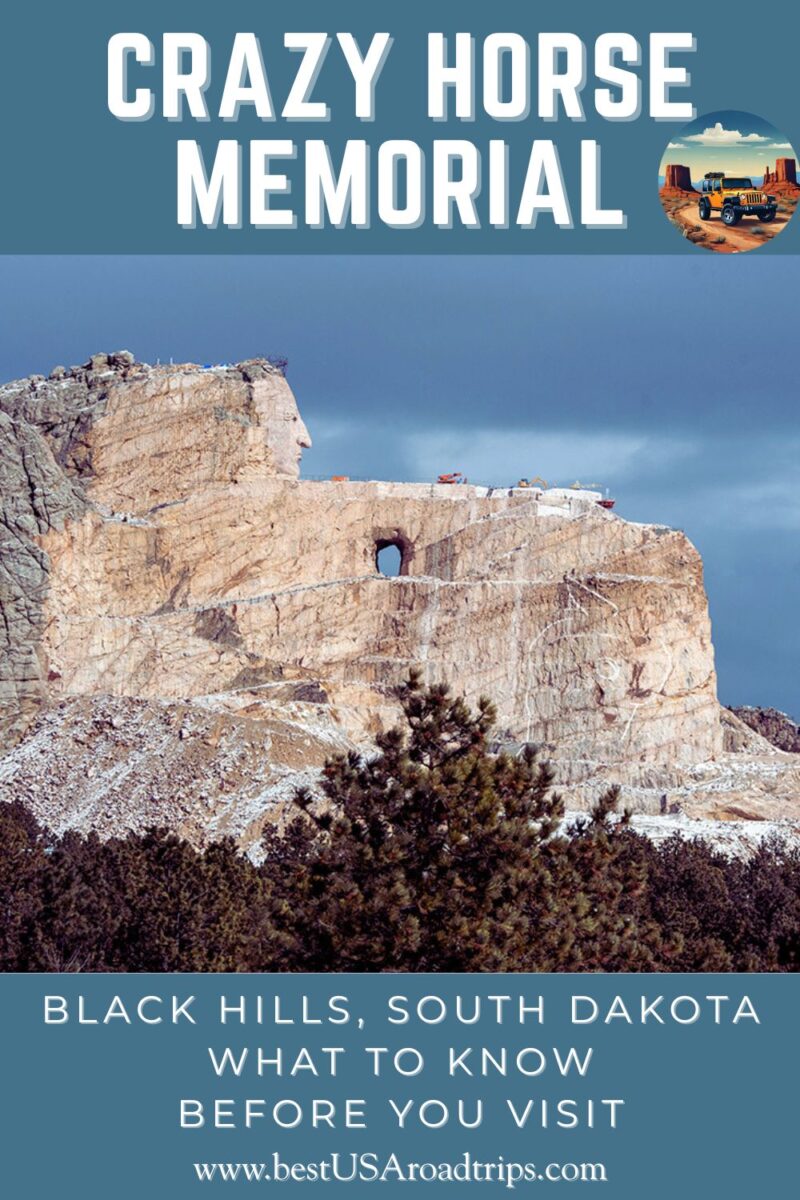
Complete Guide to Crazy Horse Memorial, South Dakota: History, Travel Tips, and What to Expect
Rising from the granite heart of the Black Hills, the Crazy Horse Memorial is one of America’s most remarkable works in progress. This colossal mountain carving honors the legendary Oglala Lakota leader Crazy Horse and stands as a lasting tribute to Native American heritage, culture, and pride. It’s still far from completion, yet already awe-inspiring in scale and spirit — a monument not only to one man but to an entire people’s story. We explored this incredible site and were deeply moved by its history and meaning. In this guide, we share everything you need to know before visiting — the story behind the monument, practical travel tips, what to expect during your visit, and whether it’s worth your time.
This article may contain affiliate / compensated links. For full information, please see our disclaimer here.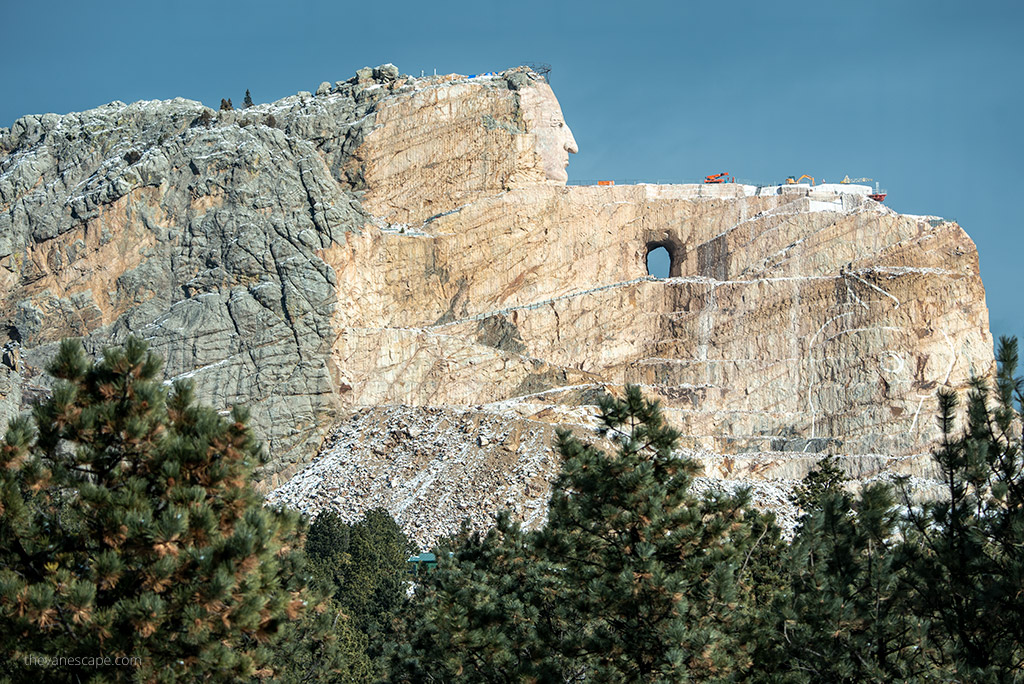
Why Crazy Horse Memorial Deserves a Spot on Your South Dakota Road Trip
When Chris and I planned our first road trip through South Dakota, we had no idea how much the Black Hills had to offer. Like most travelers, Mount Rushmore and Badlands were at the top of our list.
But during lunch at a small diner in Wall, a local asked, “Have you seen Crazy Horse yet?” We hadn’t even heard of it.
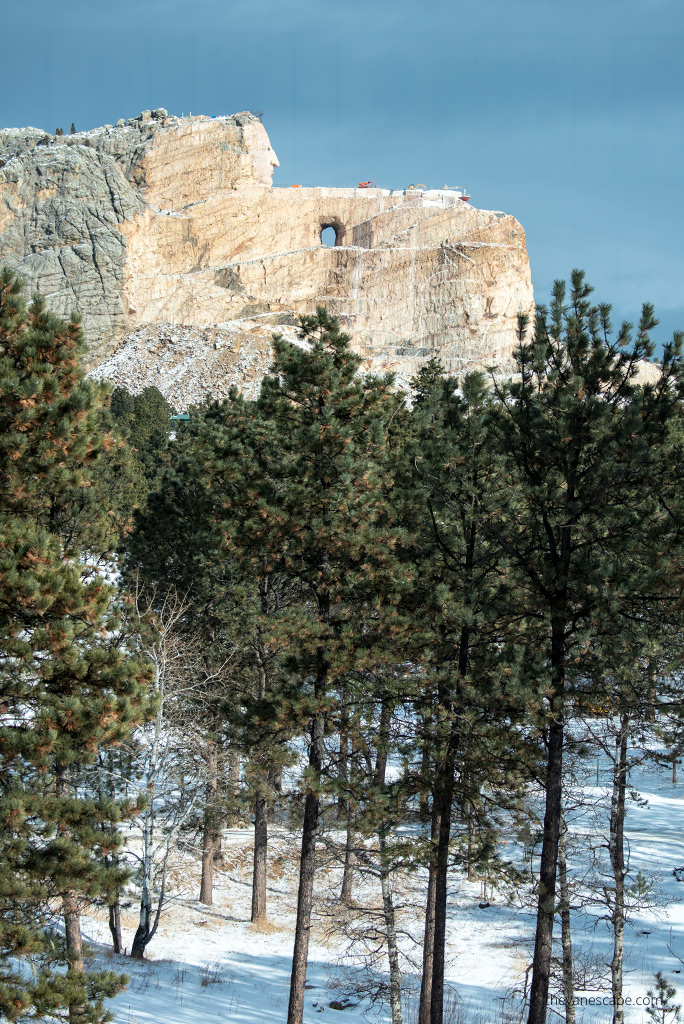
A few days later, on our way to Deadwood, we stood at the base of Thunderhead Mountain, staring up at the enormous carving slowly taking shape. The scale left us speechless, but it was the story behind it that truly moved us — a project begun in 1948 to honor Native peoples, still continuing today through dedication and private effort.
Seeing the monument firsthand gave us a deeper understanding of the Black Hills’ layered history and spirit.
If you’re planning a South Dakota road trip, set aside a few hours for Crazy Horse Memorial. It’s not just another roadside stop — it’s a living work of art that connects past and present, culture and landscape, in a way few places can.
What Is the Crazy Horse Memorial?
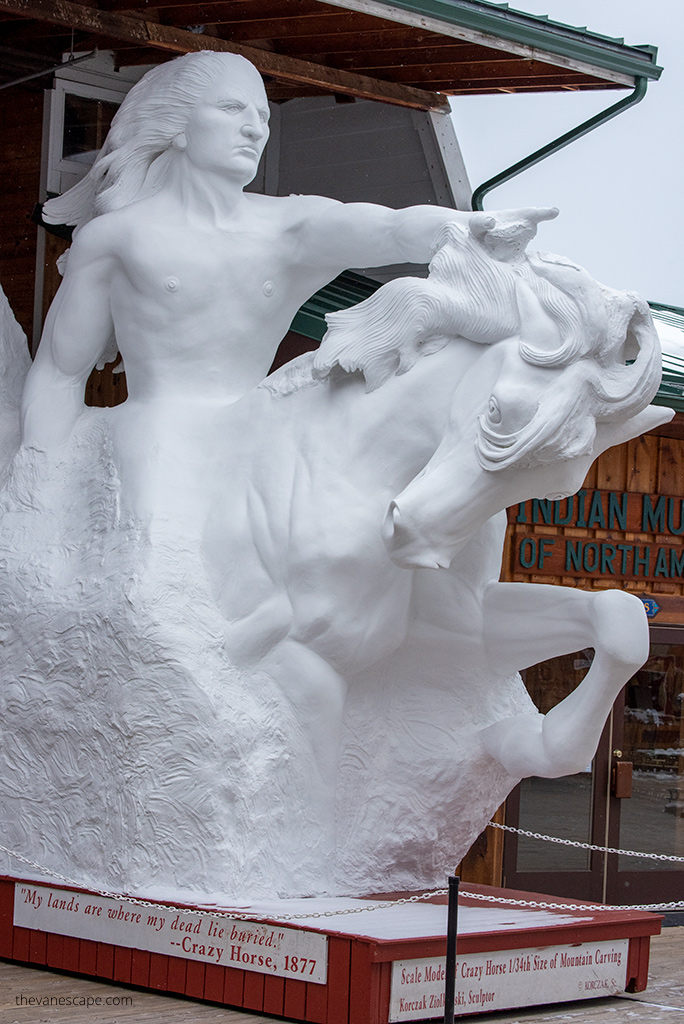
The Crazy Horse Memorial is the world’s largest mountain carving still in progress — a monumental tribute to the Lakota leader Crazy Horse and to all Native American peoples. It stands on Thunderhead Mountain in the Black Hills of South Dakota, about 17 miles southwest of Mount Rushmore.
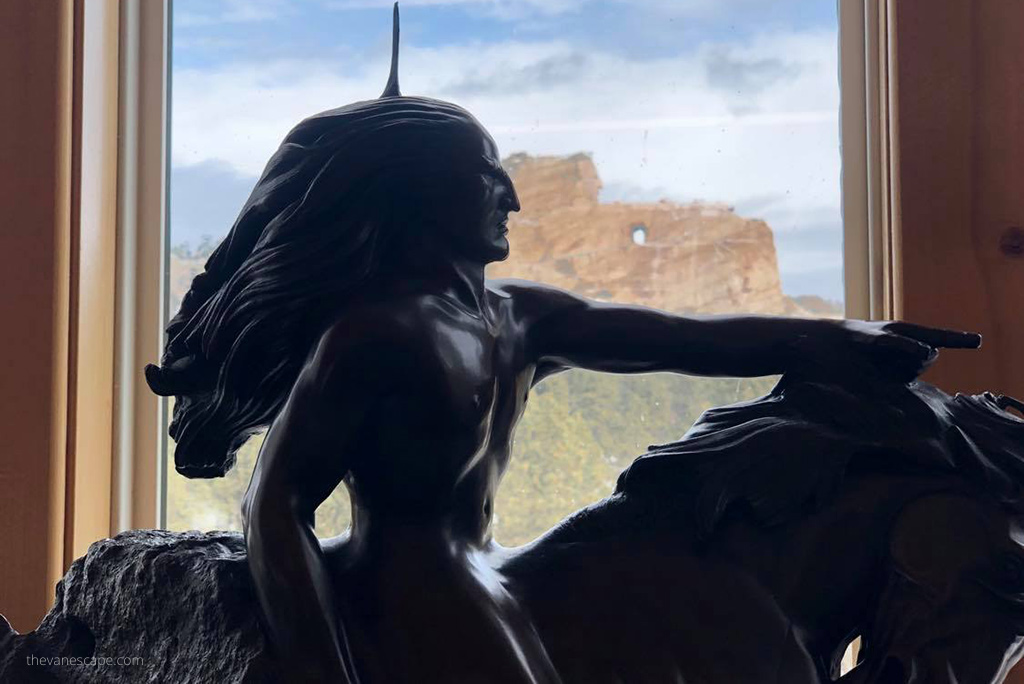
The project began in 1948 with a single blast of dynamite and has continued ever since, driven entirely by private funding and donations. When finished, the sculpture will depict Chief Crazy Horse on horseback, pointing into the distance — a gesture symbolizing his words, “My lands are where my dead lie buried.”
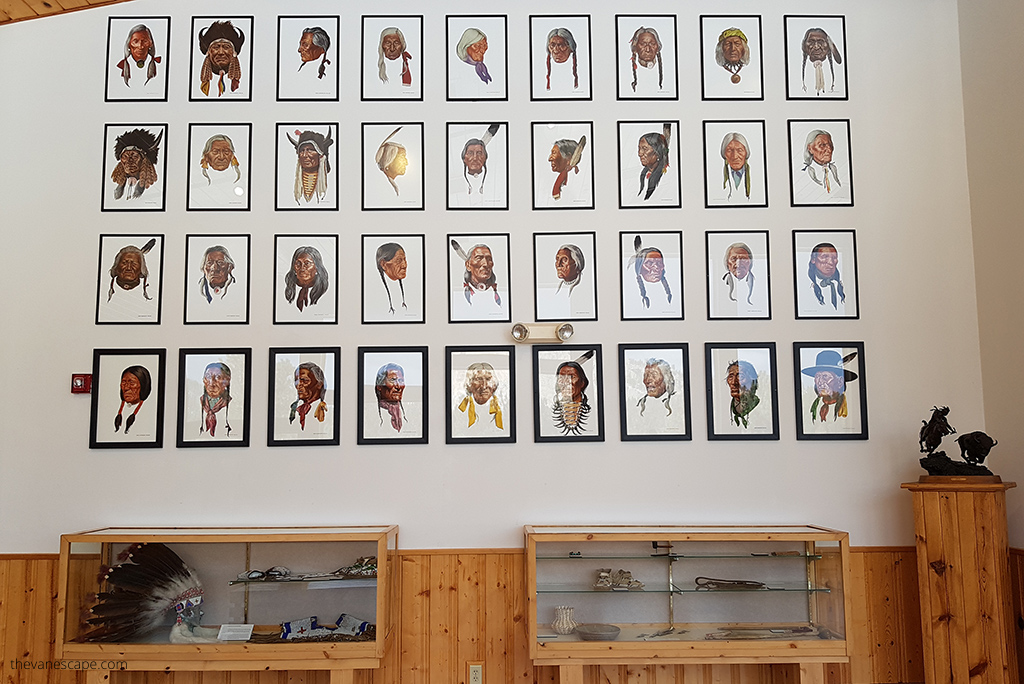
Unlike most monuments, Crazy Horse is more than a work of art. It’s a cultural and educational center, home to the Indian Museum of North America and the Native American Educational & Cultural Center. Visitors can explore exhibits, see the ongoing progress of the carving, and learn about the traditions and history of Indigenous peoples across North America.
Even though the monument remains unfinished, its sheer size and purpose make it one of the most powerful and meaningful landmarks in the United States.
Who Was Chief Crazy Horse?
Chief Crazy Horse was a legendary war leader of the Oglala Lakota and one of the most respected figures in Native American history. Born around 1840 near the Black Hills, he became known for his courage, humility, and deep dedication to protecting his people’s land and way of life.
Crazy Horse led his warriors in several major conflicts during the Great Sioux War, including the 1866 Fetterman Fight and the 1876 Battle of the Little Bighorn, where his leadership helped defeat General George Custer’s troops. He fought not for fame or power but to preserve the Lakota homeland and traditions as U.S. forces pushed westward.
In 1877, after years of resistance, Crazy Horse surrendered to U.S. troops under General Crook, believing it was the only way to protect his people. Later that year, he was fatally wounded by a soldier while in custody at Fort Robinson, Nebraska. Crazy Horse was also known as: Ta-Sunko-Witko.
Today, he is remembered not only as a warrior but as a symbol of strength, dignity, and resistance. The Crazy Horse Memorial honors his legacy and stands as a reminder of the enduring spirit of the Lakota Nation.
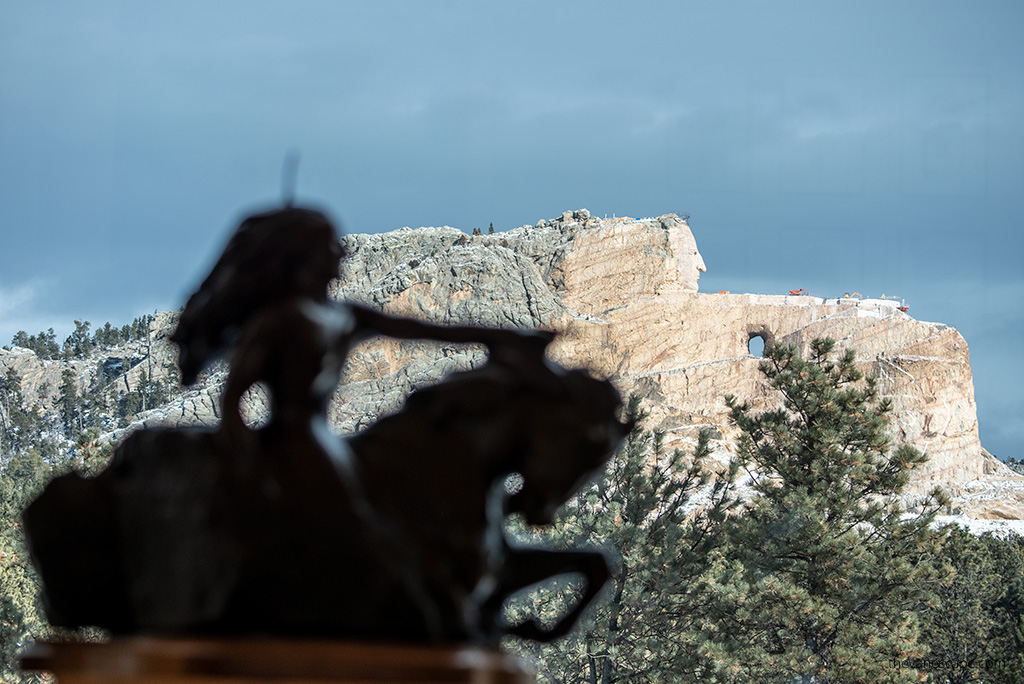
The History of the Crazy Horse Project
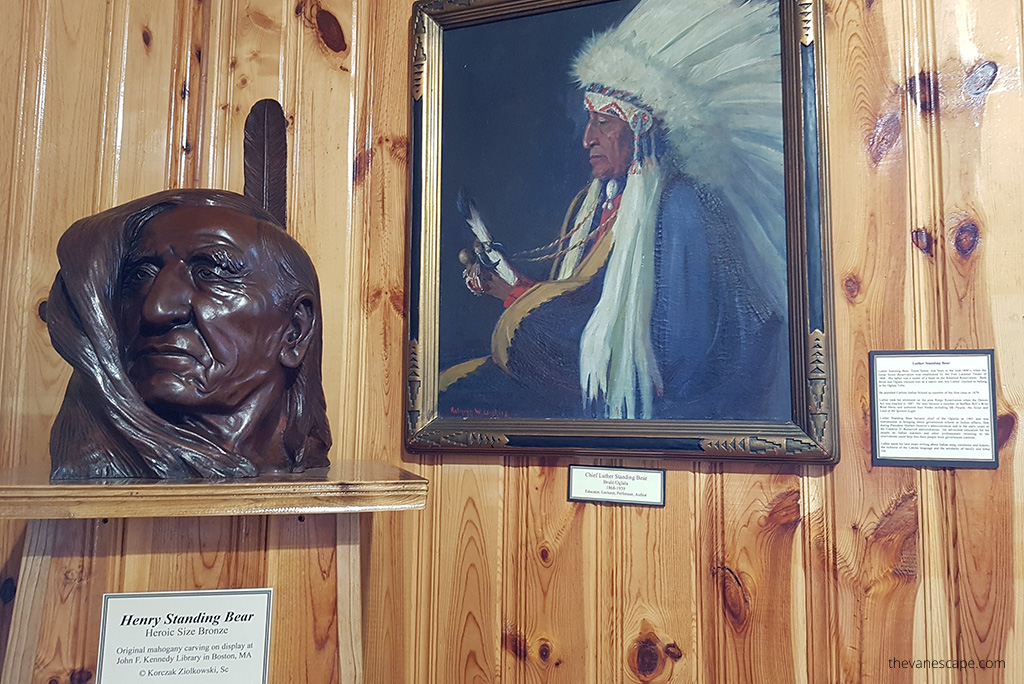
The idea for the Crazy Horse Memorial began with Henry Standing Bear, a respected Oglala Lakota chief who wanted to create a monument honoring his people and their great leader. He believed that just as Mount Rushmore celebrated U.S. presidents, the Lakota should have a tribute to their own hero. In the late 1930s, Standing Bear began searching for the right sculptor and the right mountain.
In 1939, he reached out to Korczak Ziolkowski, a Polish-American sculptor who had worked briefly on Mount Rushmore. Standing Bear’s letter invited him to carve Crazy Horse “to show that the red man has great heroes, too.” Ziolkowski accepted.
When Korczak arrived in the Black Hills in 1946, there were no roads, power lines, or running water. He cleared land by hand and began planning the enormous sculpture on Thunderhead Mountain. On June 3, 1948, before a crowd of spectators and Lakota elders, the first blast of rock marked the beginning of the project.
Korczak devoted the rest of his life to the carving, refusing federal funding to ensure the project stayed true to its original purpose. After his death in 1982, his wife Ruth and several of their ten children continued the work through the non-profit Crazy Horse Memorial Foundation.
The project remains privately funded through visitor admissions and donations. The Ziolkowski family and the foundation continue to oversee both the mountain carving and the site’s educational mission, including the Indian Museum of North America and the Native American Educational & Cultural Center.
Although the sculpture is far from completion, the spirit behind it — one of respect, perseverance, and cultural pride — remains stronger than ever.
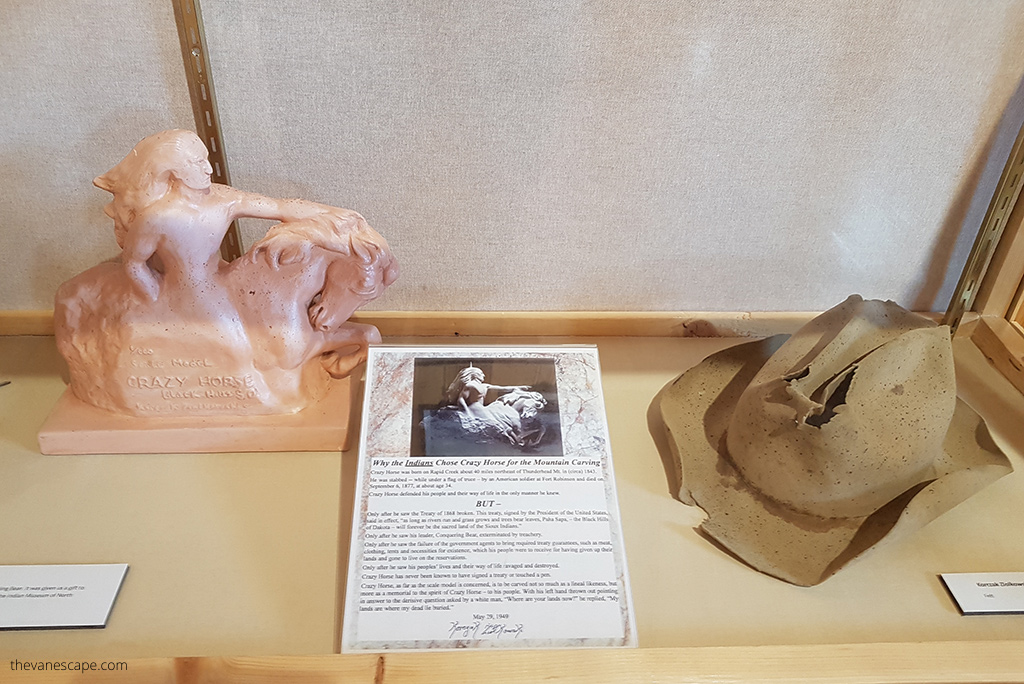
Crazy Horse Monument in Numbers
Even though the Crazy Horse Memorial remains unfinished, the scale of the project is astonishing. It’s already one of the largest and most ambitious sculptures ever attempted — a true marvel of art, engineering, and dedication.
Here are some impressive facts and figures:
- Construction began: June 3, 1948
- Planned height: 563 feet (172 meters)
- Planned length: 641 feet (195 meters)
- Crazy Horse’s head: 87 feet (27 meters) high — to compare, each presidential head at Mount Rushmore is 60 feet (18 meters) tall
- Crazy Horse’s eyes: 17 feet (5 meters) wide
- The arm of Crazy Horse: 263 feet (80 meters) long
- Thunderhead Mountain elevation: 6,532 feet (1,990 meters), the 27th highest peak in South Dakota
When finished, the Crazy Horse sculpture will be almost ten times larger than Mount Rushmore and eight feet taller than the Washington Monument, making it the second tallest statue in the world after India’s Statue of Unity.
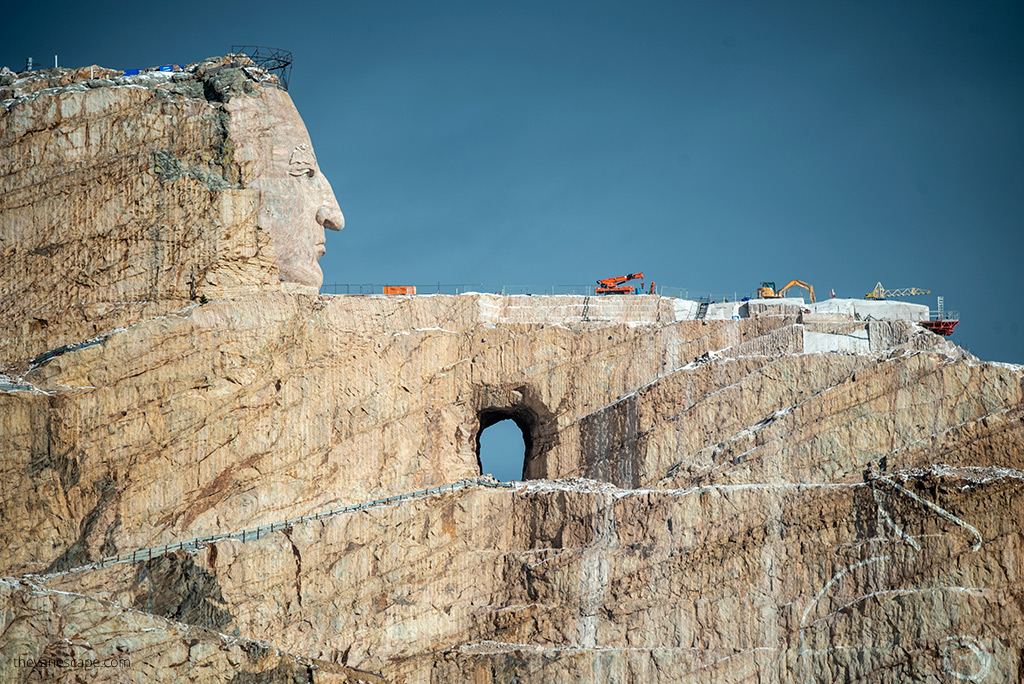
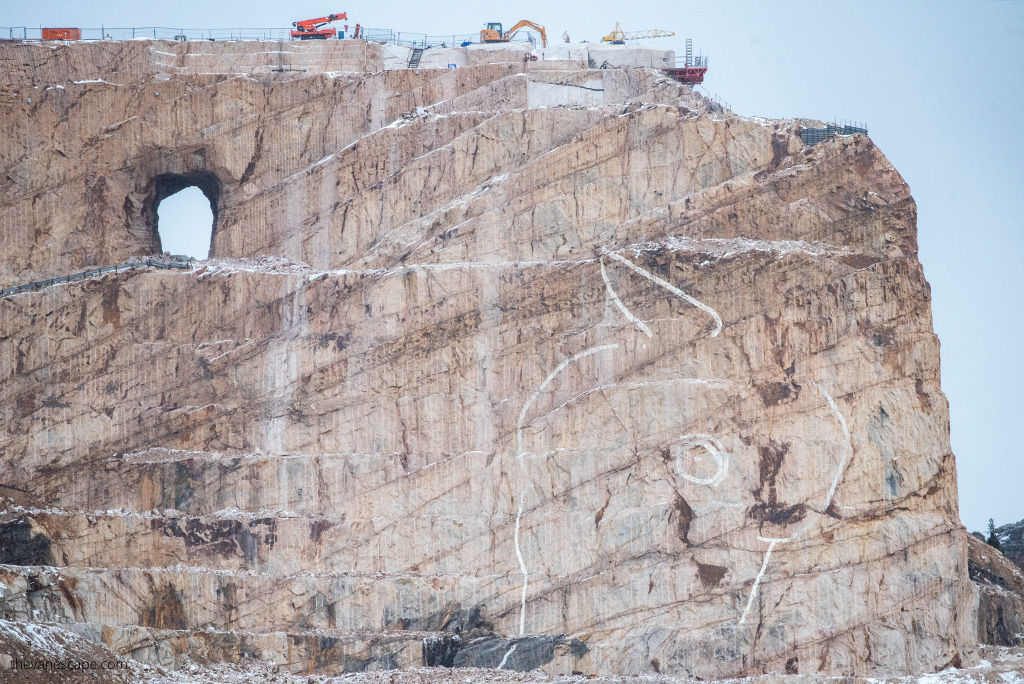
Only the face of Crazy Horse has been completed so far — dedicated in 1998, fifty years after the first blast — but work continues steadily each year. These numbers show just how monumental this vision truly is.
Visiting Crazy Horse Memorial – Hours, Tickets, and Tours
The Crazy Horse Memorial is open year-round and welcomes visitors every day except for major holidays. It’s much more than a viewing point — your admission supports the non-profit foundation and helps fund the continuation of the carving and its educational programs.
Admission includes:
- Access to the Indian Museum of North America
- Entry to the Native American Educational & Cultural Center
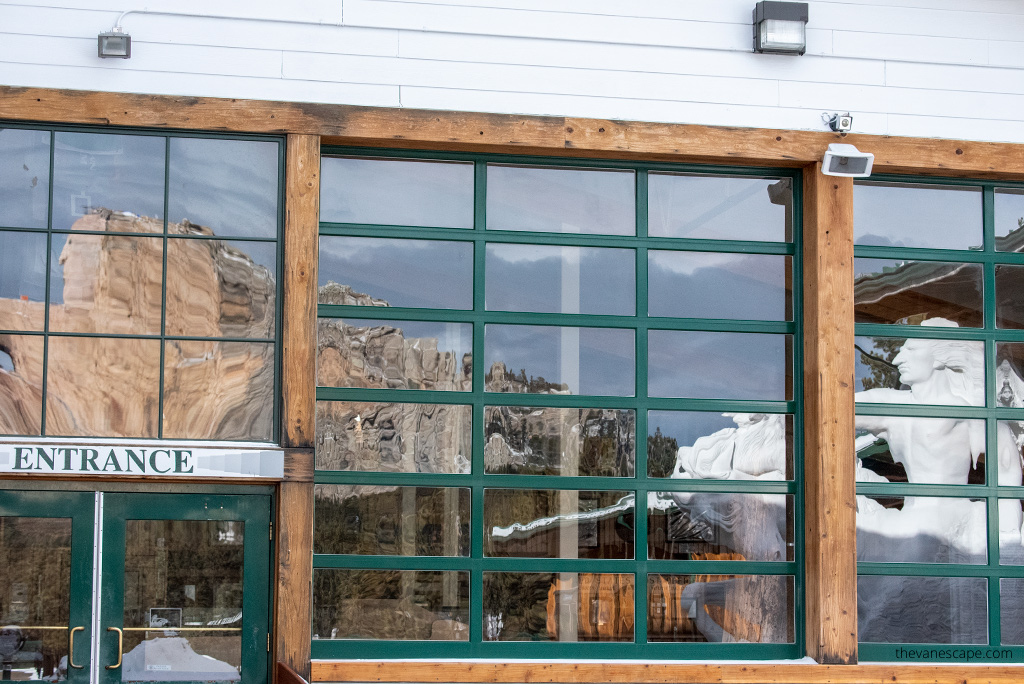
- Viewing of the sculpture from the veranda and the wall of windows
- An introductory film about the monument’s creation
- Daily cultural programs and seasonal laser light shows
Typical hours (subject to change):
- Spring (March–May): 8 a.m.–7 p.m.
- Summer (May–September): 8 a.m.–after the nightly laser show
- Fall (September–October): 8 a.m.–8 p.m.
- Winter (November–March): 8 a.m.–5 p.m.
Check the official website for the latest seasonal hours before your visit.
Admission prices (2026)
- $35 per vehicle (three or more people)
- $30 per vehicle (two people)
- $15 per person (single visitor)
- $10 per motorcycle, bicycle, or pedestrian
Additional experiences
- Bus to Base Tour: $4 per person. A 25-minute round-trip ride brings you closer to the mountain for better views and photos.
- Van Ride to the Top: $125 per person (donation-based). This guided van takes you to the mountain’s summit, where you can stand face-to-face with Crazy Horse’s carved head — available seasonally, weather permitting.
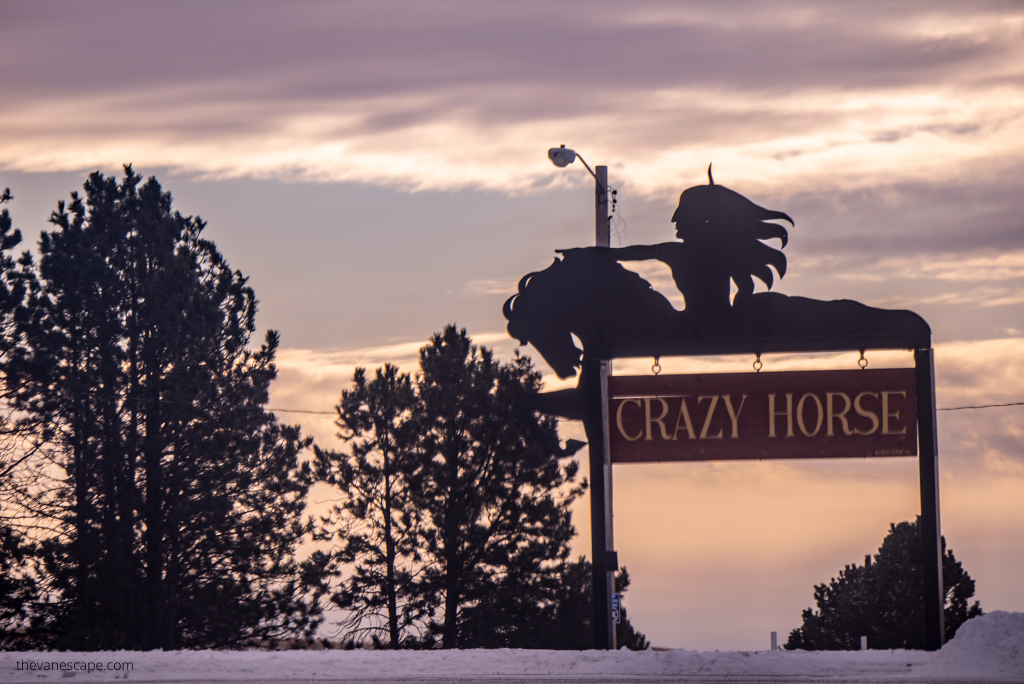
Most visitors spend about two to four hours at the site. Plan to watch the short film first, explore the museum and cultural center, then enjoy the outdoor viewpoints. If you visit in the evening, stay for the Legends in Light Laser Show, which projects colorful animations and stories onto the mountain — a spectacular finale to the day.
Highlights Not to Miss
A visit to the Crazy Horse Memorial is much more than viewing an unfinished carving — it’s a deep cultural and educational experience. Set aside time to explore the site’s museums, exhibits, and programs that bring Native American history to life.
Indian Museum of North America
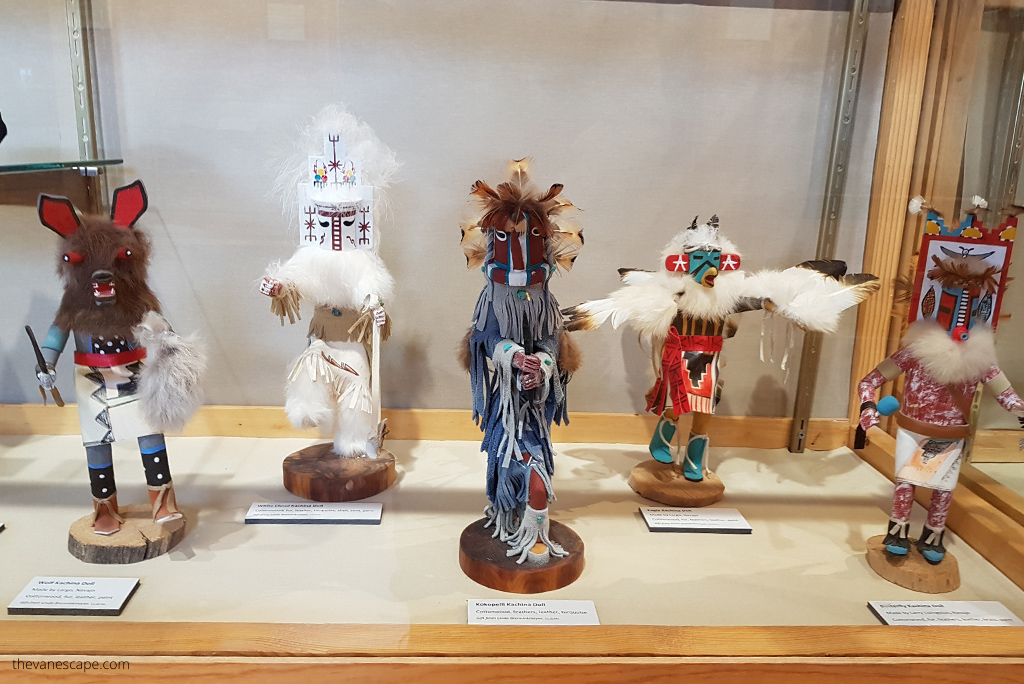
This fascinating museum holds one of the most extensive collections of Native American art and artifacts in the United States. You’ll find traditional clothing, beadwork, carvings, and paintings representing tribes from across North America. The exhibits are designed to celebrate living cultures, not just preserve the past.
Native American Educational & Cultural Center
Here, visitors can meet Native artists, watch live demonstrations, and participate in daily programs that highlight tribal traditions, music, and storytelling. During summer, cultural performances often take place in the outdoor courtyard.
Korczak’s Studio and Home
Inside the memorial complex, you can tour the original home and workshop of sculptor Korczak Ziolkowski. The displays show his tools, models, and the early plans for the monument — offering a glimpse into his dedication and life’s work.
Viewing Deck and Veranda
From the large viewing platform, you’ll have a perfect perspective of the mountain and the carving in progress. On clear days, you can even spot individual workers on the face of the sculpture. Bring binoculars or a zoom lens for better detail.
Legends in Light Laser Show
If you visit during summer, stay until dusk for the nightly laser show. The mountain becomes a massive screen for colorful images, animations, and stories about Native American history and culture. The show is included in admission and runs from late May through early October.
Each part of the memorial adds depth to your visit — blending art, history, and culture into an unforgettable experience that goes far beyond the monument itself.
Will the Crazy Horse Memorial Ever Be Finished?
That’s the question almost every visitor asks — and the honest answer is that no one knows. The Crazy Horse Memorial has been under construction since 1948, and progress has always depended on private donations, ticket sales, and the dedication of those who continue Korczak Ziolkowski’s vision.
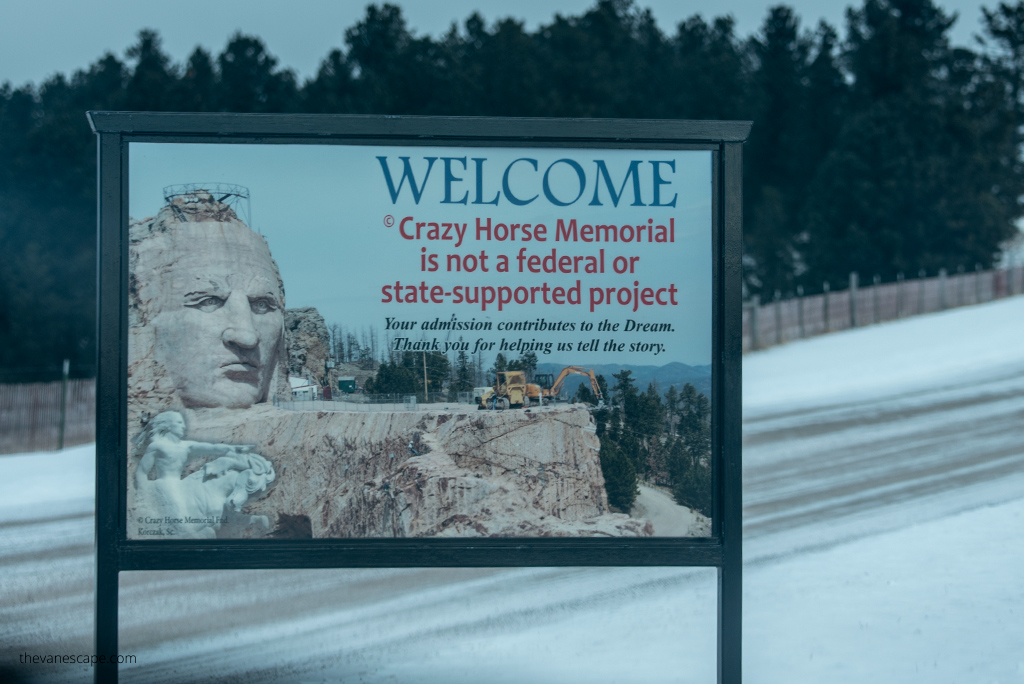
The project is privately funded and receives no federal or state support. This independence was a deliberate choice made by both Chief Henry Standing Bear and Korczak, who believed the monument should remain true to its purpose — honoring Native people, not political agendas. Because of this, the pace of work has always been slower, but the integrity of the mission remains intact.
The face of Crazy Horse was completed and unveiled in 1998 on the 50th anniversary of the first blast. Since then, work has focused on the horse’s head and the extended arm, both massive undertakings that require careful engineering and safety planning.
It’s a living project that continues to educate, inspire, and preserve Native American culture. Every visit, every donation, and every story shared helps keep that mission alive.
Directions and How to Get There
The Crazy Horse Memorial is located in the beautiful Black Hills of southwestern South Dakota, about 17 miles southwest of Mount Rushmore and 38 miles from Rapid City. The drive itself is scenic, winding through forested hills, granite outcrops, and open meadows filled with wildlife.
Driving directions
- From Mount Rushmore: Take Highway 244 west to U.S. 16/385 south toward Custer.
- From Rapid City: Follow U.S. 16 to Hill City, then continue on U.S. 385 south for about 9 miles.
- From Deadwood or Lead: Take U.S. 385 south through Hill City and follow signs for Crazy Horse Memorial.
- From Custer: Drive 4 miles north on U.S. 16/385 (Crazy Horse Memorial Highway).
Address:
12151 Avenue of the Chiefs, Crazy Horse, SD 57730
There’s a large, easily accessible parking area at the entrance. RVs and trailers are welcome, and staff members guide vehicles during busy summer months.
If you’re planning a South Dakota road trip loop that includes Mount Rushmore, Custer State Park, and Wind Cave National Park, the Crazy Horse Memorial fits perfectly in between those stops — making it an ideal half-day visit on your Black Hills itinerary.


Where to Stay Near Crazy Horse Memorial
The Crazy Horse Memorial is close to several charming Black Hills towns, offering plenty of lodging options for every travel style and budget. Staying nearby allows you to explore more of the area — including Mount Rushmore, Custer State Park, and Wind Cave National Park — without long drives each day.
Custer
The town of Custer is just 4 miles from the Crazy Horse Memorial, making it the most convenient base for your visit. You’ll find cozy inns, cabins, and local restaurants surrounded by pine-covered hills. We recommend:
- Bavarian Inn Black Hills – A peaceful lodge with a pool, breakfast café, and European charm.
- Best Western Buffalo Ridge Inn – Comfortable, family-friendly, and close to Custer’s downtown dining options.
Hill City
About 10 miles north of the memorial, Hill City offers a small-town atmosphere with art galleries, wineries, and easy access to both Crazy Horse and Mount Rushmore.
- Comfort Inn & Suites Near Mt. Rushmore – Modern, convenient, and great for road trippers.
- Lodge at Palmer Gulch – A scenic campground and cabin resort with amenities for families.
Rapid City
Roughly 38 miles away, Rapid City is the region’s hub and a good option if you prefer a wider selection of hotels and restaurants. We’ve stayed here several times during our South Dakota trips and enjoyed the city’s vibrant downtown and easy access to the Black Hills.
No matter where you stay, book early if visiting in summer — this is one of South Dakota’s busiest travel seasons, especially around Mount Rushmore and Custer State Park.
Final Thoughts
Visiting the Crazy Horse Memorial is more than a sightseeing stop — it’s an experience that stays with you. Standing before this massive carving, you can feel the strength and spirit it represents.
Even though the monument is still unfinished, its message is complete. It honors the courage, pride, and resilience of Native peoples and reminds visitors of their lasting connection to this land.
Take your time to watch the film, walk through the museum, and learn the story behind every blast of rock. Stay for the evening light show if you can — it’s a beautiful way to end the day.
For us, the Crazy Horse Memorial was one of the most meaningful places we visited in the Black Hills. It’s a tribute to history, faith, and determination — and absolutely worth your time.
Do You Like It? Pin It For Later!