The Subway Hike in Zion: Permits, Route, Gear, and What to Expect
The Subway is one of the most unique and demanding hikes in Zion National Park. Unlike classic Zion trails, this is a true backcountry adventure. There is no maintained path, no signs, and long sections of hiking directly in cold water. Reaching the iconic tunnel-shaped canyon requires planning, navigation skills, and a permit. This guide focuses on the Bottom-Up Subway hike, the most popular route for experienced hikers and photographers. We cover what makes this hike special, what to expect on the trail, permit basics, safety considerations, and how to prepare properly for a long day in remote terrain. Chris and I have completed the Subway hike twice. We share our firsthand experience, lessons learned, and practical tips to help you decide if this adventure belongs on your Zion itinerary—and how to do it safely if it does.
This article may contain affiliate / compensated links. For full information, please see our disclaimer here.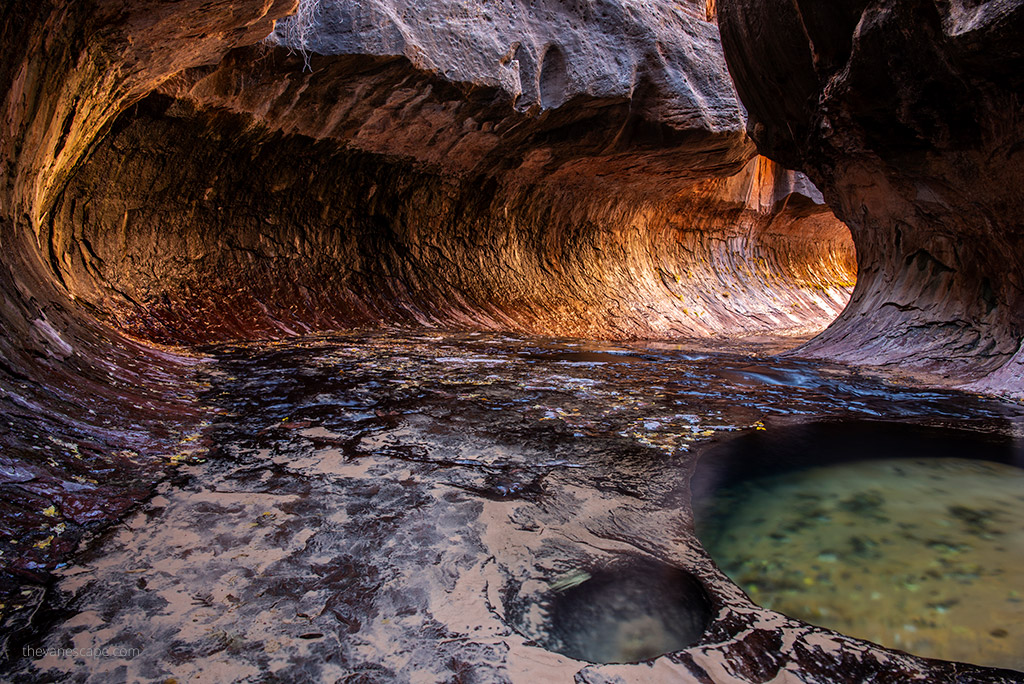
Our Experiences Hiking the Subway
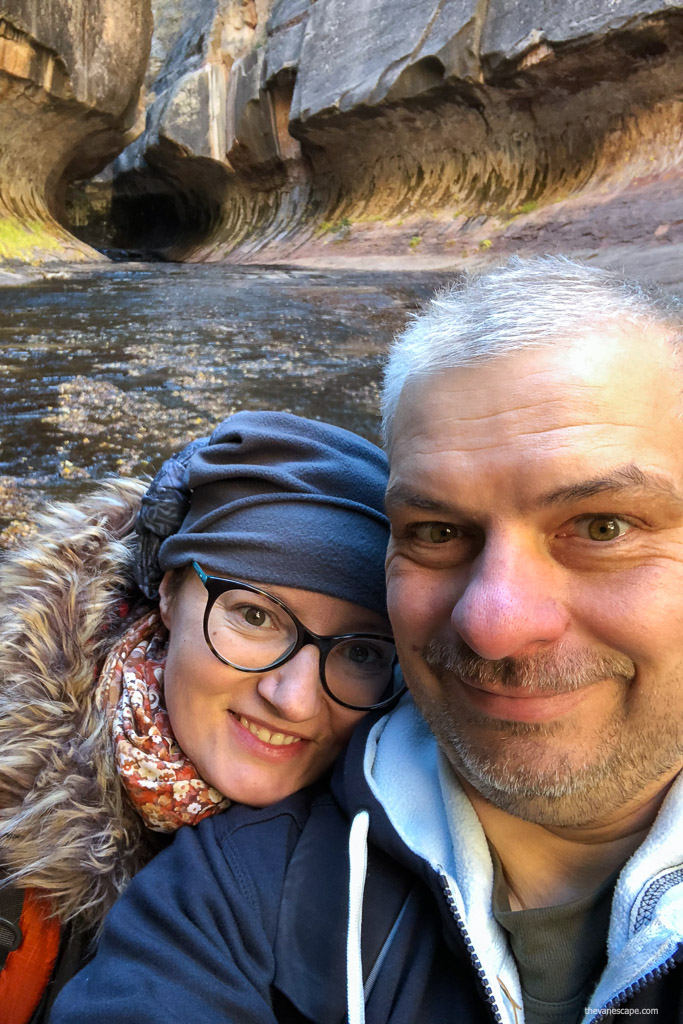
Chris and I have hiked The Subway twice, and both trips were very different. We completed the Bottom-Up route once in late April and again in November, which gave us a clear picture of how much seasonality affects this hike.
In spring, cold water and stronger flow made every creek crossing slower and more demanding. Footing was slippery, and we had to stay alert the entire day. In late fall, water levels were lower and the canyon felt quieter and more remote, but the water was colder and daylight was shorter. Both hikes required careful planning, early starts, and steady pacing.
Unlike classic Zion hikes, the Subway feels remote from the very beginning. There is no marked trail once you reach the canyon floor. Route-finding, frequent stream crossings, and slippery rock slabs demand constant focus.
We’ve also hiked the Narrows in Zion National Park, and while both routes involve walking in water, the Subway is more rugged and less forgiving. There is no maintained trail, navigation matters, and mistakes can cost time and energy.
Reaching the tunnel section is incredibly rewarding, but this is a true backcountry hike that demands preparation and respect for conditions.

What Is the Subway in Zion National Park?
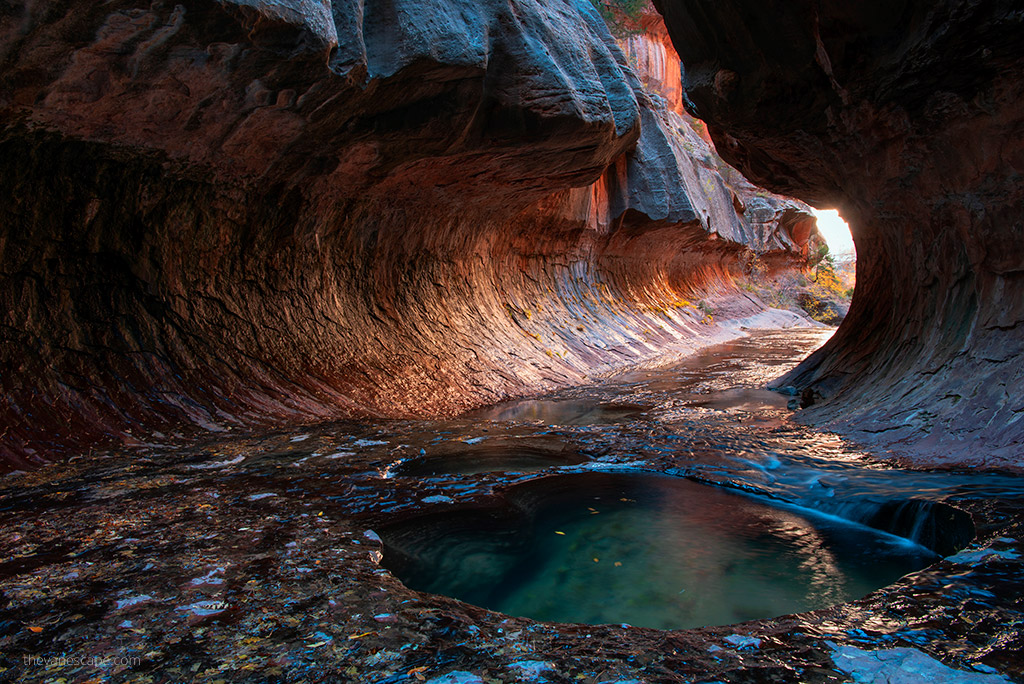
The The Subway is a short but striking slot canyon carved by the Left Fork of North Creek in the backcountry of Zion National Park. Its name comes from the smooth, tunnel-shaped rock formations that resemble an underground passage, sculpted by flowing water over thousands of years.
The iconic Subway section is less than a quarter mile long, but reaching it is the real challenge. The approach involves a long hike through rugged terrain, frequent creek crossings, and sections of off-trail navigation. This is not a destination you can simply walk up to. The effort required is part of what keeps the area wild and uncrowded.
Unlike many well-known Zion hikes, the Subway sits in a remote wilderness zone with no maintained trail, signs, or facilities. It’s a true backcountry experience that rewards experienced hikers with one of the most unique landscapes in the park.
Bottom-Up vs Top-Down Subway Routes
There are two ways to experience The Subway, and they are very different. Understanding the difference helps you choose the route that matches your skills, goals, and comfort level.
Bottom-Up Route (Hiking Route – Covered in This Guide)
This is the most popular option for experienced hikers and photographers.
- Route type: Non-technical backcountry hike
- Distance: about 9 miles round trip
- Key challenges: route finding, creek crossings, slippery rock slabs
- Why choose it: No rappelling, easier logistics, and excellent photo opportunities
The Bottom-Up route still demands strong fitness, navigation skills, and cold-water preparation, but it does not require technical canyoneering equipment. This is the route Chris and I completed twice.
Top-Down Route (Canyoneering Route)
This option is for experienced canyoneers only.
- Route type: Semi-technical canyoneering
- Distance: about 9.5 miles one way
- Requirements: rappelling skills, rope, harness, and swimming through deep pools
- Why choose it: Full canyon descent for advanced adventurers
The Top-Down route involves rappels, cold swims, and complex route finding. It’s not suitable for hikers without technical canyoneering experience and is not covered in detail in this guide.
For most visitors, the Bottom-Up route offers the best balance of challenge, safety, and reward while still delivering one of the most unique backcountry experiences in Zion National Park.
Subway Permits: What You Need to Know
A wilderness permit is required for The Subway in Zion National Park, no matter which route you choose. Access is limited to protect this fragile backcountry area.
Here’s the essential overview:
- Permit required: Yes, for all Subway routes
- Daily limit: A small, capped number of hikers per day
- How permits are issued:
- Seasonal lottery (several months in advance)
- Daily lottery (closer to your hiking date, if spots remain)
- Where to apply: Through the official National Park Service reservation system
Permits are popular and can sell out quickly, especially in spring and fall. If you don’t secure a permit, do not attempt the hike. Rangers actively check permits, and hiking without one can result in fines.
If you miss out, consider alternatives like a bottom-up Narrows hike, which offers a similar water-hiking experience without a permit requirement.
Where Is the Subway Trailhead?
The trailhead for the Bottom-Up Subway hike is the Left Fork Trailhead, located along Kolob Terrace Road, outside the main canyon of Zion National Park.
Key details:
- Trailhead name: Left Fork Trailhead
- Access road: Kolob Terrace Road
- Driving time from Springdale: about 45 minutes
- Distance: roughly 8 miles up Kolob Terrace Road from the town of Virgin
The trailhead sits several hundred feet above the Left Fork of North Creek. From the parking area, a short, well-worn path leads toward the canyon rim before the steep, unmarked descent begins.
There are no services at the trailhead. Make sure you have all water, food, navigation tools, and gear before you arrive. Cell service is unreliable, and once you start the hike, you are fully in backcountry terrain.
If you want to connect this hike with other highlights, our Utah road trip guide will help you build a logical route.
Subway Hike Overview (Bottom-Up Route)
The Bottom-Up route to The Subway is a long, strenuous day hike through remote backcountry in Zion National Park. While the Subway itself is short, the approach is demanding and requires solid fitness, navigation skills, and comfort hiking in water.
Here’s what to expect:
- Distance: about 9 miles round trip
- Time required: plan 7–10 hours, depending on conditions and pace
- Elevation change: roughly 400 feet, including a steep descent into the canyon
- Trail conditions: no maintained trail once you reach the canyon floor
- Terrain: slick rock slabs, boulders, sand, and frequent creek crossings
Much of the hike takes place in the Left Fork of North Creek. You’ll cross the stream many times, move between riverbanks, and walk directly in cold water for long stretches. Progress is slow, especially when water levels are higher.
This route is best suited for experienced hikers who are comfortable with route finding and changing conditions. It’s not a casual hike, but for those prepared for it, the Bottom-Up Subway hike is one of the most rewarding backcountry adventures in the park.
Best Time to Hike the Subway
Timing is critical for hiking The Subway. Water levels, temperature, and weather conditions can turn this hike from challenging to unsafe.
Late spring through fall is the general season, but conditions vary a lot:
- Spring (April–May): Snowmelt raises water levels and makes creek crossings colder and more difficult. Always check current conditions before going.
- Summer: Water levels usually drop, but thunderstorms increase the risk of flash floods. Early starts are essential.
- Fall (October–November): Often the best window. Water levels are lower, crowds are lighter, and fall colors add to the scenery. Cold water and shorter daylight hours still require planning.
- Winter: Possible only with proper cold-water gear like a wetsuit or dry suit. Ice, cold temperatures, and limited daylight make this a serious undertaking.
Before committing to the hike, always check:
- Weather forecast
- Recent rainfall
- Current water conditions at the Wilderness Desk in Zion National Park
The Subway is never a good choice if rain is forecast. Flash floods can occur with little warning, even if the sky above the canyon looks clear.
Temperatures & Water Conditions in the Subway
Hiking The Subway feels much colder than air temperatures suggest. The canyon is deep and narrow, most of the route stays in shade, and you spend long stretches walking directly in cold water.
Average Air Temperatures (Zion Area)
- Spring (April–May): daytime highs around 60–75°F, colder mornings
- Summer (June–August): daytime highs around 85–100°F, but much cooler inside the canyon
- Fall (October–November): daytime highs around 55–75°F, cold mornings and evenings
Because sunlight rarely reaches the canyon floor, air temperatures inside the Subway often feel 10–20°F cooler than forecasted highs.
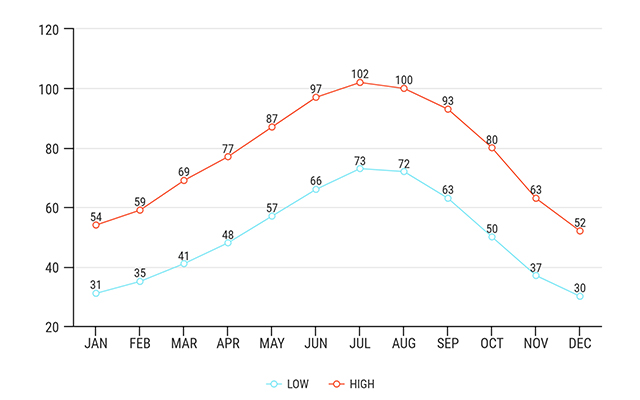
Average temperatures in Zion
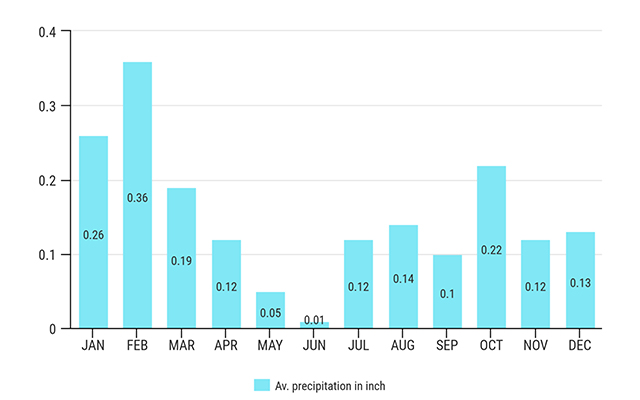
Average precipitation in inch
Water Temperature
The Left Fork of North Creek stays cold most of the year:
- Spring: about 40–50°F
- Summer: about 50–60°F
- Fall: about 45–55°F
Cold water combined with shade and wet clothing can quickly lower your body temperature, even on warm days. This is especially noticeable during breaks or while moving slowly through deeper pools.
Why This Matters
Hypothermia is a real risk on this hike. Proper insulation, steady movement, and planning for cold exposure are just as important as navigation and fitness. Many hikers underestimate how cold the Subway feels until they’re already deep in the canyon.
This is why gear choices for the Subway are different from most Zion hikes—and why preparation is critical.
Subway Bottom-Up Hike: Step-by-Step Description
This section walks you through the Bottom-Up route to The Subway step by step. We focus on what actually happens on the trail, where hikers struggle most, and what to watch for along the way in Zion National Park.
Trailhead to Canyon Rim
The hike starts at the Left Fork Trailhead on Kolob Terrace Road. From the parking area, follow the clear use trail toward the canyon rim. This opening stretch is short and easy. It gives a false sense of comfort.
Very quickly, the route drops steeply toward the canyon floor. There is no maintained trail here. The descent loses about 400 feet and is loose, sandy, and uneven. Trekking poles help a lot. Good traction matters, especially after rain.
Reaching the Canyon Floor
Once you reach the bottom, you hit Left Fork of North Creek. This is a key moment. Turn around and memorize your exit point. On the return, many hikers miss it and end up searching tired and late in the day.
From here, the hike becomes a mix of:
- Walking in the creek
- Moving along sandy banks
- Crossing back and forth between sides of the stream
There are faint social paths, but navigation skills are essential.
Hiking Upstream: Cold Water and Slickrock
As you move upstream, the scenery slowly improves, but travel becomes harder. Expect:
- Constant water crossings
- Slippery rocks underfoot
- Slow progress
In spring and late fall, the water is cold. Even short pauses chill your body fast because the canyon stays shaded most of the day.
The Red Waterfalls Section
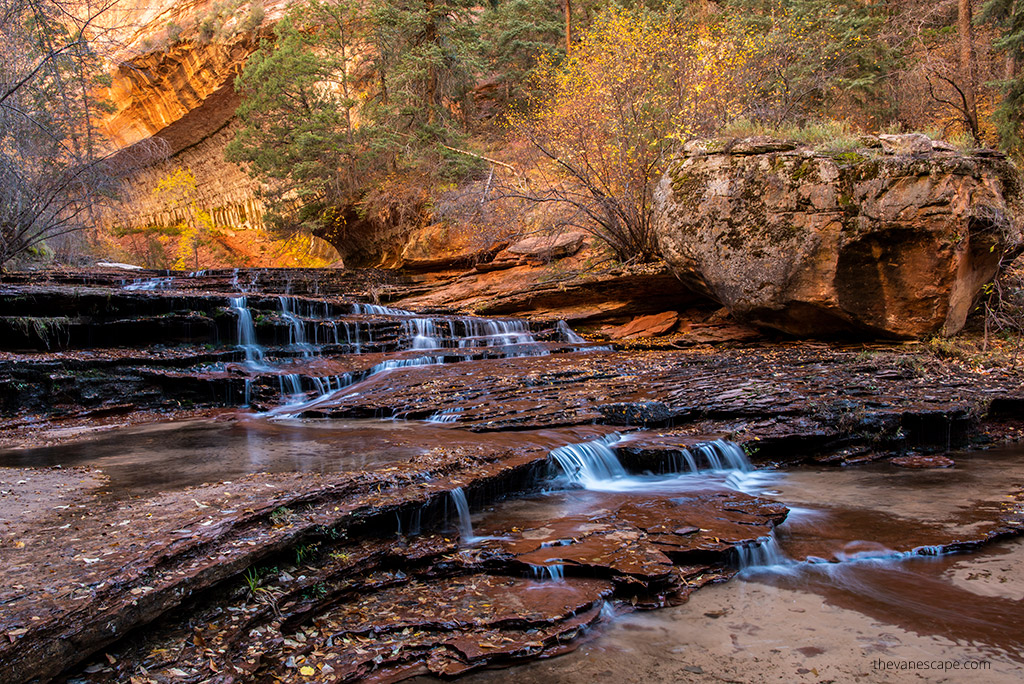
After roughly 2 miles, the canyon tightens and the scenery changes dramatically. Smooth red sandstone slabs form small waterfalls and cascades. This is one of the most photogenic parts of the hike.
This section demands extra care. The rock here is extremely slick. Move slowly. Test every step. This is where many slips happen.
Reaching the Subway Formation
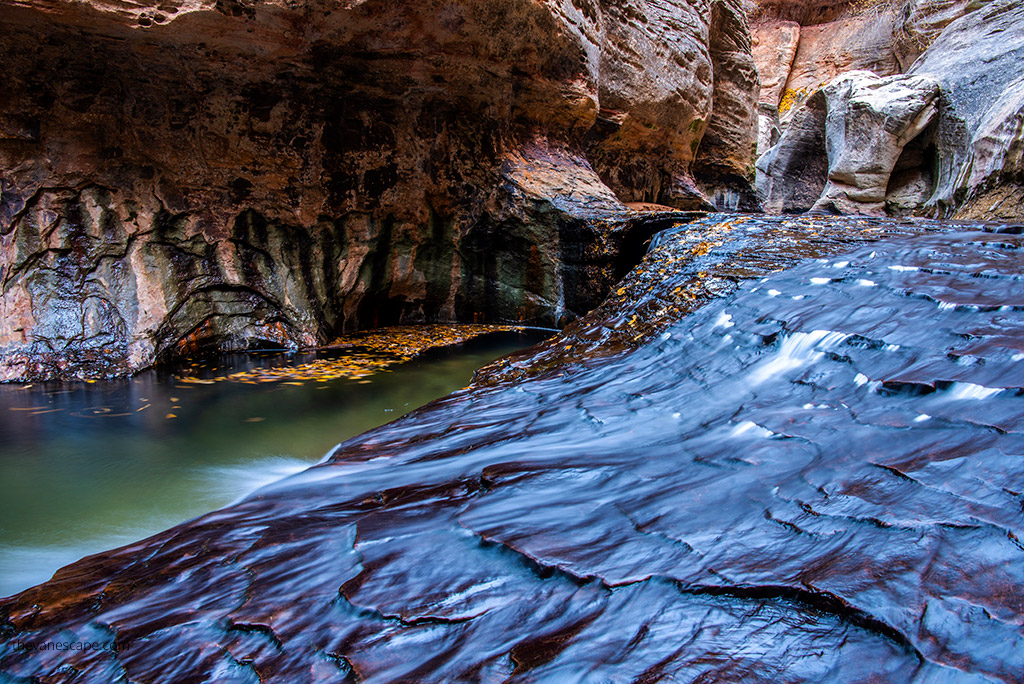
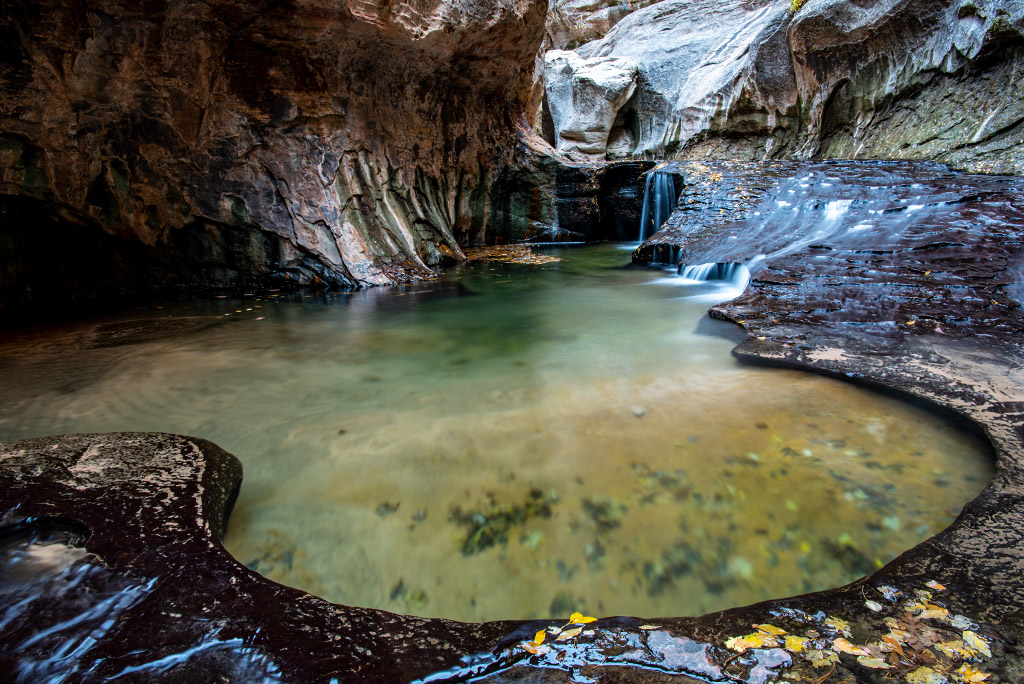
Past the cascades, the canyon bends and narrows. Suddenly, the famous Subway formation appears. The sculpted tunnel, emerald pools, and reflected light make this one of the most striking places in Zion.
This is the turnaround point for the Bottom-Up hike. Some hikers explore slightly beyond to see small pools and waterfalls, depending on conditions. Water depth can reach thigh or waist level here.
The Return Hike
The return follows the same route. This is when fatigue sets in. Save energy for:
- The slippery stream crossings
- The steep final climb out of the canyon
The last ascent back to the trailhead is often the hardest part of the day. Take your time. Missing the exit route is common, especially if you rush or hike late.
Plan to finish with daylight to spare. Darkness comes fast once the sun drops behind the canyon walls.
This step-by-step section is why the Subway is considered a serious backcountry hike, not just a scenic stroll.
What to Pack for the Subway Bottom-Up Hike
Proper gear makes or breaks this hike. The Bottom-Up route to the Subway is long, cold, wet, and slow. Even strong hikers struggle here without the right setup.
Footwear for Water Hiking
This is the most important choice.
- Water shoes with strong traction or canyoneering boots
- Neoprene socks (4–5 mm) for insulation
- Avoid regular hiking boots unless conditions are very dry and warm
Your feet will be wet most of the day. Good grip helps prevent slips on slickrock and algae-covered stones.
Clothing Layers
Plan for cold, even on warm days.
- Quick-drying base layers
- Lightweight insulating layer
- Rain shell or windproof jacket
- Extra dry layer packed in a dry bag
In deep shade and cold water, body temperature drops fast.
Trekking Poles
Highly recommended.
- Help with balance in moving water
- Reduce strain on knees
- Improve stability on slippery rock
They are especially useful during the return climb.
Backpack & Water Protection
- Waterproof backpack or backpack with a dry bag liner
- Separate dry bags for spare clothes and electronics
Assume everything will get wet at some point.
Navigation & Safety Essentials
There is no marked trail.
- Offline GPS or map app
- Headlamp (even on day hikes)
- First-aid kit
- Emergency blanket
Missing the exit route is common if you’re tired or late.
Food & Hydration
- High-calorie snacks
- Electrolytes
- Enough water for a full day
Cold water hiking burns energy quickly.
Photography Gear (Optional)
If you plan to shoot:
- Wide-angle lens
- Tripod with strong legs
- Camera rain cover or dry bag
Pack minimally. Weight matters on this hike.
Safety Tips & Common Mistakes on the Subway Hike
The Bottom-Up Subway hike rewards preparation and punishes shortcuts. These tips come from what we’ve seen on the trail and from our own experience.
Watch the Weather—Seriously
Flash floods are the biggest danger here.
- Do not hike if rain is forecast anywhere in the drainage
- Storms far away can still send water through the canyon
- Check conditions at the Wilderness Desk before you go
If the forecast looks uncertain, turn back or reschedule.
Pace Yourself Early
This hike is longer and slower than it looks.
- Water walking cuts your speed in half
- Slippery rock demands constant focus
- Fatigue hits hardest on the return climb
Start early. Plan more time than you think you need.
Memorize the Exit Point
When you first reach the canyon floor:
- Turn around
- Study where the climb-out begins
- Mark it on GPS if you can
Missing the exit late in the day is one of the most common and stressful mistakes.
Foot Placement Matters
Most injuries happen from slips.
- Test every step in moving water
- Avoid algae-covered rock when possible
- Use trekking poles to stabilize
Rushing here leads to falls.
Stay Warm, Even in Summer
Cold water plus shade drains energy fast.
- Eat regularly
- Add layers before you feel cold
- Change into dry clothing if needed
Once chilled, it’s hard to recover.
Know When to Turn Back
The Subway will always be there.
- High water
- Cold exhaustion
- Loss of daylight
Turning around early is smart, not a failure.
This hike is one of the most unique experiences in Zion National Park, but only if you respect the conditions and your limits.
Who Should (and Shouldn’t) Hike the Subway Bottom-Up
The Bottom-Up Subway hike is unforgettable, but it’s not for everyone. Being honest about your skills and comfort level matters more here than on most hikes in Zion National Park.
This Hike Is a Great Fit If You:
- Have strong hiking fitness and endurance
- Are comfortable hiking off-trail
- Don’t mind being wet for most of the day
- Have experience on long, slow, technical day hikes
- Enjoy remote, quiet backcountry settings
If you like hikes such as the Narrows or other water-based canyon routes, the Subway will likely be a highlight of your Utah trip.
You Should Skip This Hike If You:
- Dislike cold water or slippery terrain
- Are uncomfortable with route-finding
- Want a clearly marked, maintained trail
- Are short on time or energy
- Are hiking with young children
This is not a casual add-on hike. It demands focus, patience, and preparation from start to finish.
A Good Alternative
If you want a water-hiking experience with less commitment, consider hiking the Narrows bottom-up, where you can turn around anytime and don’t need a permit. It’s still one of the best things to do in Zion.
Final Thoughts: Is the Subway Hike Worth It?
The Bottom-Up Subway hike is one of the most demanding adventures in Zion National Park, but it’s also one of the most rewarding. This is not a hike you do on a whim. It requires planning, the right gear, and respect for changing conditions.
For us, hiking the Subway in late April and again in November showed how different this canyon can feel depending on season, water temperature, and light. Both hikes were challenging. Both were unforgettable.
If you enjoy long days in remote terrain, don’t mind cold water, and want to experience a side of Zion that feels wild and untouched, the Subway belongs on your list. Done right, it’s not just a hike. It’s a full backcountry experience that stays with you long after you leave the canyon.
Do You Like It? Pin It For Later!