
3 Days in New Orleans: The Complete Itinerary for The Big Easy
New Orleans is one of the most atmospheric cities in the United States. It blends music, food, history, and culture in a way no other place does. Three days here give you enough time to explore its famous neighborhoods, taste unforgettable Creole and Cajun dishes, listen to live jazz, and experience the vibrant street life that makes NOLA feel so alive. This New Orleans itinerary focuses on the best things to do during a three-day visit. You’ll walk the historic French Quarter, visit museums and markets, cruise the Mississippi River, wander City Park, and spend a day exploring bayous and plantations outside the city. Each day is planned to help you see as much as possible without feeling rushed..
This article may contain affiliate / compensated links. For full information, please see our disclaimer here.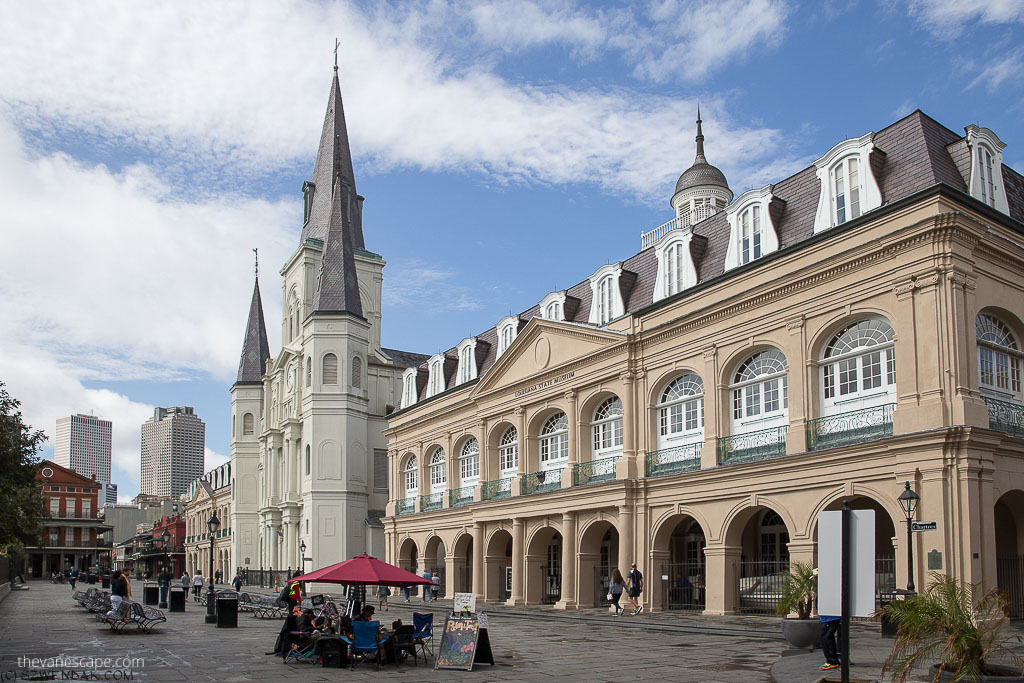
Visiting New Orleans – Our Experiences
Chris and I have visited New Orleans several times over the years, and each trip showed us a different side of the city. We came here during our long USA road trip in a camper and spent Christmas wandering the French Quarter with live jazz playing around every corner.
On another visit, we experienced Mardi Gras and saw how the entire city transforms during the festival.
We also explored the surrounding bayous and visited several historic plantations along the Mississippi River. These places added important context to the city’s complex past. Every trip reminded us why New Orleans is such a special destination—rich culture, incredible food, and an energy that stays with you long after you leave.

Quick New Orleans Facts & Visitor Basics
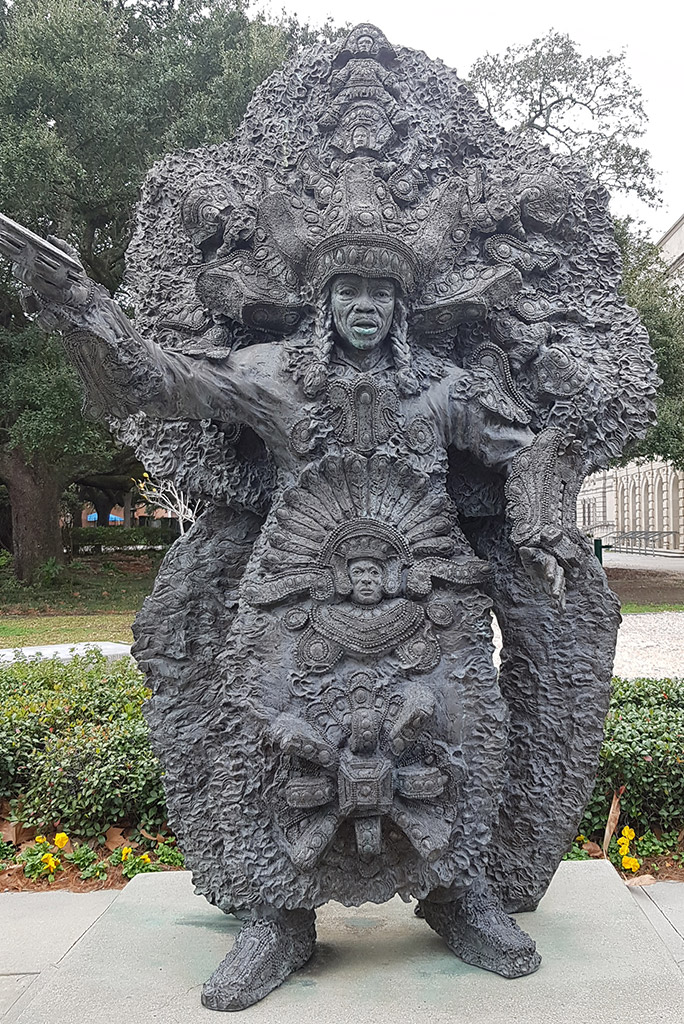
Before you start planning your three-day itinerary, it helps to know a few basics about New Orleans. The city sits along the Mississippi River in southeastern Louisiana and is famous for its food, music, and historic neighborhoods.
Most visitors focus on the French Quarter, the Garden District, and the riverfront, but the city has many vibrant areas worth exploring.
• Airport: Louis Armstrong New Orleans International Airport (MSY) sits about 15 miles from downtown. It offers many domestic and a few international flights.
• Getting Around: The French Quarter is best explored on foot. For longer distances, use streetcars, taxis, or Uber. A rental car is helpful only if you plan to visit plantations or swamps outside the city.
• Entrance Fees: Most city attractions have individual admission fees. Museums, historic homes, and tours vary in price.
• Best Time to Visit: December through May offers comfortable weather and lively events. Mardi Gras happens in January or February and requires booking well in advance.
• Safety: Like any major city, New Orleans has safer and less-safe areas. Stay aware of your surroundings, especially at night, and stick to well-lit, busy streets.
• Dress Code: The city is casual, but many restaurants prefer smart-casual in the evenings. Comfortable shoes are essential because you will walk a lot.
New Orleans is compact, energetic, and full of things to do. With these basics in mind, you’re ready to explore the city day by day.
If you’re planning your trip, take a look at our Louisiana travel guide for a full overview of the best places and experiences.


Why Visit New Orleans?
New Orleans is packed with culture, history, and experiences you won’t find anywhere else in the United States. The city blends French, Spanish, Caribbean, and African influences, and you feel that mix in the music, food, language, and architecture. Three days here let you sample a little bit of everything.
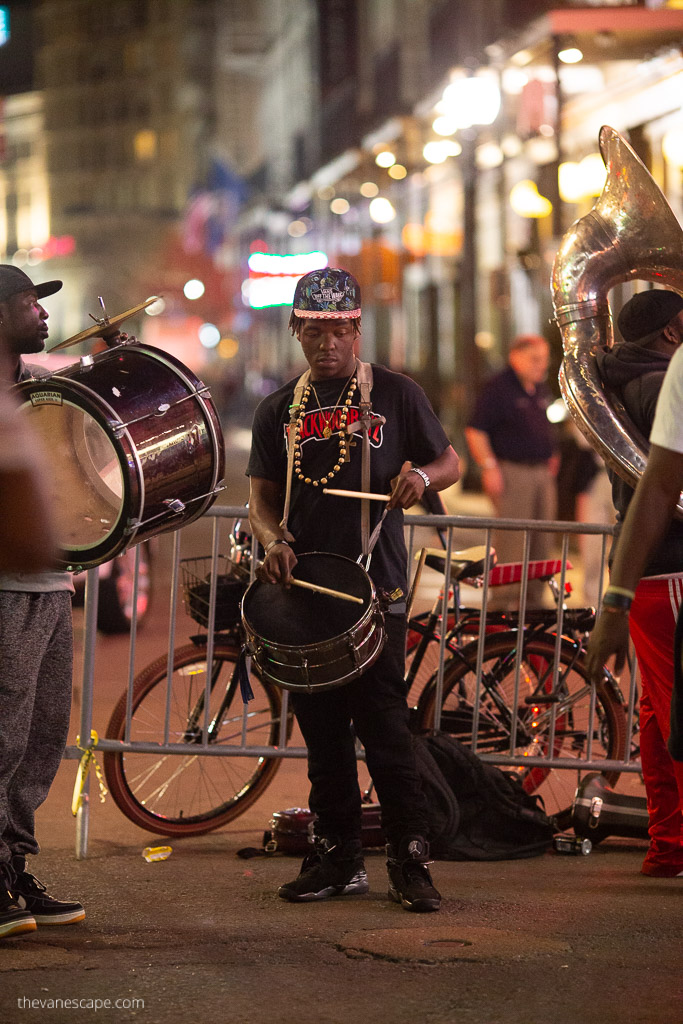
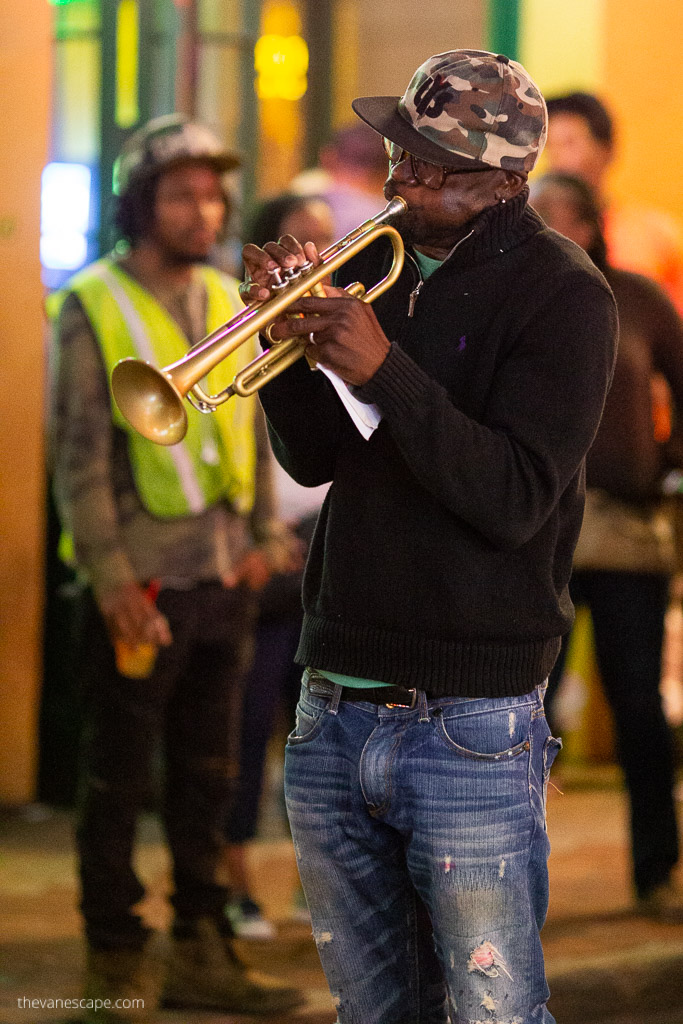
• Music: Live jazz fills the streets, especially in the French Quarter and on Frenchmen Street. Hearing local musicians play on a random corner is part of the city’s charm.
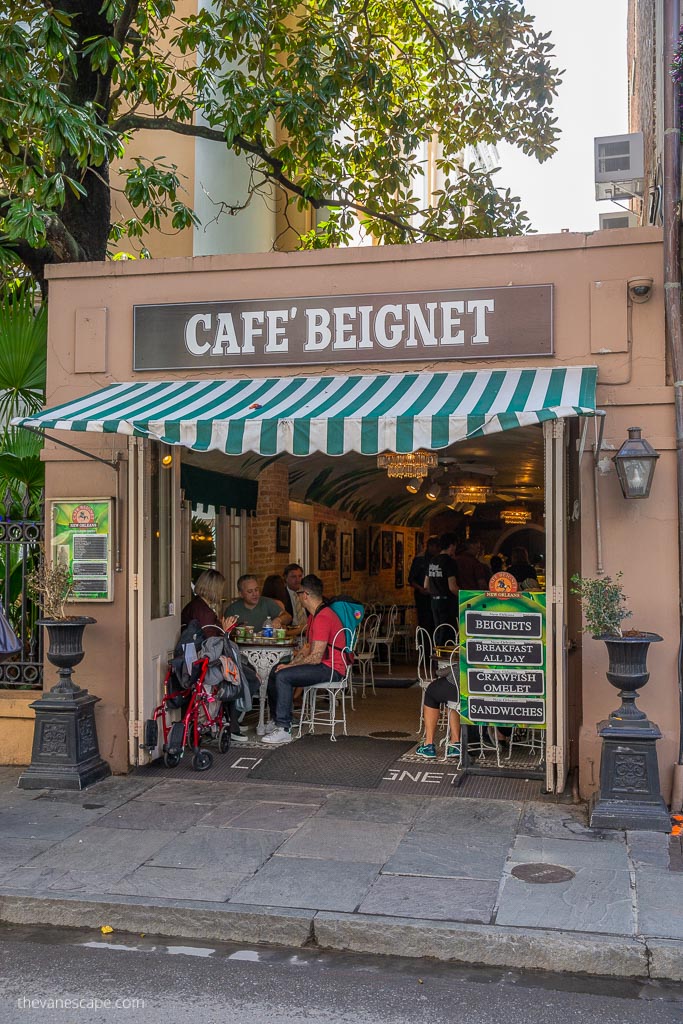
• Food: Creole and Cajun dishes are unforgettable—gumbo, jambalaya, oysters, muffulettas, and beignets. New Orleans is one of the best food cities in the country.
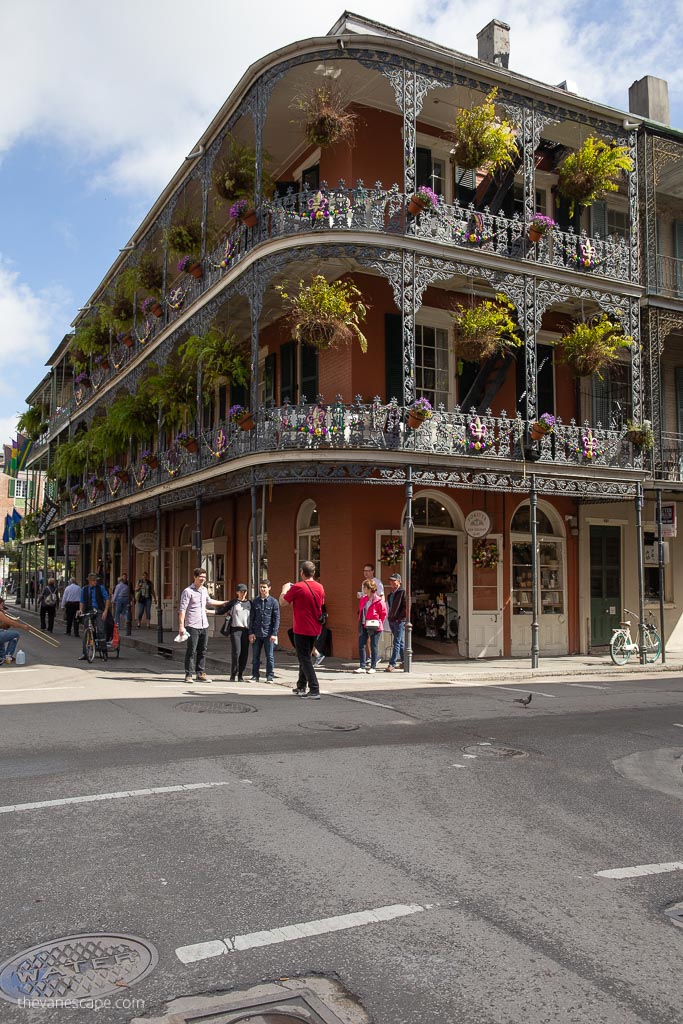
• Architecture: The brightly painted balconies, Spanish-style courtyards, and historic homes give each neighborhood its own character.
• Festivals: Mardi Gras is the most famous, but the city hosts events year-round.
• Nature & History: Swamp tours, plantations, and bayou landscapes offer a deeper look at Louisiana’s environment and complex past.
New Orleans is lively, welcoming, and unforgettable. Your three-day visit will give you a real taste of this unique city.

New Orleans 3-Day Itinerary: Day 1 – Explore the French Quarter
Your first day focuses on the heart of New Orleans. The French Quarter is the city’s oldest neighborhood and still the most iconic. Its narrow streets, balconies, music, and food create the atmosphere that makes NOLA so memorable. Take your time, wander slowly, and let the rhythm of the Quarter guide your day.
St. Louis Cathedral & Jackson Square
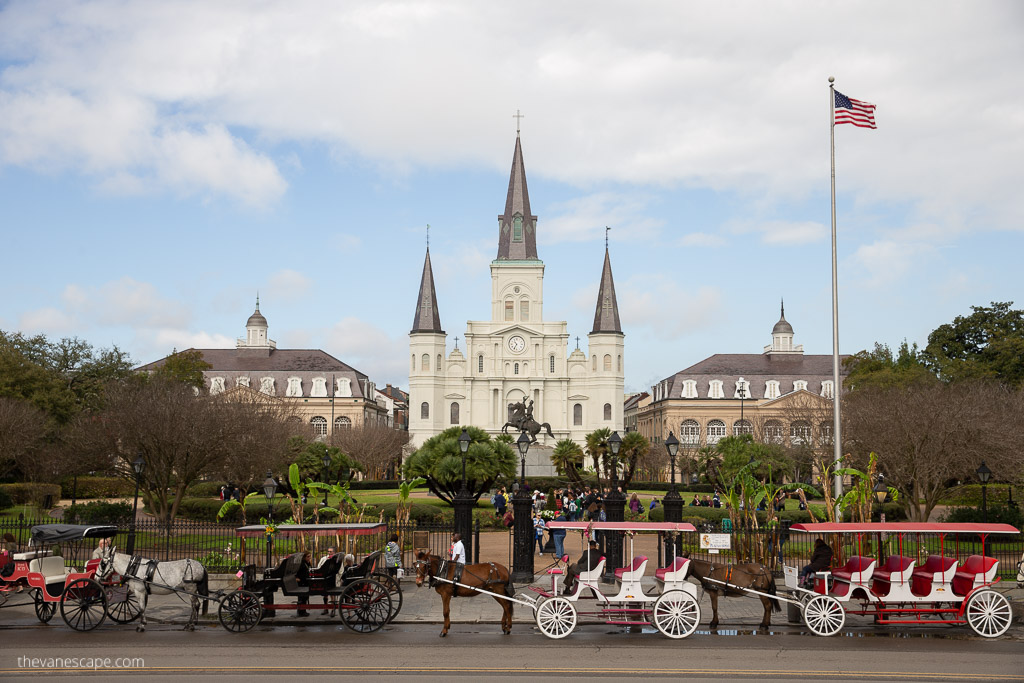
Start the morning at the city’s most famous landmark. St. Louis Cathedral is the oldest continuously active Roman Catholic cathedral in the United States. In front of it, Jackson Square buzzes with artists, street performers, and musicians. It’s one of the best places to feel the energy of the city and take your first photos.
French Market & French Bazaar
Walk a few minutes downriver to the French Market. Grab a coffee, browse food stalls, or look for souvenirs. The nearby open-air bazaar has local art and handmade goods, often at better prices than many shops in the Quarter.
Jazz Museum or Voodoo Museum
Choose one depending on your interests. The Jazz Museum highlights the city’s deep musical roots. The Voodoo Museum offers insight into a cultural tradition that shaped the city’s history. Both can be visited in about an hour.

St. Louis Cemetery No. 1
A guided tour is required to enter this historic cemetery. It dates back to 1789 and is known for its above-ground tombs and intriguing stories. Tours usually last about an hour and help you understand the city’s unique burial traditions.
Louis Armstrong Park
Just steps from the French Quarter, this peaceful park honors New Orleans’ musical heritage. Wander the paths, enjoy the sculptures, and take a short break from the busy streets.
Bourbon Street
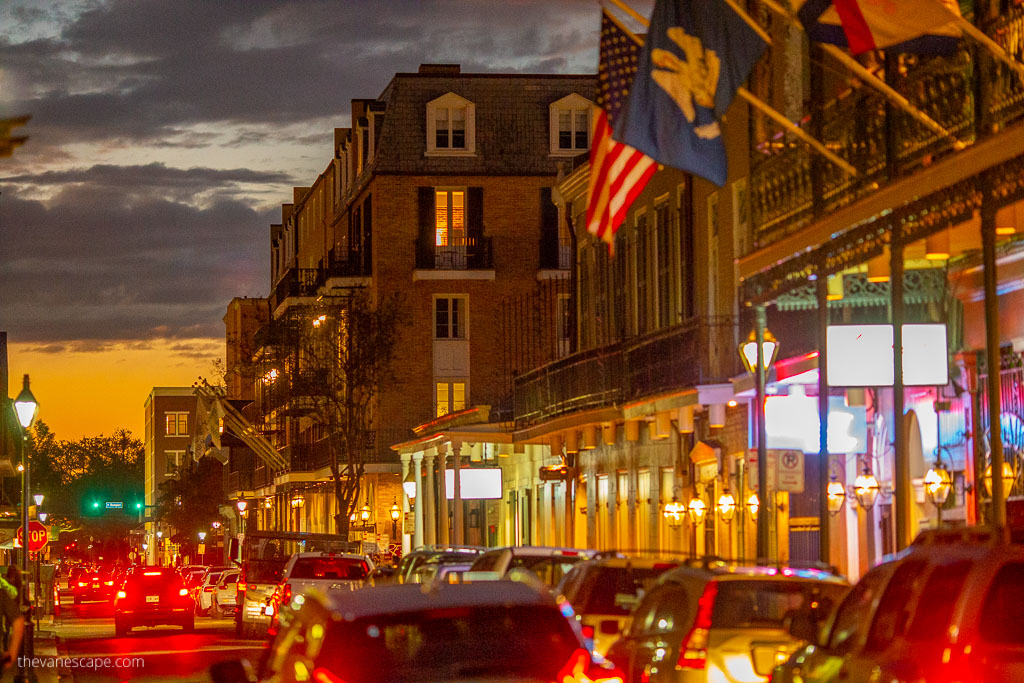
End the afternoon or evening with a stroll down Bourbon Street. It’s lively, loud, and packed with bars, neon signs, and music. Even if it’s not your usual scene, it’s worth experiencing at least once.
Day 1 gives you a perfect mix of history, culture, music, and atmosphere—everything that makes New Orleans unforgettable.
New Orleans 3-Day Itinerary: Day 2 – City Park, Museums & the Mississippi River
Your second day blends museums, nature, and time on the Mississippi. It’s a relaxed but full day that shows you a different side of New Orleans beyond the French Quarter.
Audubon Aquarium of the Americas
Start your morning at the aquarium, located right on the riverfront. It’s compact, well designed, and great for all ages. You’ll see Gulf of Mexico species, touch pools, and exhibits focused on local ecosystems. Plan about 1–1.5 hours.

Mississippi River Cruise
Next, board a classic paddlewheel steamboat for a daytime jazz cruise. Both Steamboat Natchez and Creole Queen offer two-hour trips with optional lunch. Cruising the Mississippi gives you a unique look at the city skyline, river traffic, and industrial port areas. It’s a peaceful break in the middle of the day.
New Orleans City Park
After your river cruise, head to City Park. It’s one of the largest urban parks in the country and offers gardens, lagoons, walking paths, and museums. You can visit the New Orleans Museum of Art, wander the Besthoff Sculpture Garden, or simply enjoy a slow afternoon outdoors. The St. Charles streetcar or a quick Uber ride makes it easy to reach the park.


Magazine Street
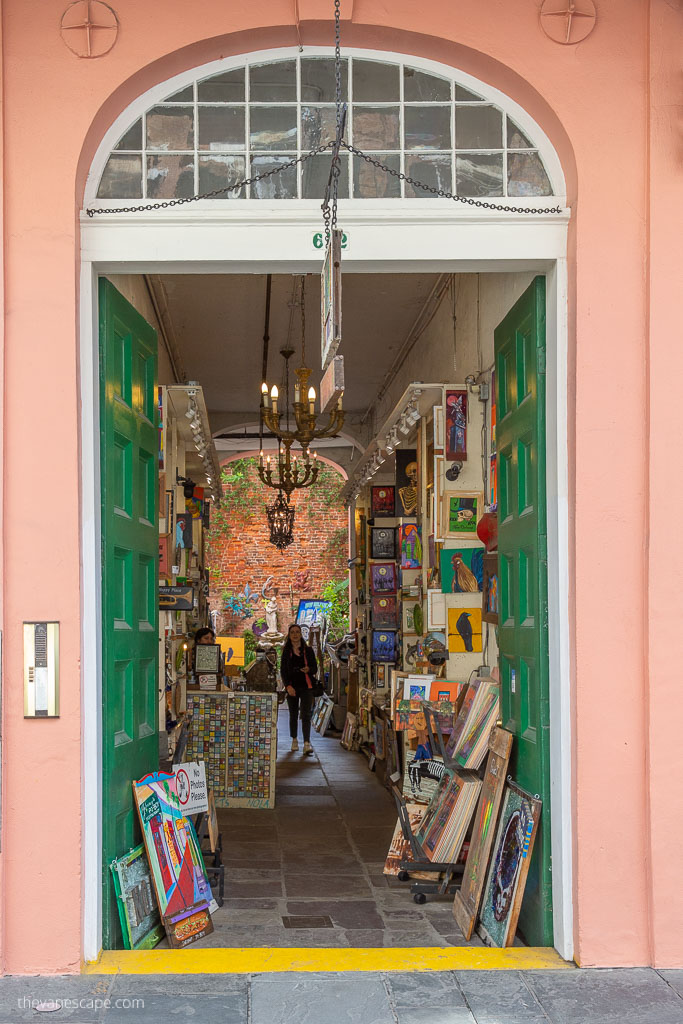
Finish your day with a walk along Magazine Street, lined with boutiques, art shops, cafes, and restaurants. It’s a great place for dinner, dessert, or a casual evening stroll.
Day 2 combines culture, nature, and scenic river views—an ideal balance for your New Orleans itinerary.
New Orleans 3-Day Itinerary: Day 3 – Swamps & Plantations
Your final day takes you outside the city to experience Louisiana’s natural landscapes and its complex history. You can reach both the swamps and the plantations on your own by car, or you can book guided tours that include hotel pickup. This day adds depth to your trip and shows you a side of the region many visitors miss.
Swamp Tour
Start your morning with a swamp tour in the bayous surrounding New Orleans. The Pearl River area is one of the most scenic spots, filled with cypress trees, Spanish moss, and quiet waterways. Tours usually last 2–3 hours and offer a close look at alligators, turtles, birds, and other wildlife. You’ll also learn how communities have lived along these swamps for generations. Airboat and slow-boat options are both available.


Plantation Tour
In the afternoon, visit one of the historic plantations along the Mississippi River. These tours are powerful, moving, and essential for understanding the history of slavery in Louisiana.
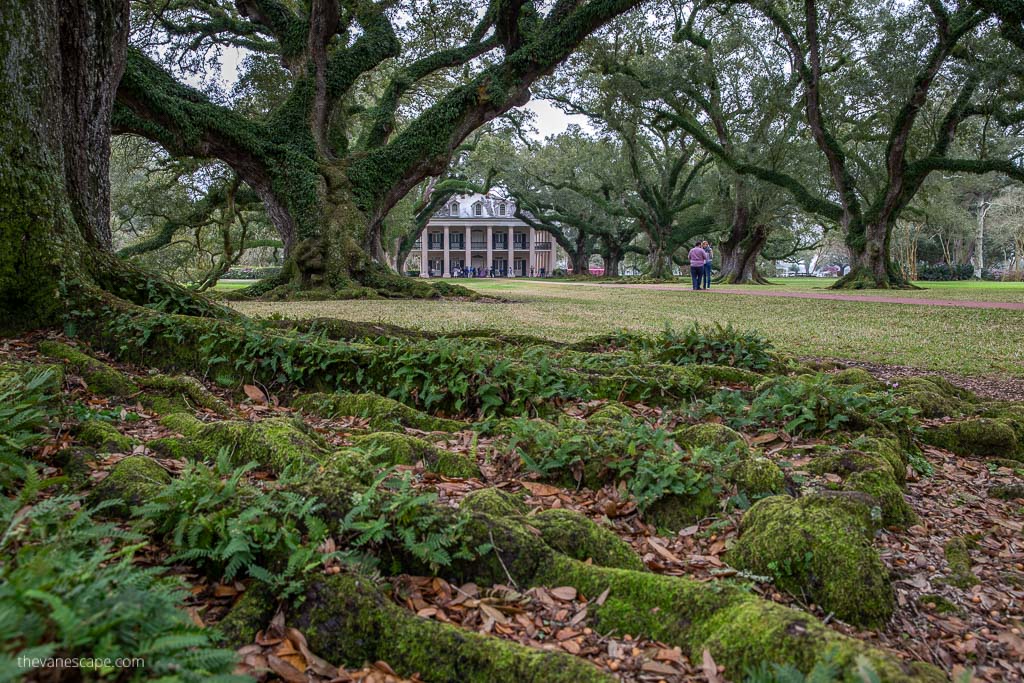
• Oak Alley is known for its famous oak-lined walkway.
• Laura Plantation focuses on Creole culture and detailed family history.
• Whitney Plantation centers its entire tour on the lives and stories of enslaved people.
Each offers a different perspective, and guided tours are included with admission.
Combo Tours
If you prefer not to drive, consider booking a combined plantation-and-swamp excursion. These full-day trips include transportation from the city and make planning easy.
Day 3 brings together nature and history, helping you understand Louisiana beyond the city limits and ending your trip with unforgettable experiences.
Where to Eat in New Orleans
New Orleans is one of the best food cities in the United States. You’ll find iconic Creole and Cajun dishes, fresh seafood, classic cocktails, and small neighborhood cafés that feel full of local character. Here are some great options for each meal during your three-day visit.
Breakfast
• Willa Jean – A bright, modern spot known for biscuits, avocado dishes, and fresh pastries. Expect lines in the morning, but the food is worth the wait.
• The Ruby Slipper – A popular local chain with amazing eggs Benedict, pancakes, and Southern breakfast plates. Service can be slow during busy hours, so arrive early.
Lunch
• Cochon Butcher – A casual favorite for sandwiches, muffulettas, mac and cheese, and smoked meats. It’s not in the French Quarter, but it’s always a solid choice.
• Muriel’s Jackson Square – A great stop for Creole dishes like gumbo, oysters, shrimp, and crab cakes. The location is perfect if you’re exploring the French Quarter.


Dinner
• Pêche – Excellent for seafood lovers. Oysters, smoked tuna, and wood-fired fish dishes are always fresh and flavorful.
• Luke – One of the best places for oysters, burgers, and steaks. It’s a comfortable option with a lively atmosphere, especially in the evening.
Drinks & Cocktails
• Sazerac Bar – An elegant spot serving classic cocktails in a vintage setting. The Sazerac is the star of the menu.
• Arnaud’s French 75 Bar – A small, iconic bar known for its French 75 and Old Fashioned. It often gets crowded, but the drinks are excellent.
New Orleans has endless food options, but these spots give you a perfect taste of the city’s flavors during a short visit.


Where to Stay in New Orleans
Choosing the right neighborhood makes your three-day visit smoother and more enjoyable. Each area offers a different atmosphere, so it helps to match your lodging with your travel style.
French Quarter
This is the most popular place to stay. It’s historic, lively, and walkable, with restaurants and attractions right outside your door. Hotels here often cost more, and parking is limited, but the location is perfect for first-time visitors.
• Hotel Monteleone – Historic, elegant, and home to the famous Carousel Bar.
• Hotel Provincial – Boutique style with quiet courtyards and great service.
• Hotel Le Marais – Modern rooms, a small pool, and a quick walk to Bourbon Street.
Central Business District (CBD)
The CBD sits next to the French Quarter. It’s quieter at night, offers modern hotels, and usually has easier parking. It’s ideal if you want comfort and quick access to attractions.
• The Roosevelt New Orleans – A classic Waldorf Astoria hotel with a rooftop pool.
• Hyatt Regency New Orleans – Spacious, modern, and great for longer stays.
• Holiday Inn Downtown Superdome – Good prices, large rooms, and convenient parking.
Marigny & Bywater
These neighborhoods feel creative, colorful, and local. You’ll be close to Frenchmen Street, which is famous for live music. This area works well for travelers who like charm and a more artistic vibe.
• The Frenchmen Hotel – Trendy, stylish, and steps from music clubs.
• Hotel Peter and Paul – A restored church and school with unique rooms.
• Casa Bonita – A cozy boutique option with local character.
Garden District
This area is known for its mansions, oak trees, and peaceful atmosphere. It’s perfect if you prefer quiet afternoons and historic charm. You’ll be farther from the French Quarter, but the St. Charles streetcar makes access easy.
• Henry Howard Hotel – Beautiful rooms inside a historic Greek Revival home.
• The Pontchartrain Hotel – Classic New Orleans style with a rooftop bar.
• St. Charles Coach House – Clean, modern, and steps from the streetcar line.
Algiers Point
Algiers Point sits across the river. It’s quiet, historic, and offers great skyline views. The ferry takes you to the French Quarter in minutes, so it still feels convenient.
• House of the Rising Sun Bed & Breakfast – A friendly, laid-back B&B.
• Algiers Point Homes and Guesthouses – Many small, well-kept apartments and suites.
• Federal City Inn & Suites – Simple, budget-friendly, and a short drive to the ferry.
New Orleans has options for every traveler. Pick a district that matches your pace, and your three-day itinerary becomes even easier to enjoy.
Photography Tips for Your New Orleans Trip
New Orleans is a dream location for photography. The city blends historic architecture, bright street life, and atmospheric neighborhoods that look great at any time of day. Here are helpful tips to make the most of your camera while exploring.
Best Gear to Bring
• A lightweight camera works well because you’ll walk a lot.
• A standard zoom lens like 24–70mm is perfect for street photography and portraits.
• A wide-angle lens like 14–24mm or 16–35mm helps capture tight streets and tall buildings.
• If you plan a swamp tour, bring a telephoto lens (80–400mm or 100–400mm) for wildlife like turtles, birds, raccoons, and alligators.
• A tripod is helpful for night shots, but you won’t need it during the day.
• A polarizing filter helps reduce glare on water during swamp tours.
What to Photograph in the City
• Colorful houses in the French Quarter, Marigny, and Bywater.
• Neon signs and musicians along Bourbon Street and Royal Street.
• Jackson Square at sunrise when the sky glows behind St. Louis Cathedral.
• Streetcars on Canal Street framed with palm trees.
• Details like wrought-iron balconies, old shutters, and vintage shop signs.
Beyond the City
• Swamp tours offer great wildlife opportunities—your zoom lens will stay busy here.
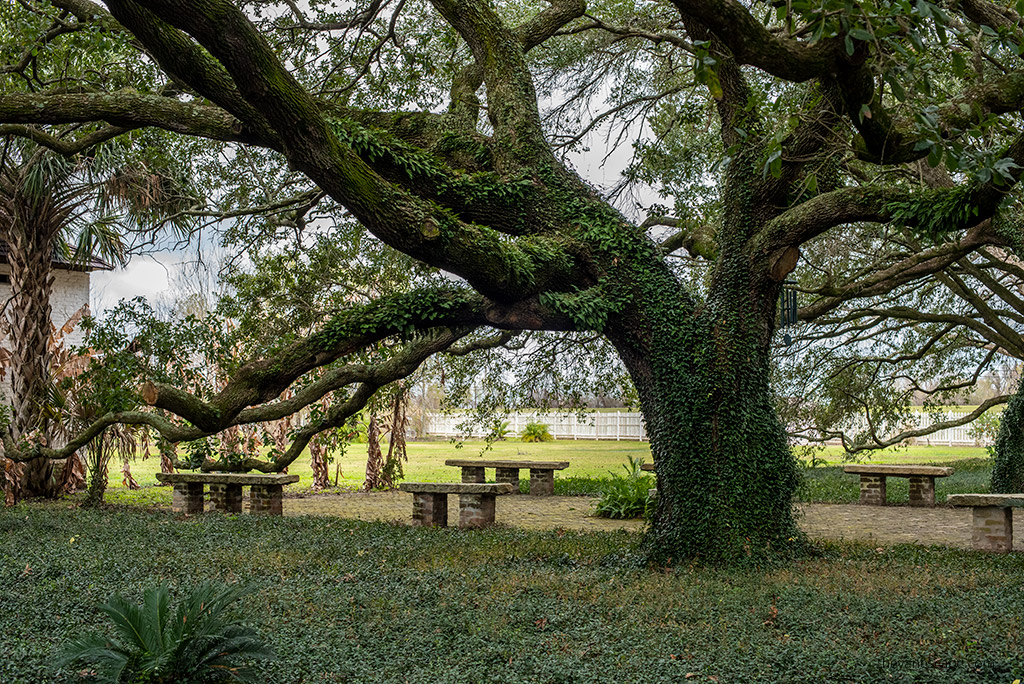
• Plantations provide beautiful architecture, giant oak trees, and historic landscapes.
• A riverbank walk gives you a chance to photograph the steamboats on the Mississippi.
New Orleans rewards photographers who slow down, look around, and follow the rhythm of the streets. You’ll find unique scenes around every corner.

Best Time to Visit New Orleans
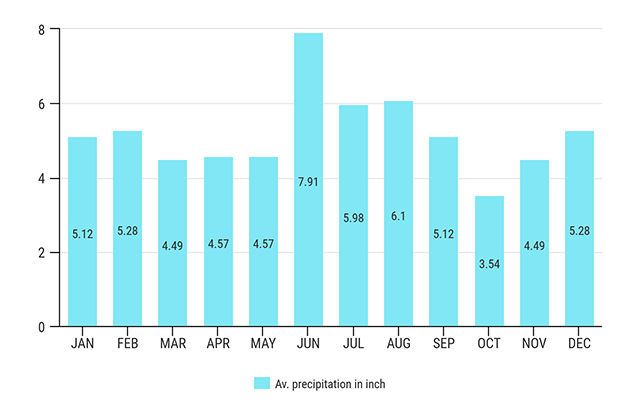
New Orleans is a year-round destination, but the experience changes with the seasons. Weather, crowds, and events can shape your trip, so it’s helpful to choose your dates with a clear plan in mind.
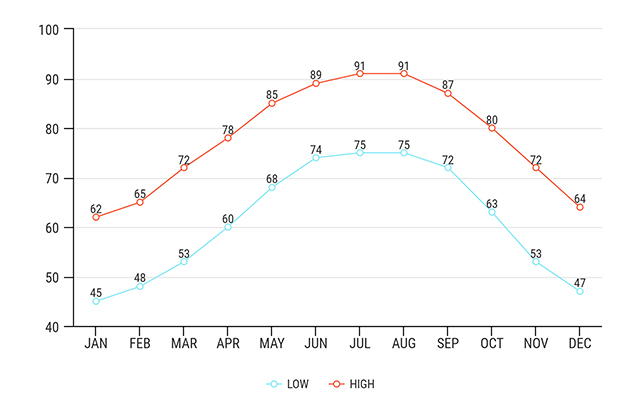
December–May is the most popular window. Temperatures are comfortable, humidity is lower, and the city feels lively without being overwhelming. This period includes major festivals, holiday celebrations, and many outdoor events.
January–February bring Mardi Gras season. It’s one of the world’s most famous street celebrations and an unforgettable experience. But it requires planning ahead—prices rise, crowds grow, and hotels book out months in advance.
March–May offer pleasant weather. Spring is a great time to walk the French Quarter, explore parks, and enjoy outdoor dining.
June–September is hot, humid, and rainy. Afternoon storms are common, and hurricane season spans this entire period. However, prices drop, and the city is less crowded.
October–November is another great time to visit. Days are cooler, crowds are moderate, and many fall festivals take place.
With three days in New Orleans, choosing the right season helps you enjoy the city at its best.
Final Thoughts
Spending three days in New Orleans gives you the perfect mix of culture, food, music, and history. With this itinerary, you’ll explore the city’s classic highlights, enjoy its unique neighborhoods, and take meaningful day trips to the swamps and plantations.
New Orleans is a place that rewards curiosity, so take your time, wander, listen to live music, and try something new each day.
Whether you come for the food, the jazz, or the city’s rich heritage, these three days will show you why so many travelers return again and again. New Orleans stays with you long after you leave.
Do You Like It? Pin It For Later!

