
Colorado Travel Guide: Best Places, Road Trips, Itineraries, Hidden Gems & Travel Tips
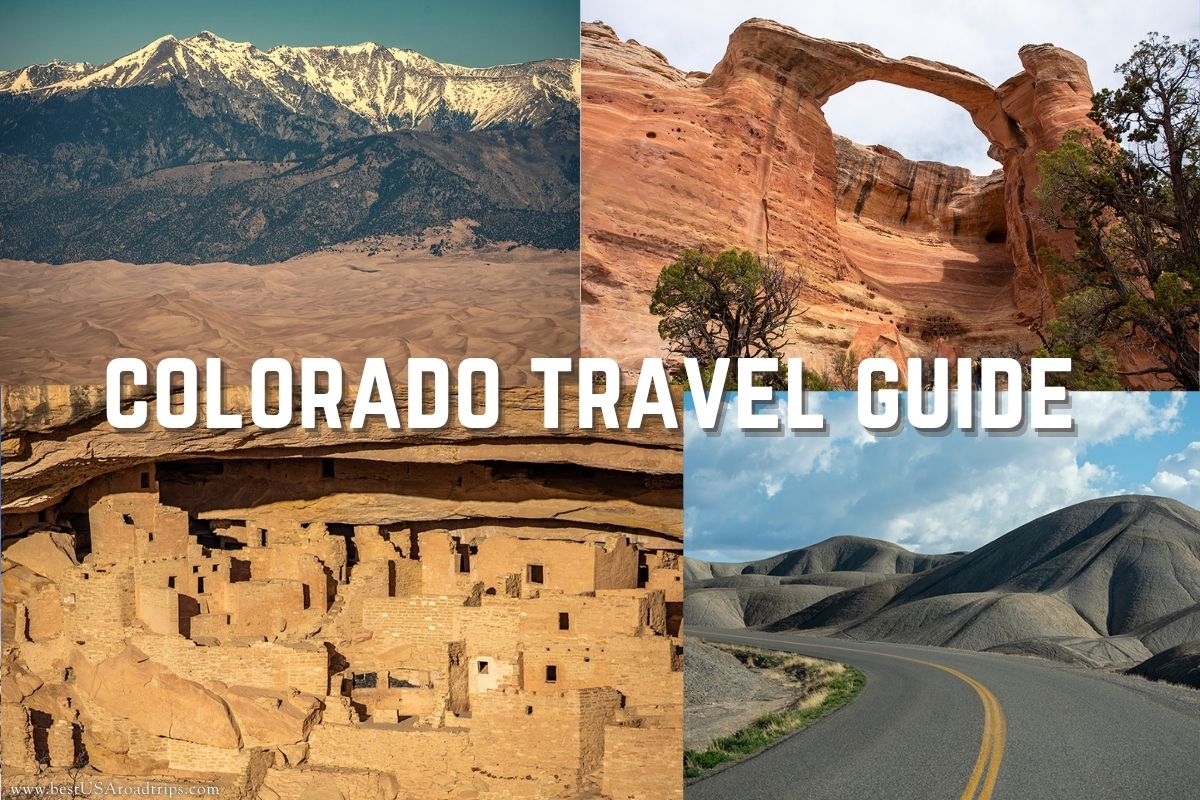
Colorado is one of the best states in the USA for a road trip. Few places offer such a dramatic mix of alpine scenery, mountain roads, deep canyons, historic towns, and outdoor adventures in one state. You can drive over high mountain passes in the morning, hike among sand dunes in the afternoon, and end the day surrounded by red rock canyons or snow-covered peaks.
The state is home to four national parks—Rocky Mountain National Park, Great Sand Dunes National Park and Preserve, Black Canyon of the Gunnison National Park, and Mesa Verde National Park—along with some of the most scenic drives in the American West.
What makes Colorado different from many other states is how much the conditions can change depending on the season and elevation. A summer Colorado road trip through the mountains feels completely different from a fall foliage drive or a winter visit to alpine towns. Mountain passes can close unexpectedly, weather changes quickly, and distances often take longer than expected because of winding roads and elevation.
This guide breaks Colorado down into the best regions, scenic drives, national parks, mountain towns, and outdoor destinations. We also share practical road trip tips, realistic route ideas, and firsthand experiences to help you plan a Colorado trip step by step.
Our Experience Exploring Colorado
Colorado is also one of the states where weather and elevation play a huge role in travel planning. During different visits, we experienced everything from summer heat in canyon areas to snow along mountain passes. Conditions can change quickly, especially in the Rockies, and planning realistic driving distances is much more important here than many travelers expect.
We explored Colorado during multiple road trips across the American West, and it quickly became one of our favorite states for scenic driving and mountain travel. What makes Colorado special is the variety of landscapes packed into one state. In a single trip, you can drive across high alpine passes, explore deep canyons, walk through ancient cliff dwellings, and hike among the tallest sand dunes in North America.
One of the highlights of our travels in Colorado is that we visited all four national parks in the state: Rocky Mountain National Park, Great Sand Dunes National Park and Preserve, Black Canyon of the Gunnison National Park, and Mesa Verde National Park. Each one feels completely different, which makes Colorado one of the most diverse states for a road trip.

Some of our favorite experiences came from scenic drives and lesser-known areas outside the most famous destinations. Driving the Million Dollar Highway between Silverton and Ouray was one of the most unforgettable mountain roads we have ever experienced. We also loved exploring western Colorado, including places like Colorado National Monument and Rattlesnake Arches, which receive far fewer visitors than the more famous parks.
Everything in this guide is based on our own Colorado road trip experiences. We focus on what is truly worth your time, how to combine regions into a realistic route, and what to expect when traveling through one of the best mountain road trip states in the USA.
Best Places to Visit in Colorado
Colorado is one of the few states where almost every region feels completely different. Some areas are dominated by towering Rocky Mountain peaks and alpine lakes, while others look more like the desert landscapes of Utah. Because of this variety, Colorado works well for both short scenic getaways and longer road trips across multiple regions.
Rocky Mountain National Park & Estes Park
Rocky Mountain National Park is Colorado’s most famous national park and one of the most visited mountain parks in the USA. The park is known for alpine lakes, wildlife, dramatic mountain scenery, and Trail Ridge Road — one of the highest paved roads in North America.
Nearby Estes Park is the main gateway town. It’s a popular base for hiking, scenic drives, and wildlife viewing. The town is also home to the historic The Stanley Hotel, famous for inspiring Stephen King’s The Shining.
Guides on our blog:
Million Dollar Highway & the San Juan Mountains
Southwestern Colorado is home to some of the most spectacular mountain scenery in the state.
The Million Dollar Highway between Silverton and Ouray is one of the best scenic drives in the American West. The route climbs through steep mountain terrain with dramatic drop-offs, sharp curves, waterfalls, and alpine views almost the entire way.
This region is also known for:
- historic mining towns
- scenic mountain passes
- jeep roads and hiking trails
- fall foliage drives
Guides on our blog:
Great Sand Dunes National Park
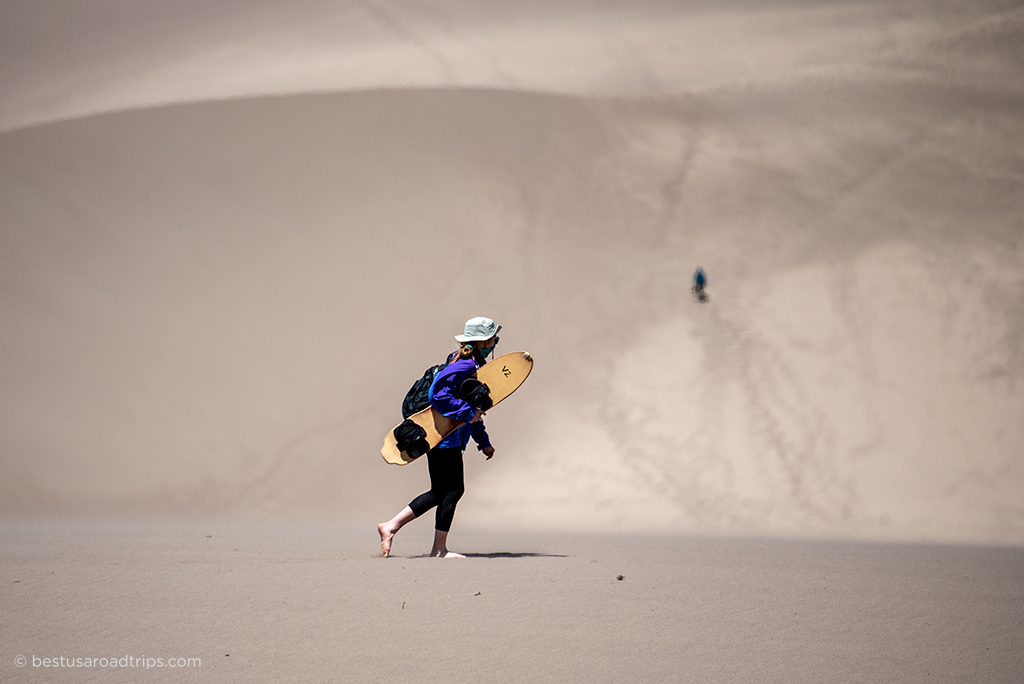
Great Sand Dunes National Park and Preserve protects the tallest sand dunes in North America. Some dunes rise over 700 feet high against the backdrop of the Sangre de Cristo Mountains.
The park feels very different from the rest of Colorado and is one of the most unique landscapes in the Southwest. Popular activities include hiking the dunes, sandboarding, stargazing, and exploring Medano Creek during late spring and early summer.
Great Sand Dunes National Park Guides:
Black Canyon of the Gunnison
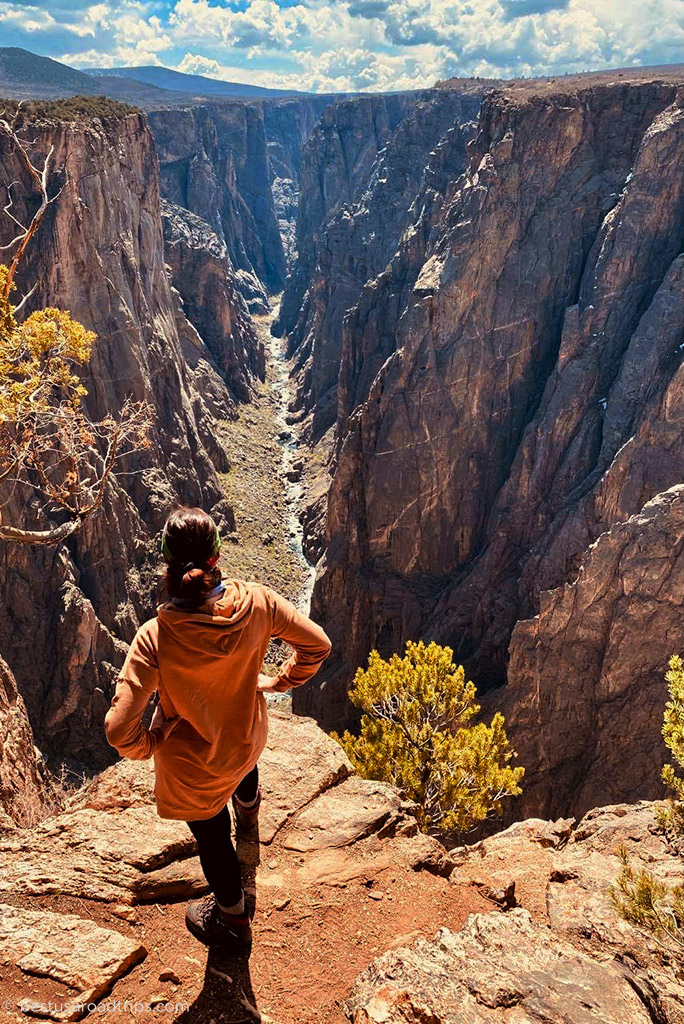
Black Canyon of the Gunnison National Park is one of the least visited national parks in Colorado, but also one of the most dramatic.
The canyon is extremely steep and narrow, with dark cliffs dropping nearly 2,000 feet to the Gunnison River below. Scenic overlooks along the South Rim provide some of the best views, especially at sunrise and sunset.
Black Canyon of the Gunnison Guides:
Mesa Verde National Park
Mesa Verde National Park combines history and landscape unlike anywhere else in Colorado.
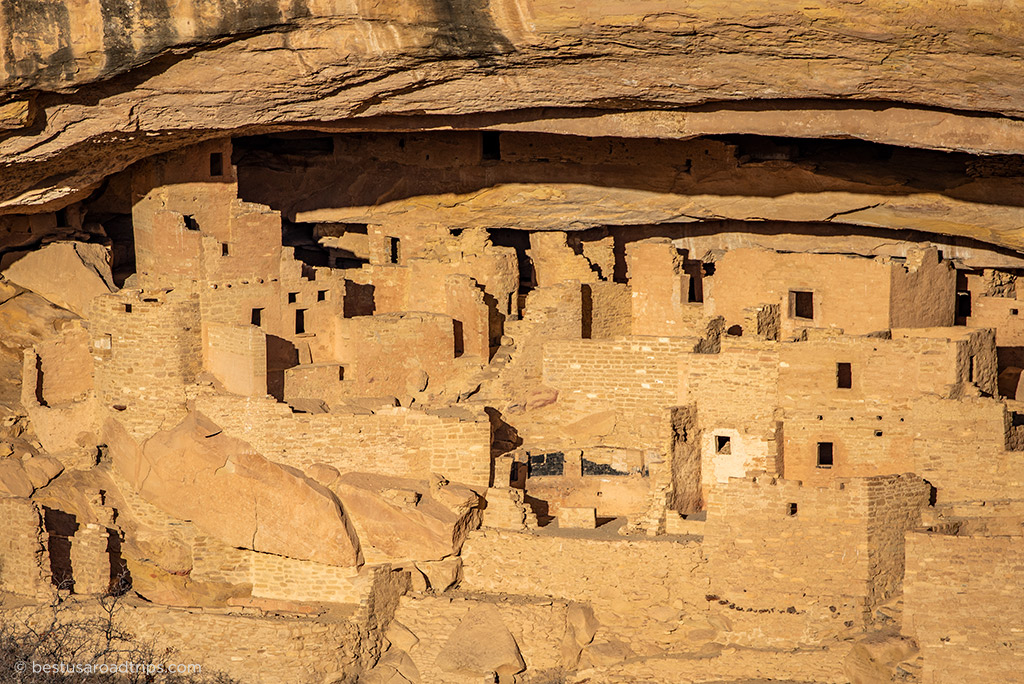
The park protects thousands of archaeological sites built by Ancestral Puebloans, including famous cliff dwellings carved into sandstone alcoves. It’s one of the most culturally important destinations in the American Southwest.
Mesa Verde National park Guides:
Colorado Springs & Garden of the Gods
Colorado Springs is one of the most popular outdoor destinations in Colorado.
Nearby Garden of the Gods is famous for its towering red rock formations surrounded by mountain views. The park is free to visit and offers easy walking trails, scenic viewpoints, and some of the most photographed landscapes in Colorado.
Colorado Springs & Garden of the Gods Guides:
- Garden of the Gods Park (Colorado Springs): 15 Best Things to Do & How to Explore
- Driving Pikes Peak Highway: Ultimate Guide to America’s Mountain Road
Western Colorado & Hidden Gems
Western Colorado often receives fewer visitors than the central Rockies, but it contains some of the state’s most underrated landscapes.
Places like:
- Colorado National Monument
- Rattlesnake Arches
- canyon landscapes near Grand Junction
offer a very different side of Colorado, with red rock scenery, desert hiking, and scenic drives that feel closer to Utah than the Rocky Mountains.
Western Colorado & Hidden Gems Guides:
Best Things to Do in Colorado

Colorado is one of the best states in the USA for outdoor adventures and scenic road trips. The best experiences are not limited to national parks. Some of the highlights come from mountain drives, alpine hikes, historic towns, and remote areas far from the biggest tourist crowds.
Drive Colorado’s Scenic Mountain Roads
Colorado is one of the best states in the country for scenic drives.
Some of the most famous routes include:
- Million Dollar Highway
- Trail Ridge Road
- San Juan Skyway
- Pikes Peak Highway
These roads take you through alpine passes, historic mining towns, deep canyons, and mountain scenery that changes constantly with elevation and season.
Hike to Alpine Lakes and Mountain Viewpoints
Hiking is one of the top reasons people visit Colorado.
You’ll find:
- alpine lakes
- waterfalls
- mountain ridges
- wildflower meadows
- high elevation trails
Some hikes are short and easy, while others climb well above 10,000 feet. Even popular areas like Rocky Mountain National Park offer trails for very different skill levels.
Explore Colorado’s National Parks
Colorado’s four national parks are completely different from each other.
You can:
- hike among alpine peaks in Rocky Mountain National Park
- climb giant dunes in Great Sand Dunes National Park and Preserve
- stand above steep cliffs in Black Canyon of the Gunnison National Park
- explore ancient cliff dwellings in Mesa Verde National Park
This variety is one of the things that makes Colorado such a strong road trip state.
Visit Historic Mountain Towns
Mountain towns are a huge part of Colorado’s identity.
Places like:
- Ouray
- Silverton
- Telluride
- Durango
combine mountain scenery with historic buildings, scenic railroads, local restaurants, and outdoor activities. Many former mining towns still keep their Old West atmosphere.
Experience Fall Colors in the Rockies
Colorado is one of the best states in the USA for fall foliage.
Aspen trees usually peak between mid-September and early October depending on elevation and weather. Scenic drives through the San Juan Mountains and central Rockies become especially popular during this period.
Explore Red Rock Landscapes and Canyons
Not all of Colorado looks alpine.
Western Colorado has:
- desert canyons
- sandstone cliffs
- red rock formations
- natural arches
Places like Colorado National Monument and Rattlesnake Arches offer landscapes that feel closer to Utah than the Rockies.
Go Stargazing in High Elevation Areas
Colorado’s mountains and remote regions offer excellent stargazing opportunities.
High elevation areas often have:
- low light pollution
- clear dry air
- wide open night skies
Remote regions near Great Sand Dunes and western Colorado are especially good for astrophotography.
Drive Above the Tree Line
One of the most unique Colorado experiences is driving above the tree line.
Roads like:
- Trail Ridge Road
- Pikes Peak Highway
- high alpine passes in the San Juan Mountains
take you into landscapes that feel almost alpine tundra-like, with dramatic views and rapidly changing weather conditions.
Visit Ghost Towns and Historic Mining Areas
Colorado has a strong mining history, especially in the mountains.
Across the state, you’ll find:
- abandoned mining structures
- preserved ghost towns
- scenic mountain railroads
- old mining roads
These places add another layer to a Colorado road trip beyond hiking and scenery.
Combine Multiple Landscapes in One Trip
What makes Colorado special is how much variety you can experience in one route.
You can:
- hike in the mountains
- drive through canyons
- explore historic towns
- visit sand dunes and desert landscapes
all within the same road trip.
Colorado Road Trip Ideas

Colorado is one of the best road trip states in the USA, but routes here require more planning than many travelers expect. Mountain roads are slower than they look on the map, weather changes quickly, and elevation can affect both driving and hiking plans.
From our experience, the best Colorado trips are built around regions rather than trying to see the entire state in one loop.
5–7 Day Colorado Road Trip (Classic Mountains Route)
If it’s your first trip to Colorado, focus on the central Rockies and mountain towns.
Example route:
- Denver
- Estes Park
- Rocky Mountain National Park
- Breckenridge
- Aspen
- Glenwood Springs
This route combines:
- scenic drives
- alpine landscapes
- mountain towns
- hiking opportunities
Southwest Colorado Road Trip (Most Scenic)
Southwestern Colorado is one of the most beautiful parts of the state.
Example route:
- Durango
- Silverton
- Ouray
- Telluride
- Mesa Verde National Park
This route includes:
- Million Dollar Highway
- San Juan Mountains
- historic mining towns
- dramatic mountain scenery
Fall is especially popular because of the aspen colors. Southern Colorado also combines perfectly with New Mexico for travelers interested in scenic mountain drives, desert landscapes, historic towns, and Southwest culture.
National Parks Road Trip
Colorado’s four national parks can be combined into one larger route.
Example:
- Rocky Mountain National Park
- Great Sand Dunes National Park
- Mesa Verde National Park
- Black Canyon of the Gunnison
This trip works best with at least 14 days because driving distances are significant.
Many national park road trips combine Colorado with Arizona for travelers wanting to experience both Rocky Mountain scenery and iconic Southwest landscapes like the Grand Canyon, Monument Valley, and the red rock regions of northern Arizona.
Colorado National Parks Road Trip Guides:
Western Colorado & Red Rock Route
Western Colorado offers a completely different experience from the central Rockies.
Example route:
- Grand Junction
- Colorado National Monument
- Rattlesnake Arches
- Black Canyon of the Gunnison
This region combines:
- canyon landscapes
- desert scenery
- scenic drives
- less crowded hiking areas
Colorado & Utah Combination Road Trip
Colorado combines very well with Utah.
Popular route:
- Moab
- Arches National Park
- Canyonlands
- western Colorado
- San Juan Mountains
This gives you a mix of:
- red rock deserts
- alpine mountains
- scenic highways
What Makes Colorado Road Trips Different
Colorado road trips are not just about distance.
You also need to consider:
- elevation changes
- mountain weather
- slower driving speeds on passes
- afternoon summer storms
- seasonal road closures
A 200-mile driving day in Colorado can feel much longer than in desert states like Arizona or New Mexico.
Our Biggest Colorado Road Trip Tip
Avoid rushing between destinations.
Colorado works best when you:
- stay multiple nights in mountain regions
- leave time for scenic stops
- avoid overpacking your itinerary
- keep flexible plans for weather changes
The best moments often happen between the main destinations, especially along mountain roads and scenic overlooks.
Best Time to Visit Colorado

Colorado is a year-round destination, but the experience changes dramatically depending on the season and elevation. Weather in the mountains can shift quickly, and some roads or hiking trails are only accessible for a few months each year.
From our experience, timing is one of the most important parts of planning a Colorado road trip.
Summer (June–August) — Best for Mountain Road Trips
Summer is the most popular season in Colorado.
Typical temperatures:
- Denver: ~80–90°F daytime
- mountain towns: ~65–80°F
- high elevations: much cooler, especially mornings and nights
This is the best time for:
- alpine hiking
- scenic mountain drives
- Trail Ridge Road
- high mountain passes
- national parks
However:
- afternoon thunderstorms are common in the mountains
- popular destinations become crowded
- reservations are often needed
Fall (September–Early October) — Best Overall Season
Fall is one of the best times to visit Colorado for road trips and photography.
Typical temperatures:
- Denver: ~65–80°F daytime in September
- mountain towns: ~50–70°F daytime
- nights in higher elevations: often 25–40°F
This season offers:
- stable weather
- lower humidity
- fewer afternoon storms than summer
- excellent visibility in the mountains
Fall is especially famous for:
- aspen foliage
- scenic drives
- mountain photography
Peak fall colors usually occur:
- late September in higher elevations
- early October in lower mountain areas
Important:
- temperatures drop quickly after sunset
- early snowstorms are possible at higher elevations even in September
Winter (November–March) — Snow & Winter Driving Conditions
Winter completely changes travel conditions in Colorado.
Typical temperatures:
- Denver: ~30–50°F daytime
- mountain towns like Ouray or Breckenridge: ~15–35°F daytime
- high elevations above 10,000 ft: often below 0–20°F at night
Snow is common across the Rockies, especially from December through March.
Important realities:
- mountain passes can become dangerous during storms
- icy roads and chain restrictions are possible
- weather changes quickly at elevation
This season is best for:
- skiing and snowboarding
- winter photography
- snowy mountain scenery
But it requires:
- flexible travel plans
- winter driving confidence
- checking road conditions daily
Spring (April–May) — Unpredictable but Less Crowded
Spring in Colorado changes dramatically depending on elevation.
Typical temperatures:
- Denver & lower elevations: ~55–75°F daytime
- mountain towns: ~40–65°F daytime
- high elevations: snow still possible well into May
This is the transition season between winter and summer.
What to expect:
- snowmelt in the mountains
- muddy hiking trails at higher elevations
- waterfalls and rivers running stronger
- fewer crowds than summer
Important:
- many alpine roads remain closed
- Trail Ridge Road often does not fully open until late May or even June depending on snowfall
- mountain weather can change quickly during the day
Spring works best for:
- lower elevation road trips
- western Colorado
- canyon and desert areas
- avoiding peak summer crowds
Where to Stay in Colorado

Choosing the right base in Colorado is extremely important because mountain driving takes much longer than many travelers expect. Distances on the map may look short, but winding roads, elevation changes, traffic, and weather conditions can easily double travel times.
From our experience, Colorado works best when you stay in several different regions instead of trying to use one hotel as a base for the entire trip.
Estes Park — Best Base for Rocky Mountain National Park
Estes Park is the main gateway town for Rocky Mountain National Park.
Why it works:
- quick access to park entrances
- wildlife viewing nearby
- many hotels, lodges, and cabins
- good location for Trail Ridge Road
This is one of the most convenient bases for first-time visitors to Colorado.
Ouray & Silverton — Best for Scenic Mountain Drives
Ouray and Silverton are perfect bases for exploring the San Juan Mountains.
These towns are ideal for:
- Million Dollar Highway
- jeep roads and alpine passes
- hiking
- fall colors
- mountain photography
Important:
- accommodations are limited in peak season
- prices increase significantly during fall foliage season
Grand Junction — Best Base for Western Colorado
Grand Junction works very well for exploring:
- Colorado National Monument
- Rattlesnake Arches
- canyon landscapes in western Colorado
Compared to mountain resort towns:
- hotels are usually more affordable
- roads are easier to drive year-round
- temperatures are warmer
Colorado Springs — Best for Easy Access & Short Trips
Colorado Springs is a practical base for:
- Garden of the Gods
- Pikes Peak Highway
- nearby hiking areas
This area works especially well for:
- shorter trips
- families
- travelers who prefer easier access and lower elevation than mountain towns
Great Sand Dunes Area — Best for Sunrise & Stargazing
The closest towns to Great Sand Dunes National Park and Preserve are small and remote.
Many travelers stay in:
- Alamosa
- nearby campgrounds
- cabins near the park
Staying close is important because:
- sunrise and sunset are the best times to visit the dunes
- stargazing is excellent at night
- driving distances in the region are long
Camping & RV Travel in Colorado
Colorado is one of the best states in the USA for camping and RV travel.
Options include:
- national park campgrounds
- national forest campgrounds
- BLM land camping in some regions
- private RV parks near mountain towns
Important things to know:
- summer campgrounds book out early
- many mountain campgrounds are seasonal
- some roads are difficult for large RVs
- nights can become cold even in summer at elevation
Our Biggest Accommodation Tip
Avoid changing hotels every night.
Colorado road trips work much better when you:
- stay 2–3 nights in one region
- reduce mountain driving fatigue
- leave flexibility for weather changes
This gives you more time to enjoy the scenery instead of constantly packing and driving.
Important Travel Tips for Colorado
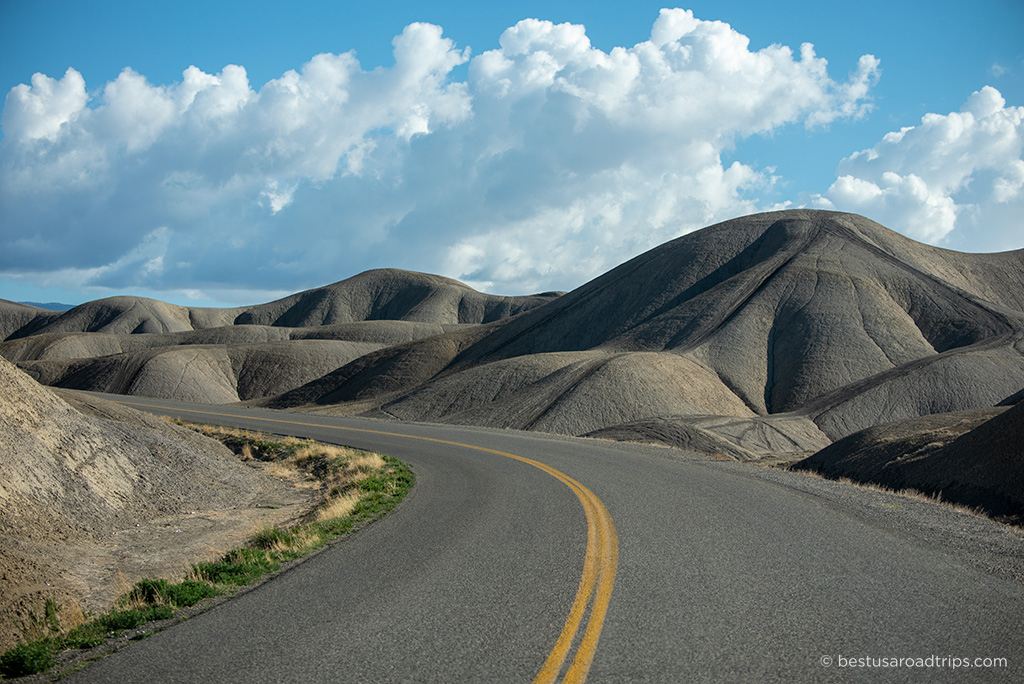
Colorado road trips require more preparation than many travelers expect. Mountain weather, elevation, and driving conditions can change quickly, especially outside major cities. These are the things that matter most when planning a trip.
Don’t Underestimate Elevation
Many Colorado destinations sit well above 7,000 feet.
Examples:
- Denver: ~5,280 ft
- Estes Park: ~7,500 ft
- Trail Ridge Road: over 12,000 ft
At high elevation, you may experience:
- headaches
- shortness of breath
- fatigue
- dehydration
Take it slow during your first days and drink more water than usual.
Mountain Driving Takes Longer Than Expected
Driving in Colorado is very different from driving in desert states.
Reasons include:
- winding mountain roads
- steep grades
- slow traffic in scenic areas
- weather changes
A 200-mile route in the Rockies can easily take most of the day.
Weather Changes Quickly in the Mountains
Colorado mountain weather is unpredictable.
Even in summer:
- mornings can feel cold
- thunderstorms develop quickly in the afternoon
- temperatures drop fast after sunset
Always bring:
- layers
- rain jacket
- warm clothing for higher elevations
Afternoon Storms Are Common in Summer
During July and August, storms often develop after noon.
This is especially important for:
- hiking above tree line
- alpine lake trails
- mountain summits
The safest strategy:
- start hikes early
- avoid exposed ridges in the afternoon
Lightning in Colorado mountains is a real danger.
Check Mountain Pass & Road Conditions
Some scenic roads close seasonally or temporarily because of snow or storms.
Roads that commonly experience closures:
- Trail Ridge Road
- high alpine passes in the San Juan Mountains
Before driving:
- check Colorado DOT conditions
- verify pass openings
- prepare for delays during storms
Book Popular Areas Early
Summer and fall are extremely busy in Colorado.
This is especially true for:
- Estes Park
- Telluride
- Ouray
- Rocky Mountain National Park area
Hotels and campgrounds often sell out months ahead during peak season.
Prepare for Large Temperature Swings
One of the biggest surprises for first-time visitors is how quickly temperatures change.
You can experience:
- 85°F during the day
- near-freezing temperatures at night in the mountains
This happens even in summer.
Wildlife Is Common on Roads
Wildlife crossings are very common in mountain regions.
You may encounter:
- elk
- deer
- bighorn sheep
Driving after dark in mountain areas requires extra caution.
Gas Stations Can Be Limited in Mountain Regions
Remote mountain routes may have long stretches without services.
Always:
- refill before mountain drives
- avoid letting your tank get too low
- carry water and snacks for longer drives
Reservations Are Increasingly Common
Some areas now require advance planning.
Examples:
- timed entry reservations in Rocky Mountain National Park during peak season
- campground reservations months ahead
Checking official park websites before your trip is essential.
Colorado rewards travelers who plan realistically and stay flexible. Weather, elevation, and road conditions are all part of the experience, especially in the mountains.
Colorado Regions Explained
Colorado is much more diverse than many travelers expect. Different parts of the state feel almost like separate destinations, with major differences in scenery, elevation, climate, and travel style. Understanding these regions helps you build a more realistic and enjoyable road trip.
Front Range & Central Rockies
This is the most visited part of Colorado and the area where many trips begin.
Key areas:
- Denver
- Boulder
- Estes Park
- Rocky Mountain National Park
What to expect:
- easy access from Denver International Airport
- alpine scenery
- popular hiking areas
- heavy summer traffic in some locations
This region works well for:
- first-time visitors
- shorter mountain trips
- scenic drives and hiking
San Juan Mountains (Southwestern Colorado)
This is one of the most dramatic mountain regions in the American West.
Key areas:
- Ouray
- Silverton
- Telluride
- Durango
What to expect:
- steep mountain roads
- historic mining towns
- alpine passes above 11,000 ft
- some of Colorado’s best fall colors
This region is famous for:
- Million Dollar Highway
- jeep trails
- scenic mountain photography
- rugged mountain scenery
Western Colorado & Canyon Country
Western Colorado feels very different from the central Rockies.
Key areas:
- Grand Junction
- Colorado National Monument
- Rattlesnake Arches
What to expect:
- red rock landscapes
- desert canyons
- warmer temperatures
- fewer crowds than mountain resort areas
This region is ideal for:
- spring and fall travel
- scenic drives
- desert hiking
Southern Colorado
Southern Colorado combines mountains, desert landscapes, and historic sites.
Key areas:
- Great Sand Dunes National Park and Preserve
- Alamosa
- Mesa Verde National Park
What to expect:
- huge elevation changes
- wide open landscapes
- quieter roads and smaller towns
This region works especially well for:
- road trips between Colorado and New Mexico
- stargazing
- photography
Eastern Colorado Plains
Most travelers skip eastern Colorado, but it forms a huge part of the state geographically.
What to expect:
- flat prairie landscapes
- agricultural regions
- long open highways
This area is usually more of a transit region than a tourism destination for road trippers exploring the Rockies.
Why These Regions Matter
Colorado road trips become much easier when you understand regional differences.
For example:
- western Colorado = desert landscapes
- San Juan Mountains = alpine roads and passes
- Front Range = easier access and popular parks
Trying to combine all regions too quickly often leads to exhausting driving days and rushed itineraries.
From our experience, Colorado works best when you focus on one or two regions at a time instead of trying to see the entire state in one trip.
All Colorado Travel Guides
Below you’ll find all our Colorado travel guides organized by destination and topic. Use this section to quickly find detailed articles, hiking guides, scenic drives, and road trip planning resources.
Colorado National Parks
- Rocky Mountain National Park Travel Guide
- Things To Do in Rocky Mountain National Park
- Great Sand Dunes National Park Travel Guide
- Things To Do in Great Sand Dunes National Park
- Black Canyon of the Gunnison Travel Guide
- Things To Do in Black Canyon of the Gunnison
- Mesa Verde National Park Travel Guide
- Things To D in Mesa Verde National Park
- The Stanley Hotel in Estes Park
Scenic Drives & Mountain Roads
- Million Dollar Highway Guide
- Pikes Peak Highway Guide
- San Juan Mountains Scenic Drive Guide
- Trail Ridge Road Guide
- Garden of the Gods Park
Western Colorado & Hidden Gems
- Colorado National Monument Guide
- Rattlesnake Arches Hiking Guide
- Grand Junction Travel Guide
Mountain Towns & Destinations
- Ouray Travel Guide
- Silverton Travel Guide
- Telluride Travel Guide
- Estes Park Travel Guide
- Durango Travel Guide
Hiking & Outdoor Adventures
- Best Hikes in Colorado
- Alpine Lakes Hiking Guide
- Colorado Fall Colors Guide
- Colorado Stargazing Guide
Road Trips & Planning
- Colorado Road Trip Itinerary
- Colorado Travel Tips
- Colorado Camping & RV Guide
- Colorado Scenic Drives Guide
- Colorado Packing List
This section will continue to grow as we publish more Colorado guides, including additional hiking trails, mountain towns, scenic routes, and detailed national park itineraries across the state.
What to Pack for a Colorado Road Trip?
Colorado road trips require preparation for rapidly changing mountain weather and major elevation differences.
We strongly recommend packing:
- warm layers, even in summer
- waterproof rain jacket
- hiking boots or trail shoes
- sun protection
- reusable water bottles
In the Rockies, temperatures can drop quickly after sunset, especially above 8,000–10,000 feet. Afternoon summer storms are also common in the mountains.
If your trip includes alpine hikes or scenic mountain drives, always prepare for colder and windier conditions than forecasted in nearby cities. See our complete Colorado packing list.
Plan Your Colorado Road Trip
Colorado is one of the best states in the USA for scenic road trips, but it’s also one of the easiest places to underestimate. Mountain driving takes time, weather changes quickly, and trying to see too much in one trip often leads to exhausting travel days instead of enjoying the scenery.
From our experience, the best Colorado trips focus on one or two regions at a time.
Start by deciding what type of trip you want:
- mountain scenery and alpine drives
- national parks and hiking
- scenic small towns
- canyon landscapes and hidden gems
Then build your route around realistic driving distances instead of trying to cross the entire state too quickly.
One of the biggest mistakes travelers make is assuming Colorado works like desert road trips in Arizona or Utah. In Colorado:
- roads are slower
- weather affects plans more often
- elevation changes everything
- mountain passes require extra time and flexibility
The best strategy is to:
- stay multiple nights in key regions
- leave room for scenic stops
- avoid overpacking your itinerary
- check weather and road conditions regularly
Colorado rewards travelers who slow down. Some of the best moments happen on scenic mountain roads, at alpine overlooks, or during unexpected stops in small mountain towns.
Use this guide as your starting point, then explore our detailed Colorado articles to plan your route step by step.
Colorado is one of those states that keeps pulling people back for another trip. With the right route and enough time, it easily becomes one of the most unforgettable road trip destinations in the American West.
Planning more road trips across the USA? Explore all our USA travel guides organized by state.
If you have questions while planning your Colorado trip, feel free to contact us: bestusaroadtrips@gmail.com. You can also follow our Facebook page where we share travel tips, scenic drives, and road trip inspiration from across the USA.