Mount Rushmore National Memorial Guide: How to Plan Your Visit and Best Things to Do
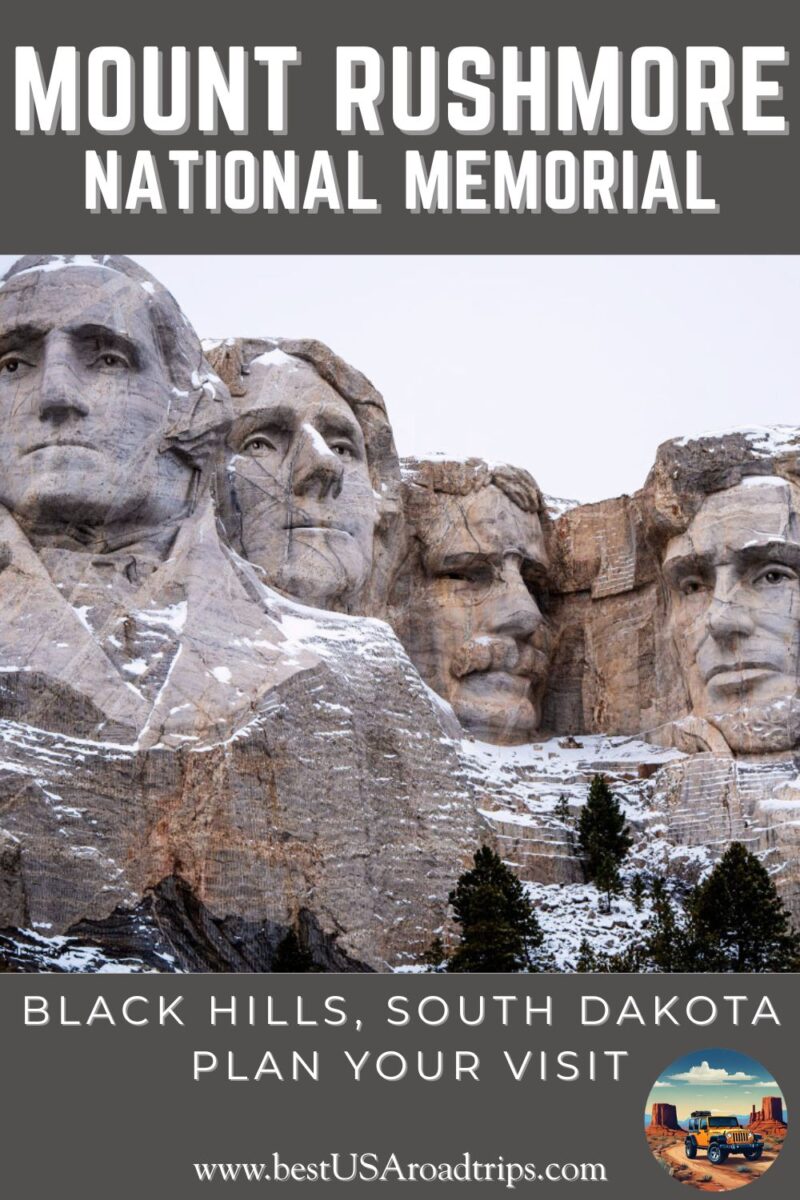
Carved high into the granite cliffs of South Dakota’s Black Hills, Mount Rushmore National Memorial stands as one of America’s most recognizable landmarks — a tribute to freedom, vision, and national identity. The massive faces of George Washington, Thomas Jefferson, Theodore Roosevelt, and Abraham Lincoln rise 60 feet tall above the pine-covered mountains, earning the monument its nickname: the “Shrine of Democracy.” In this complete guide, you’ll find everything you need to plan your visit — from when to go and how long to stay to what to do nearby in the Black Hills region. Whether you’re exploring the American West for the first time or adding Mount Rushmore to a longer South Dakota and Wyoming road trip, this stop belongs on every traveler’s bucket list.
This article may contain affiliate / compensated links. For full information, please see our disclaimer here.
Why Mount Rushmore Deserves a Spot on Your Road Trip
There’s something powerful about seeing Mount Rushmore for the first time. Even if you’ve seen it in photos a thousand times, standing beneath the towering granite faces carved into the Black Hills feels different — deeper, almost personal.
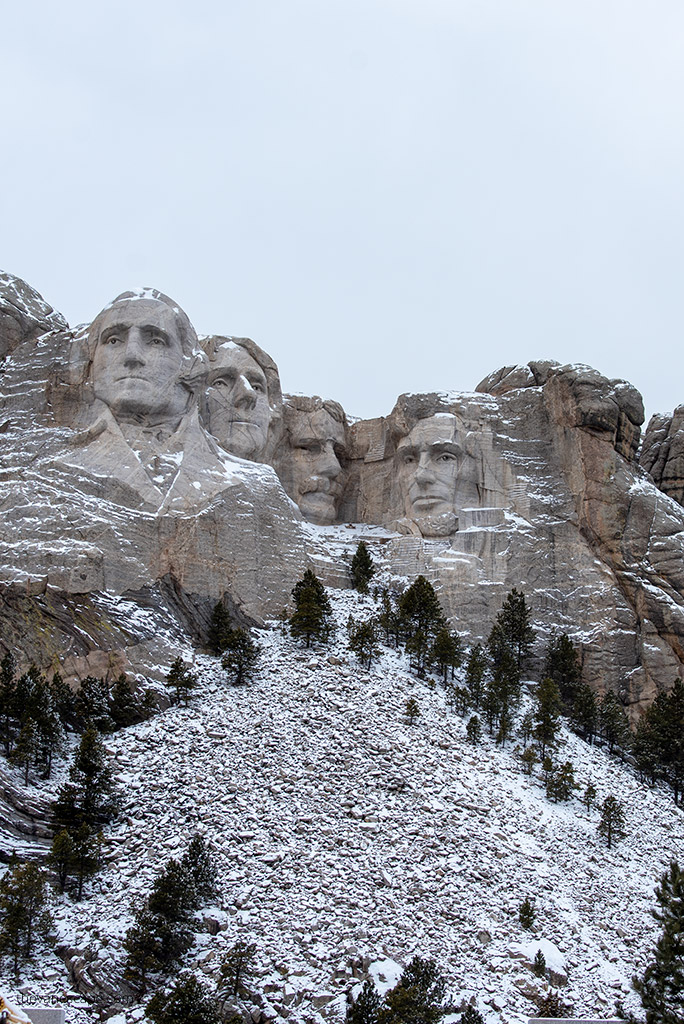
Chris and I visited Mount Rushmore during one of our winter road trips through South Dakota, when snow blanketed the pine-covered slopes and only a few visitors walked the quiet paths. The air was crisp, and the late afternoon light cast golden tones across the mountain. Despite the cold, it was the perfect time to experience this American icon without the crowds.
Mount Rushmore is more than a photo stop — it’s a place where history, art, and symbolism converge. Sculptor Gutzon Borglum created it to honor four presidents who shaped the nation’s birth, growth, development, and preservation. Today, it’s a symbol of democracy and determination, representing the ideals that helped build the United States.
Located in the heart of the Black Hills, it’s easy to include on a South Dakota or Wyoming road trip — whether you’re exploring Badlands National Park, Custer State Park, or driving west toward Devils Tower and Yellowstone. Even if you only have a few hours, Mount Rushmore is one of those places you simply have to see in person.
This national memorial should be on every USA road trip bucket list, a must-see landmark that perfectly blends history, art, and the spirit of the American West.
What Is Mount Rushmore National Memorial?
Mount Rushmore National Memorial is one of the most famous landmarks in the United States — a monumental sculpture carved directly into the granite cliffs of South Dakota’s Black Hills National Forest. It honors four U.S. presidents who represent the nation’s founding, expansion, preservation, and development:
- George Washington – symbolizing the birth of the nation.
- Thomas Jefferson – representing growth and the ideals of liberty.
- Theodore Roosevelt – reflecting progress, conservation, and global influence.
- Abraham Lincoln – embodying unity and equality.
Each face stands 60 feet (18 meters) tall, sculpted between 1927 and 1941 under the direction of artist Gutzon Borglum and his son Lincoln Borglum. More than 400 workers helped bring his vision to life, transforming a granite peak into what Borglum called a “monument to democracy.”
Mount Rushmore sits at 5,725 feet (1,745 meters) above sea level, overlooking a landscape sacred to the Lakota Sioux, who call this region Pahá Sápa, or “the Black Hills.” For many Indigenous communities, this area remains a place of deep spiritual importance.
Today, Mount Rushmore welcomes over two million visitors a year, serving as both an artistic masterpiece and a reminder of the complex history that shaped the United States.

Where Is Mount Rushmore and How to Get There
Mount Rushmore National Memorial is located in the Black Hills region of southwestern South Dakota, just outside the small town of Keystone. The area’s name comes from the Lakota phrase “Pahá Sápa,” meaning “the Black Hills,” a reference to how the forested mountains appear dark from a distance.
This part of South Dakota is perfect for a road trip, surrounded by national parks, historic towns, and scenic byways. Mount Rushmore sits within easy driving distance of several major attractions in the region.
Driving Distances
- Rapid City: 23 miles (35 minutes) – the closest city with hotels, restaurants, and an airport.
- Custer State Park: 20 miles (35 minutes) – great for wildlife viewing and scenic drives.
- Crazy Horse Memorial: 17 miles (30 minutes).
- Deadwood: 50 miles (1 hour).
- Badlands National Park: 84 miles (1 hour 30 minutes).
- Devils Tower National Monument (Wyoming): 130 miles (2.5 hours).
- Yellowstone National Park (Wyoming): about 430 miles (8 hours).
Best Routes
- From Rapid City, take US-16 South to Keystone, then follow SD-244 West directly to the memorial.
- From Custer State Park or Crazy Horse Memorial, follow US-16A or the scenic Iron Mountain Road, which features winding curves, tunnels, and framed views of Mount Rushmore through the pines.
- From Badlands National Park, drive I-90 West to Rapid City, then connect via US-16 to Keystone.
Mount Rushmore is easily accessible year-round, though winter brings light snow and quieter roads — the perfect time for travelers seeking a peaceful visit.

Entrance Fees, Hours, and Parking Info (2026)
There’s no entrance fee to visit Mount Rushmore National Memorial, but all vehicles must pay a parking fee to enter the main complex.
Parking Fees
- Private vehicles: $10 per day
- Seniors (62+): $5
- Active-duty military: Free
- Motorcycles, buses, and RVs: $10
Parking fees are valid for one year, so you can return within 12 months without paying again — perfect if you plan to visit in a different season. Overnight parking is not allowed within the memorial grounds.
Operating Hours
The memorial grounds are open year-round, 24 hours a day, though building and visitor center hours vary by season:
- Spring and Fall: 8:00 a.m. – 9:00 p.m.
- Summer (mid-May to mid-August): 8:00 a.m. – 10:00 p.m.
- Winter: 8:00 a.m. – 5:00 p.m.
All facilities are closed on December 25, but the outdoor areas remain open.
Visitor Services
Start your visit at the Lincoln Borglum Visitor Center, where you can:
- Pick up maps and learn about ranger programs
- Watch a short documentary about the sculpture’s creation
- Visit the museum and bookstore
- Check the schedule for the Evening Lighting Ceremony (May–September)
Before your trip, confirm updated hours and events on the official NPS website.
Best Time to Visit Mount Rushmore
The best time to visit Mount Rushmore is from late May through early October, when the weather is warm, the trails are open, and nearby attractions in the Black Hills — like Custer State Park and Crazy Horse Memorial — are at their best. These months offer clear skies, comfortable temperatures, and long daylight hours for exploring the monument and surrounding scenic drives.
Mount Rushmore National Memorial is open year-round, but the best season for your trip depends on what kind of experience you want.
Spring and Fall – Best Overall
April–May and September–October are ideal for smaller crowds, mild weather, and great photography light. Wildflowers bloom in spring, while fall brings golden tones to the pine forests of the Black Hills. Most trails and facilities remain open, and hotel rates are lower than in summer.
Summer – Long Days and Special Events
June through August is the busiest time, with about three million visitors each year. Expect crowds and full parking lots by mid-morning, but also enjoy the park’s longest daylight hours and evening ranger programs, including the Lighting Ceremony held nightly at the Amphitheater.
This moving presentation illuminates the presidential faces against the dark sky while patriotic music plays — a highlight of any summer visit.
Winter – Quiet and Serene
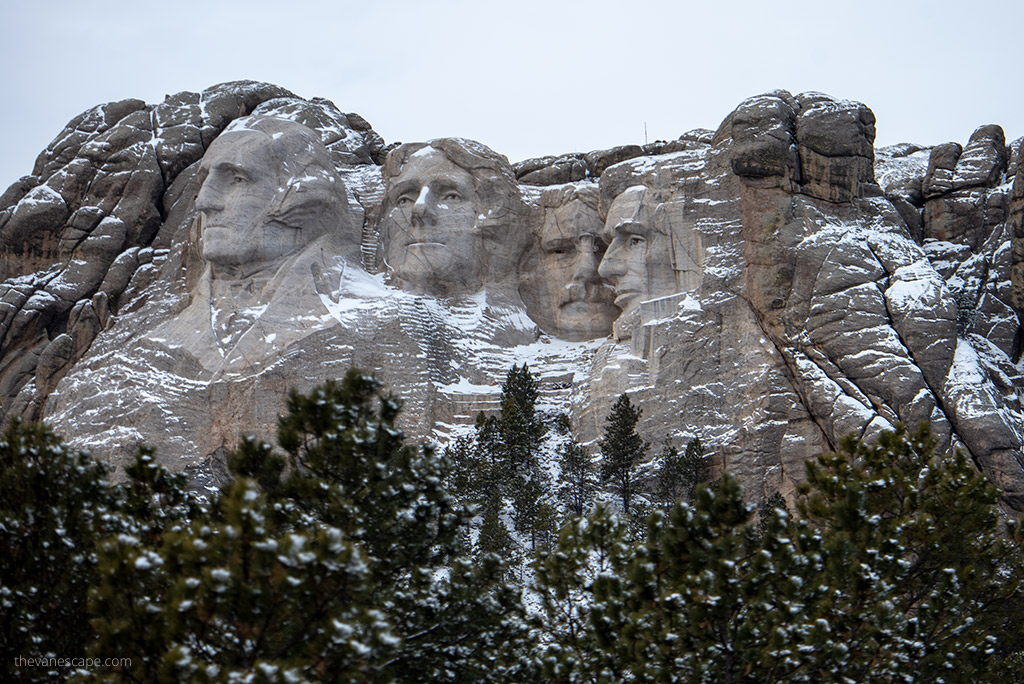
November through March brings cold temperatures and occasional snow, but the reward is solitude. Chris and I visited in winter and had the place nearly to ourselves. The air was crisp, the pines dusted with snow, and the stillness around the mountain felt powerful. If you don’t mind bundling up, winter is a magical time to visit.
Photography Tips
- Early morning offers the best light on the monument’s faces.
- Late afternoon adds warmer tones to the granite and surrounding forest.
- The Evening Lighting Ceremony (May–September) provides beautiful night photos when the monument is illuminated.


How Much Time You Need at Mount Rushmore
You can see Mount Rushmore National Memorial in as little as an hour, but plan for two to four hours to fully enjoy the experience without rushing.
If You Have One Hour
Walk through the Avenue of Flags, stop at the Grand View Terrace for those classic photos, and explore the Lincoln Borglum Visitor Center to learn how the monument was built.
If You Have Half a Day
Add the Presidential Trail, a 0.6-mile loop with 422 stairs that brings you closer to the sculpture’s base. Visit the museum exhibits, grab a snack at the café, and stay for the Evening Lighting Ceremony (May–September).
If You Have a Full Day
Combine your visit with nearby attractions like the Crazy Horse Memorial or a scenic drive through Custer State Park or the Iron Mountain Road. You’ll experience the best of the Black Hills in one unforgettable day.
Chris and I spent a few hours here during our winter road trip through South Dakota, and even with snow on the trails, the visit felt complete — quiet, meaningful, and beautifully framed by the frozen pines.

Best Things to Do at Mount Rushmore
Most visitors come for the famous view — but there’s much more to do at Mount Rushmore National Memorial than just taking photos. Here are the top experiences that make your visit memorable.
1. Start at the Lincoln Borglum Visitor Center
Begin your trip at the Visitor Center, where exhibits and a short film explain how sculptor Gutzon Borglum and his team carved the 60-foot granite faces between 1927 and 1941. You’ll also find a bookstore, restrooms, and a small museum with historic tools and photos.
The center opens daily at 8:00 a.m. (closed on December 25). Closing times vary by season — 5:00 p.m. in winter, 9:00 p.m. in fall, and 10:00 p.m. in summer.
2. Walk the Avenue of Flags
From the entrance plaza, stroll along the Avenue of Flags, lined with all 50 U.S. state flags. Each flag includes the state’s name and the date it joined the Union — a perfect spot for photos and a quick geography refresher.
3. Admire the Grand View Terrace
At the end of the Avenue of Flags, you’ll reach the Grand View Terrace, offering the most iconic and symmetrical view of Mount Rushmore. Visit early morning for soft light or late afternoon when the granite glows warm gold.
4. Hike the Presidential Trail
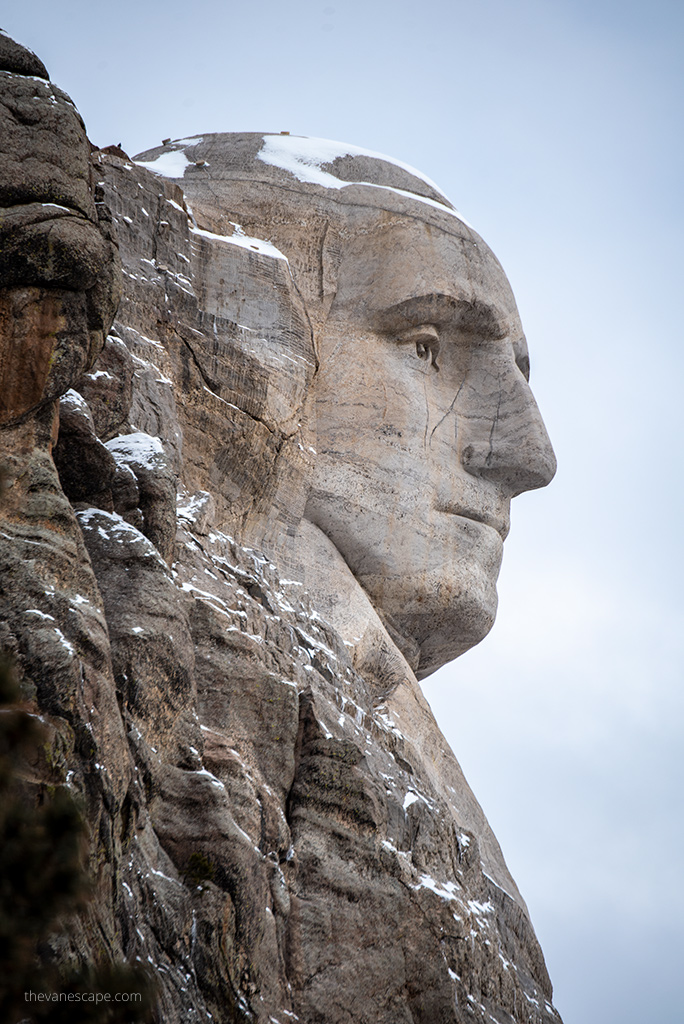
This short, scenic loop (0.6 miles, 422 stairs) winds through the pine forest and brings you closer to the base of the mountain. Along the way, you’ll find different viewing angles of each president’s face and several interpretive signs about the monument’s history and geology.
It’s moderately strenuous due to the stairs, but it’s the best way to truly appreciate the monument’s scale.
5. Join a Ranger Program
From May through September, rangers offer free talks, walks, and evening programs. The most popular is the Evening Lighting Ceremony, held nightly at the Amphitheater, where a short presentation ends with the illumination of the four presidential faces against the night sky. It’s both moving and patriotic — don’t miss it.
6. Explore the Sculptor’s Studio
Step inside the Sculptor’s Studio to see Borglum’s original models and tools. Rangers explain how workers used dynamite and detailed hand-carving techniques to shape the monument. It’s a fascinating look at the human effort behind the mountain.
7. Visit the Gift Shop and Café
The Carvers’ Café serves snacks, sandwiches, and ice cream (including the same recipe Thomas Jefferson introduced to America). The gift shop sells books, postcards, and locally made souvenirs — a nice stop before heading back on the road.
8. Catch the Monument from the Road
As you drive to or from the site, look for roadside pullouts offering different perspectives of the presidents. Some of the best views appear before you even reach the official parking area — so keep your camera handy.
Where to Stay Near Mount Rushmore
You’ll find plenty of places to stay near Mount Rushmore National Memorial, from small lodges tucked into the pines to full-service hotels in nearby towns. Where you stay depends on your travel style — whether you prefer walking distance to the monument or a livelier base for exploring the Black Hills.
Keystone – Closest to Mount Rushmore
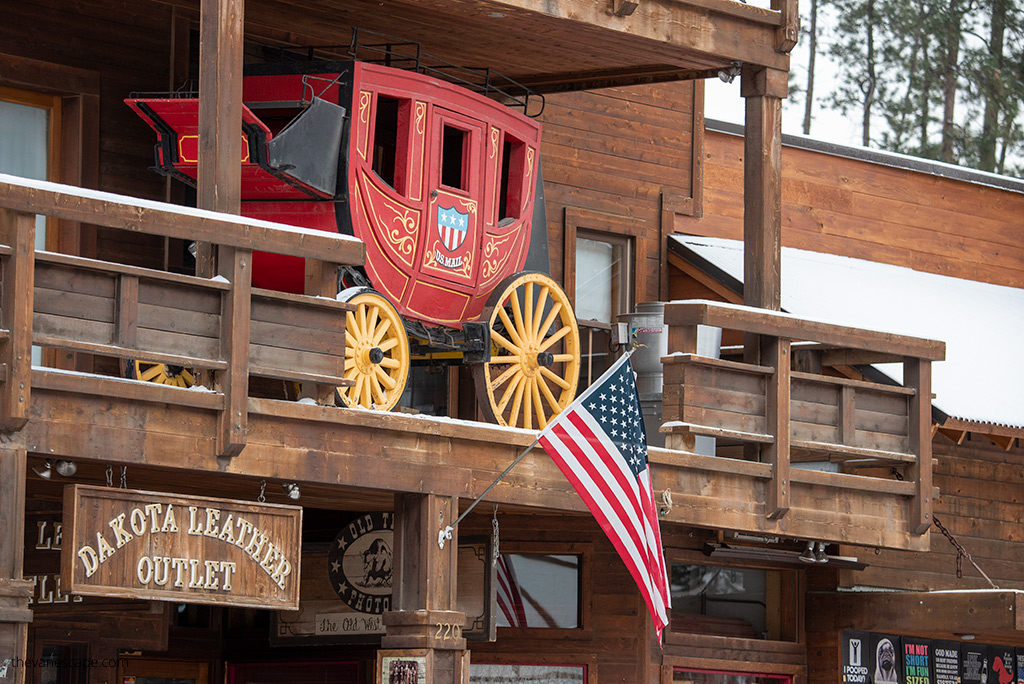
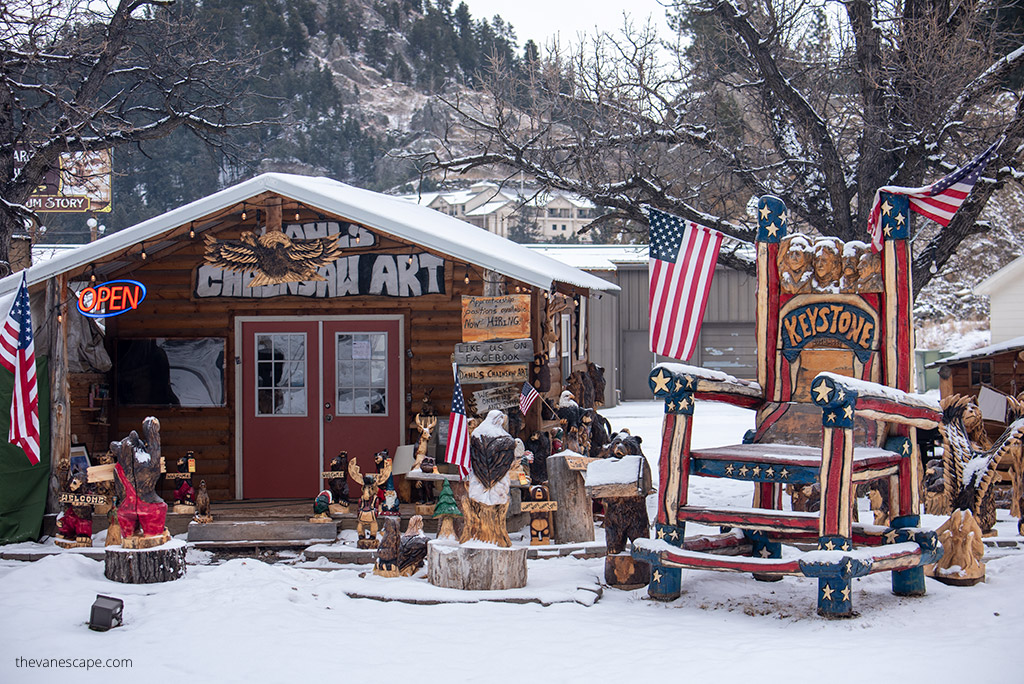
Keystone is the nearest town to Mount Rushmore, only 2.5 miles away. This small, mountain-style town fills up quickly in summer, so book early if you plan to stay nearby.
You’ll find wooden storefronts, souvenir shops, restaurants, and attractions like the Rushmore Tramway Adventures and Big Thunder Gold Mine.
Good options include:
- K Bar S Lodge, Ascend Hotel Collection – modern rooms with forest views and easy access to the monument.
- Roosevelt Inn Mount Rushmore – family-friendly and close to downtown Keystone.
- Super 8 by Wyndham Keystone/Mt. Rushmore – budget-friendly with clean, basic rooms.
Rapid City – Best for Variety
Rapid City, about 23 miles from Mount Rushmore, is the region’s main hub and a great base for exploring the entire Black Hills. Known as the “City of Presidents,” it features life-size bronze statues of every U.S. president along its downtown streets.
You’ll find dozens of hotels for all budgets, plus restaurants, breweries, and museums.
- Hotel Alex Johnson Rapid City, Curio Collection by Hilton – historic charm in the heart of downtown.
- The Rushmore Hotel & Suites – locally owned, eco-conscious, and stylish.
- Super 8 by Wyndham Rapid City – practical choice for travelers on a budget.
Deadwood – Best for History and Atmosphere
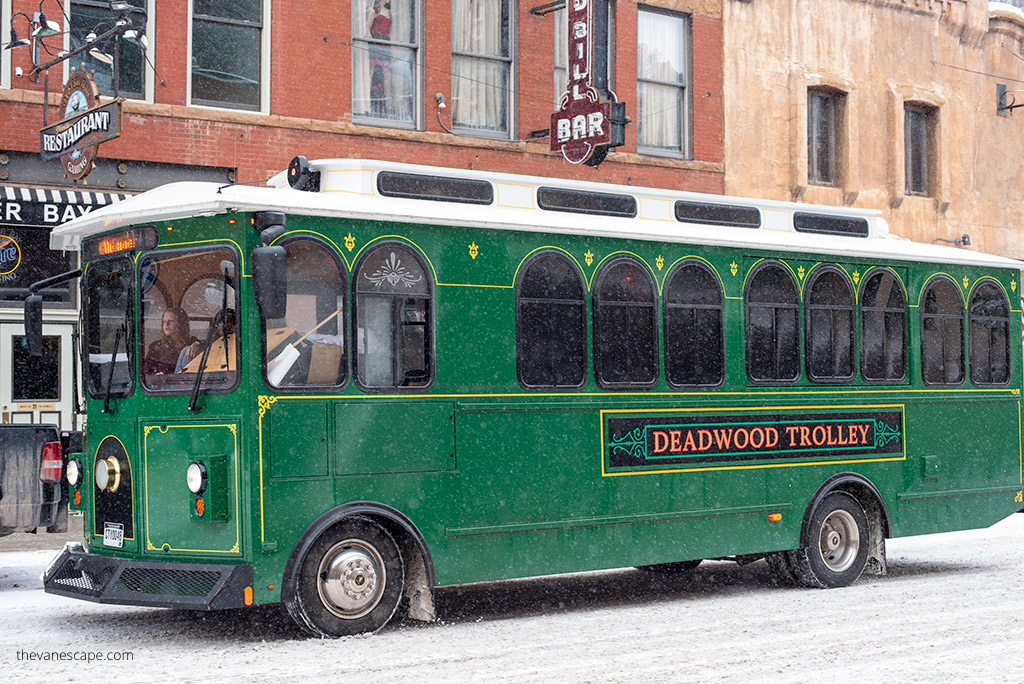
If you prefer a town with Wild West character, stay in Deadwood, about 50 miles northwest of Mount Rushmore. Once a booming gold rush town, Deadwood is now a lively mix of historic hotels, saloons, and casinos.
- The Lodge at Deadwood – modern mountain resort with a pool, casino, and scenic views.
- Historic Bullock Hotel – perfect for travelers who love old-west architecture and ghost stories.
Hotel prices here are a bit higher, but the atmosphere and history make it worth the detour.

Agnes’ Advice – Combine It with Nearby Attractions
A trip to Mount Rushmore fits perfectly into a South Dakota and Wyoming road trip, surrounded by some of the most scenic and historic landscapes in the American West. When we visited in winter, we combined Mount Rushmore with Badlands National Park and Devils Tower National Monument, and it turned into one of our favorite regional routes.
If you have more time, here are the best nearby places to add to your itinerary:
Custer State Park – Wildlife and Scenic Drives
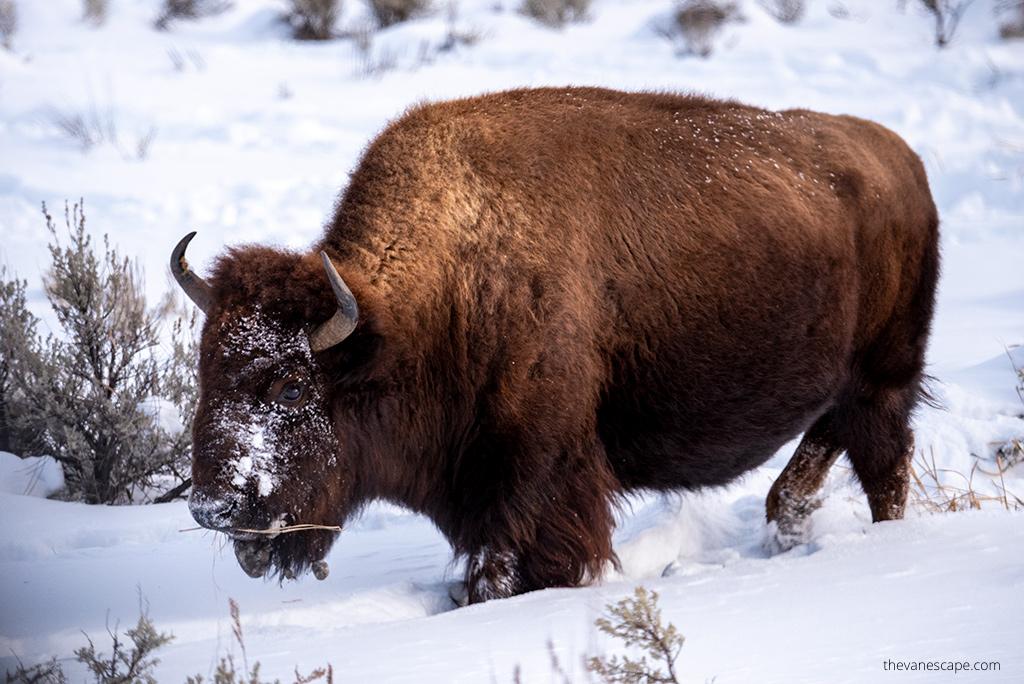
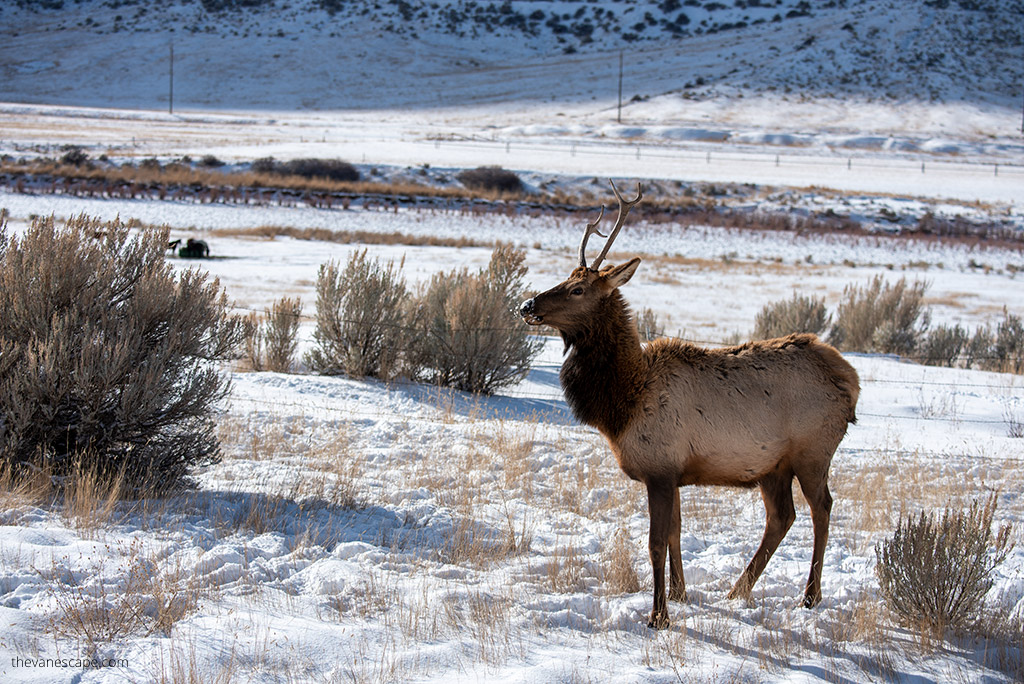
Just 20 miles south of Mount Rushmore, Custer State Park is one of the best wildlife-viewing areas in the West. More than 1,500 bison roam freely across the rolling grasslands, along with elk, pronghorn, mountain goats, and prairie dogs.
Drive the Wildlife Loop Road early morning or near sunset for the best chance to spot herds. The park also offers kayaking, hiking, and scenic routes like the Needles Highway — famous for its narrow tunnels and granite spires.
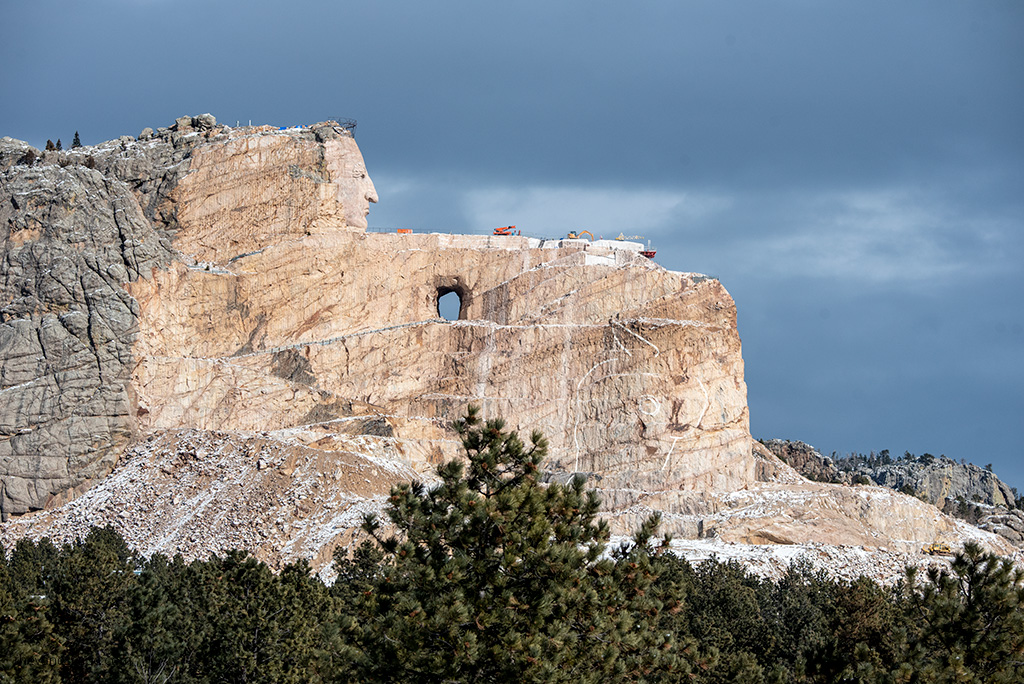
Crazy Horse Memorial – The World’s Largest Mountain Carving
About 17 miles from Mount Rushmore, the Crazy Horse Memorial honors the legendary Oglala Lakota warrior and celebrates Native American heritage. Still under construction since 1948, the finished sculpture will be the world’s second-tallest statue.
You can visit the on-site Indian Museum of North America and Native American Cultural Center to learn more about Indigenous art and traditions of the Great Plains.
Badlands National Park – Rugged and Wild
Roughly 84 miles east, Badlands National Park offers one of the most dramatic landscapes in the Midwest — layered rock formations, sharp peaks, and rich fossil beds.
The park is stunning at sunrise and sunset, when the cliffs glow in pink and gold hues. If you love hiking or photography, it’s a must-add stop on your South Dakota itinerary.

Devils Tower National Monument – A Sacred Icon
Cross the border into northeastern Wyoming, about 130 miles west of Mount Rushmore, to see Devils Tower, one of the most unique geological formations in the United States.
We visited during our winter road trip, and the snow-covered tower rising above the plains was unforgettable. Whether you walk the Tower Trail or just admire it from a distance, it’s worth every mile.
Yellowstone National Park – Extend Your Road Trip
If you’re planning a longer adventure, consider continuing west toward Yellowstone National Park. It’s about 430 miles (8 hours) from Mount Rushmore, but the drive is part of the experience — rolling prairies give way to mountain passes, canyons, and alpine lakes.
Chris and I combined all these places into one extended winter route, and even in the cold, it was incredible. In summer, this same itinerary becomes one of the most rewarding Western USA road trips you can take.
Final Thoughts
Mount Rushmore National Memorial may be one of America’s most photographed landmarks, but seeing it in person is something else entirely. The sheer scale, the precision of the carving, and the setting among the pine-covered Black Hills make it a powerful symbol of both human creativity and the country’s history.
Whether you stay for an hour or spend the whole day exploring the trails and ranger programs, Mount Rushmore offers more than just a postcard view — it tells the story of a nation’s ideals, ambitions, and contradictions. Standing beneath those granite faces, it’s impossible not to feel connected to something larger.
Chris and I visited in winter and were struck by the monument’s quiet strength. With snow on the cliffs and no crowds in sight, it felt timeless — a reminder of endurance and unity carved into stone. If your road trip takes you through South Dakota, make sure Mount Rushmore is on your route. It’s a destination that stays with you long after the drive ends.
Do You Like It? Pin It For Later!