Hiking The Narrows in Zion: Complete Guide, Permits, Gear & Safety
Hiking The Narrows is one of the most unique experiences in any U.S. national park. Instead of walking on a dirt trail, you hike directly in the Virgin River, surrounded by towering sandstone walls that narrow to just a few feet wide in places. It’s part adventure, part endurance test, and unlike anything else in Zion. This is not a typical hike. Water levels, weather, gear, and permits all play a major role in whether the Narrows is safe and enjoyable on a given day. Conditions can change quickly, and proper preparation matters far more here than on most trails. This guide focuses entirely on hiking the Narrows. We break down the different ways to hike it, explain permits and safety concerns, and share practical tips based on firsthand experience. The goal is to help you decide if the Narrows hike is right for you and show you how to prepare for it properly.
This article may contain affiliate / compensated links. For full information, please see our disclaimer here.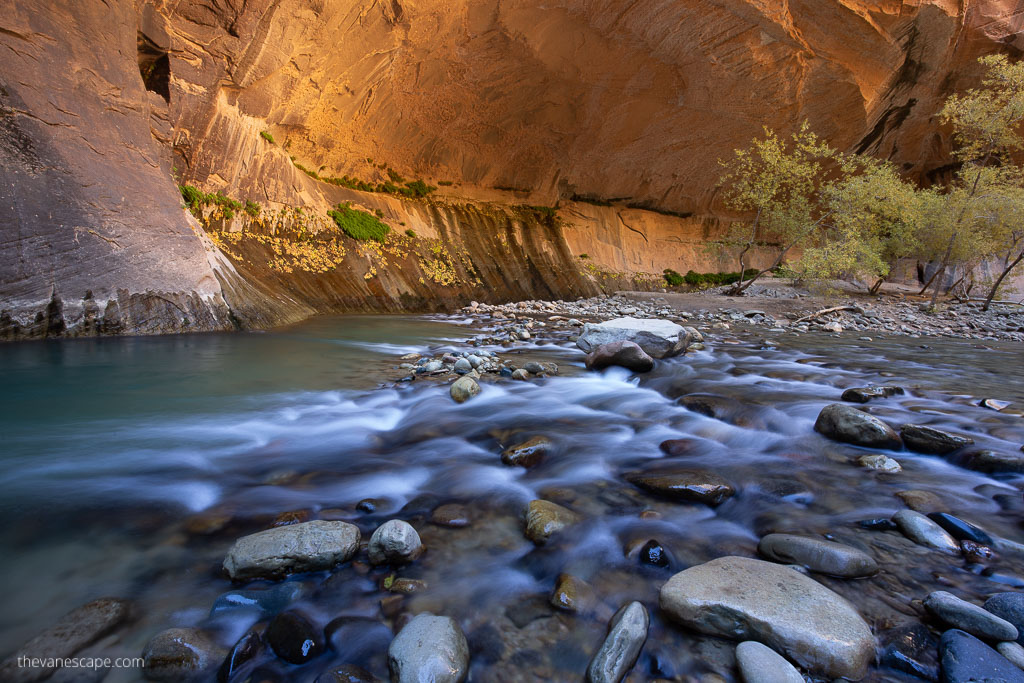
Our Experience Hiking the Narrows
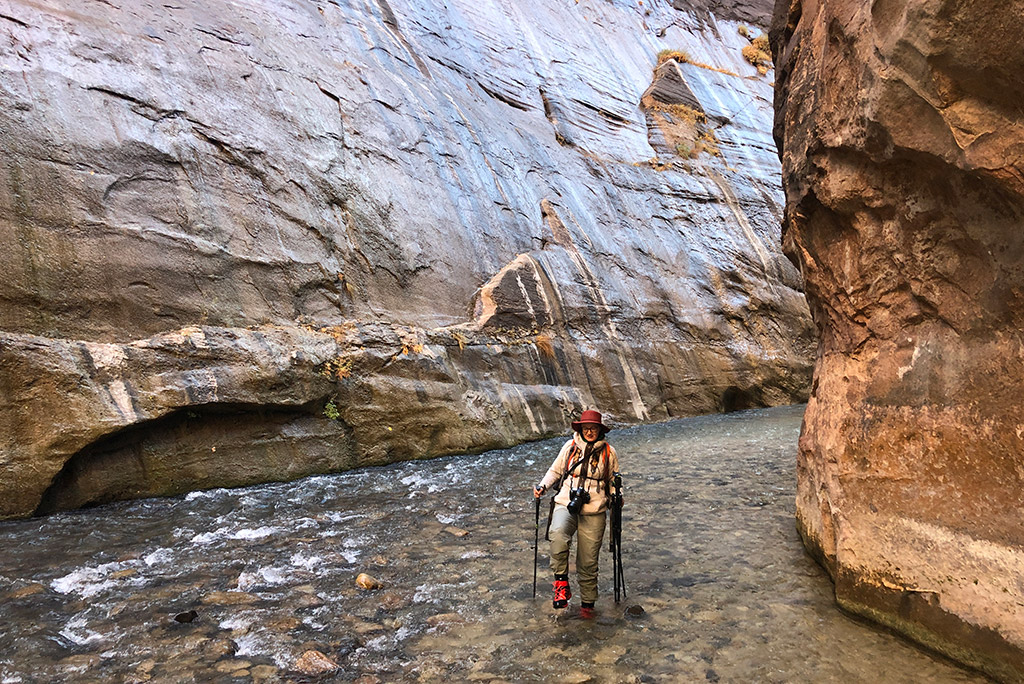
Chris and I have hiked The Narrows more than once, in different seasons and under very different conditions. Each time felt completely different. Water levels, temperature, and light have a huge impact on how demanding the hike feels and how far you can realistically go.
We’ve also hiked The Subway, another Zion route where walking in water is a constant part of the experience. Both hikes look similar on photos, but in reality, moving through a river for hours requires balance, strength, and patience. Even short distances can feel surprisingly tiring.
That’s why preparation matters so much here. Cold water, slippery rocks, and steady resistance from the current add up quickly. When done right, though, the Narrows is one of the most memorable hikes in Zion National Park—not just because of the scenery, but because of how immersive and different the experience truly is.
What Is the Narrows?
The Narrows is the narrowest section of Zion Canyon, carved by the North Fork of the Virgin River over millions of years. In some stretches, the canyon walls rise more than 1,000 feet while the river corridor narrows to just a few dozen feet wide.
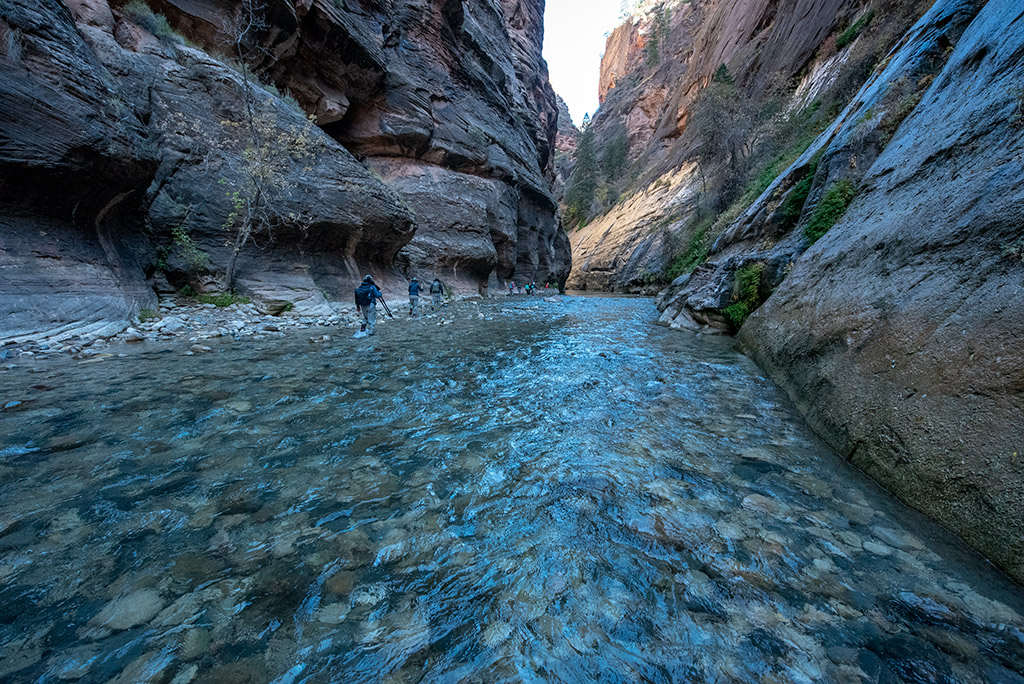
Unlike most hikes, there is no maintained trail here. The river is the route. You walk directly in flowing water over rounded stones, sand, and submerged ledges. Depth varies constantly. In some places, water barely covers your ankles. In others, it can reach above your thighs, depending on conditions.
The Narrows includes two main hiking options:
- a popular bottom-up hike that starts inside Zion National Park and does not require a permit, and
- a demanding top-down route that traverses the entire canyon and requires a permit.
What makes the Narrows special isn’t just the scenery. It’s the combination of scale, sound, movement, and immersion. You’re not walking past the landscape—you’re inside it, moving with the river through one of the most iconic slot canyons in the American Southwest.
If you’re planning a Utah national parks road trip, make sure to add at least a short bottom-up Narrows hike, which requires no permit, to your itinerary.
Ways to Hike the Narrows
There are three distinct ways to hike The Narrows, and choosing the right one is key to a safe and enjoyable experience. Each option differs in distance, difficulty, permits, and logistics.
1. Bottom-Up Narrows Hike (No Permit)
This is the most popular option and the one most visitors choose.
- Start: Temple of Sinawava (Zion shuttle stop #9)
- Permit: Not required
- Distance: Flexible; hike as far as you want and turn back
- Difficulty: Moderate to strenuous, depending on water level and distance
You hike upstream in the Virgin River and return the same way. Many people walk 1–2 hours in, while stronger hikers continue toward Wall Street or farther. This option is ideal for first-time visitors who want to experience the canyon without committing to a full-day or overnight trek.
Hiking the Narrows bottom-up is one of the best things to do in Zion, so if you’re planning to explore the park, make sure it’s on your list.
2. Top-Down Narrows Day Hike (Permit Required)
This is a full through-hike of the canyon in one very long day.
- Start: Chamberlain’s Ranch (outside the park)
- Finish: Temple of Sinawava
- Distance: 16 miles
- Time: 10–14 hours
- Permit: Required
This option is physically demanding and only recommended for experienced hikers with strong endurance. Transportation logistics and river conditions play a major role in whether this hike is feasible on a given day.
3. Top-Down Narrows Overnight Hike (Permit Required)
This is the most immersive way to experience the Narrows.
- Distance: 16 miles over two days
- Camping: Designated riverside camps
- Permit: Required and limited
- Difficulty: Strenuous
Splitting the hike into two days allows for a slower pace and more time to explore side areas. It also adds the challenge of carrying overnight gear and managing cold, wet conditions.
Most visitors choose the bottom-up hike, and for good reason—it delivers the iconic Narrows experience without permits or complex logistics. The top-down options are rewarding but require serious planning and ideal conditions.
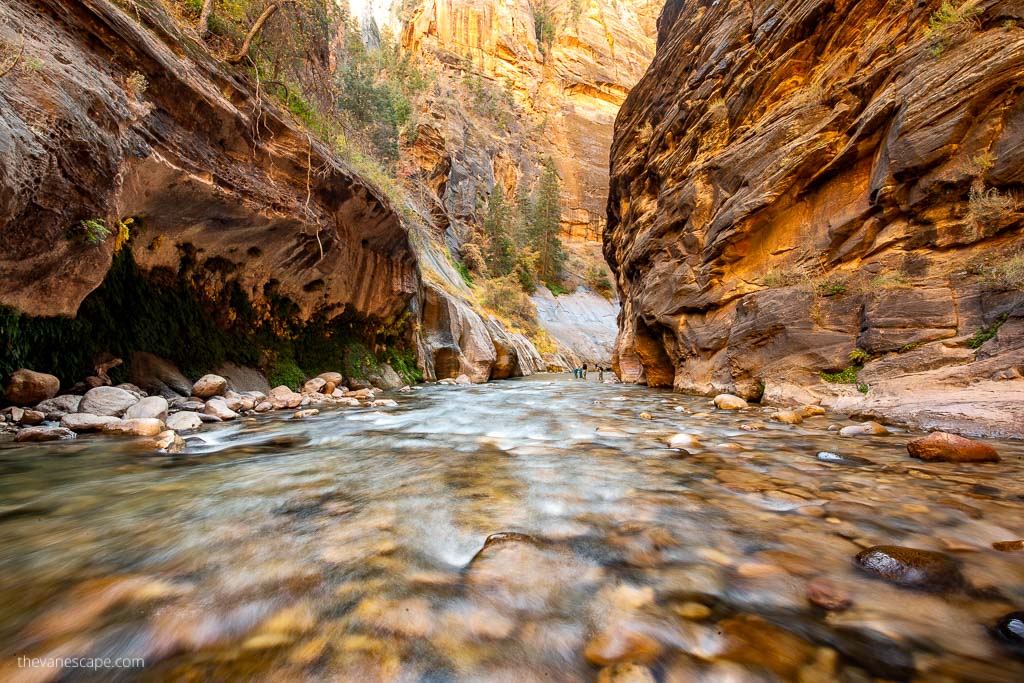
Bottom-Up Narrows Hike (No Permit Required)
The bottom-up route is the most accessible way to experience The Narrows and does not require a permit. It’s also the option we recommend for most visitors.
Where It Starts
- Trailhead: Temple of Sinawava
- Shuttle stop: #9 (last stop on the Zion Canyon Shuttle)
From the shuttle stop, you’ll first walk the Riverside Walk, a paved 1-mile path along the Virgin River. At the end of this path, the pavement ends and the Narrows begin.
How Far to Go
There is no fixed turnaround point for the bottom-up hike. You simply hike upstream in the river and return the same way.
- Short experience: 30–60 minutes in the river
- Popular option: 2–4 hours round trip
- Maximum distance: Up to Big Spring, about 10 miles round trip (strenuous, full day)
Even a short hike gives you a true feel for the canyon. The further you go, the narrower and more dramatic the walls become.
Wall Street
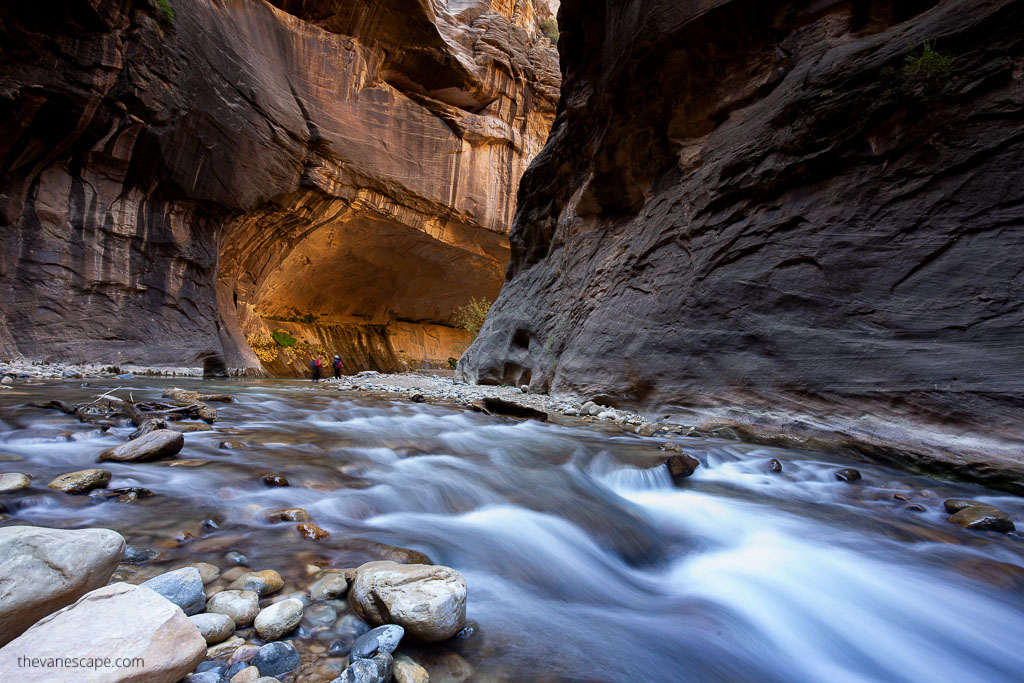
One of the highlights of the bottom-up hike is Wall Street, the narrowest and most photogenic section of the canyon. Here, canyon walls rise hundreds of feet above you while the river squeezes through a corridor sometimes only a few dozen feet wide. Reaching Wall Street usually requires hiking several miles upstream, depending on water conditions.
What to Expect on the Route
- No maintained trail—the river is the route
- Constant balance on uneven, submerged rocks
- Water depth changes frequently
- Progress is slow compared to dry trails
Because walking in water is physically demanding, many hikers are surprised by how tiring even a short distance can be. Plan conservatively, turn around before fatigue sets in, and remember that the hike back takes just as much effort as the way in.
For most people, the bottom-up Narrows hike delivers the iconic Zion experience without permits or complicated logistics—and it’s one of the most memorable adventures in Zion National Park.
Top-Down Narrows Hike (Permit Required)
The top-down route is the most demanding way to hike The Narrows. It traverses the entire canyon from start to finish and requires a wilderness permit. This option is best for experienced hikers who are comfortable spending long hours walking in moving water.
Route Basics
- Start: Chamberlain’s Ranch (outside the park)
- Finish: Temple of Sinawava (inside Zion National Park)
- Distance: 16 miles (one way)
- Time: 10–14 hours (day hike) or 2 days (overnight)
- Permit: Required for both day and overnight trips
One-Day Top-Down Hike
This is a long, strenuous push completed in a single day. You’ll need an early start, strong endurance, efficient pacing, and ideal conditions. Transportation logistics matter, too—you must arrange a shuttle or drop-off to Chamberlain’s Ranch, about 1.5 hours from Zion Canyon.
Because daylight is limited in winter, one-day top-down permits are typically not available during the shortest days of the year.
Overnight Top-Down Backpacking
Splitting the hike over two days allows a more relaxed pace and time to explore side areas. Overnight trips require:
- A wilderness permit with a reserved campsite
- Carrying overnight gear in wet conditions
- Comfort with cold water, variable footing, and long mileage
Permits are limited, and campsites fill quickly during peak season.
What Makes Top-Down Different
- Longer exposure to cold water
- Fewer exit options once committed
- Slower pace due to depth and current
- Greater reliance on weather and river conditions
The top-down route is a serious undertaking that rewards preparation and experience—but it’s not the right choice for everyone.
Narrows Permit System Explained (2026)
Not every Narrows hike requires a permit, but knowing when a permit is required is critical for planning your trip.
When You Do NOT Need a Permit
- Bottom-up Narrows hike from the Temple of Sinawava
- Hiking upstream and returning the same way
- This is the most popular option and open to day hikers when conditions allow
If you’re visiting Zion for the first time, this is the simplest and most flexible way to experience The Narrows.
When a Permit IS Required
A permit is required for all top-down Narrows hikes, including:
- Top-down day hike (Chamberlain’s Ranch → Temple of Sinawava)
- Top-down overnight backpacking trip
These permits are issued as wilderness permits through Recreation.gov and are limited to control crowding and protect the canyon.
How Top-Down Narrows Permits Work
- Reservations open seasonally and fill fast
- Permits are tied to specific dates
- Overnight permits include campsite reservations
- Group sizes are limited
During peak season, permits can be gone within minutes of opening. If hiking the Narrows top-down is a priority, your entire itinerary should be built around permit availability.
Day-Before Lottery (Top-Down Only)
If advance reservations are full, a day-before lottery may offer a second chance for one-day top-down hikes. Availability depends on conditions and unclaimed permits.
Important Reminder
Regardless of permits, river conditions always override reservations. High water levels or flash flood risk can close the Narrows entirely, even if you already have a permit.
Understanding the permit system helps avoid last-minute surprises and ensures you choose the Narrows hike that fits both your experience level and travel plans.

Water Levels, Flow Rates & Flash Flood Risk
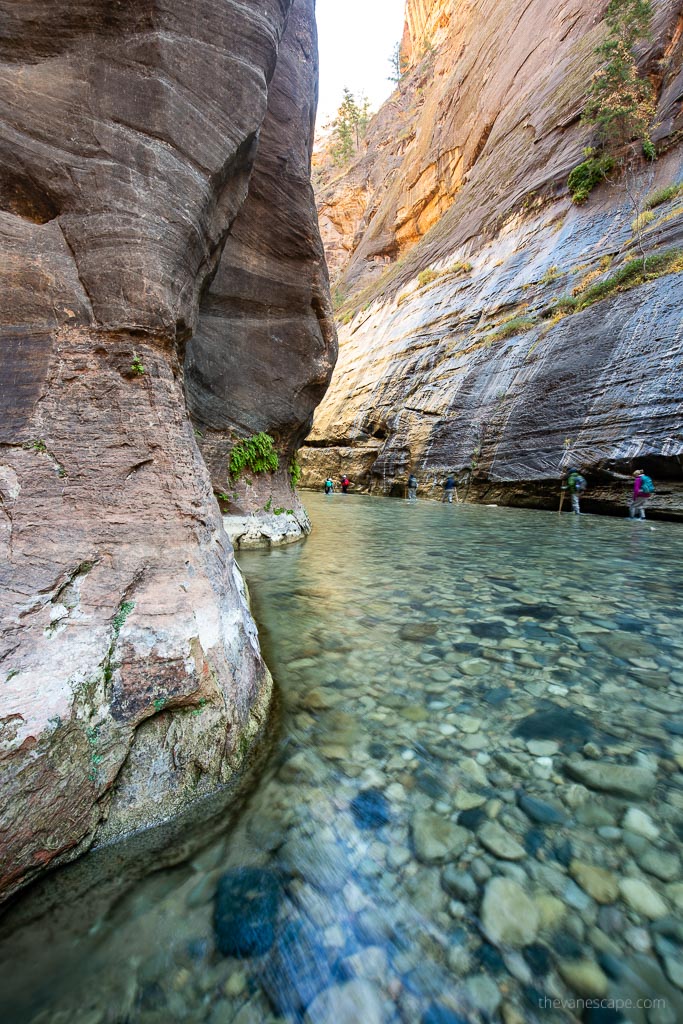
Water conditions determine whether The Narrows is safe—or closed. Before committing to this hike, always check current river flow, park website alerts, weather, and flash flood risk.
Why Water Levels Matter
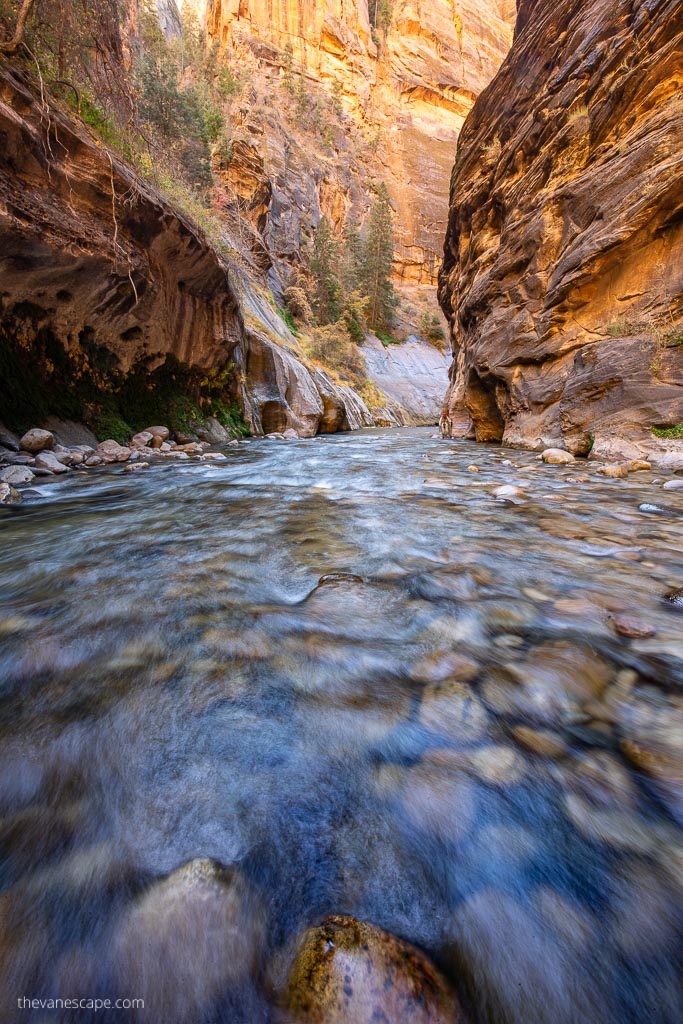
There is no dry trail in the Narrows. You’re walking in the Virgin River the entire time, so depth, speed, and clarity directly affect difficulty and safety. Even experienced hikers can struggle when flow increases.
Flow Rate Guidelines (Virgin River)
The National Park Service monitors flow in cubic feet per second (CFS). As a general guide:
- Below ~50 CFS: Easier conditions, slower current, better footing
- 50–100 CFS: Moderate to challenging; progress is slower and more tiring
- 100–150 CFS: Very difficult; strong current, deeper water
- Above ~150 CFS: The Narrows is often closed to hiking
Closures can happen suddenly, even on sunny days.
Flash Flood Risk
Flash floods are the biggest danger in the Narrows. Rain anywhere in the watershed—not just inside the canyon—can send a wall of water downstream with little warning.
- Summer monsoon storms (July–September) are a common trigger
- Spring snowmelt can raise water levels for weeks
- Narrow canyon walls leave no safe escape routes
What to Check Before You Go
- Weather forecast for Zion and surrounding areas
- Flash flood potential posted by the park
- Current river flow data
- Trail status at the Zion Visitor Center Wilderness Desk
If rangers advise against hiking the Narrows, take that seriously. Conditions can change fast, and turning around early—or skipping the hike entirely—is sometimes the safest choice.
When the water is low and the forecast is clear, the Narrows can be unforgettable. When conditions are wrong, it’s a hike to save for another day.
Best Time of Year to Hike the Narrows
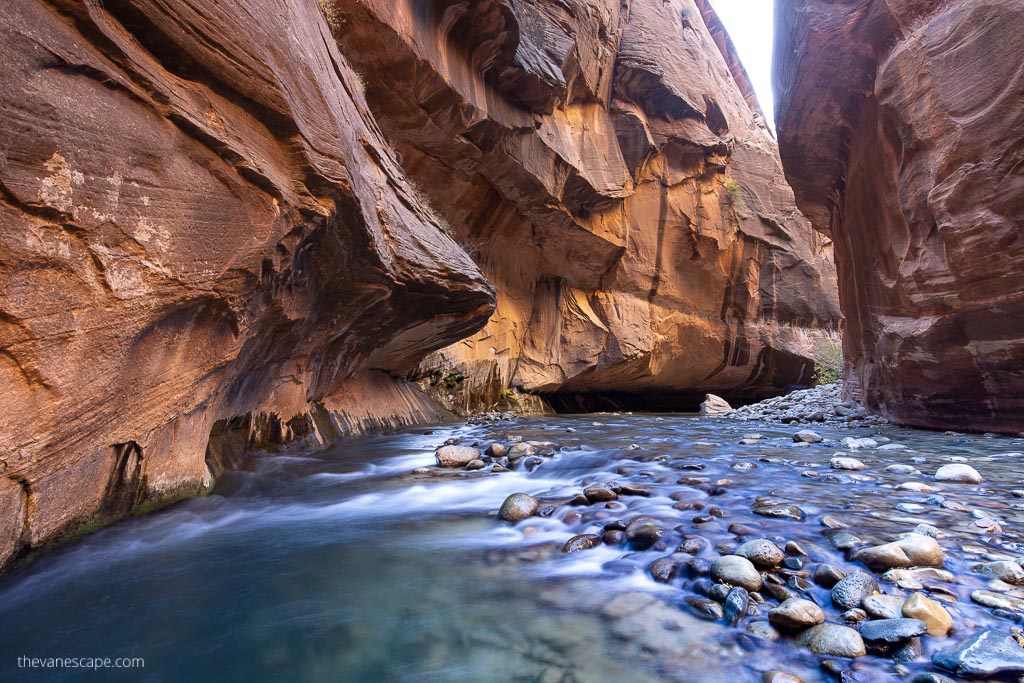
The experience of hiking The Narrows changes dramatically with the season. Water levels, temperature, and weather patterns all play a role in whether the hike is comfortable—or even possible.
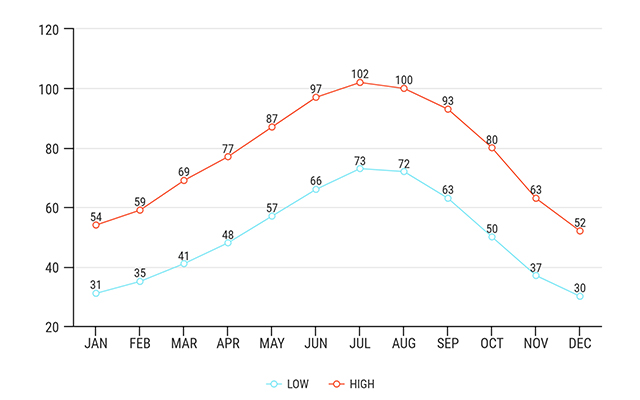
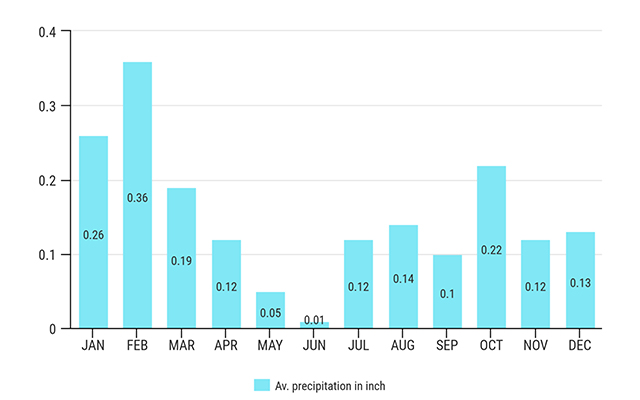
Check the charts below for average temperatures and rainfall in Zion National Park.
Spring (March–May)
Spring is often the least reliable season for the Narrows. Snowmelt from higher elevations raises the Virgin River, and the hike is frequently closed due to high flow or flash flood risk. When it is open, the water is cold and conditions can be demanding. Always check current flow rates and ranger advisories.
Summer (June–September)
Summer is popular, but it comes with trade-offs. Water levels usually drop enough to allow hiking, especially early summer. However, monsoon storms from July through September increase flash flood risk. Start early, watch forecasts closely, and be prepared to turn back.
Fall (October–November)
Fall is often the best time to hike the Narrows. Water levels are typically lower, temperatures are comfortable, and crowds begin to thin. Cold mornings are common, but conditions are generally stable. This is our favorite season for both hiking and photography.
Winter (December–February)
Winter offers solitude, but conditions are cold. Water temperatures hover near freezing, and dry pants or dry suits are often necessary. Ice can form along canyon edges, and daylight is limited. The hike is possible on select days but requires experience and proper gear.
Best Time of Day
Regardless of season, start early. Morning hikes offer cooler temperatures, fewer people, and more time to adjust plans if conditions change.
Choosing the right season makes a huge difference on the Narrows. When timing, water levels, and weather line up, it becomes one of the most rewarding hikes in Zion National Park.
Virgin River Water Temperature in the Narrows
The Virgin River stays cold year-round, and water temperature plays a major role in comfort and safety when hiking The Narrows. Even on hot summer days, long exposure to cold water can lead to fatigue or hypothermia.
Typical water temperatures:
- December–March: about 40–45°F (4–7°C)
- April: about 45–50°F (7–10°C)
- May: about 50–55°F (10–13°C)
- June: about 55–60°F (13–16°C)
- July–August: about 60–65°F (16–18°C)
- September: about 55–60°F (13–16°C)
- October: about 50–55°F (10–13°C)
- November: about 45–50°F (7–10°C)
Because much of the Narrows is shaded, the water often feels colder than expected. Proper insulation—such as neoprene socks, dry pants, or a dry suit—is essential outside peak summer conditions.
Ignoring water temperature is one of the most common mistakes hikers make in the Narrows.
What to Wear & Rent for Hiking the Narrows
Proper gear makes a huge difference when hiking The Narrows. Cold water, slippery rocks, and long stretches in the river demand equipment that works well in wet conditions.
Essential Footwear
Regular hiking boots are not a good choice here.
- Canyoneering or water hiking shoes with solid grip are best
- Closed-toe shoes protect your feet from sharp and unstable rocks
- Good traction helps prevent slips on algae-covered stones
Socks, Pants & Insulation
What you wear depends on water temperature and season.
- Neoprene socks add warmth and cushioning
- Neoprene pants or dry pants are helpful in spring, fall, and winter
- In colder months, a dry suit may be necessary for comfort and safety
Even in summer, the water stays cool, and shade inside the canyon keeps temperatures lower than expected.
Walking Stick
A sturdy walking stick is one of the most important items for the Narrows. It helps with balance, testing depth, and stability in moving water. Many outfitters include one with rental packages.
Where to Rent Gear
If you don’t want to bring specialized equipment, you can easily rent it in Springdale, just outside Zion National Park. Rental shops offer Narrows-specific packages that usually include:
- Water shoes
- Neoprene socks
- Dry pants or a dry suit
- Walking stick
Renting is a great option, especially if this is your first water hike or you’re visiting during cooler seasons.
Choosing the right gear keeps you warmer, safer, and far more comfortable—allowing you to focus on the canyon instead of the cold.
Safety Tips for Hiking the Narrows
Hiking The Narrows requires a different mindset than a typical trail. Water, weather, and canyon walls leave little room for error, so safety decisions matter at every step.
- Check conditions the same day. Always confirm water flow, weather, and flash flood risk at the Zion Visitor Center before starting.
- Turn around early if conditions change. Rising water, stronger current, or fatigue are all valid reasons to stop.
- Move slowly and deliberately. Test each step before committing your weight. Slippery rocks are the norm, not the exception.
- Maintain spacing in groups. Avoid bunching up. Give others room to move and recover balance.
- Watch for cold exposure. Long time in cold water drains energy quickly. Take breaks, eat, and stay aware of how your body feels.
- Stay alert to weather sounds. Thunder or sudden changes in water color can signal danger upstream.
- Respect closures and ranger advice. If the Narrows is closed, it’s for a reason. Conditions can become life-threatening very fast.
The Narrows rewards patience and awareness. A cautious approach keeps the hike enjoyable and helps ensure you return safely from one of the most unique experiences in Zion National Park.
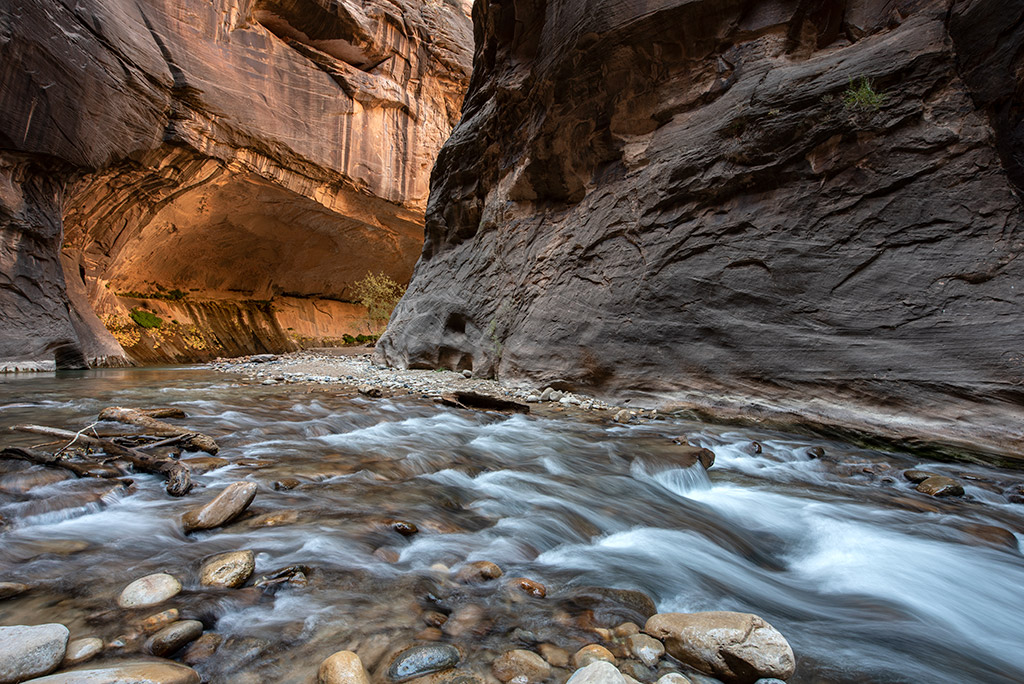
Photography Tips for the Narrows
Hiking The Narrows is a dream for photographers, but shooting in a narrow, water-filled canyon comes with challenges. Light, moisture, and footing all require extra planning.
Best Light Conditions
The Narrows is deepest and darkest for most of the day.
- Best light: late morning to early afternoon, when the sun is high
- Sunlight reflects off the canyon walls and creates warm tones
- Early morning and late afternoon are much darker inside the canyon
Camera & Lens Choices
- A wide-angle lens works best to capture the scale of the canyon
- One lens is usually enough; changing lenses in wet conditions is risky
- Weather-sealed gear is a big advantage
Using a Tripod
A tripod is very useful in the Narrows due to low light.
- Choose a stable, heavy tripod that can handle current
- Set it securely between rocks, not in fast-flowing water
- Use a remote or timer to avoid camera shake
Protecting Your Gear
Water splashes are unavoidable.
- Use a dry bag or waterproof backpack
- Carry a rain cover or waterproof sleeve for your camera
- Secure straps so nothing falls into the river
Composition Tips
- Try both vertical and horizontal framing
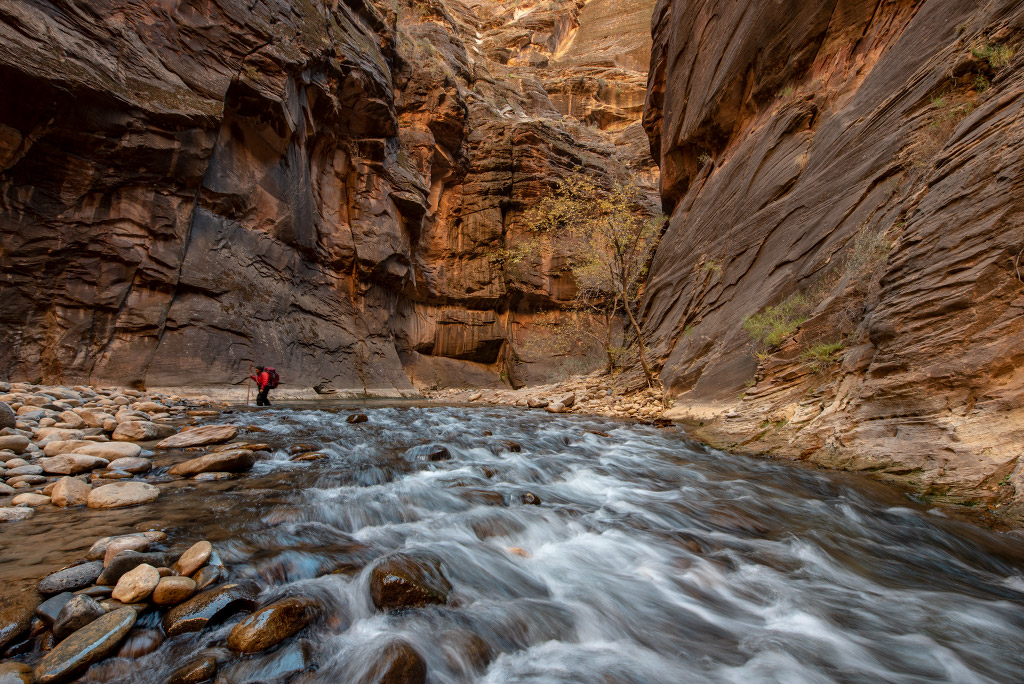
- Include people to show scale
- Don’t be afraid to leave the sky out of the frame
- Slow shutter speeds help create smooth water textures
Photography in the Narrows takes patience, but the results are worth it. With careful footing and protected gear, you’ll come away with some of the most striking canyon images in Zion.
Where to Stay Before Hiking the Narrows
Staying close to the park makes a big difference when planning a Narrows hike. Early starts are safer, give you more flexibility with conditions, and help you avoid crowds.
Springdale is the most convenient base. It sits right at the south entrance of Zion National Park, making it easy to catch the first shuttle into the canyon. Springdale is also where you’ll find outfitters renting Narrows-specific gear like water shoes, neoprene socks, and dry pants.
If Springdale is booked or over budget, nearby towns can work well:
- Virgin and La Verkin offer quieter stays and lower prices
- Hurricane has more hotel options and services
- Kanab is farther away but a good base if you’re exploring more of southern Utah
Wherever you stay, plan to arrive at the park early on hiking day. Conditions in the Narrows are best in the morning, and starting early gives you more time to turn back safely if water levels, weather, or fatigue become an issue.
If you’re planning a trip across the state, take a look at our Utah travel guide for a complete overview of the best places and routes.
Final Thoughts
Hiking The Narrows is one of the most immersive adventures in Zion National Park. Walking through a river beneath towering canyon walls is a completely different experience from any traditional trail, and it rewards those who prepare well and respect conditions.
The key to a great Narrows hike is timing and judgment. Water levels, weather, and temperature matter more here than mileage. Choosing the right option—most often the bottom-up hike—allows you to enjoy the canyon without unnecessary risk.
When conditions are right, the Narrows is unforgettable. With proper gear, an early start, and a flexible mindset, it’s easily one of the most memorable things you can do in Zion.
Do You Like It? Pin It For Later!