Monument Valley Guide: How to Visit, Scenic Drive Tips, Best Viewpoints & Navajo Rules
Few places in the American Southwest feel as iconic as Monument Valley. Red mesas rise from an endless desert, sandstone buttes stand like giants, and the whole landscape looks like it was designed for a classic western film. When you arrive, it’s impossible not to think of John Ford movies, timeless cowboy scenes, or the first time you saw these towers on a screen. Monument Valley sits on Navajo Nation land, and visiting it feels different from a typical national park. The culture, the silence, the scale, and the rules all shape the experience. In this guide, we share everything you need to know—how to get here, what to see, how to drive the Scenic Drive, and the best viewpoints for sunrise and sunset. We also include tips from our own visits so you can plan your trip with confidence.
This article may contain affiliate / compensated links. For full information, please see our disclaimer here.
Visiting Monument Valley: Our Experiences
Monument Valley has always felt like the pure heart of the American West for us. Every time Chris and I return, we feel that same mix of excitement and awe. The silhouettes of the Mittens, the endless sky, and the quiet desert around us create a scene that never gets old.
We first visited Monument Valley during an Arizona road trip, and it immediately pulled us in. We drove the Scenic Drive, stopped at every viewpoint, and imagined the old western films we grew up watching. It felt surreal to stand where so many legendary movie scenes were filmed.
Over the years, we visited Monument Valley several times in different seasons. We watched sunsets melt into deep reds and purples, and we woke up before dawn to catch first light hitting Merrick Butte. Chris and I photographed the same formations again and again, but each moment looked different depending on the season, clouds, and light.
Driving through the valley on that rough dirt road was an adventure on its own. We took our time, stopped often, and tried to capture the feeling of being in such a vast, quiet place. On later trips, we also explored with Navajo guides, which gave us a deeper understanding of the land and its stories.
Everything you see in this guide comes from those visits—our photos, our notes, and all the practical lessons we learned on the road.
You can combine this stop with others using our Arizona road trip planning guide.
Monument Valley Quick Facts & Visitor Basics
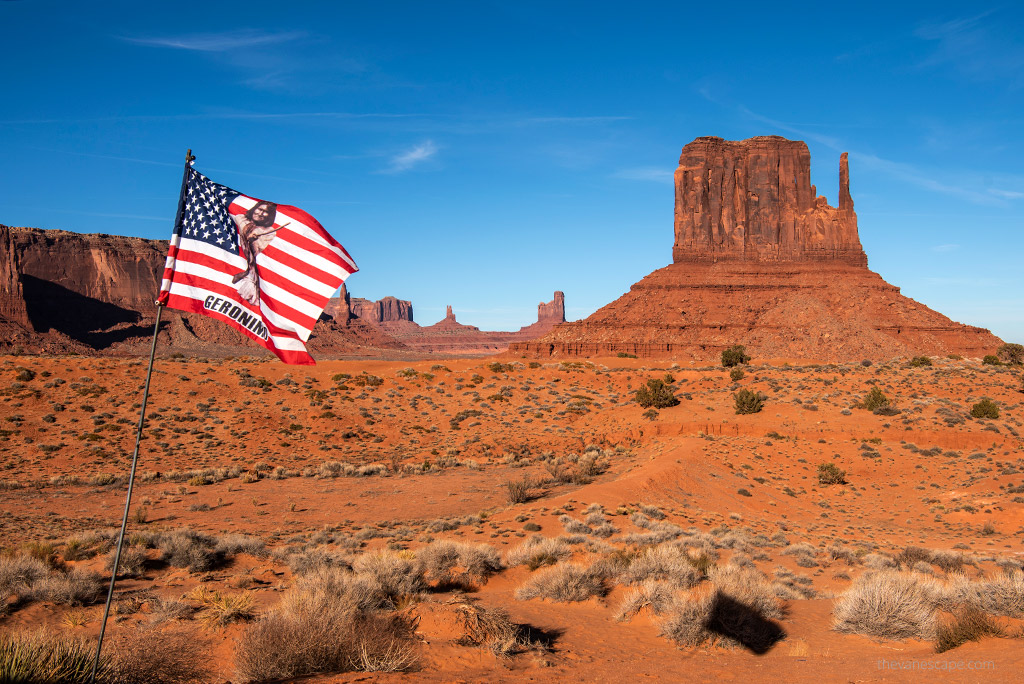
Monument Valley sits on the Arizona–Utah border inside the Navajo Nation. It’s a Navajo Tribal Park, not a U.S. National Park, so rules, fees, and access are different. The landscape is famous for its towering buttes and classic western scenery, and you can explore it on a 17-mile dirt road or with a Navajo guide.
Essential Details At a Glance
- Rules: No drones, no rock climbing, no off-road driving, and no photographing Navajo people or homes without explicit permission.
- Park Type: Navajo Tribal Park (National Park Pass not accepted).
- Elevation: 5,564 feet (1,696 m).
- Scenic Drive: 17 miles (27 km), dirt and rough in places.
- Time Needed: 2–4 hours for the Scenic Drive; longer with tours or photography stops.
- Entrance Fee: $8 per person. You can purchase it online.
- Operating Hours:
- April–September: 6 a.m.–8 p.m.
- October–March: 8 a.m.–5 p.m.
- Closed On: Thanksgiving, Christmas, and New Year’s Day.
- Location: ~125 miles from Page, ~180 miles from Grand Canyon South Rim, ~195 miles from Kanab.
- Nearest Airports: Las Vegas, Phoenix, and Salt Lake City.
- Vehicle Notes: Motorcycles and RV’s are Prohibited on the loop drive.High clearance helps, but most cars can complete the loop in dry weather.
How to Get to Monument Valley
Monument Valley sits on the border of northern Arizona and southern Utah, right along U.S. Highway 163. It’s easy to add to any Southwest road trip, and most travelers arrive by car from nearby towns like Page, Kayenta, Moab, or Kanab.
You don’t need 4WD to reach the park entrance. The paved highway brings you directly to the Visitor Center, which sits at the top of the valley with sweeping views of the Mittens.
Driving distances to Monument Valley:
- Page, Arizona: 125 miles (about 2–3 hours)
- Grand Canyon South Rim: 180 miles (about 3–4 hours)
- Kayenta, Arizona: 24 miles (about 35–40 minutes)
- Kanab, Utah: 195 miles (about 3 hours)
- Moab, Utah: 150 miles (about 3 hours)
- Four Corners Monument: 105 miles (about 2 hours)
Closest major airports:
- Las Vegas (LAS): ~400 miles (6.5–7 hours)
- Phoenix (PHX): ~320 miles (5–5.5 hours)
- Salt Lake City (SLC): ~380 miles (6–6.5 hours)
If you’re flying into Las Vegas or Phoenix, Monument Valley makes a great stop between national parks like Zion, Grand Canyon, and Arches. Many travelers also visit after exploring Page’s slot canyons, Horseshoe Bend, or Antelope Canyon.

Best Time to Visit Monument Valley
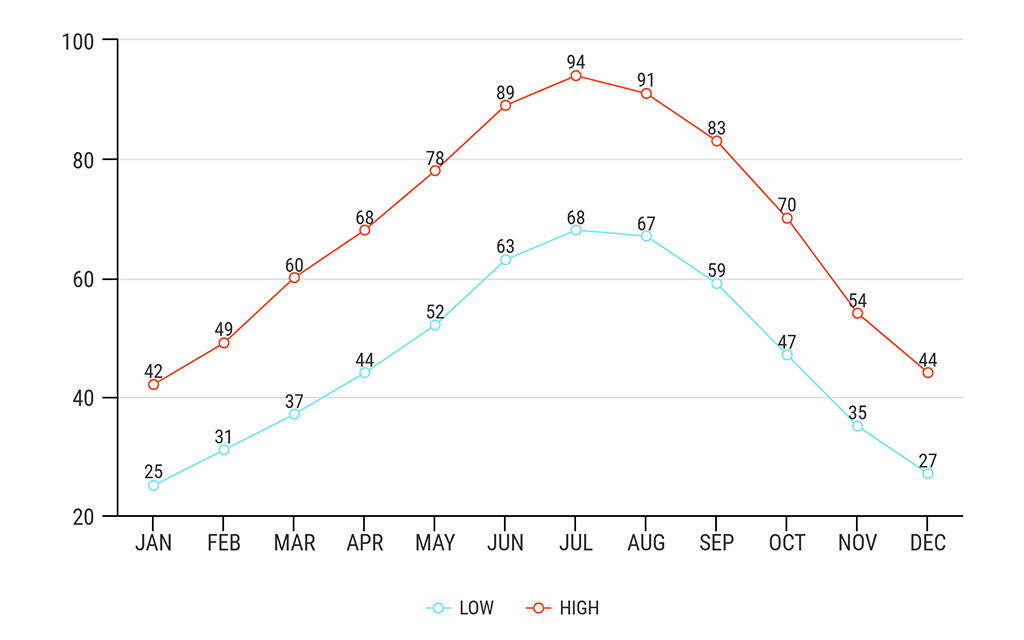
Monument Valley is a year-round destination, but the experience changes with the seasons. The desert climate brings hot summers, cold nights, and dramatic light that makes the sandstone formations glow at sunrise and sunset.
Spring (March–May)
Spring is one of the best times to visit. Days are mild, skies are clear, and crowds are smaller than in summer. Winds can pick up in April, but the light is beautiful for photography.
Summer (June–September)
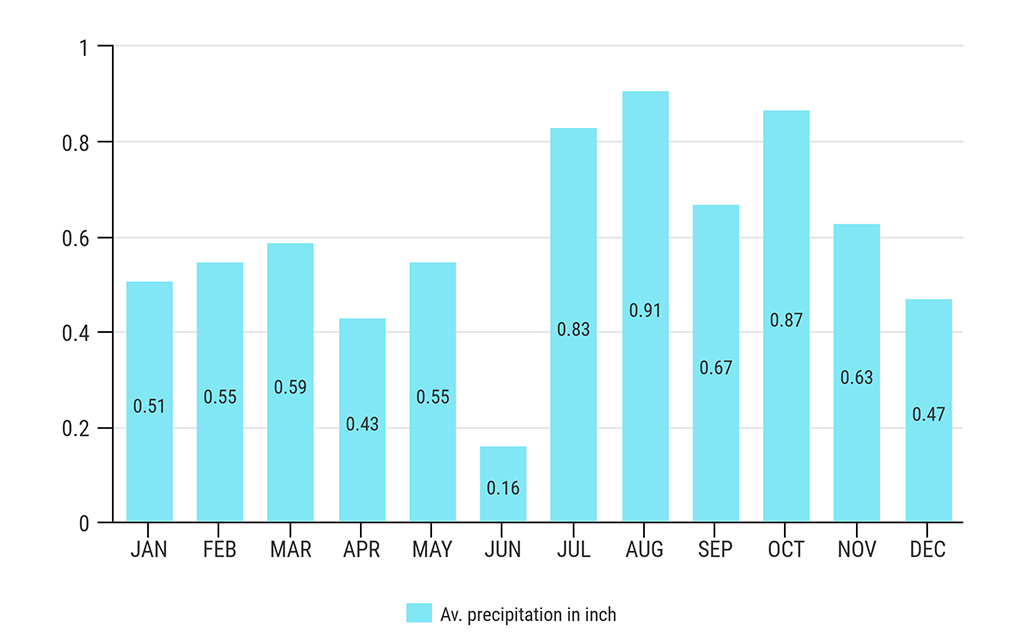
Summer is the busiest season. Temperatures often rise into the 90s°F (32–37°C), and the scenic drive can feel dusty and hot in the middle of the day. Afternoon monsoon storms are common in July and August, so expect short downpours and dramatic clouds.
Fall (September–November)
Fall is another excellent season. Days are warm, nights are cool, and most crowds taper off after Labor Day. The air is crisp, and the light is stunning for sunset photography.
Winter (December–February)
Winter brings quiet trails, low crowds, and occasional dustings of snow that make the red buttes pop. Daytime temperatures often stay in the 40s–50s°F (4–10°C). Roads may be muddy after storms, so check conditions before you go.
If you plan to explore the 17-mile scenic drive, avoid visiting right after heavy rain. The dirt road becomes slick and rutted, and some cars struggle with traction.
Monument Valley Rules: What You Must Know Before You Visit
Monument Valley sits on Navajo Nation land, so visitors must follow tribal regulations. These rules protect both the landscape and the cultural traditions of the Navajo people. Take a few minutes to review them before you arrive.
Key Monument Valley rules include
- Drones are prohibited.
Drone use is banned across all Navajo Tribal Parks to protect privacy, sacred sites, and wildlife. - Rock climbing is not allowed.
All mesas, spires, and buttes are off-limits. - Stay on designated roads and trails.
Off-road driving damages fragile desert soil and is strictly forbidden. - No firewood gathering anywhere in the park.
- Campfires only at designated campground fire rings.
- Permits are required for camping, filming, commercial photography, or investigative projects.
- Always ask permission before photographing Navajo people or their homes and livestock.
This rule is taken very seriously. - Respect all signs that say “Closed,” “Private,” or “Navajo Only.”
- Do not touch or collect rocks, pottery fragments, or plants.
Following these simple guidelines ensures that visitors protect Navajo cultural heritage and the beautiful desert environment.
Best Things to Do in Monument Valley
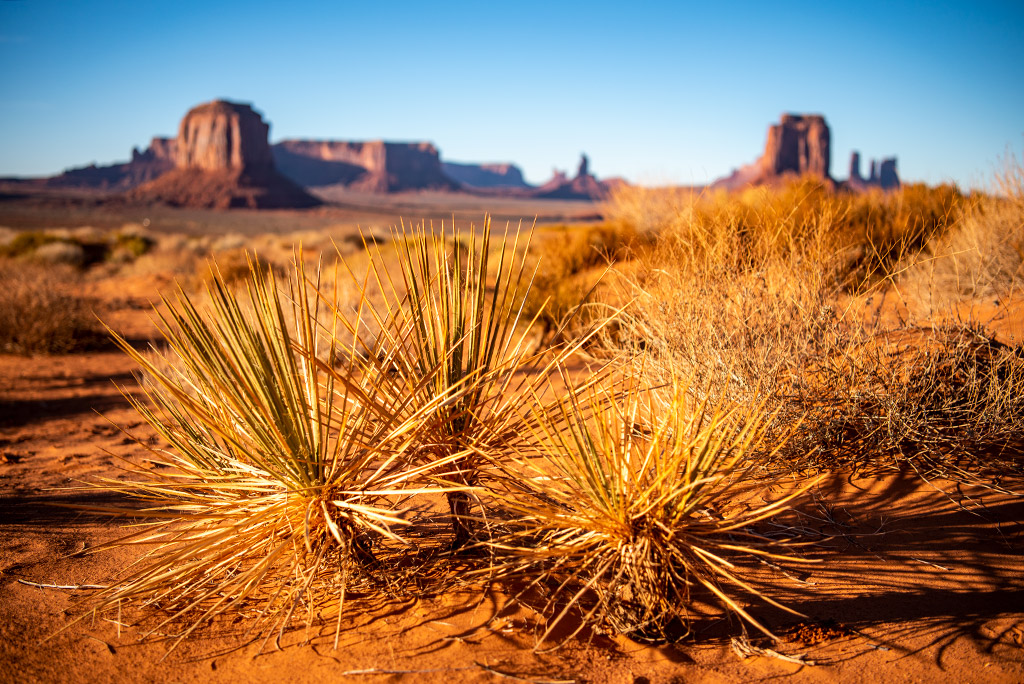
• Drive the 17-mile Scenic Loop. The classic Monument Valley experience with stops at the Mittens, John Ford’s Point, and Elephant Butte.
• Join a Navajo-Guided Tour. Access backcountry areas like Mystery Valley or visit restricted sites with a local guide.
• Watch Sunrise or Sunset. The best light of the day brings deep colors and long shadows across the buttes.
• Hike the Wildcat Trail. The only self-guided hiking trail in the park, circling West Mitten Butte.
• Take a Hunts Mesa Tour. One of the most dramatic viewpoints in the Southwest, available only with Navajo guides.
• Visit Forrest Gump Point. A fun photo stop on Highway 163 where the famous movie scene was filmed.
• Explore the Navajo Nation shops. Buy handmade jewelry, pottery, and crafts directly from local artists.
• Stay overnight for stargazing. Remote desert skies create excellent night photography conditions.
Monument Valley Scenic Drive Guide (Step-by-Step)
The Monument Valley Scenic Drive is the heart of every visit. It’s a 17-mile dirt road that loops through the most iconic mesas and buttes. You can explore it on your own, or join a Navajo guide for deeper access and cultural insight.
Can You Drive It Yourself?
Yes, you can. The loop is open to all visitors during park hours. A standard car is usually enough in dry weather. If it rained recently, the road becomes rutted and muddy. In that case, a 4WD or a guided tour is the safer choice.
Road Conditions
Expect washboard sections, small rocks, dips, and bumpy stretches. The road is not paved. Drive slowly and watch for soft sand, especially near pullouts. After storms, parts of the road can be rough or temporarily closed.
Rental Car Rules
Most rental contracts say you shouldn’t take the car off pavement. Many visitors still drive the loop in rental cars, but you must be cautious. Damage from rocks or sand is your financial responsibility. If you want zero stress, book a Navajo 4×4 tour at the visitor center.
How Long the Drive Takes
Plan 2–4 hours for the full loop. You will stop often for photos, and some viewpoints take longer if you want to explore. Sunrise and sunset take longer due to low light and crowded pullouts.
Safety Tips
- Drive slowly and pull over only in designated areas.
- Watch for loose gravel and deep ruts.
- Bring water, snacks, and sun protection.
- Keep distance from wildlife and horses.
- Never climb or walk on restricted Navajo land.

Best Stops on the Monument Valley Scenic Drive
Below are the main viewpoints, each worth a short stop.
The Mittens & Merrick Butte
The East Mitten, West Mitten, and Merrick Butte form the most famous skyline of Monument Valley. Sunrise paints them in soft orange and pink—an unforgettable view.
Elephant Butte
A sandstone formation shaped like an elephant resting in the desert. You can clearly see the “trunk” from the pullout.
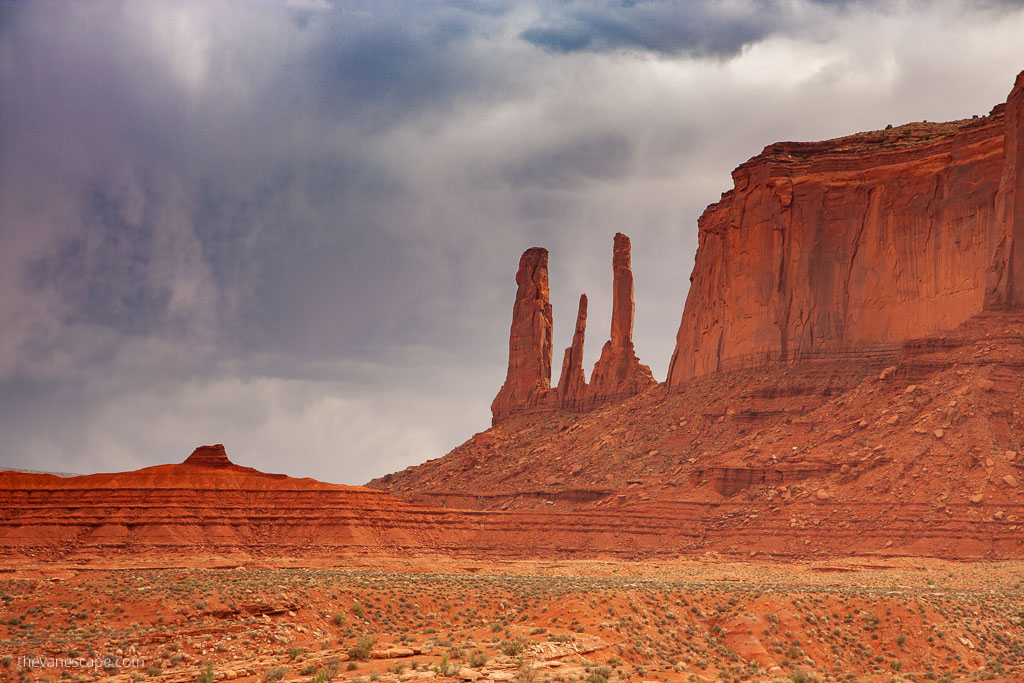
Three Sisters
Three tall pillars rising side-by-side. They look like a nun and two students—an iconic formation photographed in countless westerns.
John Ford’s Point
A must-see for movie lovers. This was the spot director John Ford used in many westerns starring John Wayne. The view across the open valley is spectacular.
The Hub
A tall, narrow spire that stands alone on the desert floor. It resembles a central pillar—hence the name.
Totem Pole
A dramatic, slender needle of rock rising almost straight up. One of the most striking formations in the park.
Yei Bi Chei
A group of tall pinnacles next to Totem Pole. They represent Navajo spiritual figures and create one of the most photogenic scenes in the park.
Artist’s Point
A wide panoramic overlook, perfect for sunrise. It frames the Mittens and Merrick Butte against the open desert.
North Window
A natural “window” that perfectly frames the East Mitten. It’s one of the easiest places to capture classic wide-angle shots.
The Thumb
A formation shaped like a giant thumb—or, as some say, like a cowboy boot. It’s the last major stop on the loop.

Best Tours in Monument Valley
If you don’t feel comfortable driving the rough dirt road, or you want to reach restricted areas, booking a Navajo-guided tour is the best way to experience Monument Valley. Local guides also share stories, history, and Navajo culture that you’d never get on your own.
Below are the main types of tours you’ll see and what to expect from each.
Sunrise Tours
Sunrise is pure magic in Monument Valley. On a sunrise tour you typically:
- Leave very early, often before park opening hours
- Reach viewpoints before the self-drive road opens
- Watch the first light hit the Mittens and distant mesas
- Have more peaceful stops, with fewer vehicles on the road
Early mornings are amazing. These tours usually last 2–3 hours. They’re perfect if photography is a priority, or if you want cooler temperatures and softer light.
Sunset Tours
We love sunsets. And sunset tours focus on warm evening light and those classic orange and red tones:
- Depart mid- to late afternoon
- Stop at several viewpoints along the loop road and sometimes in restricted backcountry areas
- End with the last light on the buttes and Mittens
Sunset tours usually run 2–3 hours as well. If you’re staying overnight nearby, a sunset tour is a great way to end your day and let someone else handle driving in the fading light.
Backcountry Tours (Restricted Areas)
Self-drivers can only access the main 17-mile loop. Backcountry tours go beyond that into tribal lands that are off-limits without a guide, such as:
- Mystery Valley
- Additional arches, rock alcoves, and sandstone formations
- Special viewpoints away from the busy main loop
On these tours you usually:
- Ride in an open 4×4 with a Navajo guide
- Hear stories about the land, Navajo history, and traditional life
- Visit quieter areas where you can take your time with photos
Backcountry tours often last 3–4 hours. They’re worth it if you’ve already driven the loop, or if you want a deeper experience than the standard viewpoints.
Hunts Mesa Overnight Tour
Hunts Mesa is the ultimate “wow” tour in Monument Valley. It’s only accessible with a Navajo guide and a serious 4×4.
Typical Hunts Mesa overnight tours include:
- A rough, adventurous 4×4 drive up to the mesa top
- Incredible panoramic views looking down over the Mittens and buttes from above
- Sunset and sunrise from the same overlook
- Simple camp setup with guides (camp gear is usually provided)
These are long, often 16–24 hour experiences with camping, and they cost more than regular tours. But for photographers and landscape lovers, Hunts Mesa is one of the most unforgettable viewpoints in the Southwest.
Photography Tours
Photography-focused tours are built around light, composition, and time at each stop. On these tours, guides:
- Plan the route around sunrise or sunset
- Choose angles and spots that work well for cameras and tripods
- Give you more time at key stops instead of rushing from place to place
Groups are often smaller, and some tours are limited to photographers only. If you’re traveling mainly to capture Monument Valley with a camera, this kind of tour is usually the best fit.

Which Monument Valley Tour Is Worth It?
If you’re short on time choose a sunrise or sunset tour on the main loop. You’ll see the classic views with the best light and no stress about driving.
If you want a deeper experience book a backcountry tour that includes areas beyond the standard 17-mile road. You’ll see quieter spots and hear more Navajo stories.
If Monument Valley is a once-in-a-lifetime trip and budget allows consider an overnight Hunts Mesa tour. Watching both sunset and sunrise from above the valley is one of the most memorable ways to experience this landscape.
Hiking in Monument Valley
Monument Valley is not a traditional hiking park. Most of the landscape is accessible only by guided tour. The Wildcat Trail is the only official self-guided hike, and it’s a great way to explore the valley floor on foot.
Wildcat Trail: Detailed Guide
The Wildcat Trail is a 3.2-mile loop that circles West Mitten Butte. The trail starts near the Visitor Center and drops quickly down to the valley floor. Once you reach the base of the Mitten, you walk around its full perimeter, with open desert views in every direction.
The path is sandy in many places, so expect slower walking. There is no shade, no water, and no protection from wind, so come prepared. Bring more water than you think you need, especially in summer.
This is the best hike if you want quiet moments, classic desert views, and a close-up look at one of the most famous rock formations in the West.
How Long the Wildcat Trail Takes
Most visitors spend 2 to 3 hours on the loop. If you stop often for photos, plan on more time. The climb back up to the Visitor Center feels steeper at the end, especially during warm afternoons.
Safety and Weather
Weather changes quickly in Monument Valley. Summer brings intense sun and afternoon storms. Winter brings cold winds and occasional snow. The sandy surface also gets slippery and muddy after rain.
Carry plenty of water, sun protection, and sturdy shoes. Avoid the trail during storms or strong winds. There is no cell service in parts of the loop.
Who Should Skip This Hike
Skip the Wildcat Trail if:
– You can’t walk long stretches on deep sand.
– You’re visiting during extreme heat or wind.
– You’re limited on time and want to prioritize the scenic drive.
– You prefer trails with shade or facilities.
For most travelers, though, this trail is a rewarding way to see Monument Valley at a slower pace.
Best Photo Spots in Monument Valley
Monument Valley is one of the most photogenic landscapes in the United States. Light changes quickly, shadows stretch across the desert floor, and every turn reveals another classic Western view. These are the top spots for stunning photos.
The Mittens Overlook (near the Visitor Center)
This is the iconic first view of Monument Valley. The East and West Mitten Buttes line up perfectly with Merrick Butte in the distance. Sunrise creates warm red light on the formations, while sunset gives deep shadows and pastel skies. If you stay at The View Hotel, this is your balcony view.
John Ford’s Point
This overlook is legendary in film history. John Ford filmed several scenes from classic Westerns here, including “Stagecoach” with John Wayne. Expect wide panoramas of buttes and mesas stretching toward the horizon. It’s one of the best places for dramatic, storytelling-style photos.
Artist’s Point
This overlook offers sweeping views of the entire valley. It’s especially beautiful in the early morning with long shadows on the desert floor. If you want a single photo that captures Monument Valley’s scale, take it here.
North Window
At this viewpoint, two massive rock walls frame a perfect “window” toward the East Mitten. It’s a great composition spot for photographers who like clean, simple lines and natural frames.
Totem Pole & Yei Bi Chei
These are among the most striking formations in the park. The tall, thin Totem Pole looks incredible with side light at sunrise. Yei Bi Chei, a group of spires symbolizing Navajo spiritual figures, lines up beautifully from several angles on the scenic drive.
The Hub
A solitary column rising from the desert floor, The Hub catches warm light at sunset. It works well for minimalistic shots where you want a single formation against a vast sky.
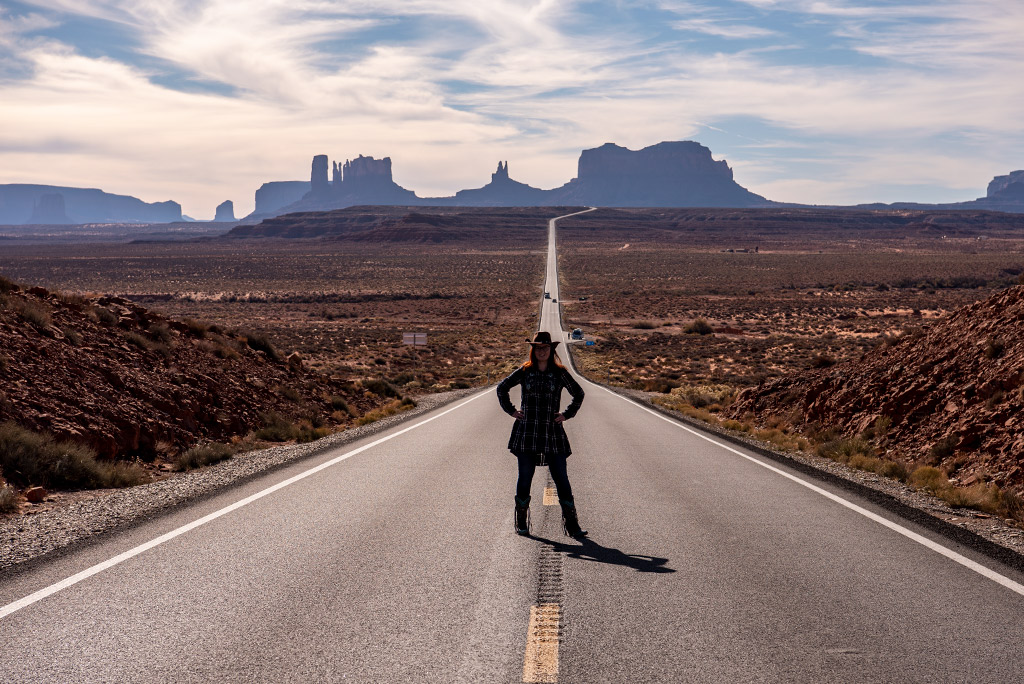
Forrest Gump Point (Highway 163)
This is one of the most photographed roads in the Southwest. It’s where Forrest Gump “stops running” in the film. Straight pavement leads the eye toward the cliffs of Monument Valley. Sunrise or late afternoon gives the best color.
Hunts Mesa Guide
Hunts Mesa is one of the most impressive viewpoints in the entire Southwest. It sits high above Monument Valley and gives you a bird’s-eye view of the Mittens, Merrick Butte, and dozens of hidden formations you can’t see from the Scenic Drive. Only Navajo guides can access this area, so you must join an organized tour.
Why Hunts Mesa Is Special
Hunts Mesa rises about 1,600 feet above the valley floor. From the top, the entire landscape opens in front of you. You see deep canyons, narrow fins, distant buttes, and all the famous formations at once. The viewpoint is remote and quiet. Sunsets and sunrises here create some of the best light in Monument Valley.
Best Photo Conditions
Sunrise is spectacular because warm light hits every formation below. Sunset gives long shadows and dramatic colors. Many photographers book the overnight tour to shoot both. Nights are dark, so you can also photograph stars and the Milky Way.
Price, Group Size, and Tour Length
Hunts Mesa tours are expensive. Most day trips start around $250–$350 per person. Overnight photography tours often range from $450–$700 per person.
Groups are small. Most operators take 2–6 travelers in a high-clearance 4×4. Tours last 8–12 hours for day trips or 16–20 hours for overnight trips. The drive is slow and rough, with sand, rocks, and tight turns. You cannot do this trip on your own.
What to Pack
Bring warm layers. Even in summer, the mesa gets windy and cool at night. Pack plenty of water (at least 1 gallon per person), snacks, a headlamp, and a power bank. Wear hiking shoes because you will step around uneven sandstone to reach the best photo points.
If you plan to shoot sunrise or sunset, bring a tripod and extra batteries.
Why It’s Expensive but Worth It
Hunts Mesa offers views you can’t get anywhere else. You see the entire Monument Valley skyline from above. Only Navajo guides know the route, and the drive requires skill and a true 4×4.
If you love photography or want a once-in-a-lifetime viewpoint, this is the top experience in Monument Valley.
Forrest Gump Point
Forrest Gump Point is one of the most famous roadside photo stops in the Southwest. It’s the spot where Forrest ended his long run in the 1994 movie. The view lines up perfectly with the long straight highway and the rock formations of Monument Valley in the background.
Exact Location
You’ll find Forrest Gump Point on U.S. Highway 163, about 20 minutes north of Monument Valley.
GPS coordinates: 37.101393, -109.990973.
It sits at mile marker 13, and the pullouts on both sides of the road make it easy to park.
Safety
Traffic on Highway 163 moves fast. Stay alert and do not stand in the road for long. Always watch for cars coming over the small rises—you may not hear them first. If you’re traveling with kids, keep them close. Never stop your vehicle in the driving lane.
Photo Etiquette
This is a popular spot, and travelers often take turns standing in the center of the road for photos. Keep your time short so others can enjoy it. Step aside when you see another group waiting. If someone is already lining up a shot, avoid walking into their frame.
Crowds
Forrest Gump Point gets busy during peak season from late spring through early fall. Midday is often the most crowded. Sunrise has great light and fewer people. Sunset is also beautiful, but expect photographers lined up across the road. If you want an empty shot, arrive early or visit in the off-season.
Films Shot in Monument Valley
Monument Valley has appeared in more films than almost any other landscape in the West. Many travelers recognize the views long before they visit. Here are the most iconic and modern titles to inspire your trip.
Classic Westerns
• Stagecoach (1939) – John Ford’s first Monument Valley film.
• The Searchers (1956) – Considered one of the greatest westerns ever made.
• Fort Apache (1948) – Another Ford and John Wayne collaboration.
Modern and Well-Known Films
• Forrest Gump (1994) – Features the famous running scene at Highway 163.
• Back to the Future Part III (1990) – Landscape shots appear throughout the Old West scenes.
• The Lone Ranger (2013) – Extensive filming across the valley.
• Transformers: Age of Extinction (2014) – Includes aerial shots of the iconic formations.
• Westworld (HBO series, 2016–2022)* – Used Monument Valley for sweeping desert scenes.
These titles help you recognize many angles and viewpoints long before you reach the Scenic Drive.
Example Itinerary for Monument Valley
Below are simple, practical itineraries based on how much time you have. They match real driving times and Monument Valley hours.
Half-Day Visit
Perfect for travelers passing through on a Southwest road trip.
• Start at the Visitor Center for the first overlook of the Mittens.
• Drive the 17-mile Scenic Drive (2–3 hours with photo stops).
• Stop at all the main viewpoints: Mittens, John Ford’s Point, Three Sisters, Artist’s Point.
• Stay for golden-hour photos if timing allows.
Full-Day Visit
Ideal for photography lovers or anyone who wants a deeper experience.
• Begin with sunrise from the Visitor Center or join a sunrise tour.
• Eat breakfast at The View Restaurant or Goulding’s Lodge.
• Drive the Scenic Drive and stop at every viewpoint.
• Join an afternoon backcountry tour to see restricted areas.
• Watch sunset from a guided tour or from your hotel balcony.
Two-Day Visit
Best for travelers who want a relaxed pace or plan to shoot sunrise and sunset.
Day 1:
• Arrive mid-day.
• Drive the Scenic Drive.
• Stay overnight inside the park or at Goulding’s Lodge for sunset views.
Day 2:
• Join a sunrise tour or Hunts Mesa trip.
• Visit Forrest Gump Point.
• Stop at nearby attractions like Mexican Hat or Goosenecks State Park.
• Continue to Page, Kanab, or Moab to continue your Southwest loop.
Best Places to Stay Near Monument Valley
Staying near Monument Valley gives you the best chance to enjoy sunrise and sunset without rushing. Options are limited, so book early, especially in spring and fall.
The View Hotel (Inside the Park)
The View Hotel is the only hotel inside Monument Valley Tribal Park. Every room has a private balcony facing the Mittens. If you want sunrise from your bed, this is the place. Rooms often sell out months ahead, so plan early. The location alone makes it one of the most memorable stays in the Southwest.
Goulding’s Lodge (Closest Full-Service Base)
Goulding’s Lodge sits a few minutes outside the park. It offers a small grocery store, restaurant, museum, and an indoor pool. Many rooms and cabins have desert views. This is the best choice if you want more amenities or are traveling with a family.
Kayenta Hotels (Budget-Friendly Options)
If you prefer chain hotels or more dining choices, stay in Kayenta, about 40 minutes south of the park. Options include:
– Kayenta Monument Valley Inn
– Hampton Inn Kayenta
– Wetherill Inn
Kayenta is a practical base if you want lower prices and easier restaurant access.
Bluff, Utah (Quiet and Scenic)
Bluff is about an hour northeast of Monument Valley. It’s peaceful, scenic, and surrounded by red rock cliffs. It also has several budget and midrange motels like Kokopelli Inn. This is a good base if you’re also exploring Mexican Hat, Valley of the Gods, or Comb Ridge.
RV Parks and Camping
If you travel with an RV or tent, Goulding’s Campground is the most convenient option. It offers full hookups, showers, laundry, and wide-open views of the valley. It fills quickly during peak season, so reserve early.
The View Campground is primitive camping inside the Tribal Park with some of the best sunrise views anywhere in the Southwest.
Where to Eat in Monument Valley
Food options in Monument Valley are limited, so it’s smart to plan ahead. Most visitors rely on lodge restaurants or simple local stops in nearby towns. Here are the most convenient choices:
The View Restaurant (inside the Tribal Park)
Located at The View Hotel, this restaurant offers classic Navajo dishes like Navajo tacos and mutton stew, along with simple American options. The dining room overlooks the Mittens, so the views alone make it worth a stop.
Goulding’s Stagecoach Dining Room (Goulding’s Lodge)
This historic dining room sits a few minutes outside the park entrance. Expect hearty comfort food, breakfast plates, burgers, sandwiches, and Navajo specialties. It’s reliable, quick, and open year-round.
Food options in Kayenta (35–40 minutes away)
If you’re staying in Kayenta, you’ll find more choices: Mexican restaurants, fast food, and small diners. It’s the best place for groceries, snacks, and take-out before you drive into the valley.
Pack food for the day
There are no restaurants, food stalls, or picnic areas inside the scenic drive. Bring plenty of water, snacks, and a packed lunch—especially if you plan to hike, take a long guided tour, or photograph sunrise and sunset.
Final Thoughts
Monument Valley is one of the most unforgettable landscapes in the American Southwest. The views feel familiar from films and road-trip photos, yet seeing those formations rise from the desert in person is far more powerful.
This place rewards every type of traveler—those who want a quick scenic drive and those who want deeper experiences like Hunts Mesa or a backcountry tour.
Give yourself enough time to enjoy the light, the silence, and the long desert horizons. Stay for sunset if you can. If you return for sunrise, the valley feels completely different again. Monument Valley deserves a spot on any Arizona or Utah road trip, and it’s a place we never get tired of revisiting.
Do You Like It? Pin It For Later!