
Seven Sacred Pools on Maui: How to Visit ‘Ohe’o Gulch in Haleakalā National Park
Nestled deep within the lush Kipahulu District of Haleakalā National Park, the Seven Sacred Pools, also known as ‘Ohe’o Gulch, are one of Maui’s most breathtaking natural wonders. Here, cascading waterfalls tumble through a series of freshwater pools surrounded by dense rainforest, volcanic cliffs, and the distant sound of the Pacific Ocean. This spot marks one of the most rewarding stops at the end of the Road to Hana — a place where the beauty of Maui’s wild landscapes meets the serenity of flowing water. Despite its name, there are far more than seven pools, each shaped by centuries of volcanic activity and erosion. This guide covers everything you need to know before visiting this unforgettable place — how to get there, the best trails to explore, what to pack, where to stay nearby, and essential tips for a safe and rewarding trip.
This article may contain affiliate / compensated links. For full information, please see our disclaimer here.
What Are the Seven Sacred Pools (‘Ohe’o Gulch)?
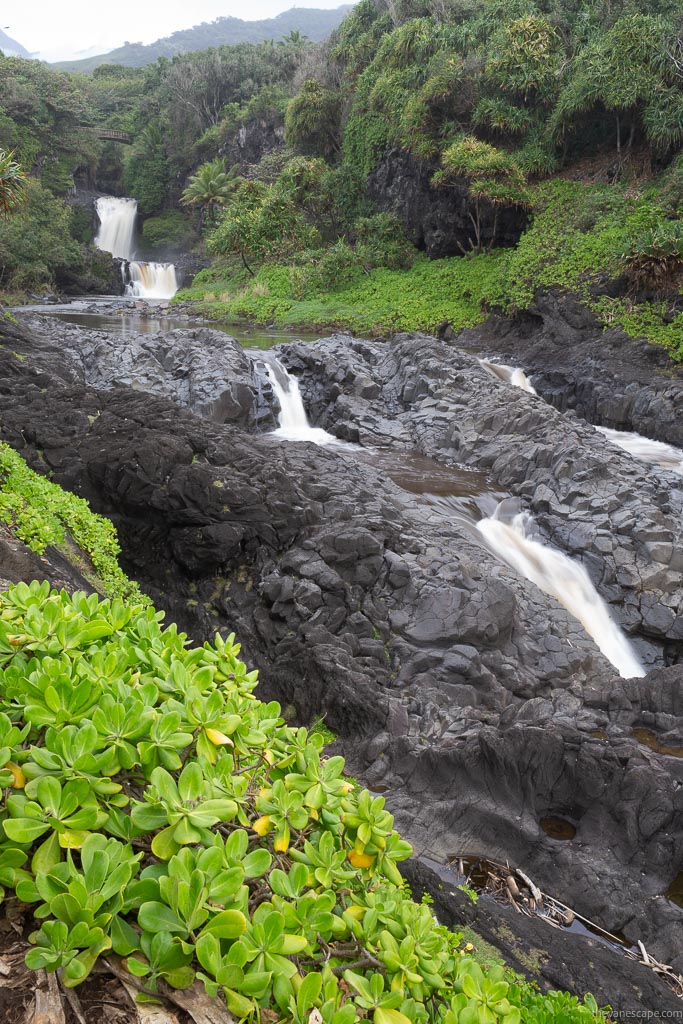
The Seven Sacred Pools, locally known as ‘Ohe’o Gulch, are one of the most scenic natural attractions on Maui’s eastern shore. Located within the Kīpahulu District of Haleakalā National Park, these tiered pools are formed by the ‘Ohe’o Stream, which flows down from the slopes of the Haleakalā volcano before meeting the Pacific Ocean.
Despite the popular nickname, there are more than seven pools — the name “Seven Sacred Pools” was coined by a local hotel owner decades ago to attract visitors. The true Hawaiian name, ‘Ohe’o, translates to “something special” — and that’s exactly what you’ll experience here.
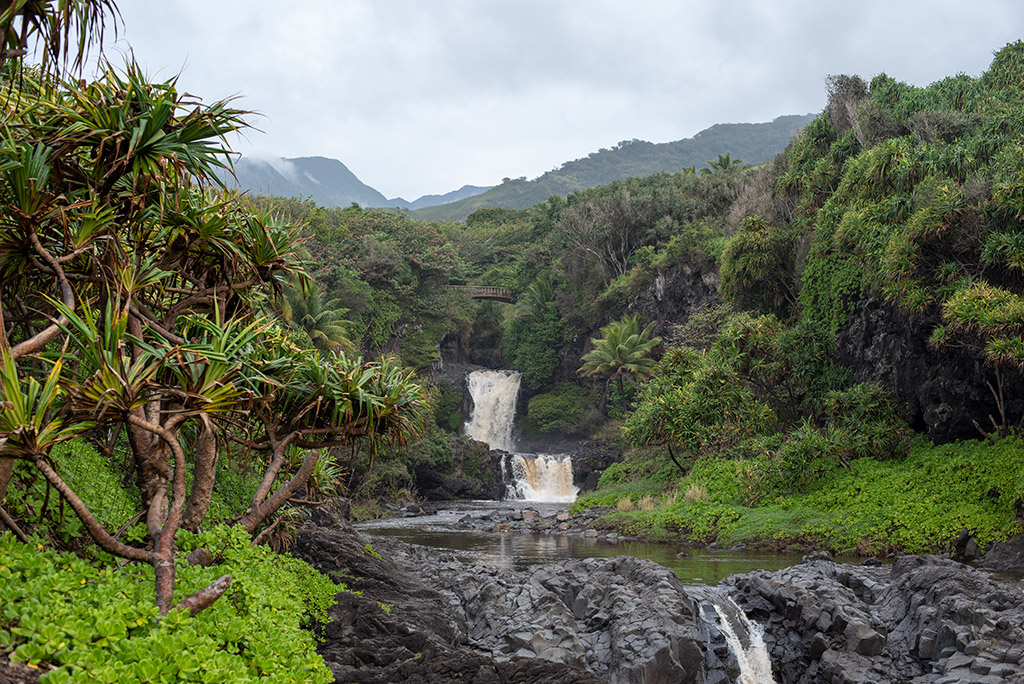
Each pool is connected by cascading waterfalls, surrounded by lush tropical vegetation, bamboo groves, and dramatic sea cliffs. During periods of rainfall, the flow intensifies, creating a mesmerizing chain of waterfalls that tumble toward the ocean.
This area is sacred to Native Hawaiians and plays a role in ancient legends tied to the gods and natural elements. While it’s now a major attraction for travelers driving the Road to Hana, ‘Ohe’o Gulch remains a place of deep natural beauty and cultural importance — a reminder of Maui’s powerful connection between land, water, and spirit.
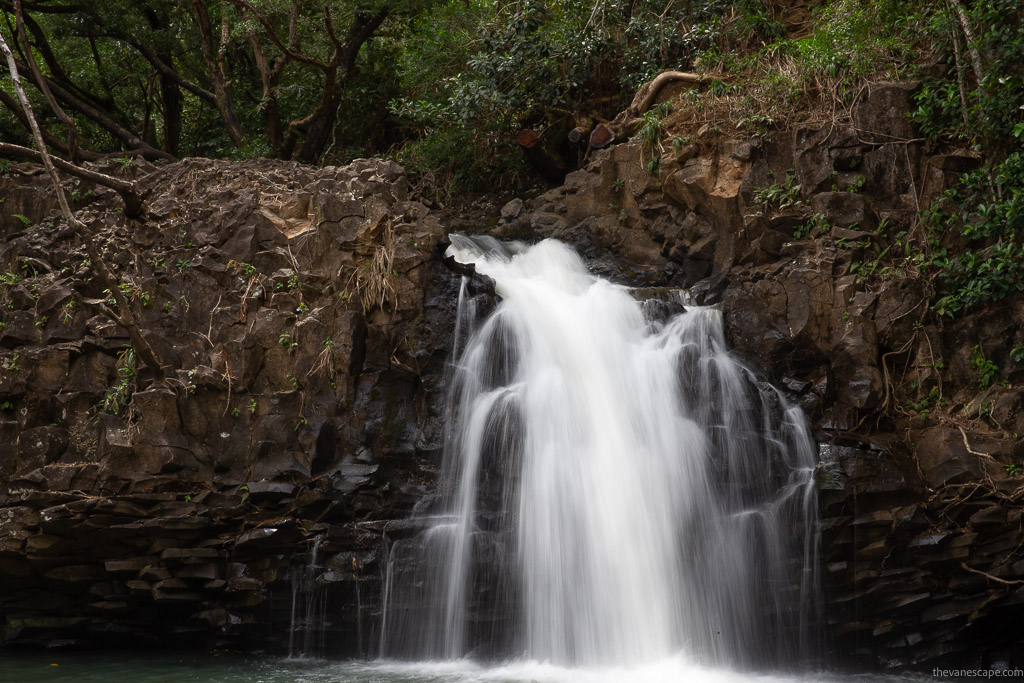
Where Are the Seven Sacred Pools Located?
The Seven Sacred Pools, or ‘Ohe’o Gulch, are located along Maui’s rugged eastern coast in the Kīpahulu District of Haleakalā National Park. This area sits about 12 miles (30 minutes) past the town of Hāna, marking one of the last major scenic stops on the famous Road to Hāna.
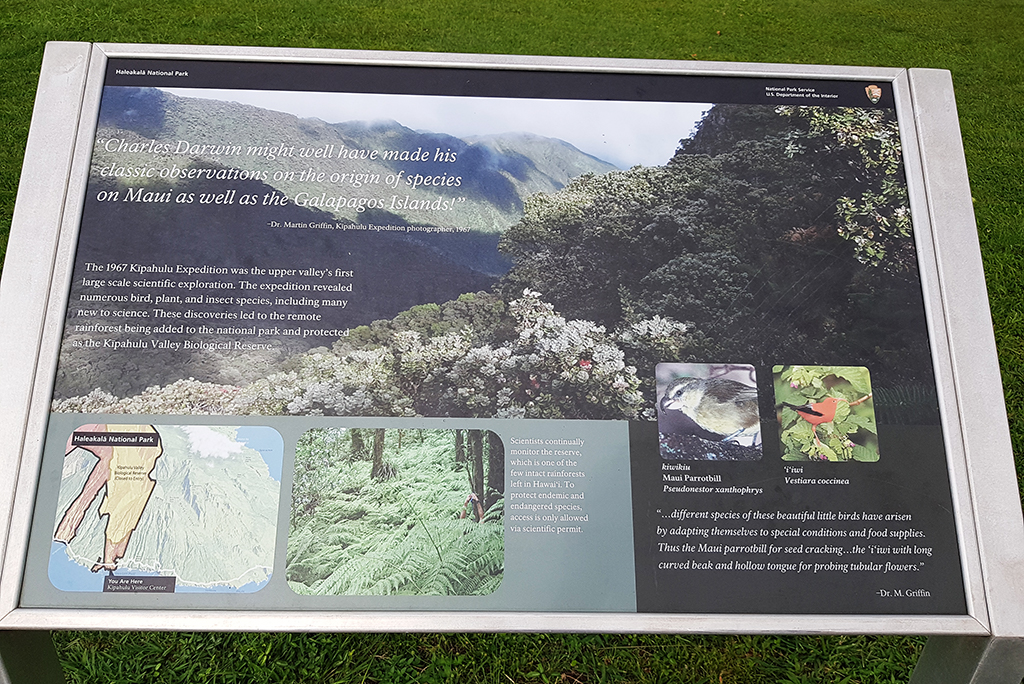
It’s important to note that Haleakalā National Park has two separate districts — the Summit District at the volcano’s peak and the Kīpahulu District, where the pools are found. Although both belong to the same national park, they are not connected by road, so visiting both requires separate trips.
The Kīpahulu District is known for its tropical landscape, lush rainforests, and cascading waterfalls — a stark contrast to the barren volcanic terrain of the Summit District. The entrance to the pools and nearby trails is located just beyond the Kīpahulu Visitor Center, where you can find maps, restrooms, and updated information about trail conditions.
- Location: Haleakalā National Park, Kīpahulu District, East Maui
- Distance from Hāna: 12 miles (approx. 30 minutes)
- Distance from Kahului Airport: 64 miles (approx. 2.5–3 hours via the Road to Hāna)
The drive to ‘Ohe’o Gulch is an adventure in itself — winding, lush, and lined with waterfalls. Many travelers visit as part of a two-day Road to Hāna itinerary, spending the night in or near Hāna before exploring the pools early the next morning when the area is quieter and the light is magical.
Agnes’ Advice: Check out our related articles: Road to Hana Guide and Kahekili Highway Guide.
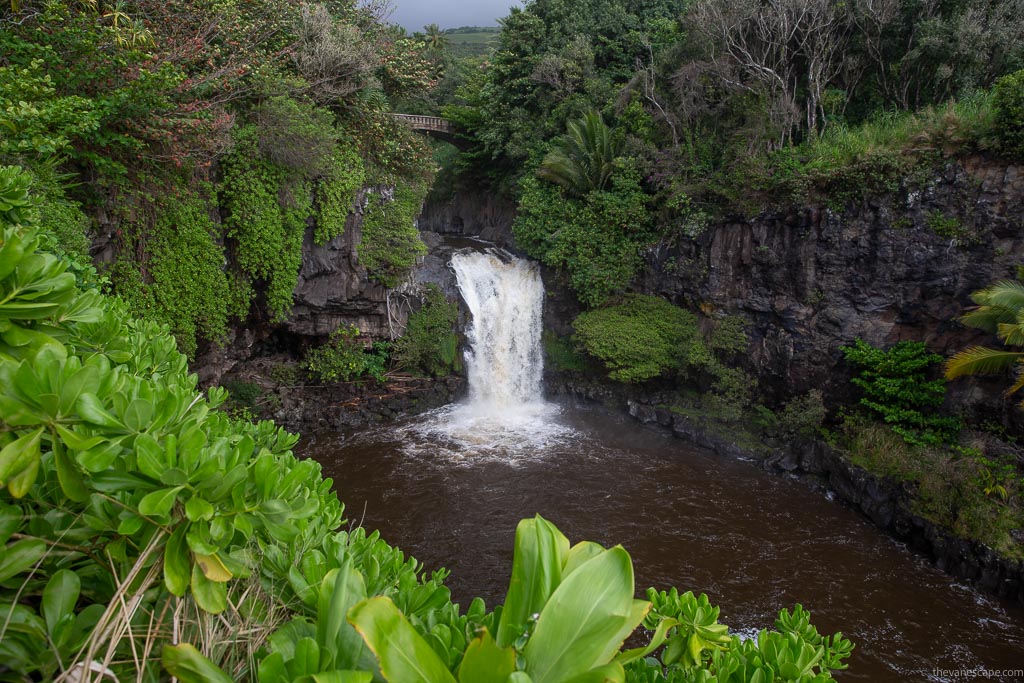
How to Get to the Seven Sacred Pools (Driving Directions & Tips)
The Seven Sacred Pools (‘Ohe’o Gulch) are found at the end of the Road to Hāna, one of the most famous scenic drives in the world. Reaching them is an adventure in itself, with lush rainforests, waterfalls, and ocean views along the way.
Driving from Kahului
- Distance: 64 miles
- Time: Around 2.5 to 3 hours one way (without stops). Take Hāna Highway (HI-360) east from Kahului. Once you pass through Hāna town, continue another 12 miles south to the Kīpahulu Visitor Center. The road narrows and winds along the cliffs, but the scenery is breathtaking.
Driving the Full Loop (Not Recommended for All)
Some travelers try to drive a full loop by continuing beyond the Kīpahulu District toward Upcountry Maui via Piʻilani Highway (Hwy 31). While this route technically connects, sections of it are rough, unpaved, and prone to washouts, especially after heavy rain.
Unless you’re in a 4WD vehicle and comfortable with remote, narrow roads, it’s safest to return the same way you came via Hāna Highway.
Guided Tours
If you’d rather not handle the challenging drive yourself, consider joining a Road to Hāna tour that includes the Seven Sacred Pools. Many local companies offer small-group van tours with expert guides who know the best photo stops and cultural sites.
Best Time to Visit
Morning is the best time to visit the Seven Sacred Pools — parking is easier, crowds are smaller, and the light is perfect for photography. If you’re driving from Hāna, aim to arrive between 9–10 a.m.
Parking & Fees
The pools are located within Haleakalā National Park’s Kīpahulu District, so a park entry fee of $30 per vehicle applies (valid for 3 days). The America the Beautiful Pass is also accepted.
Agnes’ Advice: Gas stations are scarce after Hāna, and there’s no fuel in Kīpahulu. Fill your tank before leaving Hāna town and pack extra snacks, water, and motion sickness medication if winding roads make you uneasy.
Hiking Trails to the Seven Sacred Pools (‘Ohe’o Gulch)
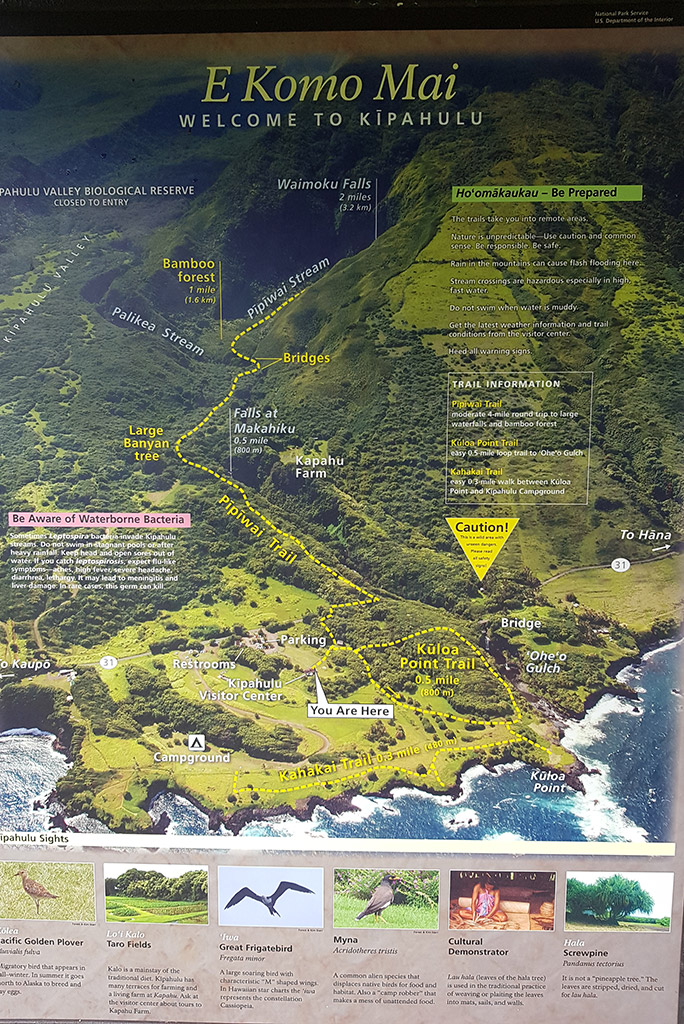
The Kīpahulu District of Haleakalā National Park features two main trails that allow visitors to experience the beauty of the Seven Sacred Pools area: the Kuloa Point Trail and the Pīpīwai Trail. Both start near the Kīpahulu Visitor Center and offer different levels of difficulty and scenery.
Kuloa Point Trail – Easy and Scenic
If you have limited time, the Kuloa Point Trail is the easiest way to see the Seven Sacred Pools.
- Distance: 0.5 miles round trip
- Elevation gain: 80 feet
- Difficulty: Easy
- Time: About 20–30 minutes
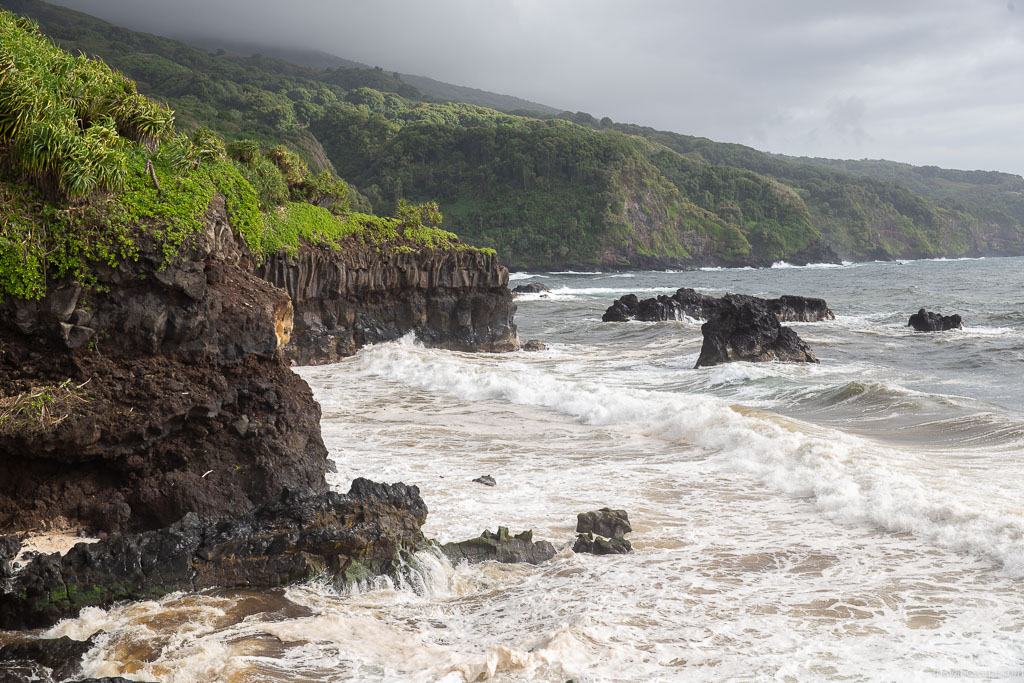
This short, scenic trail begins at the visitor center and passes a small cultural display area before leading to Kuloa Point. The walk offers ocean views, cascading waterfalls, and glimpses of archaeological sites surrounded by lush vegetation. It’s perfect for travelers looking for a relaxing walk rather than a strenuous hike.
Pīpīwai Trail – To Waimoku Falls
If you want a more immersive hiking experience, the Pīpīwai Trail is one of Maui’s most rewarding rainforest trails.
- Distance: 4 miles round trip
- Elevation gain: 800 feet
- Difficulty: Moderate
- Time: About 2–3 hours
The trail climbs through towering banyan trees, dense bamboo forests, and past smaller waterfalls before reaching the 400-foot Waimoku Falls. The hike is moderately challenging but offers stunning rainforest views and a chance to experience Maui’s wild natural beauty. Be cautious near the waterfall—rocks are slippery, and flash floods can occur after rain.
Agnes’ Advice: If you have enough time, hike both trails. Start early with the Pīpīwai Trail to avoid the heat and crowds, then finish with the short Kuloa Point Trail for a peaceful stroll to the ocean. Together, they show the best contrasts of the Kīpahulu District—lush forest trails and coastal vistas.
Can You Swim in the Seven Sacred Pools?
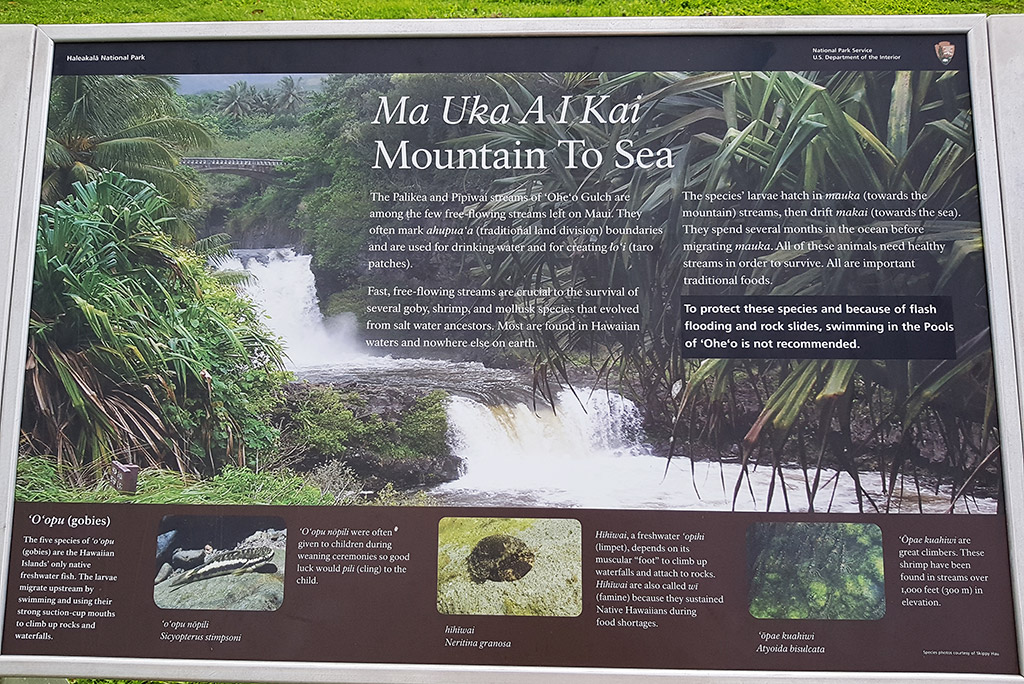
Swimming in the Seven Sacred Pools, also known as ‘Ohe’o Gulch, is no longer permitted. The National Park Service permanently closed swimming in these pools for visitor safety due to frequent flash floods, unpredictable water levels, and several past fatalities. The pools may look calm and inviting, but conditions can change in seconds when heavy rain falls anywhere upstream in Haleakalā National Park.
Even when the weather seems clear, flash floods can sweep through the area without warning. For this reason, swimming, diving, and cliff jumping are strictly prohibited and clearly marked with warning signs. The water is cold, the rocks are slippery, and strong undercurrents can make it dangerous to stand or wade near the falls.
Visitors can, however, still admire the cascading pools safely from designated viewpoints along the Kuloa Point Trail. If you’d like to cool off, there are other safe swimming spots along the Road to Hana or at nearby beaches outside the national park.
Agnes’ Advice: Don’t risk swimming in the Seven Sacred Pools. Instead, focus on the incredible scenery, take photos, and enjoy the natural beauty from the viewpoints. Bring a camera with a waterproof case or lens cloths for the mist, as this area is often humid and damp. The reflections of the rainforest and waterfalls make for stunning photos—no swim required.
Where to Stay Near the Seven Sacred Pools
Where to Stay Near the Seven Sacred Pools
If you’re exploring the Road to Hana and plan to visit the Seven Sacred Pools (‘Ohe’o Gulch), staying nearby is the best way to enjoy the experience without rushing. The area around Hana and the Kīpahulu District offers a few cozy lodging options and scenic campgrounds that let you experience Maui’s lush eastern coastline at its best.
Stay in Hana Town
Hana is the closest town to the Seven Sacred Pools and the most convenient base. It’s a peaceful, remote community with a handful of small hotels, cottages, and vacation rentals surrounded by tropical gardens.
- Hana-Maui Resort: A luxurious option with ocean views, a spa, and an infinity pool. Ideal for couples looking for comfort after a long day of exploring.
- Hana Kai Maui: Beachfront condos with kitchenettes and balconies overlooking Hana Bay. Great for travelers seeking independence and a relaxed vibe.
Hana accommodations are limited and often book out months ahead, especially during peak travel season, so reserve early.
Camping in Haleakalā National Park
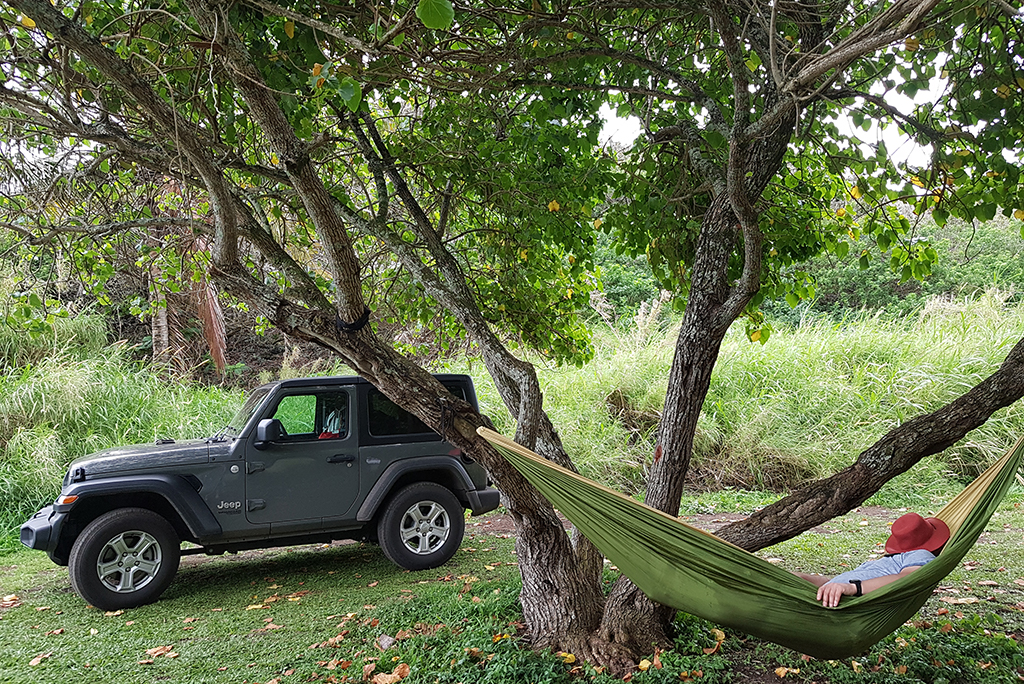
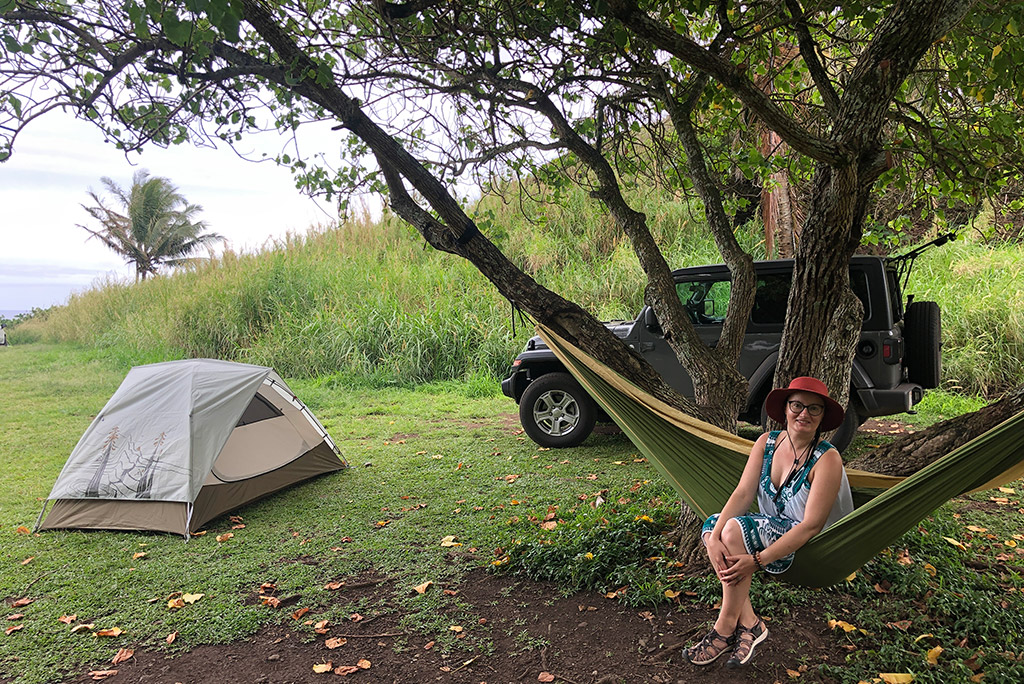
If you prefer nature and adventure, the Kīpahulu Campground inside Haleakalā National Park is a wonderful choice.
- Located just a short walk from the Seven Sacred Pools, this simple campground offers incredible ocean views and the sound of waterfalls at night.
- There are no reservations—sites are first-come, first-served, and camping fees are included with your park entrance pass.
- Facilities are basic, with picnic tables, grills, and pit toilets but no showers or drinking water.
Pack everything you need, including water, food, and a headlamp for nighttime visibility.
Other Nearby Options
If you can’t find a spot in Hana or prefer something more developed, head back toward Wai‘ānapanapa State Park or Kīpahulu area rentals.
- Wai‘ānapanapa State Park Cabins and Campground: Known for its black sand beach and coastal lava formations, it’s a scenic place to spend the night about 30 minutes from the Seven Sacred Pools.
- Vacation rentals along Hāna Highway: Small, family-run places often provide kitchens and local charm.
Agnes’ Advice: Staying overnight near the Seven Sacred Pools lets you explore the area early in the morning or late in the day when the crowds are gone and the light is magical. Whether you choose a cozy hotel in Hana or camp under the stars in Kīpahulu, you’ll experience one of the most peaceful and authentic sides of Maui.

What to Pack for Visiting the Seven Sacred Pools
Preparing well makes your visit to the Seven Sacred Pools much more enjoyable. Even though the hike is short and easy, the tropical environment can be wet, muddy, and slippery, so wearing the right gear is essential. Here’s what we recommend packing based on our own experience exploring ‘Ohe’o Gulch and Haleakalā National Park.
Clothing and Footwear
- Comfortable waterproof shoes with good grip: The trails can be slick from mist and rain. Hiking sandals or trail shoes are ideal. Avoid flip-flops or smooth-soled shoes.
- Light, breathable clothing: Temperatures can change quickly, so dress in moisture-wicking layers.
- Rain jacket or poncho: Showers are common, even when the day starts sunny.
Essentials
- Reusable water bottle: Stay hydrated. The humidity and uphill sections can make you sweat more than expected.
- Snacks or a picnic lunch: There are no food vendors in the park. A small picnic near the viewpoint is a great way to enjoy the scenery.
- National Park Pass: Either purchase your Haleakalā entry ticket or bring your America the Beautiful Pass if you have one.
For Photography and Comfort
- Quick-drying towel: Perfect for wiping off mist or rain.
- Microfiber lens cloth: The air around the waterfalls is humid, so lenses fog up easily.
- Tripod or small stabilizer: For those smooth, long-exposure waterfall shots.
- Sunscreen and insect repellent: The tropical sun can be strong, and mosquitoes appear after rainfall.
Agnes’ Advice: Dress comfortably and practically. Shoes with traction are key—some viewpoints and trails have wet rocks and uneven surfaces. Pack light, but always be prepared for rain and mud. And don’t forget your camera—this is one of Maui’s most photogenic places.
Final Thoughts
The Seven Sacred Pools at ‘Ohe‘o Gulch are one of Maui’s most iconic natural wonders—a place where waterfalls, rainforest, and ocean meet in breathtaking harmony. Whether you stop for a short walk along the Kuloa Point Trail or explore deeper into Haleakalā National Park on the Pipiwai Trail, this area offers a true taste of Hawaii’s wild beauty.
Take your time here. Listen to the sound of cascading water, watch how sunlight filters through the lush greenery, and feel how remote and peaceful this part of Maui is compared to the island’s busy resort areas. Just remember—this is sacred land, cared for by generations of Hawaiians, and it deserves respect. Stay on marked trails, follow park regulations, and leave no trace behind.
If you’re planning more time on the island, pair your visit to the Seven Sacred Pools with the nearby Waimoku Falls hike or spend a night in Hana to fully experience East Maui’s slower rhythm and natural magic. This is not just a stop on the Road to Hana—it’s a place to reconnect with nature and understand why Hawaiians call it “something special.”
Do You Like It? Pin It For Later!

